




Carved Timber Head
A carved timber head brings direct human and animal presence into a room, drawing the eye with expressive grain and chiselled detail.
Carved Timber Head
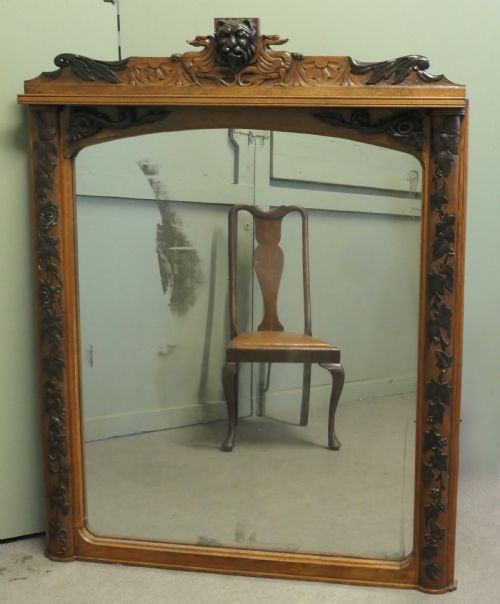
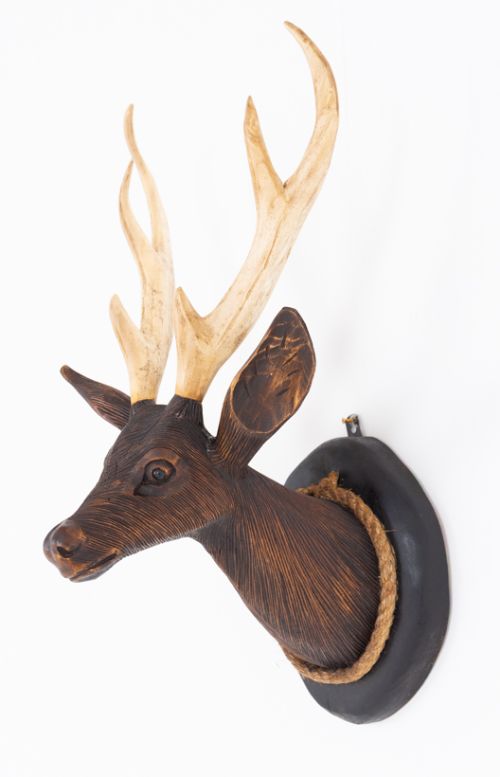
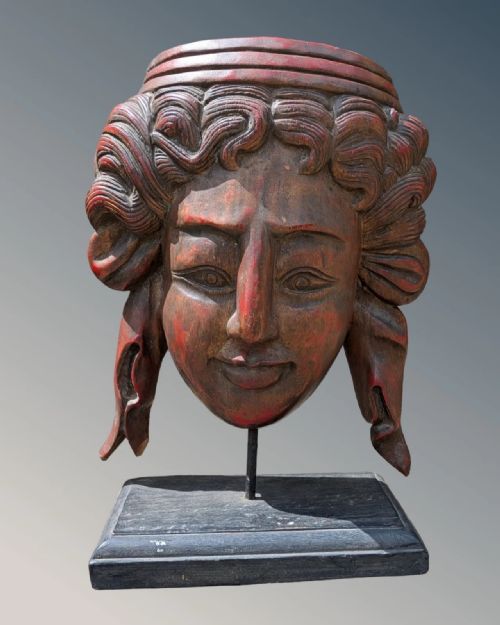
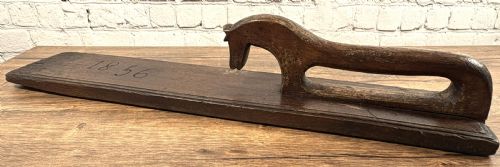
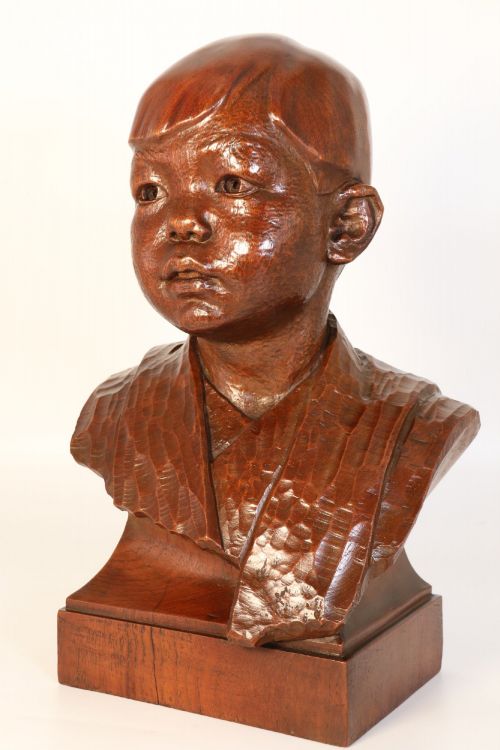
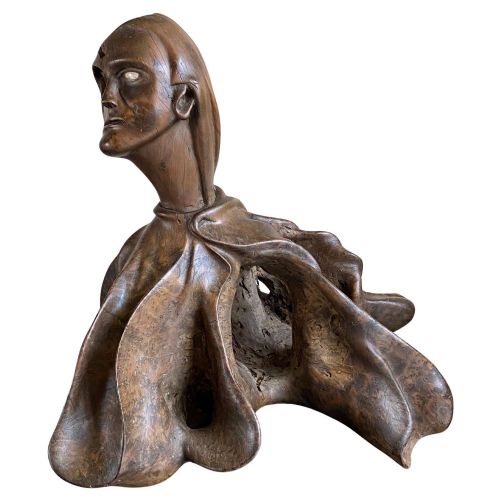
A carved timber head encompasses sculptural busts, architectural corbels, wall masks, and functional items like bookends and walking sticks formed from wood. The phrase captures everything from detailed portraits of people and saints to animal trophies and mythical creatures.
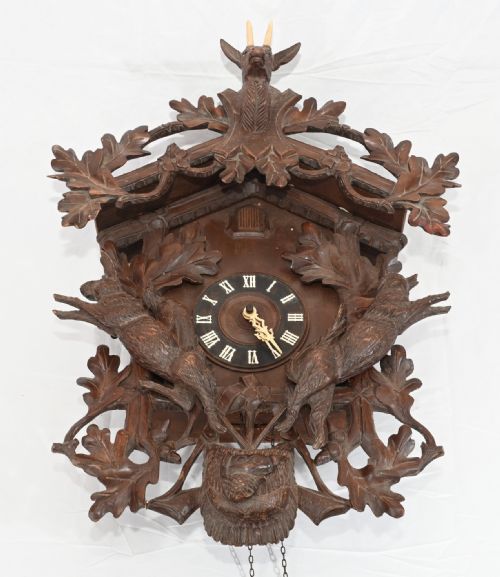
You will most commonly meet items originating from the eighteenth and nineteenth centuries, spanning domestic European folk art, Black Forest animal carvings, and Anglo-Indian furniture elements. Walnut, oak, and hardwood dominate these selections, often showing regional woodworking traditions.
Pieces range from domestic decorative objects, such as tobacco boxes and nutcrackers, to monumental wall carvings and life-size portrait busts. Each item reveals the specific functional or decorative role it played in its original interior setting.
How they were made
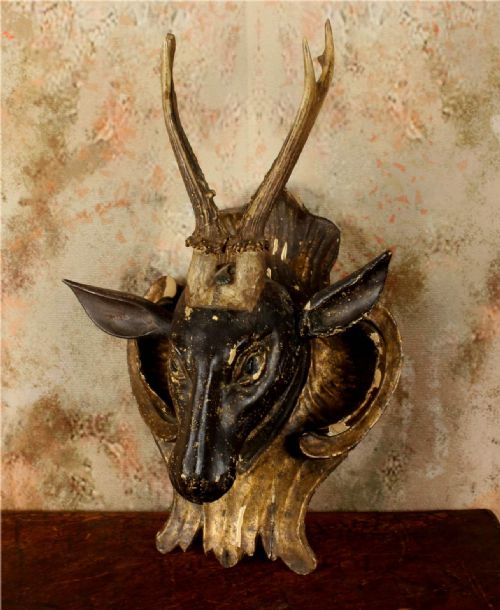
Traditional hand tools including gouges, chisels, and parting tools created the layered relief and three-dimensional depth seen across the surfaces. Certain items received supplementary polychrome paint, gilding, or bone inlay to heighten their visual impact.
Joinery methods varied by form, with architectural elements integrated into larger timber frames, while freestanding busts and sculptures emerged from single blocks or laminated sections of wood.
Listings feature wood, walnut, hardwood, carved wood, oak, bone, paint, and mahogany across sculptures, bookends, and wall carvings.
What varies in quality
Quality rests heavily on the anatomical understanding and expressive depth achieved by the carver. Superior pieces capture lifelike tension in muscle and bone, whereas simpler workshop items rely on repetitive surface texturing.
The preservation of the timber surface dictates the integrity of the piece, distinguishing untouched patination from heavy later restoration. Crispness in the undercut details and restrained tool marks separate ambitious sculptural works from mass-produced items.
George Henry Paulin·V Ramirez·Boudewijn Tuerlinckx·Trussant And Cie
The Carved Timber Head Glossary
- Corbel
- A structural piece of stone or timber projecting from a wall to support a weight. In woodworking, these often take figurative or grotesque head forms.
- Polychrome
- The practice of decorating architectural elements, sculpture, or pottery in a variety of colours. This finish appears frequently on continental religious carvings.
- Black Forest
- A style of nineteenth-century wood carving originating from the Brienz region of Switzerland. These items typically feature highly realistic depictions of local fauna.
- Folk art
- Art produced from an indigenous culture or peasant society. These pieces display utilitarian roots combined with unacademic, direct aesthetic choices.
- Bust
- A sculpture representing a person's head, shoulders, and chest. Walnut and hardwood versions appear often in portrait studies.
Carved Timber Head: Frequently Asked Questions
What is a carved timber head?
A carved timber head is a sculptural representation of a human or animal form worked directly from wood by hand. These pieces range from architectural wall masks and ecclesiastical corbels to functional bookends and walking stick handles.
Craftsmen across Europe and beyond produced them for domestic display, religious settings, and furniture ornamentation. Each object reflects the prevailing sculptural styles and timber preferences of its period.
How do I date an antique wood carving?
Dating involves examining the tool marks left by the maker, the type of timber used, and the overall style of the piece. Hand-wrought marks differ significantly from later machine-cut precision.
Wear patterns, shrinkage cracks in the wood, and the accumulation of natural patination also help establish the age of the item. Comparative styling with known period furniture and sculpture narrows down the decade of production.
Where were Black Forest carvings made?
Black Forest carvings originated primarily in the Brienz region of Switzerland and the adjacent German mountain areas during the nineteenth century. Local woodcarvers capitalized on the growing tourism market by producing highly detailed animal figures and household objects.
Bears, dogs, stags, and foxes dominate this tradition, often appearing on nutcrackers, umbrella stands, and wall plaques. The style is celebrated for its naturalistic rendering of fur and expressive anatomical detail.
How should I care for a wooden sculpture?
Wooden sculptures require stable environmental conditions away from direct sunlight and sudden temperature shifts. Excessive heat or dryness causes timber to split and historical finishes to degrade.
Dusting with a soft, dry cloth preserves the surface without introducing moisture. Wax polishes should be applied sparingly and only when the timber appears dry.