



Figurative Wooden Sculpture
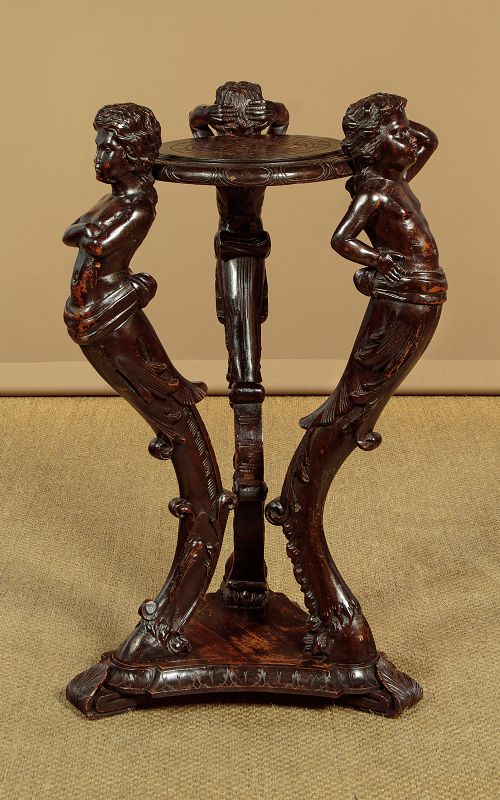
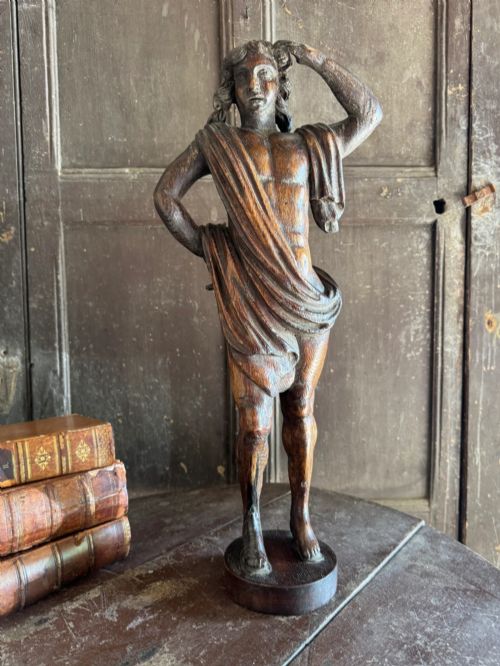
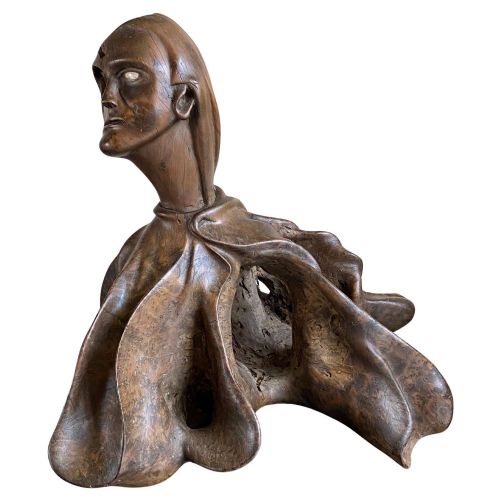
Figurative wooden sculpture brings expressive human forms into a room, carved from fruitwood, oak, walnut and limewood across centuries of diverse craftsmanship.
Figurative Wooden Sculpture
A figurative wooden sculpture captures the human form through traditional carving techniques, spanning centuries from classical interpretations to modernist expressions and folk art pieces.
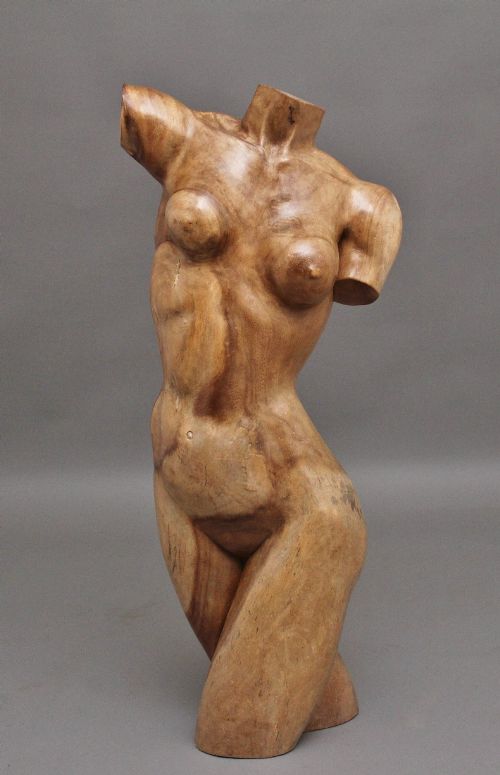
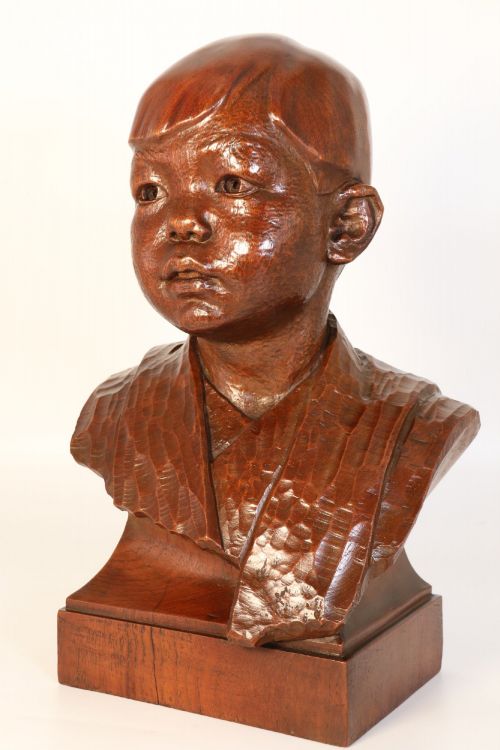
The selections on this page range from life-size torsos and detailed busts to functional items like table lamps and combs incorporating carved human figures.
Makers and artists referenced in these works include Jules Buste Labatut, George Henry Paulin, Boudewijn Tuerlinckx and Hans Müller, alongside regional folk art traditions.
Materials and carving methods
Carvers shaped these pieces primarily from dense hardwoods and fruitwoods such as oak, walnut, limewood, yew burr and root wood, sometimes enhancing the surfaces with ebonisation or bone inlay.
Figurative Wooden Sculpture Retail Price Guide 2026
Typical asking prices for figurative wooden sculpture among the pieces listed under this phrase on Sellingantiques today, from the lower quarter to the upper quarter. They describe what is for sale here now, not the wider market.
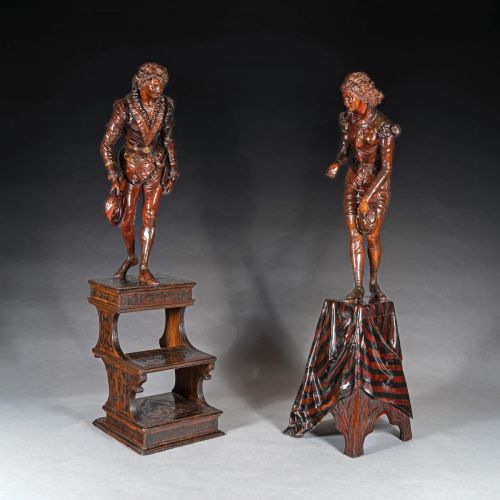
Among the carved figures, an amusing night watchman stands ready alongside traditional busts and functional lamps.
Evaluating craftsmanship and form
Quality rests in the anatomical precision and emotional resonance achieved by the carver, where the handling of posture and expression elevates a simple block of wood into a compelling presence.
The treatment of the wood itself defines the upper tier, showcasing how the artist works with the natural knots, grain patterns and warm tones of fruitwood or walnut rather than masking them.
Jules Buste Labatut·George Henry Paulin·Boudewijn Tuerlinckx·Hans Müller
The Figurative Wooden Sculpture Glossary
- Fruitwood
- Dense, fine-grained timber sourced from fruit-bearing trees such as pear or apple, prized by carvers for its smooth finish and subtle colouring.
- Yew burr
- A highly figured timber growth featuring swirling grain patterns and knots, used in folk art to create visually dynamic and textured surfaces.
- Ebonised
- Timber treated with a chemical stain or dark finish to imitate the dense, black appearance of ebony.
- Root wood
- The gnarled underground growth of a tree, often utilised in Chinese root wood carving to follow natural, organic shapes resembling figures or animals.
- Bone inlay
- Small pieces of animal bone fitted into recessed channels within the wooden surface to create decorative geometric or figurative patterns.
Figurative Wooden Sculpture: Frequently Asked Questions
How are wooden sculptures dated?
Dating relies on stylistic markers, tool marks left on the timber, and documentation associated with known sculptors.
Comparison with documented periods like 18th-century classical work or early 20th-century modernism helps narrow the creation window.
Where should I display a wooden sculpture?
Place these pieces away from direct heat sources and strong sunlight to prevent the timber from drying out or cracking.
Stable indoor humidity preserves the structural integrity of carved fruitwood and walnut.
What is folk art sculpture?
Folk art sculpture represents work created outside academic traditions, often by regional artisans using local materials like yew burr.
These pieces prioritise expressive character and direct charm over strict anatomical proportions.
How do I clean carved wood?
Dust the sculpture gently with a soft, dry cloth to remove surface particles without abrasive friction.
Avoid liquid cleaners and polishes unless specifically formulated for antique wooden surfaces.