







Vintage Folk Art Head
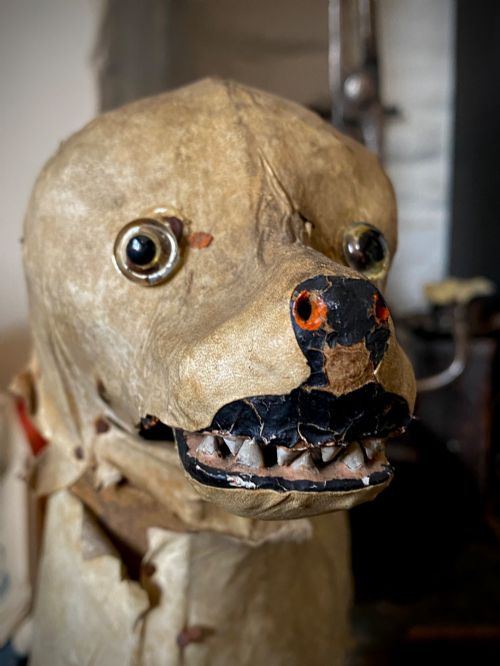
These vintage folk art head carvings, paintings and sculptures bring immediate character to a room through direct, vernacular hands.
Vintage Folk Art Head
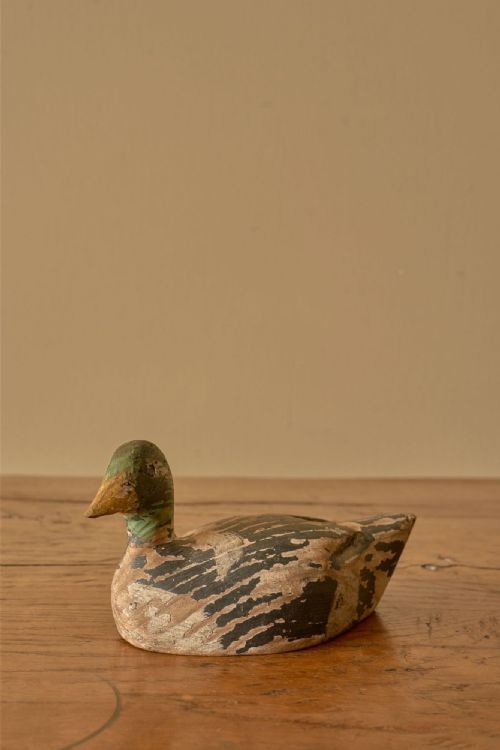
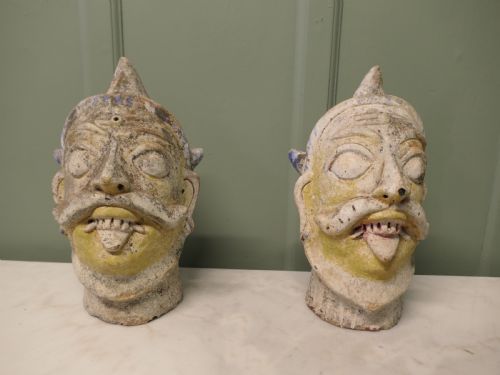
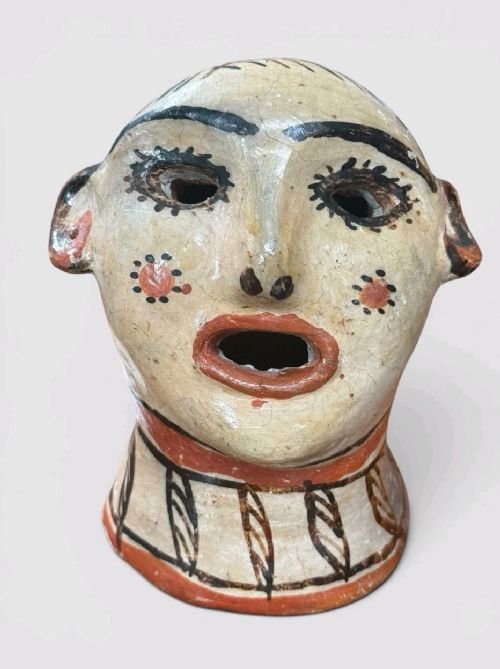
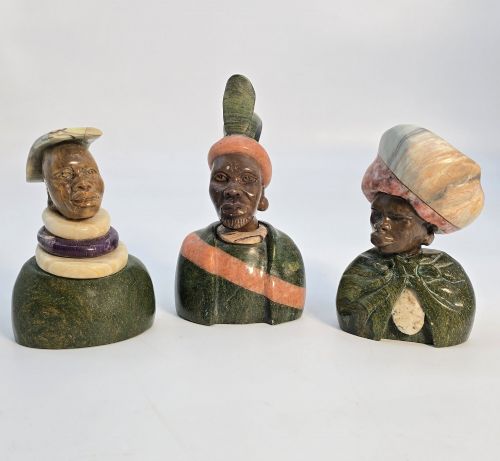
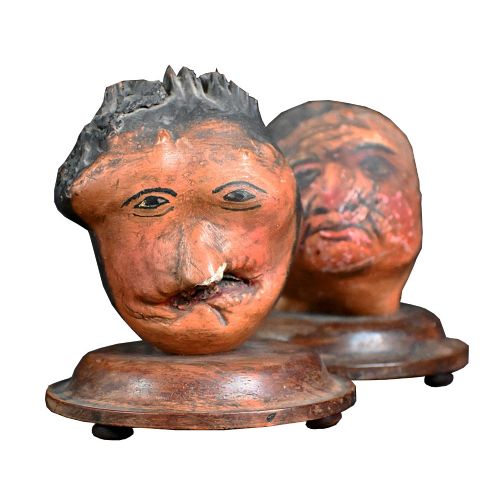
When you search for vintage folk art head examples, you encounter a diverse gathering of sculptural forms and paintings spanning the nineteenth century up to nineteen sixty. The selection here ranges from Peruvian clay pottery busts and African stone portrait pieces to Black Forest carvings and British wooden milliner displays.
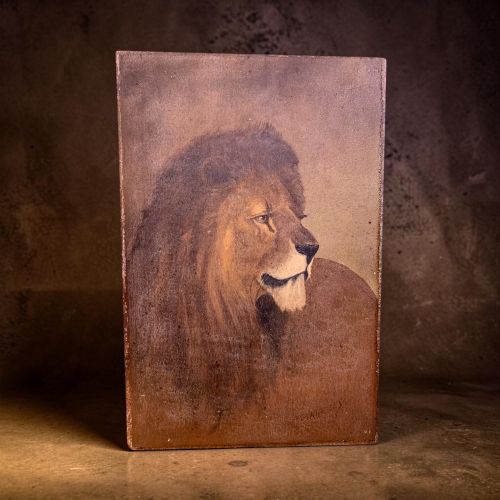
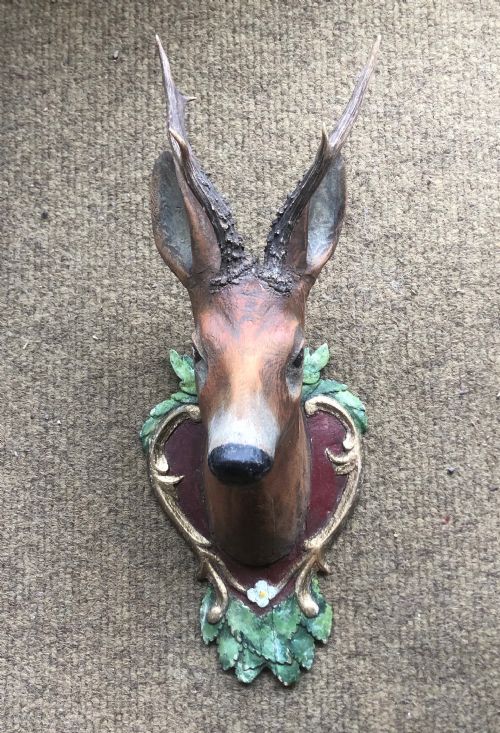
You are most likely to meet hand-carved wooden sculptures, polychrome painted puppets, and naive oil portraits within this grouping. These objects originate from varied regional traditions including Scandinavian, Peruvian, African, and Japanese craft.
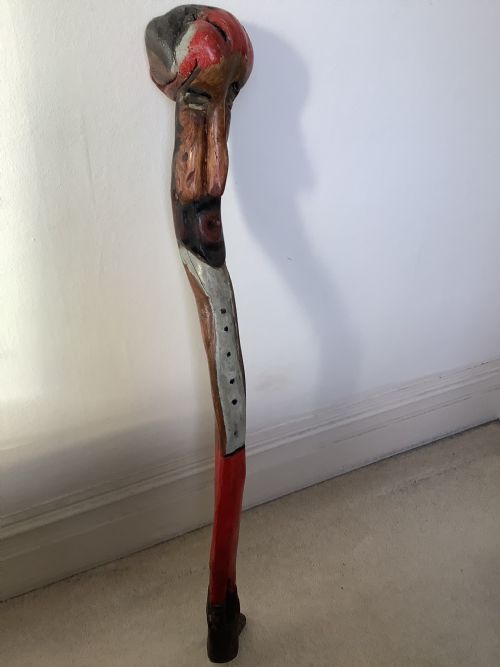
The objects serve primarily as decorative sculptures, wall plaques, and functional items like walking sticks or nutcrackers. Each piece captures a distinct human or animal likeness shaped by regional vernacular makers.
How they were made
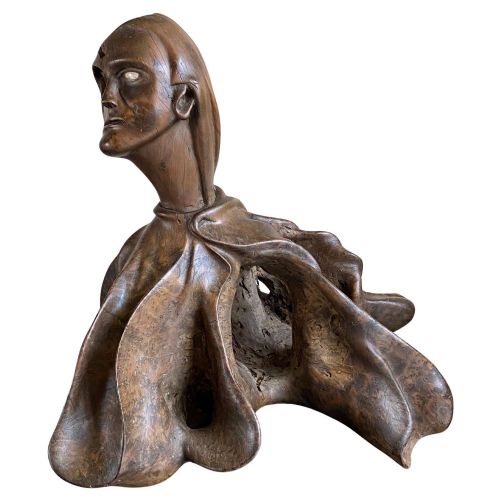
Makers shaped these pieces primarily from wood, terracotta clay, and stone using traditional hand-carving and modelling techniques. Woods such as yew burr, thorn wood, and other native timbers show tool marks and individual carving methods.
Surface decoration relies heavily on polychrome paint, slip pigment, and oil paint applied directly to the base material. These finishes preserve the original colours and textures imparted by the vernacular artists.
Vintage Folk Art Head Retail Price Guide 2026
Typical asking prices for vintage folk art head among the pieces listed under this phrase on Sellingantiques today, from the lower quarter to the upper quarter. They describe what is for sale here now, not the wider market.
Listings feature works in wood, terracotta clay, and stone, spanning the nineteenth century up to nineteen sixty.
What varies in quality
The strength of expression and the confidence of the carving separate simpler items from more accomplished works. Sculptures that retain their original layered polychrome paint and show bold tool work hold greater visual presence.
Proportion and the handling of the chosen material dictate the success of each piece. Individual interpretation by the maker ensures that each sculpture possesses a distinct character and sculptural weight.
The Vintage Folk Art Head Glossary
- Polychrome
- Painted in several colours. This surface treatment brings depth and realism to carved wooden heads and figures.
- Naive art
- Artwork produced by a self-taught artist lacking formal academic training. Such pieces often display charming proportions and direct perspective.
- Yew burr
- A growth on a yew tree that produces highly figured, knotted timber. Carvers prize this wood for its complex grain patterns.
- Milliner display
- A hat stand or block shaped like a human head. These items were used in shops to shape and exhibit millinery.
- Slip pigment
- Liquid clay mixture used for surface decoration on pottery. It provides a smooth, coloured coating before firing.
Vintage Folk Art Head: Frequently Asked Questions
How were these carved heads used?
Many served practical purposes in daily life while displaying decorative craftsmanship. Examples include milliner display heads for hats, functional walking stick handles, and nutcrackers.
Others functioned purely as sculptural art or wall plaques designed to decorate domestic interiors. Their primary role today remains visual display and the appreciation of vernacular skill.
What materials do these sculptures use?
The pieces utilise natural materials sourced locally by the makers, predominantly wood, terracotta clay, and stone. Carvers selected timbers like yew burr and thorn wood for their durability and distinctive grain.
Surfaces are frequently enhanced with oil paint, polychrome pigments, or slip to add colour and definition. These traditional finishes often weather and age naturally over decades.
How do I date a folk art head?
Dating relies on identifying the material, tool marks, and stylistic traits associated with specific regional periods. Nineteenth-century pieces often show distinct hand-carving methods and period-specific paint applications.
Comparing the object to documented regional traditions helps narrow down the era of production. The specific medium, such as nineteenth-century fairground figures or mid-twentieth-century Peruvian pottery, provides clear chronological context.
How do I style these in a room?
These sculptural heads and portraits suit placement on mantels, bookshelves, or dedicated display pedestals where their form can be viewed from multiple angles. Wall-mounted plaques and masks benefit from simple backgrounds that highlight their carved details.
Pairing wooden and painted textures with modern interiors creates a striking contrast that emphasises their historical craftsmanship. Their strong visual character allows them to act as focal points in any living space.