
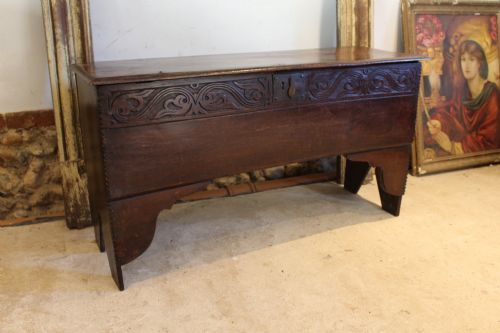
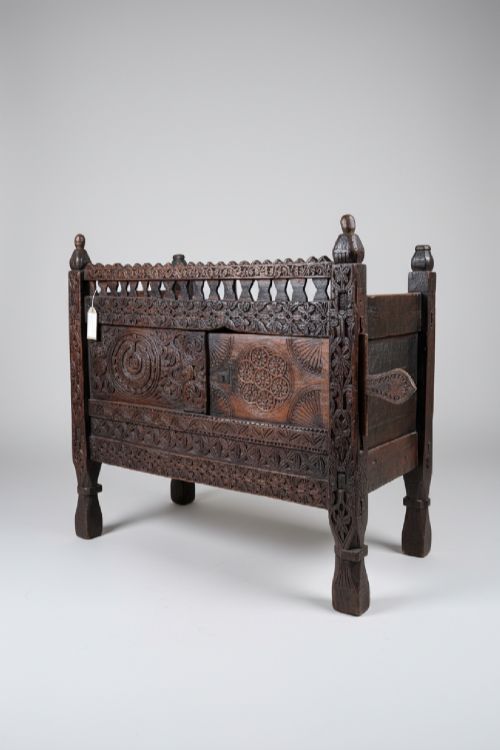


Carved Timber Coffer
A carved timber coffer provides sturdy household storage, bringing centuries of joinery and domestic history into a room.
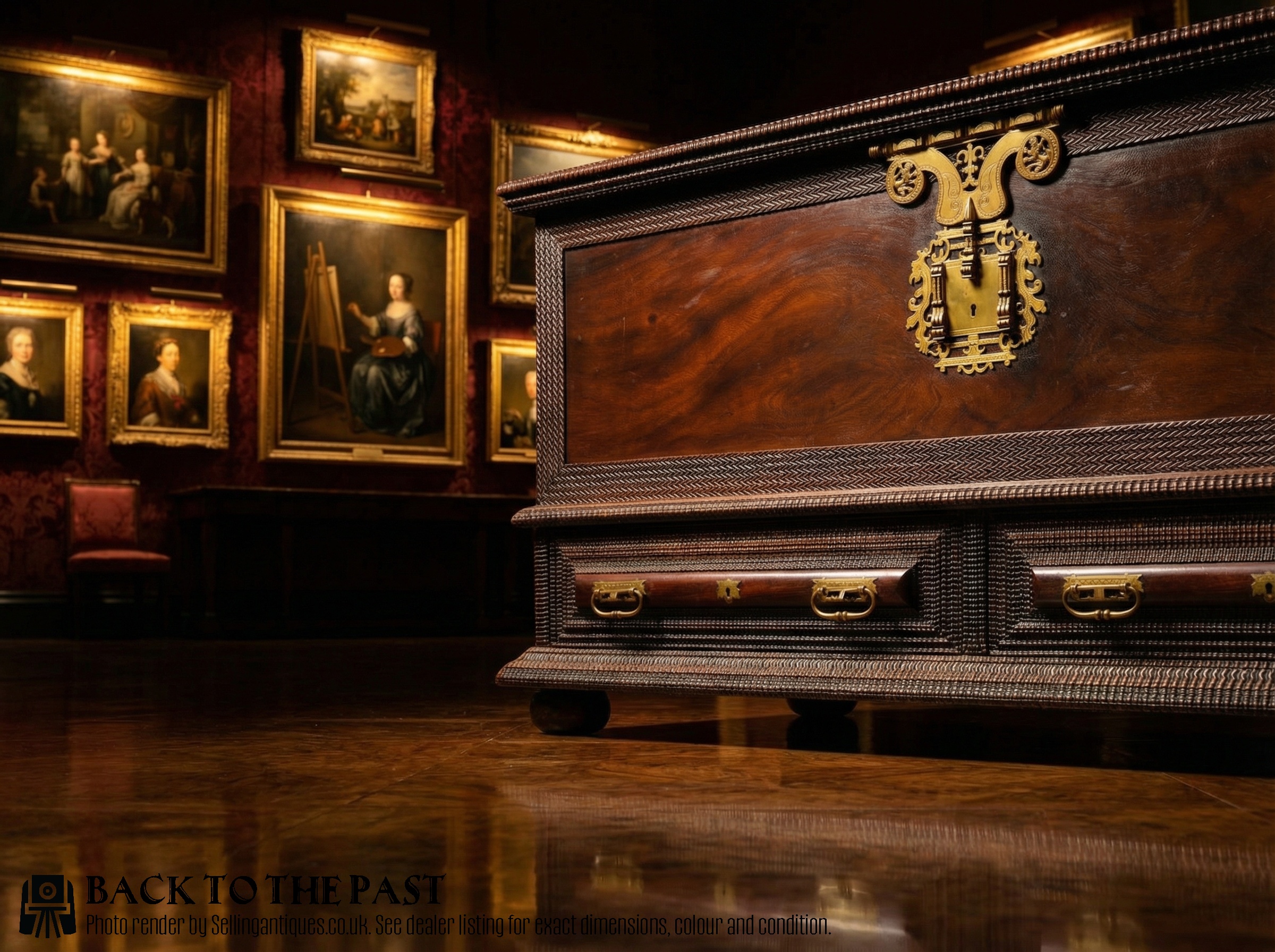
Carved Timber Coffer
A carved timber coffer is a heavy storage chest built to hold household goods, textiles, and valuables across centuries of domestic life. These pieces serve as functional storage and historical furniture found in various regional traditions.
The versions most likely to appear on this page include sturdy oak examples from the sixteenth and seventeenth centuries alongside nineteenth-century camphor wood and hardwood trunks from global workshops.
Makers ranged from provincial English carpenters utilising local elm and oak to craftsmen shaping exotic woods in colonial and export markets.
How they were made
Construction relies heavily on solid oak, elm, fruitwood, and imported teak or camphor wood joined with traditional pegged framing or simple six-plank assemblies.
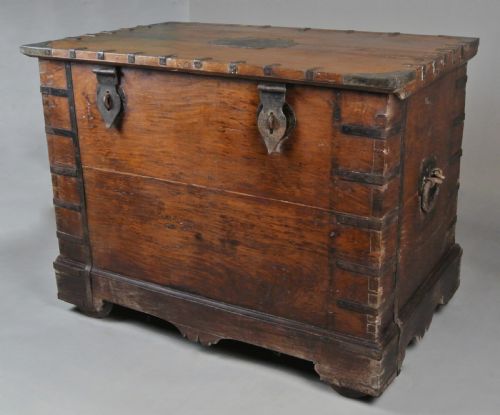
Iron and brass hardware such as strap hinges, heavy locks, and corner brackets provide structural reinforcement and security for large storage chests.
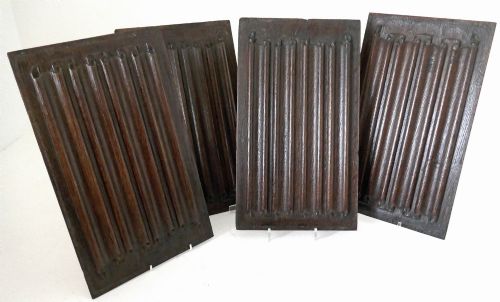
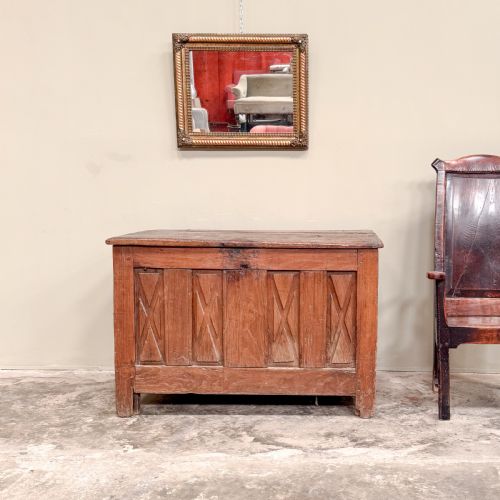
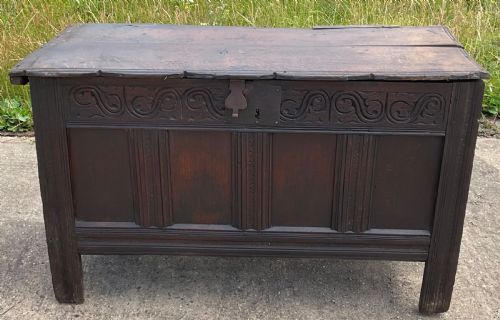
Carving techniques include linenfold panels, geometric punchwork, and deep relief carving depicting flora, fauna, and regional motifs.
Carved Timber Coffer Retail Price Guide 2026
Typical asking prices for carved timber coffer among the pieces listed under this phrase on Sellingantiques today, from the lower quarter to the upper quarter. They describe what is for sale here now, not the wider market.
One historical panel preserves the curious depiction of a chicken thief frozen in timber.
What varies in quality
Quality rests upon the integrity of the timber selection, the crispness and depth of the hand carving, and the survival of original structural joints.
Pieces retaining their early iron hinges, original lids, and uncompromised board thickness command greater appreciation among collectors than those altered by later repairs.
The Carved Timber Coffer Glossary
- Coffer
- A large wooden chest traditionally used for storing valuables, documents, or garments. These sturdy boxes often feature hinged lids and heavy iron or brass fastenings.
- Linenfold
- A style of relief carving popular in the Tudor period that imitates folded linen cloth. This design appears frequently on sixteenth-century oak panels and coffer fronts.
- Dowry chest
- A storage trunk prepared for a bride to hold her household linens and personal possessions prior to marriage. Examples appear across various nineteenth-century regional traditions including Indian and Swat Valley workshops.
- Six plank
- A primitive box construction method utilising six individual boards joined simply at the edges. Welsh Gower examples often employ this straightforward technique.
Carved Timber Coffer: Frequently Asked Questions
What did people store in a coffer?
Historically, households utilised these heavy chests to secure valuable textiles, church plate, documents, and personal clothing. Their robust construction kept contents safe from dampness and theft.
Over time, these pieces transitioned from general security furniture to decorative blanket boxes and storage furniture in domestic parlours and bedrooms.
How do I date an oak coffer?
Dating relies on observing construction methods, such as joined frame-and-panel techniques versus simpler board assemblies. Tool marks and ironwork styles also offer clear indicators of period origin.
Stylistic motifs like linenfold carving or geometric Jacobean moulding help narrow down the century of manufacture.
Are camphor wood chests waterproof?
Camphor wood naturally repels insects and dampness due to its aromatic oil content, making it ideal for storing woollens and linens. While resistant to moisture, these chests are not entirely waterproof.
Nineteenth and twentieth-century trade chests used this dense wood primarily to protect garments during long sea voyages.
Where were these trunks made?
The listings demonstrate a wide geographic spread, originating from English provincial workshops, Spanish estates, and French regions. Other pieces hail from distant trade hubs including China, India, and the Swat Valley.
Local timber availability and regional carving styles heavily influenced the distinct appearance of each box.