


Carved Timber Architectural Element
A carved timber architectural element brings tactile history into a room, offering genuine structural fragments fashioned by hand centuries ago.
Carved Timber Architectural Element
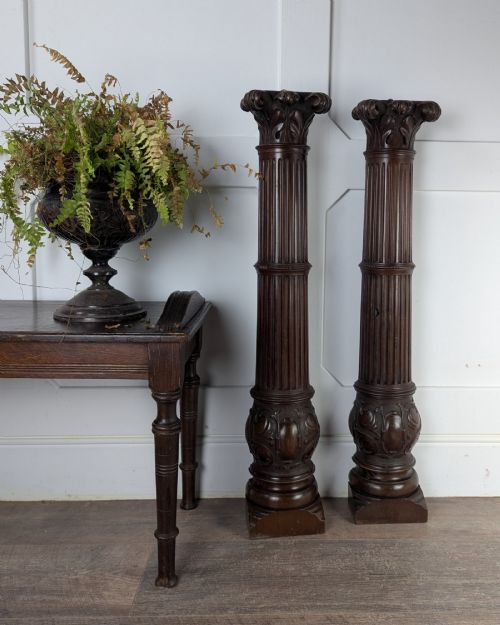
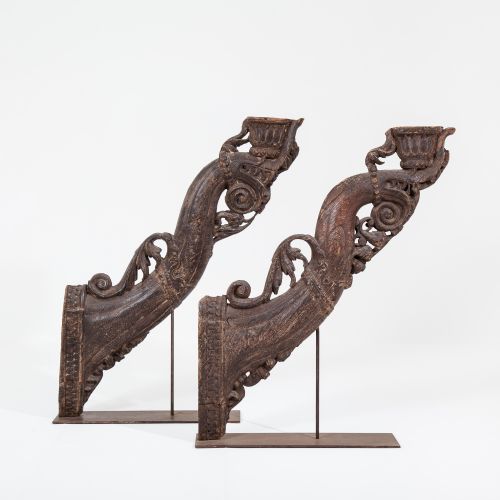
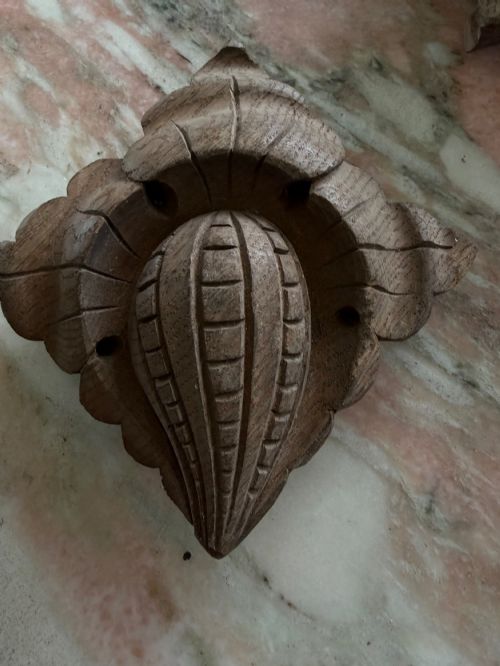
A carved timber architectural element comprises fragments rescued from older buildings, ranging from ceiling boss panels and gothic tracery to roof decorations and carved columns. These pieces carry the physical marks of historical buildings, shaped by hands working generations ago.
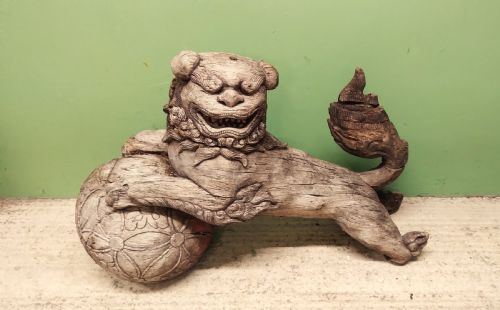
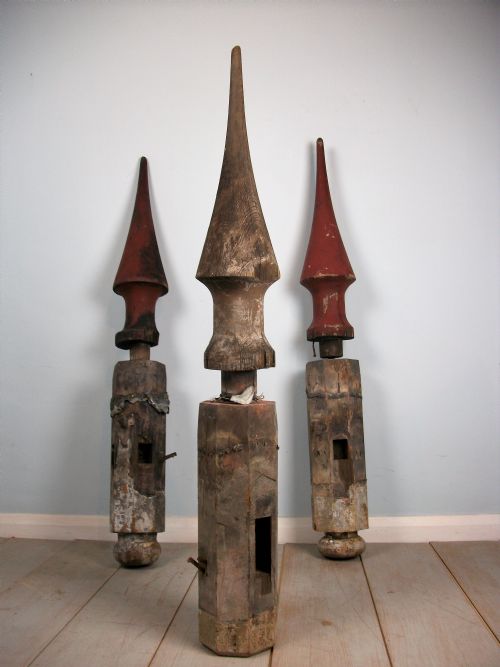
The items found here stretch across multiple centuries, starting from the sixteenth century and moving through the seventeenth, eighteenth, and nineteenth centuries. Regional origins vary widely, encompassing traditional Indian carvings, Chinese temple guards, French château finials, and English oak work.
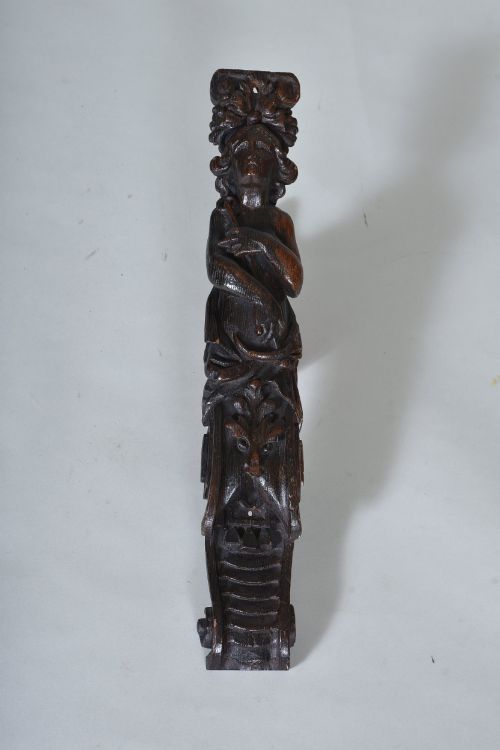
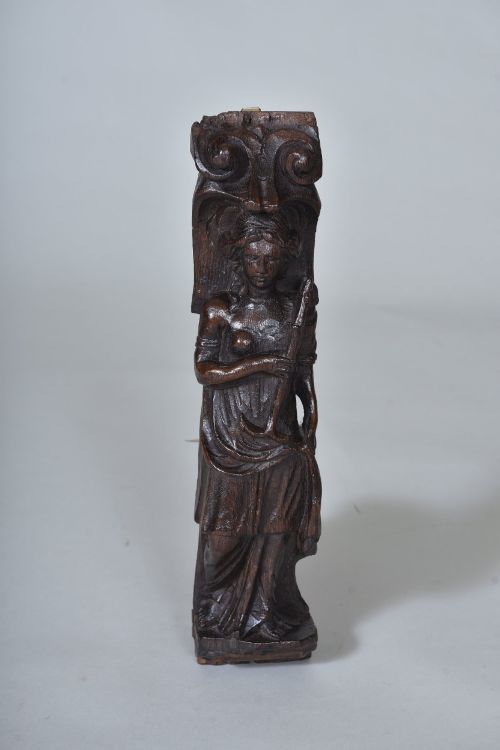
Forms span from functional supports like brackets and half columns to purely decorative items such as lion and tiger heads, caryatids, and architectural fragments. Buyers typically encounter substantial wooden panels, corbels, and figural sculptures ready for display or integration into interior schemes.
Materials and construction methods
Makers relied primarily on dense hardwoods such as oak, walnut, mahogany, and pine, selecting timber capable of holding crisp details under the chisel. Iron components occasionally appear alongside the wood in structural fragments and mounted elements.
Carvers utilised hand tools to shape timber directly from the log, employing deep relief carving, piercing, and turning techniques depending on the regional tradition. Surface treatments varied from plain dark oak and stained hardwood to gilded applications on walnut and pine.
Carved winged griffins and fierce tiger heads wait quietly to peer down from modern living room walls.
Judging quality and depth of carving
Quality rests upon the crispness of the chisel work and the anatomical precision achieved in figural subjects such as caryatids, griffins, and animal heads. Superior pieces display fluid movement and confident depth that distinguish master workshops from standard production.
The integrity of the surviving timber and the proportion of original material remaining intact dictate the standing of an architectural fragment. Elements retaining their original surface patination and uncompromised structural joins command greater appreciation among collectors.
Luigi Frullini
The Carved Timber Architectural Element Glossary
- Caryatid
- A carved human figure serving as an architectural support in place of a column or pilaster. These sculptural figures often support entablatures with severe or classical expressions.
- Finial
- A decorative ornament terminating the peak of a spire, gable, or architectural canopy. French examples frequently crown structural timbers with distinctive profiles.
- Corbel
- A structural piece of stone, wood, or metal projecting from a wall to carry a weight. Wooden variants carry intricate carvings of foliage, figures, or animal heads.
- Tracery
- Architectural stone or timberwork forming decorative patterns in the upper part of a Gothic window or panel. Wooden tracery displays complex geometric openwork.
- Ceiling Boss
- A knob or central projection where ribs of a vaulted ceiling meet. These circular wooden panels often feature central floral or figural carvings.
Carved Timber Architectural Element: Frequently Asked Questions
How do I mount a heavy wooden architectural panel safely?
Heavy architectural fragments require secure fixing directly into wall studs or masonry using appropriate metal brackets hidden behind the timber frame. Distributing the weight evenly prevents stress on ancient joints and fragile carved sections.
Consulting a professional installer ensures the chosen mounting method matches the specific weight and grain structure of hardwoods like oak or walnut.
Can these architectural elements be used outdoors?
Most historic carved timber elements were created for sheltered interior environments and lack resistance to persistent moisture and frost. Placing them outside can cause rapid degradation of the wood and loss of fine surface detail.
Exposing antique walnut, pine, or oak to extreme weather variations accelerates splitting and destroys centuries of natural patination.
How do I clean historic carved timber without damage?
Gentle dusting with a soft, dry brush removes surface particles from deep recesses without disturbing the patina built up over centuries. Avoid water, liquid detergents, or modern furniture polishes that can sink into unsealed wood and darken the surface.
Maintaining a stable indoor humidity level prevents the timber from drying out or expanding, which preserves structural integrity in old carvings.
What indicates an eighteenth century walnut carving?
Eighteenth century walnut carvings typically display rich, warm grain patterns combined with deep, confident undercutting executed by skilled hands. The wood surface often exhibits a mellow sheen developed through handling and age.
Comparing the tool marks and proportions against known regional styles helps confirm the period of origin for items like lion heads and brackets.