


Antique Allegorical Carving
These antique allegorical carving pieces are symbolic figures and reliefs in wood, marble and silk that bring classical meaning into a room.
Antique Allegorical Carving
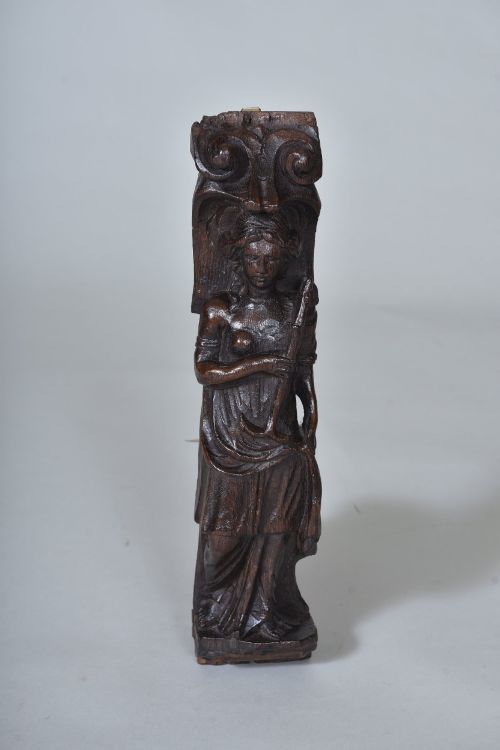
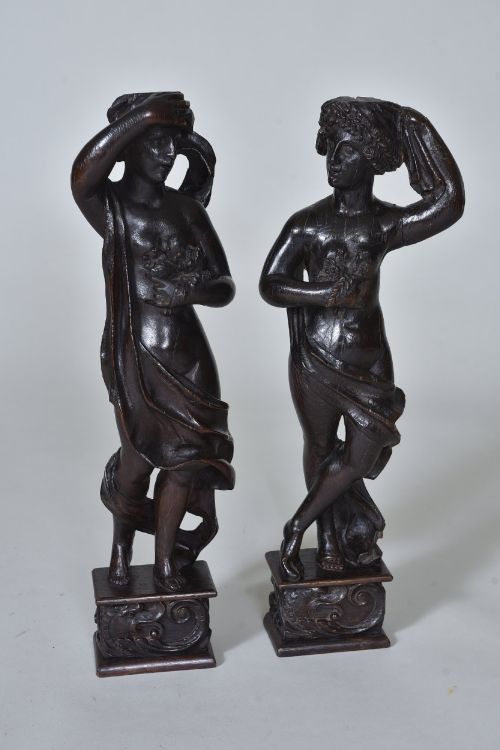
An antique allegorical carving presents personified concepts, virtues or mythological narratives through sculpted forms in wood, marble or textile. When exploring this category, buyers frequently encounter heavy oak panels and figural sculptures rooted in seventeenth, eighteenth and nineteenth century traditions.
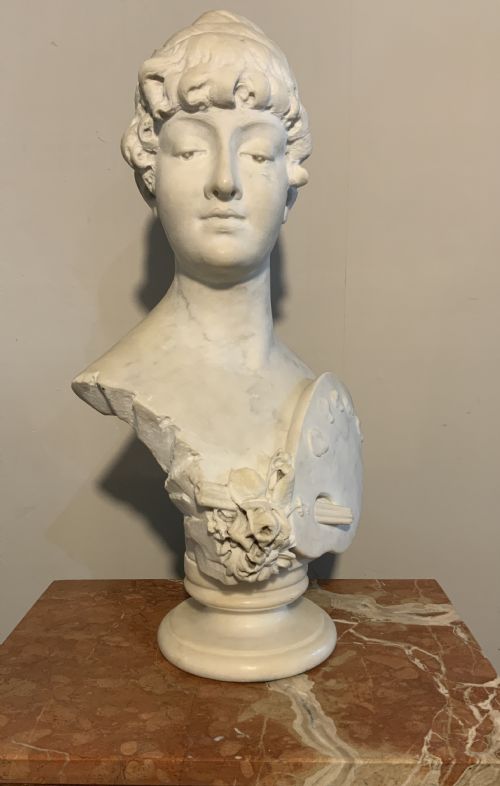
The objects on this page range from architectural fragments and wall clocks to framed embroideries and freestanding marble statues. Pieces such as female figures bearing symbols or classical busts dominate the selection, crossing stylistic boundaries from Jacobean severity to French Baroque revival and neoclassical elegance.
Dating ranges from the seventeenth century through to the early twentieth century, offering both dark timber reliefs and crisp white stone. Each piece carries a specific symbolic language that rewards close inspection by those interested in historical iconography.
Materials and construction
Makers shaped these works primarily from dense hardwoods like oak, alongside softer alabaster and Carrara marble for sculptural pieces. Timber elements were hand-chiselled from solid blocks, leaving tool marks that reveal the rhythm of the carver's hand across seventeenth and eighteenth century panels.
Stone sculptures relied on precise chisel work and abrasive polishing to define drapery and facial expressions, as seen in nineteenth century examples. Textile works employed silk and metal thread embroidery on canvas to render allegorical scenes with flat, decorative brilliance.
One exceptional nineteenth-century piece records the passage of time simply as the Clock of the Universe from a French château.
Judging quality and execution
The finest examples display a deep understanding of human anatomy and drapery, where folds of fabric appear soft despite the rigidity of wood or stone. Lesser pieces rely on stiff, formulaic proportions and shallow detailing that obscure the narrative intent of the allegory.
Surface preservation dictates much of the appeal, with original patinated timber outperforming stripped or heavily restored wood surfaces. Crisp edges on marble and well-defined metal thread in textiles separate master workshops from routine output.
Toussaint Gelton·Pugi
The Antique Allegorical Carving Glossary
- Allegory
- A representation of an abstract idea through concrete forms, figures or narrative scenes. This underlying symbolism is the defining trait of the entire category.
- Carrara marble
- A type of white or blue-grey marble from Italy used extensively for classical sculptures and busts. It allows for fine detail and a smooth, luminous finish.
- Jacobean
- A style of English art and architecture spanning the early seventeenth century, characterised by robust proportions and heavy ornamentation in oak. Pieces from this era often feature dark, dense grain.
- Intaglio
- A design carved into the surface of a gemstone or ring so that an impression can be raised. These miniature works often carry allegorical motifs.
- Giltwood
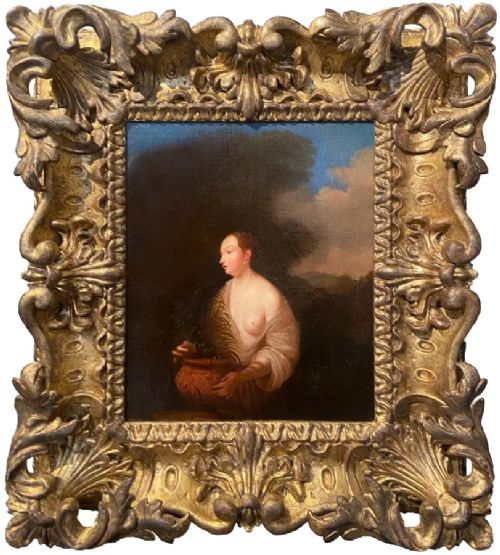
- Wood that has been coated with a thin layer of gold leaf or powder. It adds reflective brilliance to frames and sculptural details.
Antique Allegorical Carving: Frequently Asked Questions
What do these carvings typically depict?
These pieces usually portray human figures embodying virtues, emotions, classical myths or seasonal changes. Common motifs include female personifications holding symbolic objects like hearts, vases or lions.
This rich iconography allowed historic owners to display their learning and moral alignment through domestic decoration.
How should I care for wooden and stone carvings?
Wooden pieces require stable indoor humidity to prevent the timber from splitting, along with occasional dusting using a soft brush. Stone and marble sculptures benefit from gentle cleaning with a dry cloth and protection from abrasive impacts.
Keeping them away from direct heat sources ensures the materials remain stable over decades.
How do I distinguish seventeenth-century work from later revivals?
Seventeenth-century pieces typically show deeper tool marks, heavier oak construction and darker, oxidised surfaces resulting from age. Later nineteenth-century revivals often feature crisper, more mechanically refined cutting and lighter timber patination.
Comparing the joinery and wear patterns helps clarify the true age of the object.
Where were these pieces originally displayed?
Many larger wood carvings served as architectural salvage, having once been integrated into wall panelling, mantelpieces or ecclesiastical furniture. Sculptures and busts stood in libraries, hallways or private galleries as conversation pieces for educated visitors.
Smaller items like intaglio rings were worn daily as personal talismans.