


Carved Stone Vessel
These carved stone vessel pieces are solid historical items ranging from utilitarian mortars to decorative urns, shaped by hand to last centuries.
Carved Stone Vessel
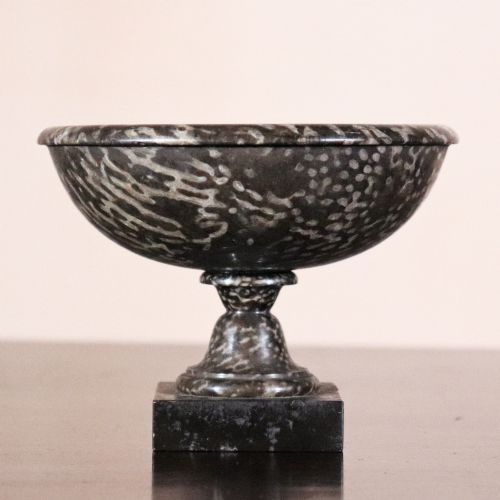
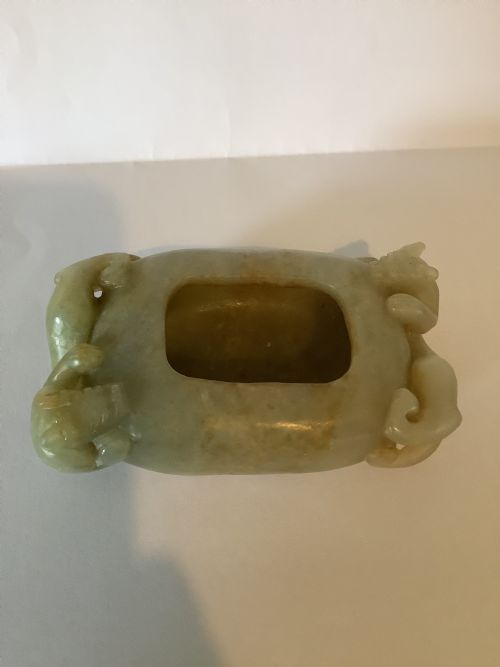
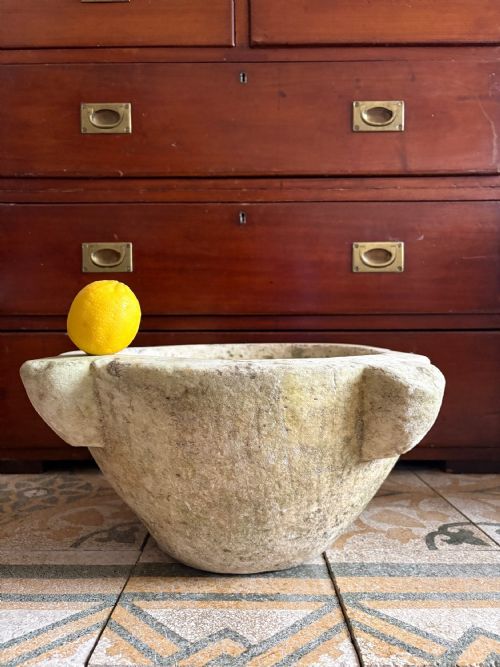
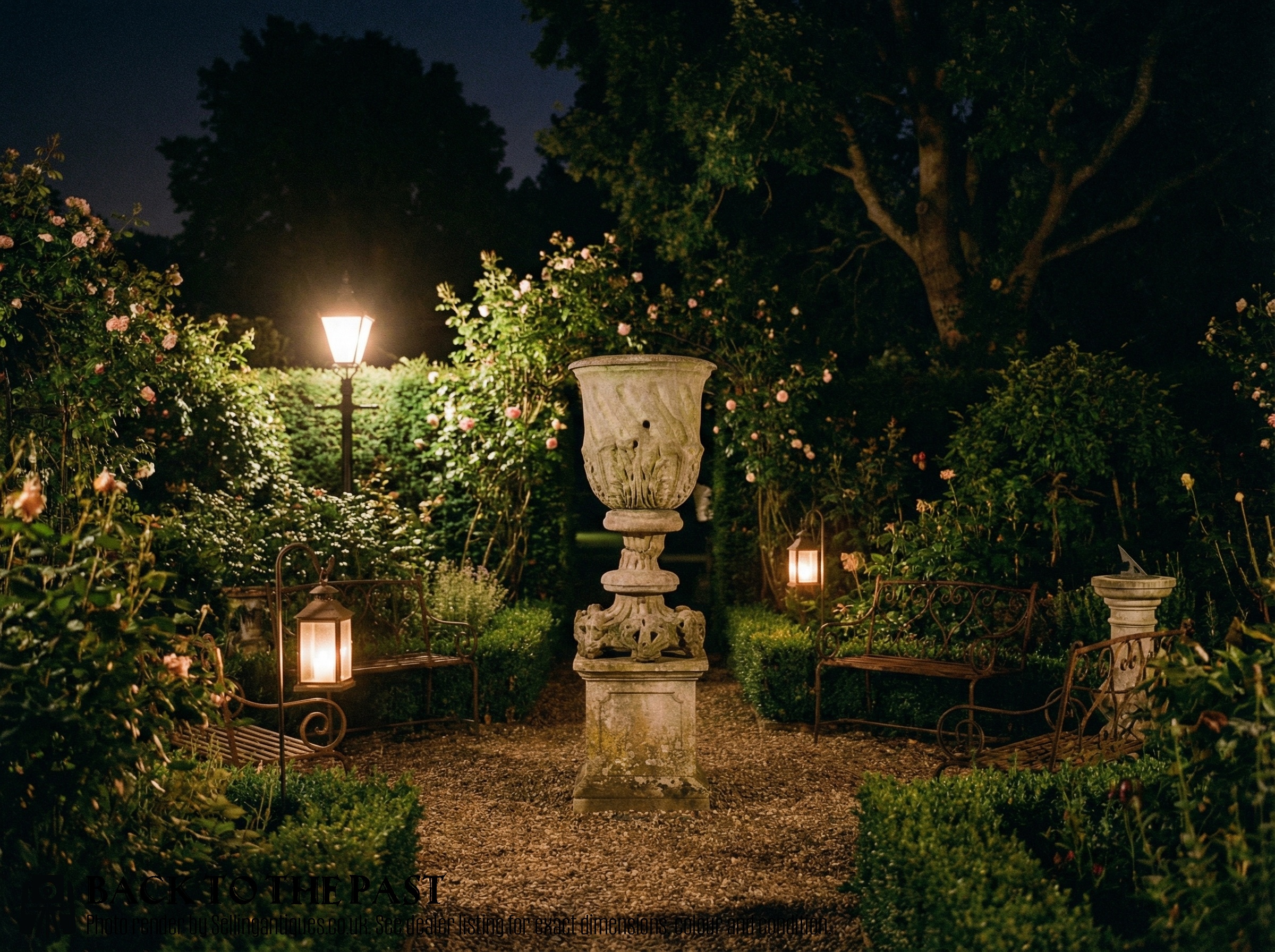
A carved stone vessel covers a diverse range of items on this page, stretching from practical kitchenware mortars to grand decorative urns and scholarly desk accessories. You will frequently encounter utilitarian 18th century stone and marble mortars alongside 19th century Grand Tour alabaster, serpentine, and malachite vases.
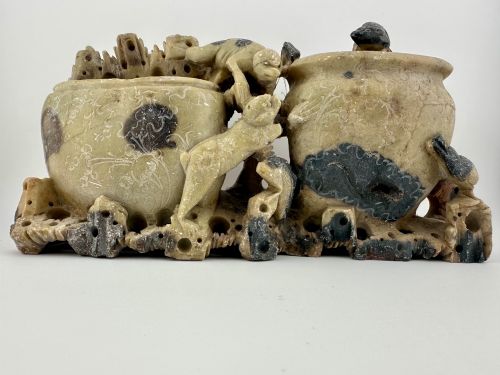
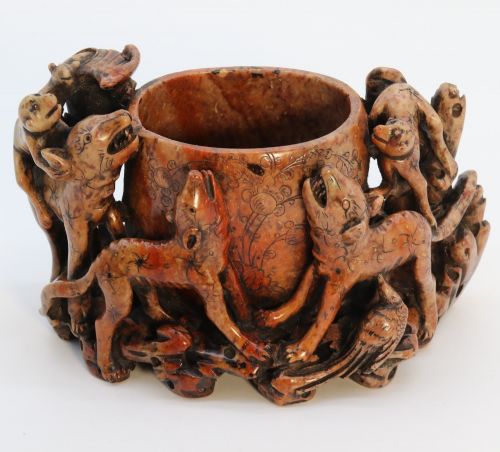
The selection also spans cultural origins, incorporating Chinese soapstone and jade brush pots alongside European garden urns and Italian Renaissance marble pieces. These objects serve both functional roots in domestic or scholarly life and purely ornamental roles across various historical periods.
Materials and methods
Makers shaped these pieces from a wide variety of materials, utilising marbles such as Ashford Coral Marble and Breccia Medicea, alongside soapstone, limestone, basalt, alabaster, serpentine, malachite, jade, and sandstone. Each stone dictates the handling method, requiring precise chisel work, turning, or abrasive grinding to achieve the desired form.
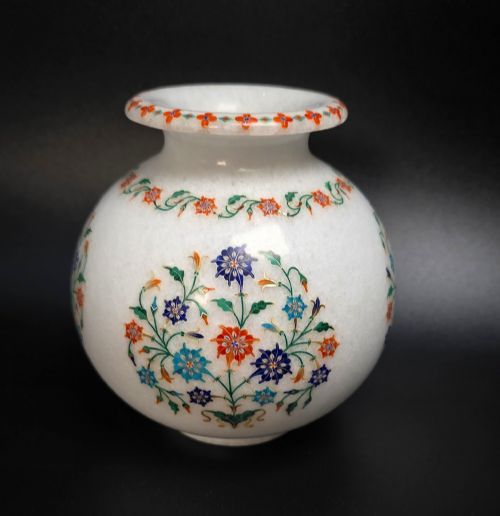
Inlaid techniques appear in specific regional examples, such as Indian pietra dura work on marble. The execution relies entirely on manual reduction and smoothing, leaving tool marks and surface variations characteristic of pre-industrial manufacture.
Carved Stone Vessel Retail Price Guide 2026
Typical asking prices for carved stone vessel among the pieces listed under this phrase on Sellingantiques today, from the lower quarter to the upper quarter. They describe what is for sale here now, not the wider market.
The listings here include items from the 16th century through to the 1920s, featuring materials such as jade, malachite, basalt, and various marbles.
Judging the work
Quality rests on the selection of the mineral and the ambition of the carving. A piece carved from variegated stones like malachite or serpentine displays a deliberate alignment with natural veining.
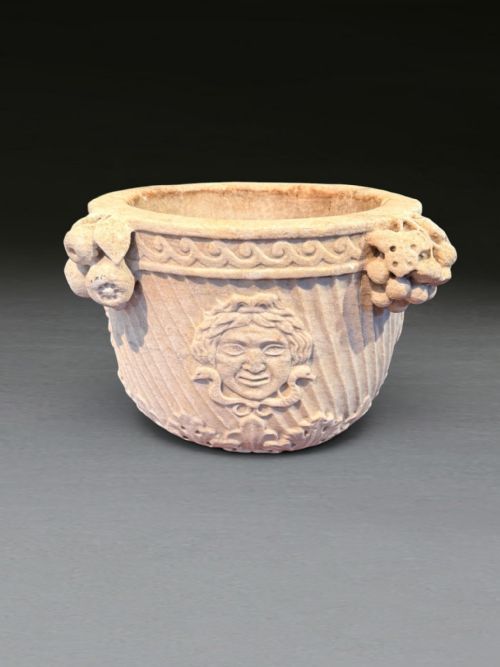
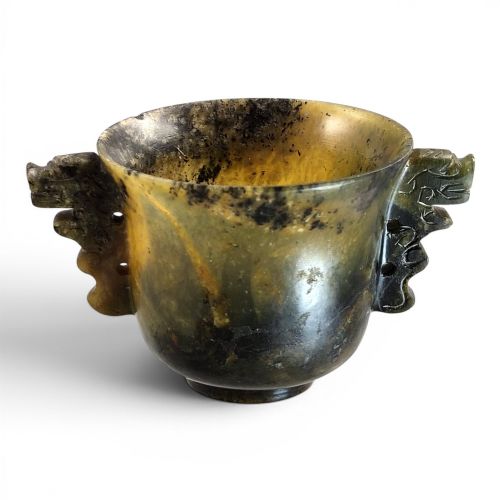
The crispness of the tool work defines the upper tier, particularly in classical motifs such as taotie handles on jade cups or neoclassical urn details. Utilitarian mortars show quality through balanced proportions and wall thickness rather than surface decoration.
The Carved Stone Vessel Glossary
- Mortar
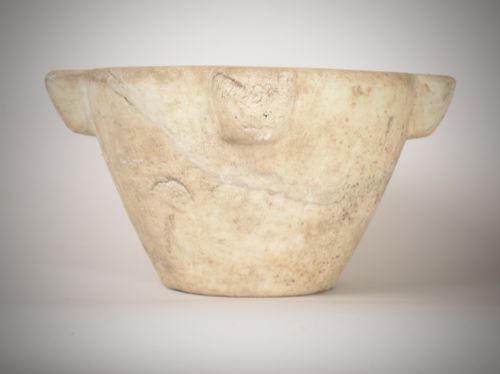
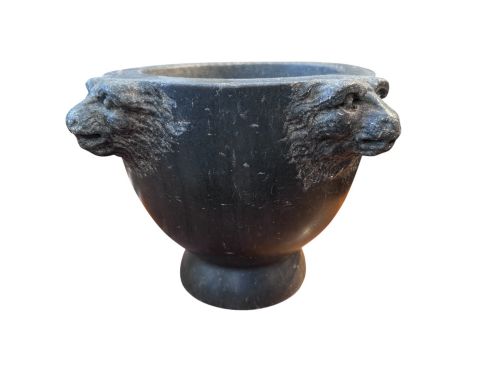
- A heavy bowl used with a pestle for grinding materials. These items frequently date to the eighteenth century and utilise dense stone or marble.
- Tazza
- A shallow saucer-like ornamental vessel on a stem and foot. Nineteenth-century examples often employ decorative minerals such as malachite or Ashford Coral Marble.
- Pietra dura
- An artistic technique utilising cut and fitted polished coloured stones to create images. This method appears on inlaid marble pieces from the Raj period.
- Archaistic
- Describing an item made in the style of a much earlier period. Chinese nephrite cups often adopt these older ritual forms.
- Grand Tour
- A cultural trip undertaken by wealthy young Europeans visiting continental antiquities. Souvenirs from these journeys include alabaster and serpentine vases.
Carved Stone Vessel: Frequently Asked Questions
What were stone mortars used for?
Stone mortars served as kitchenware and apothecary equipment for crushing, grinding, and mixing ingredients.
Their heavy stone construction provided the necessary mass and durability for daily culinary and medicinal preparation.
How do I date a marble mortar?
Dating relies on tool marks, profile design, and the specific geological type of marble used.
Earlier examples often show irregular manual chisel work, whereas later pieces exhibit more uniform turning.
How do I care for a soapstone vessel?
Soapstone is a relatively soft metamorphic rock that requires gentle handling and protection from hard impacts.
Dust with a dry cloth and avoid harsh chemical cleaners that might strip the natural surface finish.