


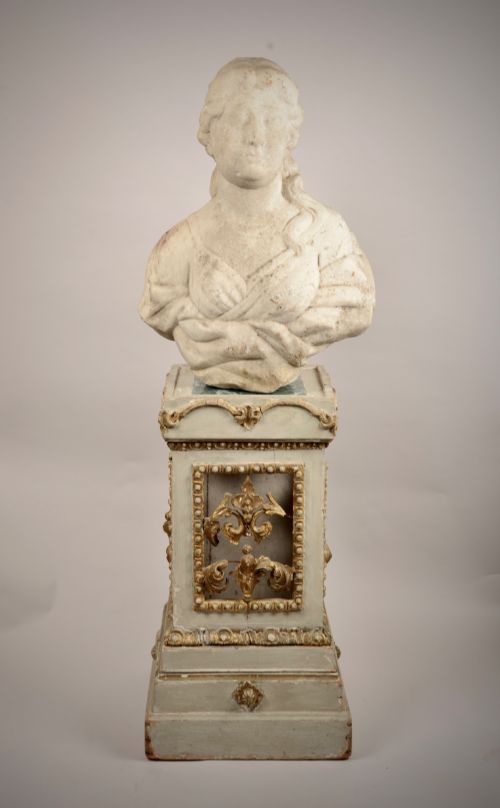


Carved Stone Female Bust
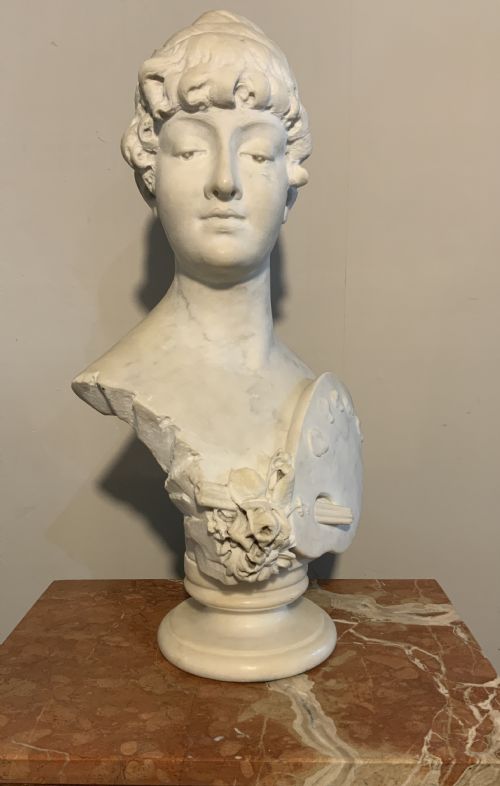
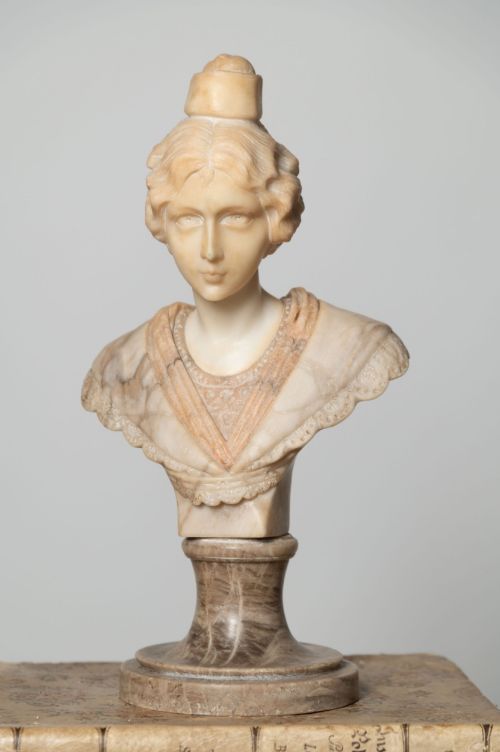
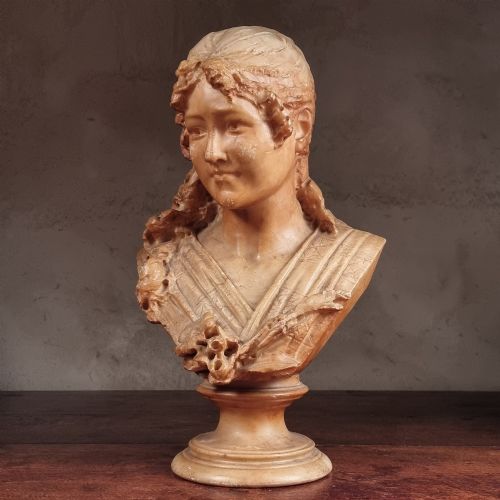
A carved stone female bust brings classical elegance to a room, offering sculpted forms shaped from marble and alabaster over centuries.
Carved Stone Female Bust
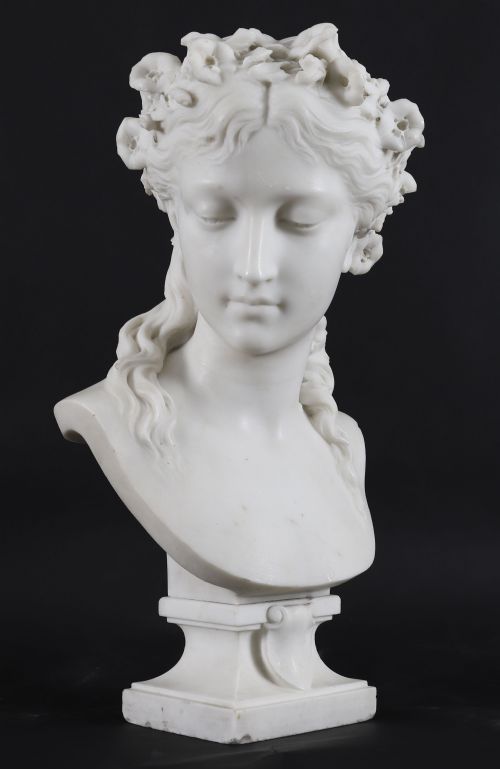
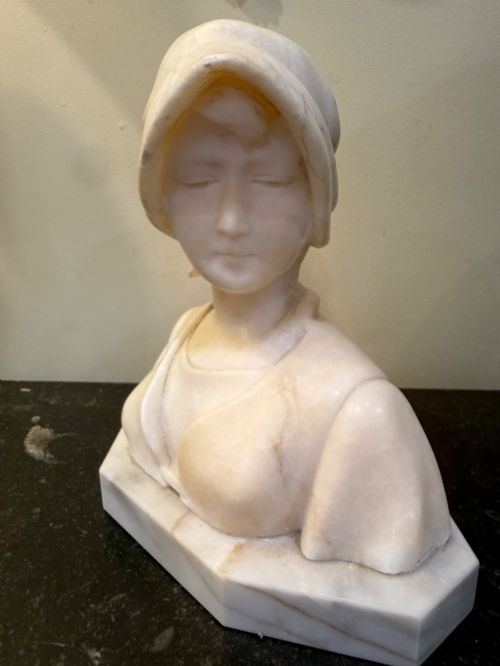
A carved stone female bust portrays women from mythology, history and portraiture, ranging from neoclassical muses to Victorian studies of young girls. When exploring a carved stone female bust on this page, the pieces you encounter most frequently date from the nineteenth century and the early twentieth century.
The selections span diverse origins, including Italian workshops, French studios and English makers. Forms vary from simple portrait heads to larger sculptural works incorporating brass elements or mixed marbles.
Materials and carving techniques
These sculptures rely primarily on marble, Carrara marble and alabaster, shaped through traditional chiselling and polishing techniques. Artisans also integrated granite and gilt accents to enhance specific details on select figures.
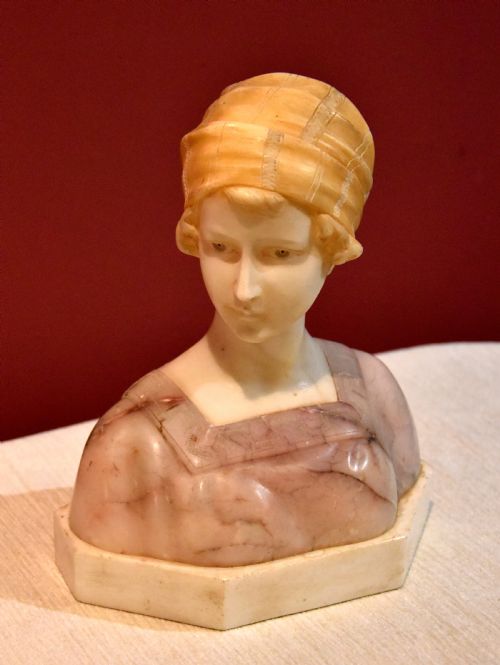
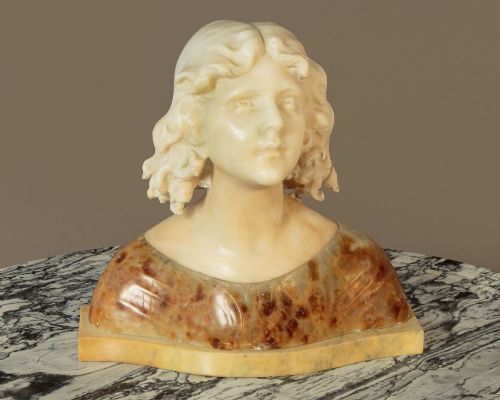
Many works combine white and mixed marble to create contrast between drapery and skin, while others utilise signed metal mounts or brass details for structural support and ornamentation.
Several Victorian ladies carved in stone share shelf space with figures of Greek muses and Dutch girls.
Distinguishing quality in sculpture
Quality rests in the precision of the carving, particularly how the stone captures facial expression, hair texture and the soft folds of drapery. Finer examples display subtle transitions in the polished surface that bring lifelike depth to the stone.
The reputation of the sculptor and the clarity of any signature or attribution heavily influence the standing of a piece. Finer works also benefit from the selection of unblemished marble or high-grade alabaster free from distracting natural inclusions.
Eugene Aizelin·Auguste Henri Carli·R. Lusili·Auguste Moreau·A. Cipriani
The Carved Stone Female Bust Glossary
- Alabaster
- A fine-grained, translucent stone often used for nineteenth-century portrait sculptures because it takes a smooth, soft polish.
- Carrara marble
- A type of white or blue-grey marble from the mountains of Carrara in Italy, prized by sculptors for its uniform grain.
- Neoclassical
- A style inspired by classical antiquity, visible in nineteenth-century busts that emulate ancient Greek and Roman art.
- Patination
- The natural ageing of a stone surface over time, which adds subtle coloration and depth to antique sculptures.
Carved Stone Female Bust: Frequently Asked Questions
How do I clean an alabaster bust?
Dust the stone gently with a dry, soft brush to remove surface particles without scratching the polished material. Avoid using water or chemical cleaners, as moisture damages porous alabaster.
Keep the sculpture away from direct sunlight and damp environments to preserve the natural finish of the stone over time.
Where were these nineteenth-century busts made?
Many originate from studios in Italy and France, where skilled artisans produced classical portraits and allegorical figures for international buyers.
English workshops also produced similar stone and marble sculptures, often influenced by continental styles and neoclassical traditions.
How can I tell marble from alabaster?
Alabaster is softer than marble and often has a translucent quality that lets light penetrate slightly beneath the surface. Marble feels harder, heavier, and displays a more opaque crystalline structure.
Testing hardness is unnecessary; visual examination of the grain and translucency typically reveals the material.
What is the difference between a bust and a sculpture?
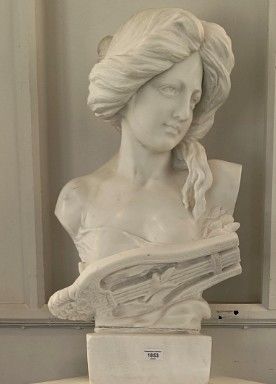
A bust specifically depicts a person from the chest, shoulders and head upwards, focusing on portraiture and expression. A full sculpture encompasses larger figurative works showing more of the body, such as a female figure playing a lyre.
Both forms share similar carving techniques and materials within nineteenth-century decorative arts.