


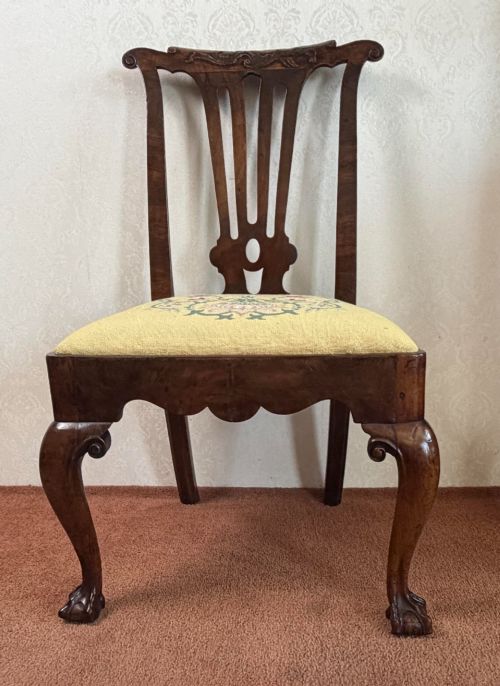
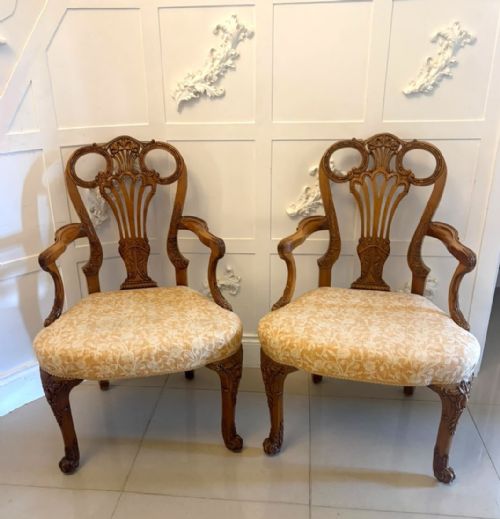
Carved Splat Desk Chair
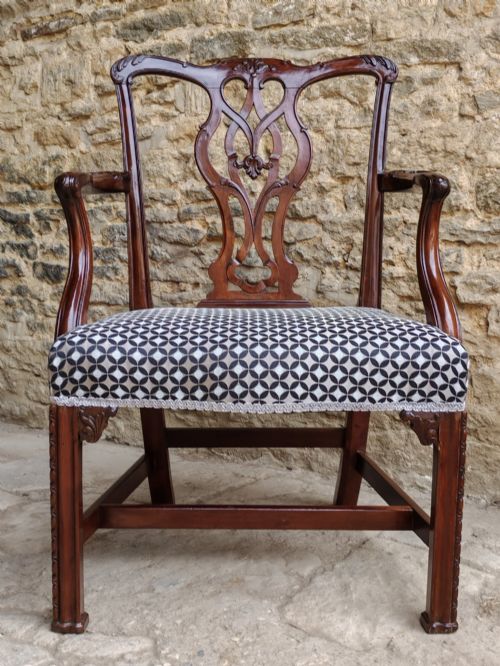
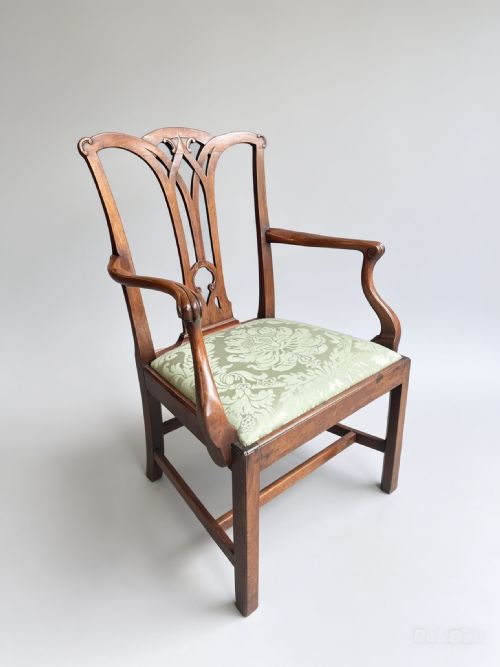
A carved splat desk chair brings solid timber and pierced uprights to the workspace, offering sturdy support through long hours of writing.
Carved Splat Desk Chair
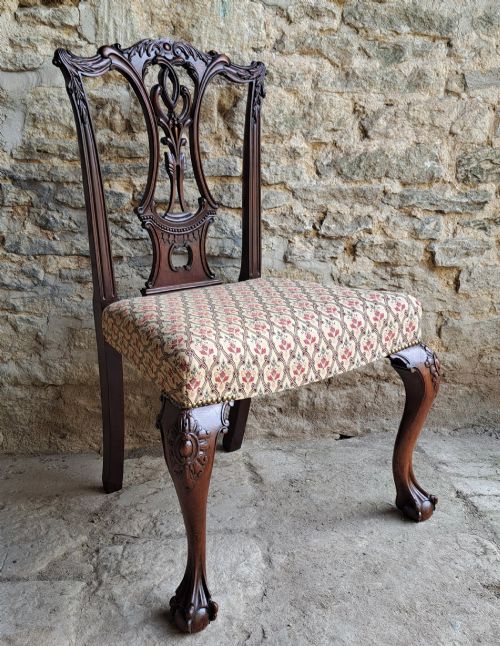
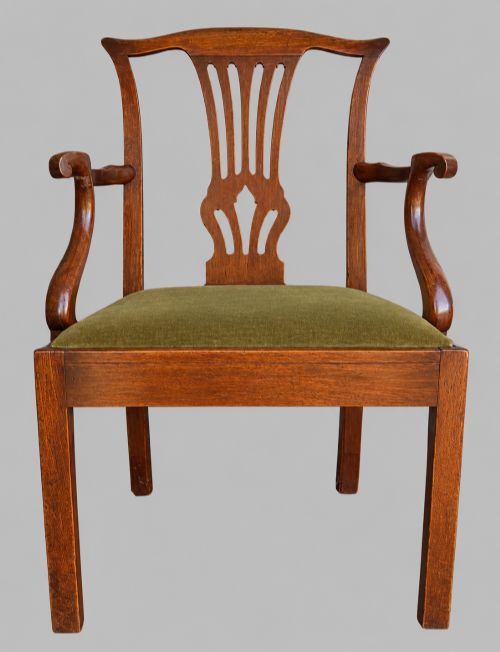
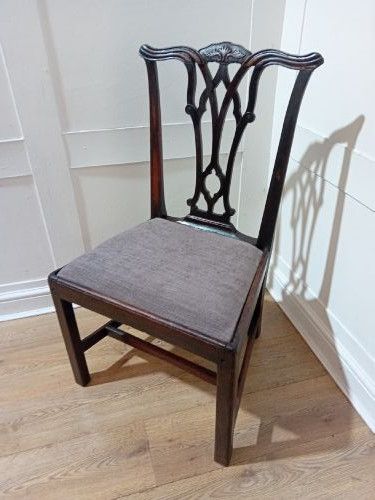
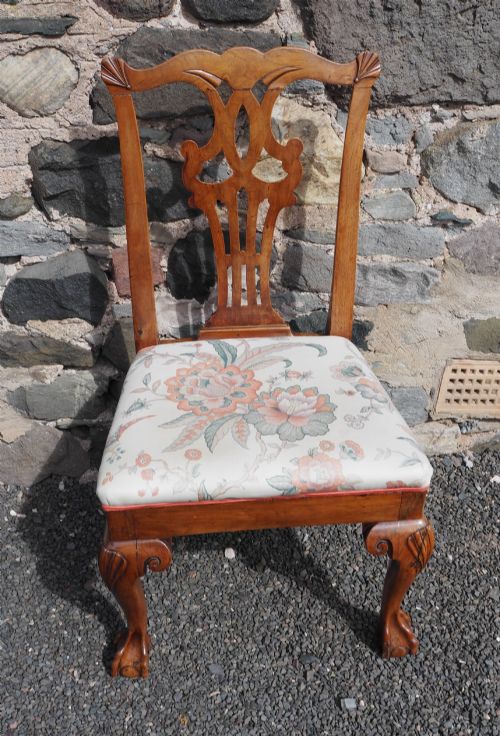
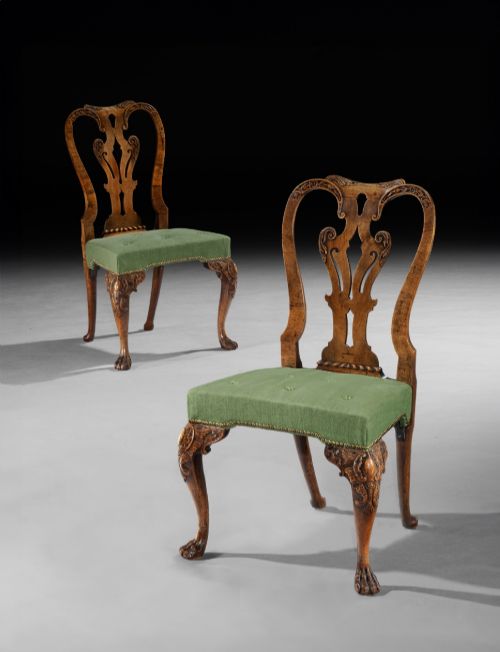
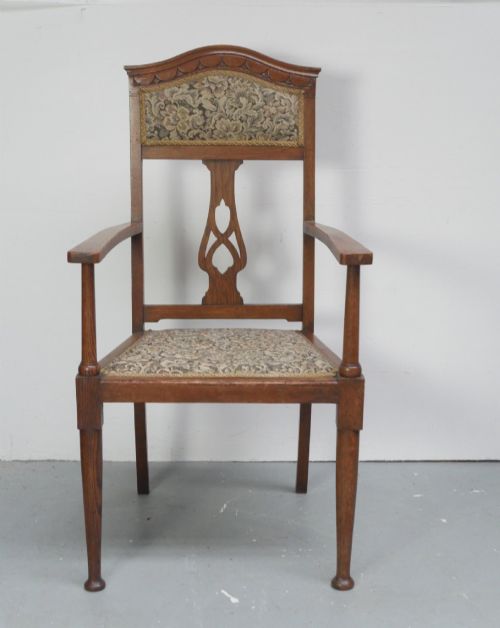
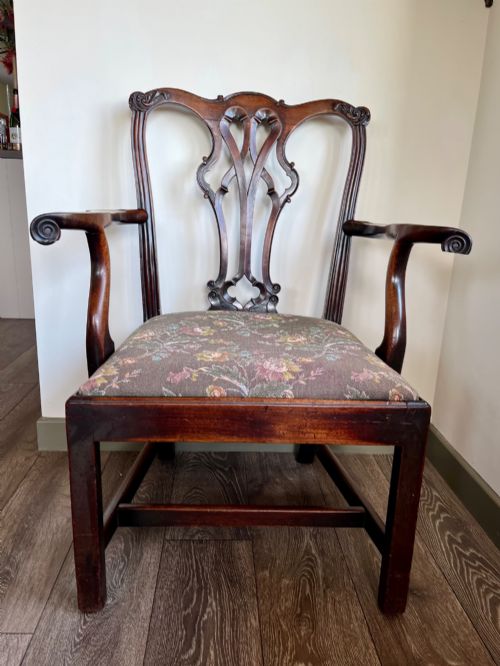
A carved splat desk chair combines a supportive seating frame with a decorative central vertical slat in the backrest, often framed by open arms or curved side supports. Buyers searching for a carved splat desk chair encounter examples spanning from the early eighteenth century through to Edwardian revivals, with Georgian and Victorian iterations appearing frequently.
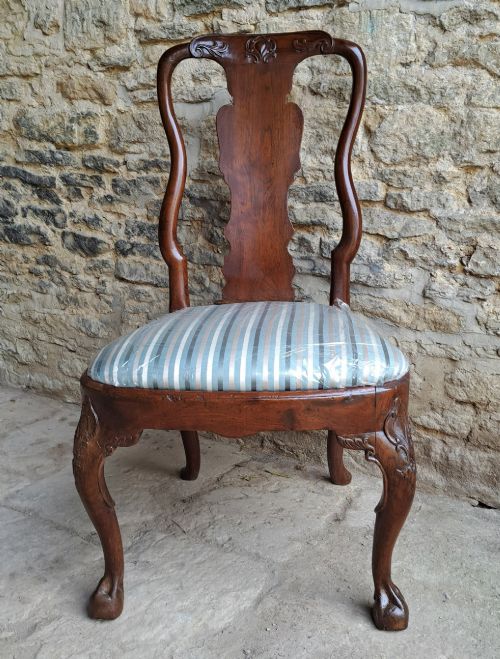
The form adapts traditional dining and parlour seating for study use, drawing on Chippendale, Queen Anne and George III design idioms. Many pieces utilise mahogany or walnut, while oak, beech and ash also emerge across the selection.
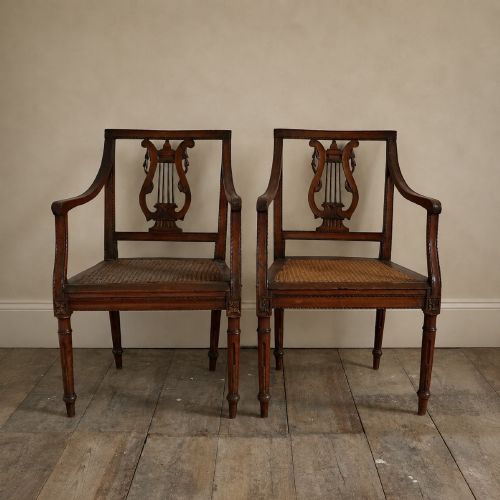
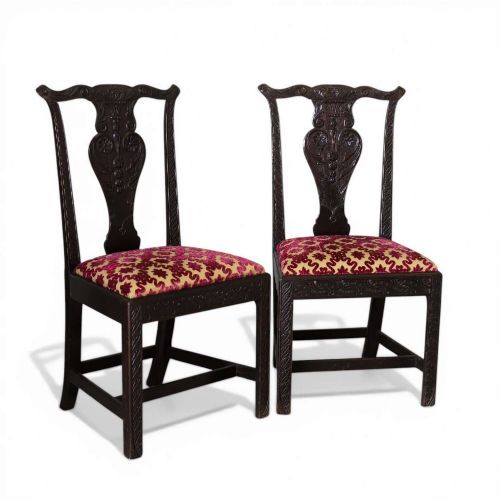
Makers shaped these seats as armchairs, side chairs and dedicated swivel desk chairs, pairing wooden frames with drop-in seats, fabric upholstery or cane panels. The central splat carries pierced or carved decoration, ranging from simple interlaced ribbons to elaborate scrolling motifs.
Materials and Construction
Cabinetmakers constructed these chairs primarily using dense hardwoods such as mahogany and walnut, alongside regional timbers like oak and ash for country seating. Timber selection dictated the depth of carving achievable on the central splat and frame.
Joinery relied on traditional mortise and tenon joints to secure the legs, seat rails and back assembly under daily weight. Seat foundations frequently utilised drop-in wooden frames padded with textile or leather upholstery, fixed webbing, or woven cane panels.
Carved Splat Desk Chair Retail Price Guide 2026
Typical asking prices for carved splat desk chair among the pieces listed under this phrase on Sellingantiques today, from the lower quarter to the upper quarter. They describe what is for sale here now, not the wider market.
Several armchairs incorporate swivel mechanisms, proving that Victorian desk workers appreciated a spin just as much as modern ones do.
Assessing Craftsmanship and Proportion
Quality rests in the crispness of the timber carving and the balance of the chair's proportions, particularly the curve of the arms and the rake of the backrest. Superior examples display deeply moulded splats and tight, uncompromised joinery that withstands the torque of a swivel mechanism or shifting weight.
The choice of primary timber significantly affects the finish, with highly figured walnut and dense early mahogany commanding attention through rich grain patterns. Secondary timbers and the condition of the original seat frame further distinguish standard production pieces from fine workshop creations.
Charles Tozer
The Carved Splat Desk Chair Glossary
- Drop-in seat
- A removable wooden frame upholstered separately and dropped into a recess in the chair rails. This construction allowed easy reupholstering without dismantling the frame.
- Cabriole leg
- A furniture leg that curves out at the knee and tapers inward to an ankle, mimicking animal limbs. It is common on walnut and mahogany pieces from the eighteenth century.
- Carver
- A traditional term for an armchair, typically designed with open arms to match a set of smaller side chairs. These often served at the ends of dining tables or beside writing desks.
- Chippendale style
- A furniture design vocabulary inspired by Thomas Chippendale pattern books, characterised by intricate fretwork, carved splats and robust cabriole or square legs.
Carved Splat Desk Chair: Frequently Asked Questions
What is a carved splat desk chair?
A carved splat desk chair is a wooden seat featuring a decorative vertical wooden slat down the centre of the backrest, adapted for writing and study environments.
These pieces draw on eighteenth and nineteenth-century furniture traditions, merging decorative joinery with practical seating proportions for the home office or library.
How do I date an antique desk chair?
Dating relies on examining the timber species, joinery methods, tool marks and stylistic details such as cabriole legs or pierced splats.
Early pieces often display dense walnut or San Domingo mahogany with hand-cut joinery, whereas later revival models incorporate nineteenth-century manufacturing techniques and machine-finished elements.
Are these chairs comfortable for daily work?
Many antique desk chairs provide surprisingly robust ergonomic support due to their supportive upright backs and generous arm clearance.
Drop-in seats and upholstered pads can be updated with modern cushioning materials to suit prolonged daily sitting without altering the wooden frame.
What is the difference between an armchair and a side chair?
An armchair includes supportive side rests for the arms, making it suitable as a standalone desk seat or a reading chair.
Side chairs omit the arms to save space, allowing them to tuck neatly beneath a writing table or group closely around a central desk.