


Carved Sculpture Pedestal
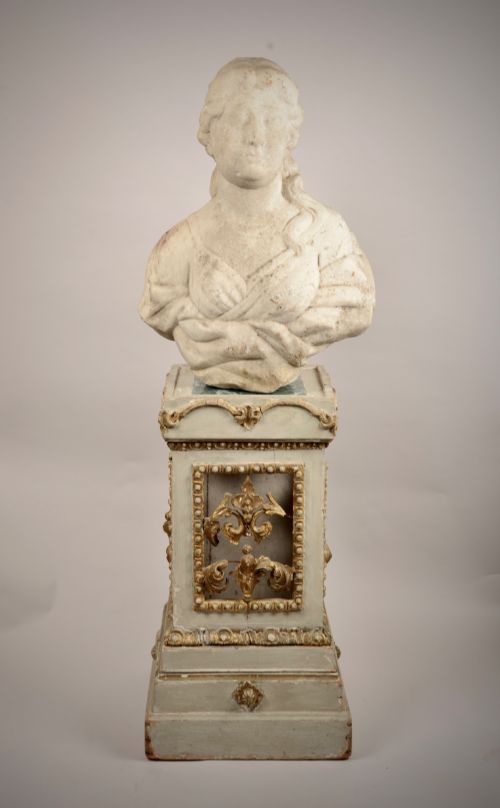
A carved sculpture pedestal raises a bust or figure into the room, bringing proportion and presence to a corner.
Carved Sculpture Pedestal
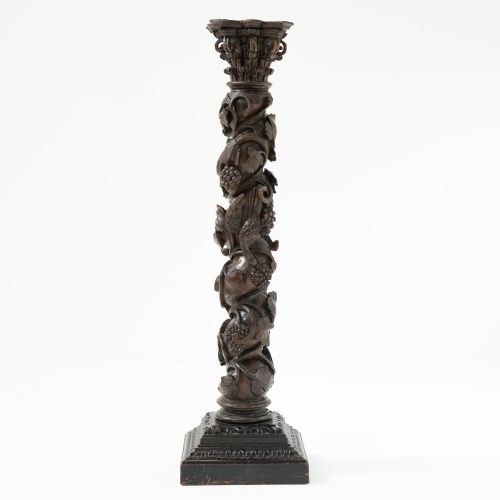
A carved sculpture pedestal acts as a structural stage for busts, urns and figures, elevating works of art to eye level within a room. When searching this phrase, buyers encounter vertical display columns, torchiere bases, and figurative stands originating from continental Europe and Britain.
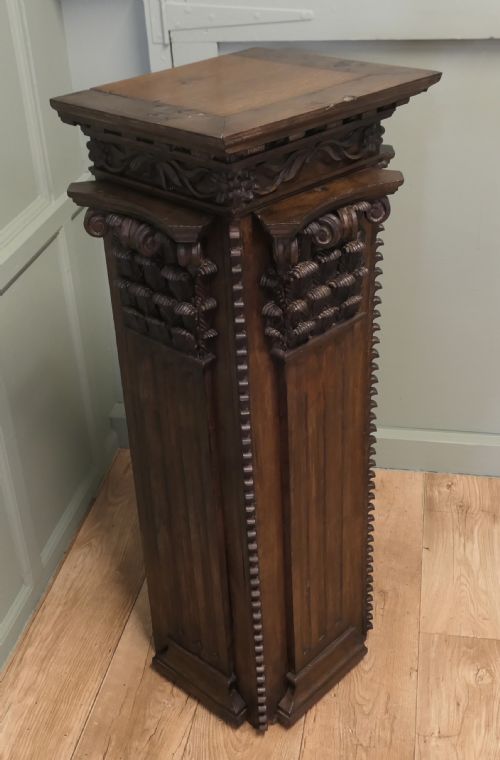
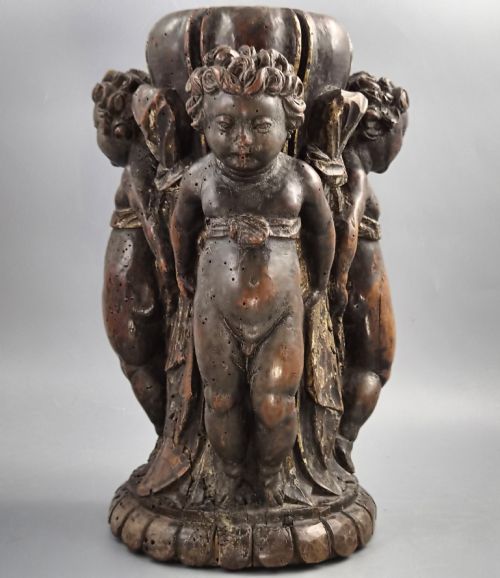
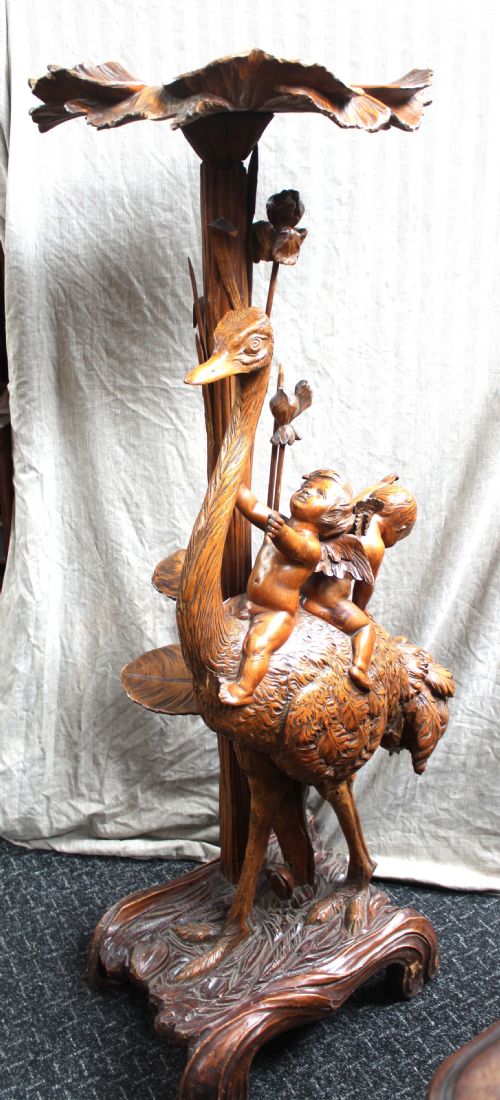
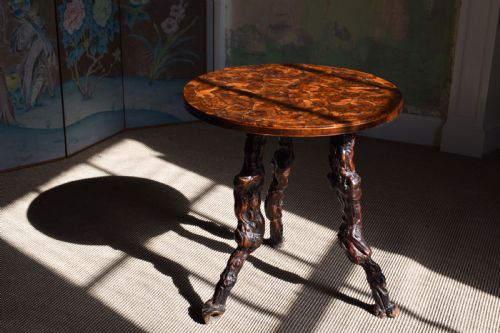
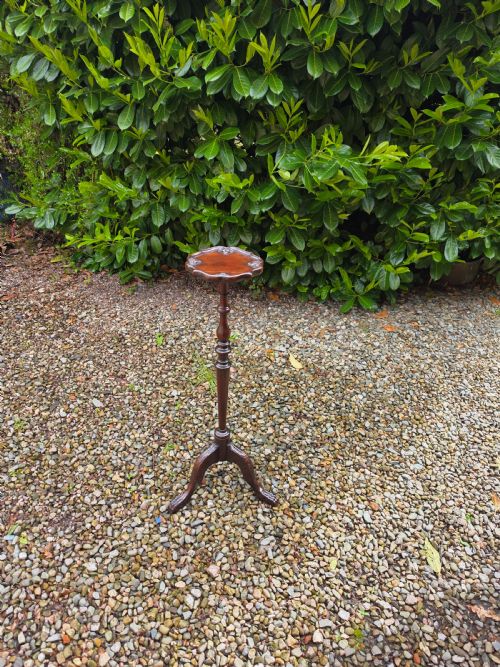
The selections span centuries, featuring 17th-century Baroque walnut columns, 18th-century triform supports, and 19th-century Italian marble shafts alongside later Edwardian mahogany stands. Forms range from simple fluted wooden columns to elaborate figures holding display platforms.
Italian workshops supply many of the classical marble columns and carved walnut figures, while French makers contribute Louis XVI style columns in variegated marbles. English country houses provide sturdy mahogany and oak stands designed for heavy display duties.
Materials and Technique
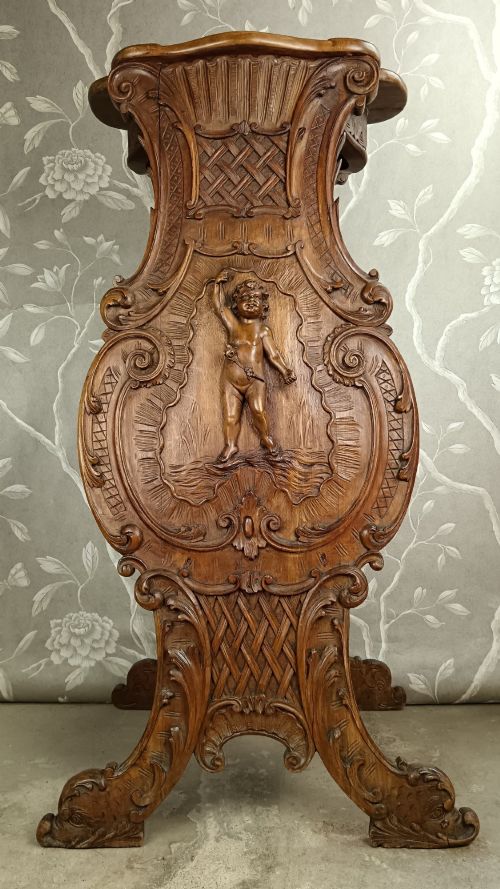
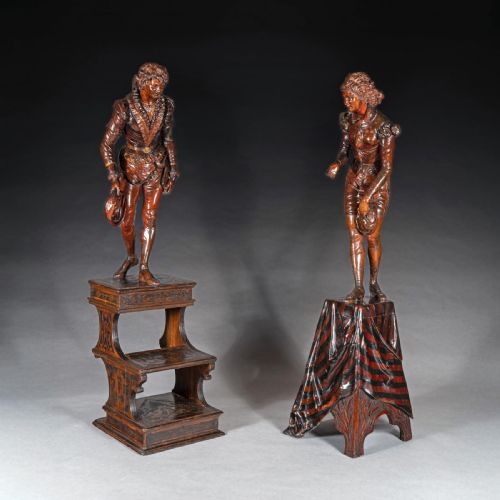
Wood is shaped through deep carving, turning and joinery, utilising timbers such as oak, walnut and mahogany. Craftsmen apply gesso and gold leaf to highlight carved details like acanthus leaves and fluting, while others finish surfaces with polychrome paint or lacquer.
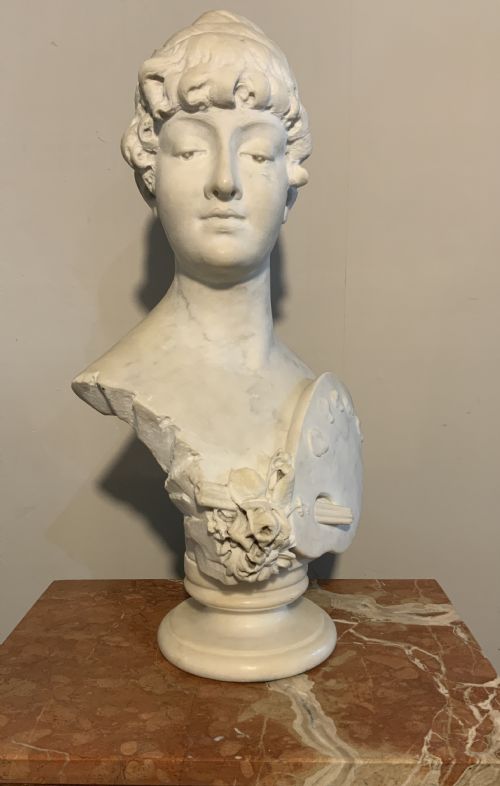
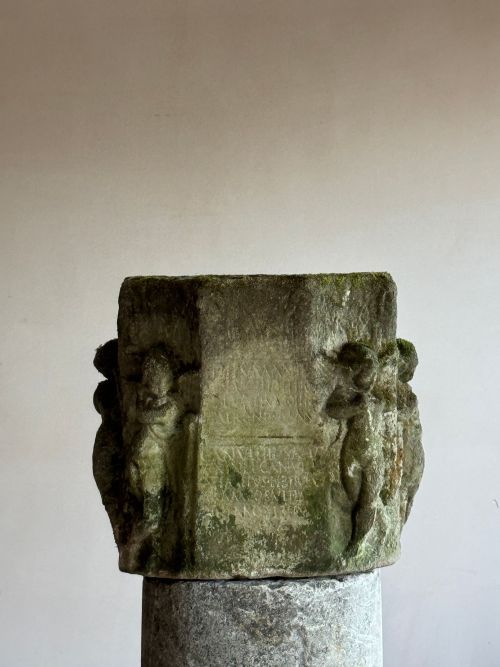
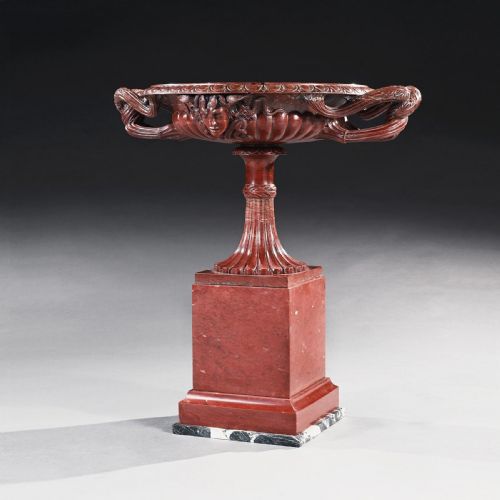
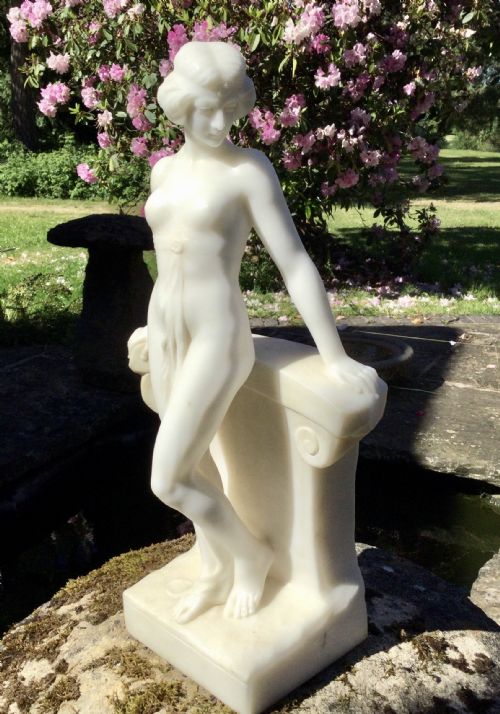
Stone pedestals utilise various marbles, including Carrara, Rosso Antico and Verde Antico, alongside cast stone and sandstone. Masons turn cylindrical columns on lathes and hand-carve capitals, lions' paws and architectural mouldings to support weighty marble busts.
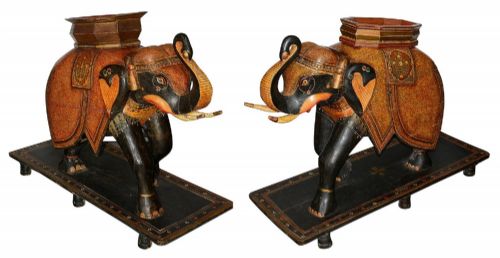
Several pieces feature carved animals holding up the display surface, including crouching elephants, stone lions, and eagles with outstretched wings.
Evaluating the Pieces
Quality rests in the crispness of the carving and the cohesion of the material, whether the deep relief of walnut acanthus foliage or the natural veining of a solid marble column. Superior pieces show confident hand-tooling rather than soft, mechanical smoothing.
Proportion and stability dictate utility, as a well-balanced base safely bears the weight of a heavy stone bust without leaning. The integrity of the surface finish, from original gilding to aged polish, preserves the visual character intended by the maker.
Benedetto Boschetti·Valentino Besarel·John Wenlock Rollins
The Carved Sculpture Pedestal Glossary
- Torchiere
- A tall stand or floor lamp originally designed to hold a torch or candle. These slender pedestals often feature decorative carving at the top or base.
- Triform
- Having three sides or a triangular base. This configuration provides steady floor support for tall columns and display stands.
- Gesso
- A plaster-like mixture applied to wood surfaces as a base for painting or gilding. It allows craftsmen to model sharp relief details before applying gold leaf.
- Carrara marble
- A white or blue-grey marble quarried in the city of Carrara in Tuscany. Sculptors and masons favour this stone for classical busts and architectural columns.
- Blackamoor
- A decorative figurative carving depicting a person of colour, frequently serving as a stand, torchiere, or figure supporting a tray. These pieces date primarily to the Venetian tradition.
Carved Sculpture Pedestal: Frequently Asked Questions
What is a carved sculpture pedestal used for?
These supports elevate sculptures, urns and decorative vases to eye level in a room. They create a distinct vertical focal point in an interior scheme.
Historically, grand houses used them in halls and libraries to display classical busts and bronze figures. Today they serve the same function in domestic settings, lifting art away from floor level.
How do I choose the right height?
Consider the height of the object you plan to place on top and the overall ceiling clearance of your room. Taller columns work well in open hallways, while shorter stands suit quiet corners.
The top surface must match the base dimensions of your sculpture to ensure stable placement without overhang.
How do I care for antique wood and marble?
Dust wooden surfaces gently with a dry cloth and avoid harsh chemical polishes that can degrade older finishes. Natural wax helps maintain the lustre of antique walnut and mahogany.
Marble requires simple wiping with a damp cloth, avoiding acidic cleaners that etch the polished stone surface.
How do I tell an 18th-century pedestal from a 19th-century copy?
Examine the tool marks and construction methods used in hidden areas, as older pieces often show hand-adzed timbers or irregular joinery. Wear patterns around the base and top surface develop organically over generations of use.
Stylistic details also offer clues, with 18th-century examples often displaying heavier Baroque carving compared to later Revival interpretations.