

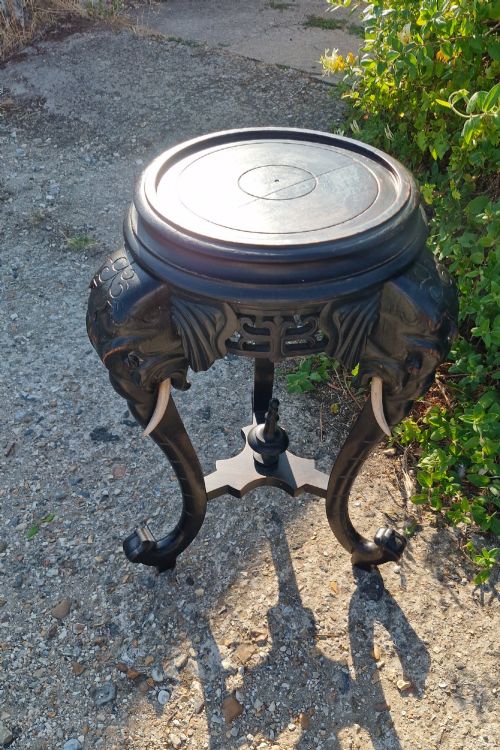
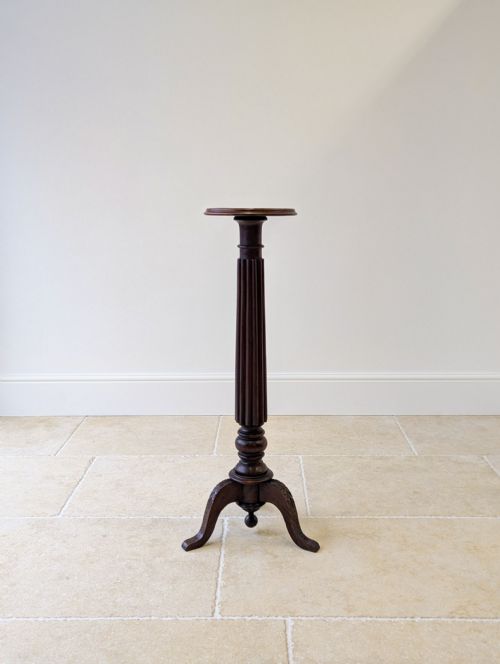
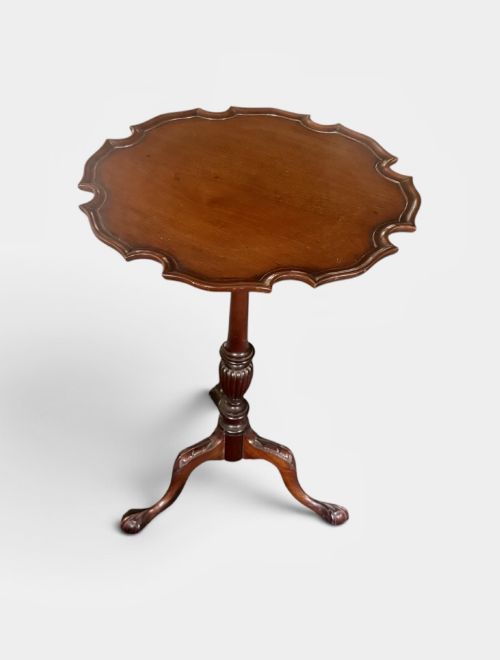
Tripod Carved Pedestal Stand
A tripod carved pedestal stand brings centuries of craftsmanship into a room, offering a sturdy base for lamps, plants, and decorative objects.
Tripod Carved Pedestal Stand
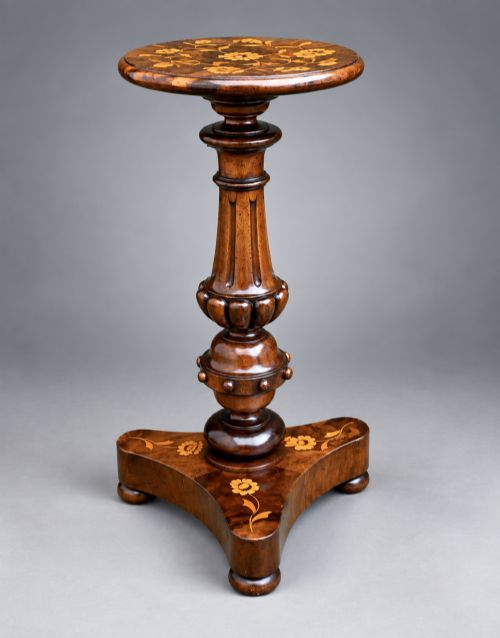
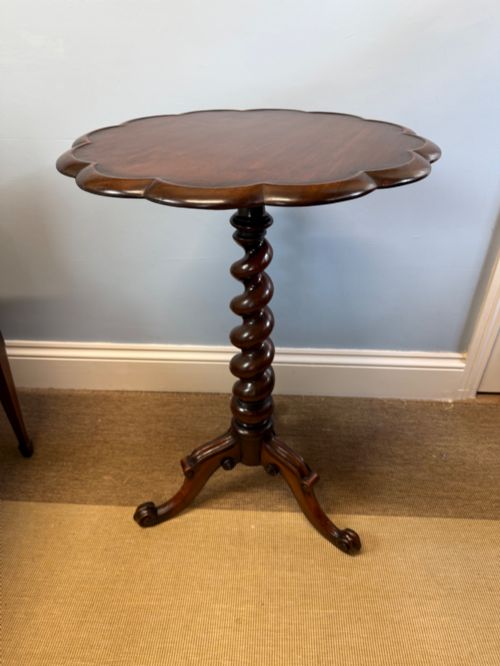
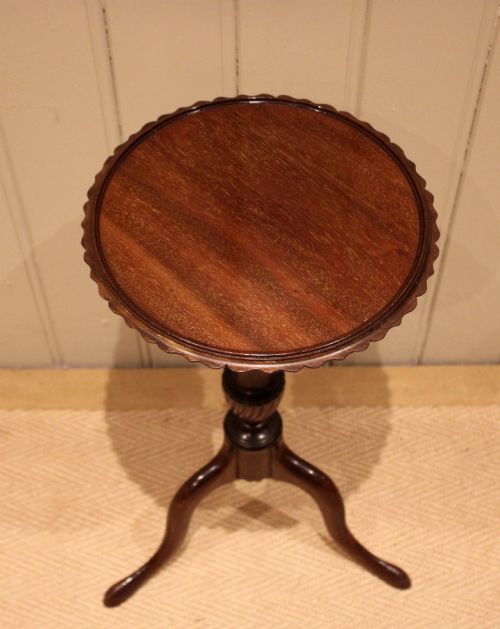
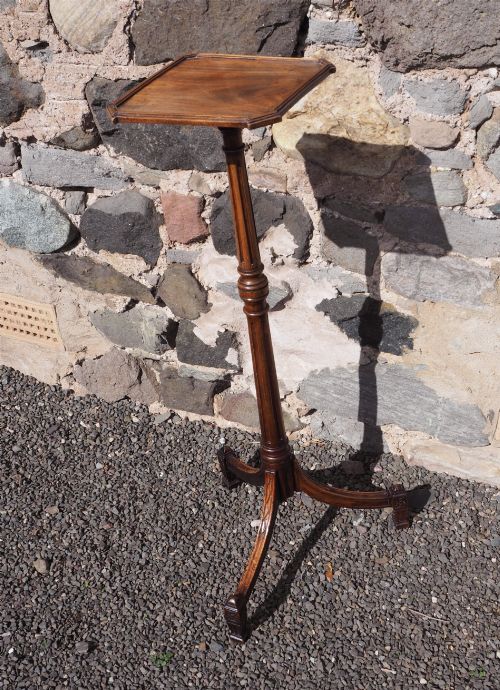
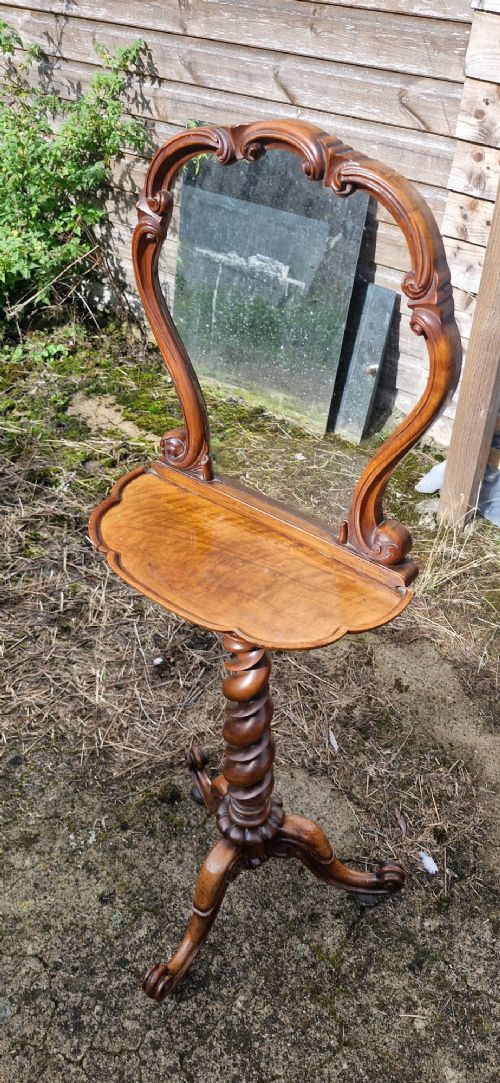
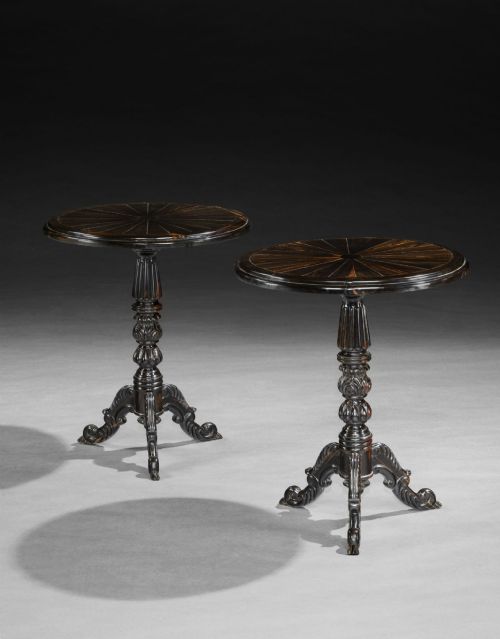
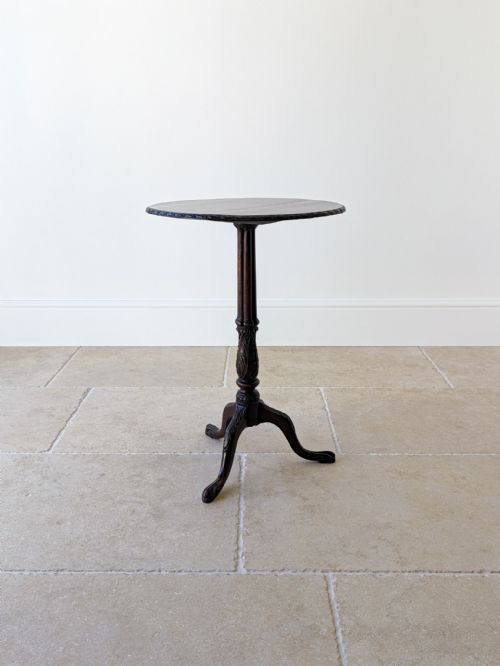
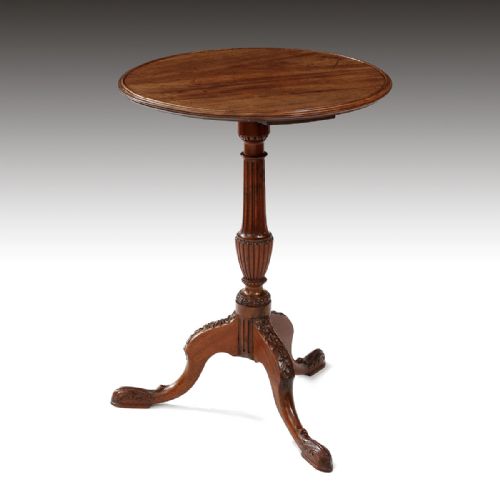
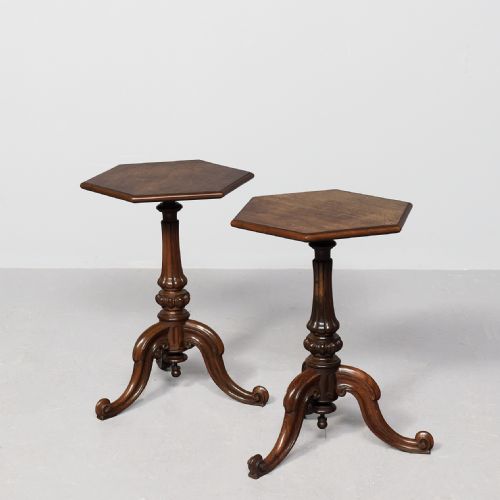
A tripod carved pedestal stand typically takes the form of a small table, torchere, or plant stand supported by three legs. When you search for this phrase, you encounter versatile occasional furniture designed to occupy corners or beside seating.
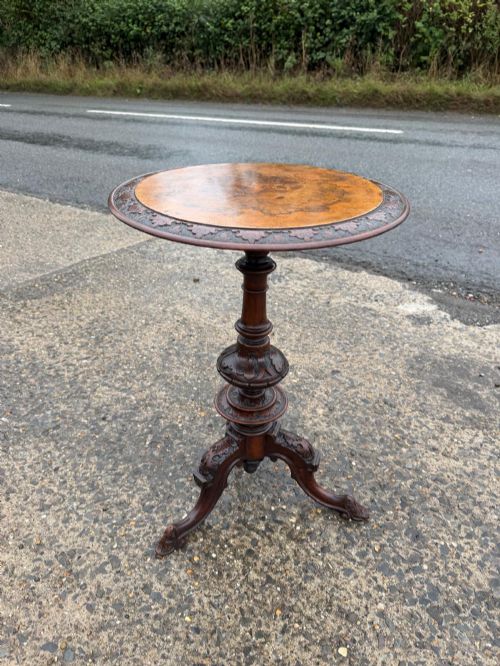
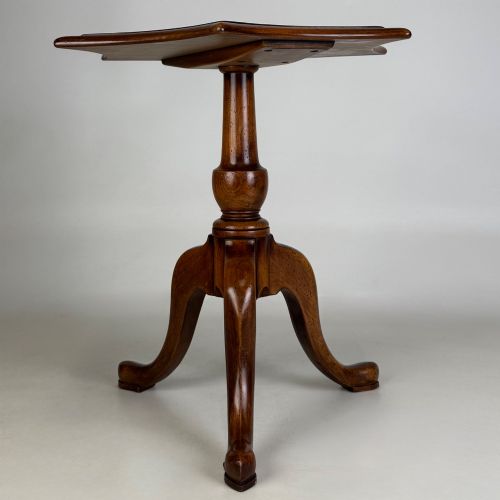
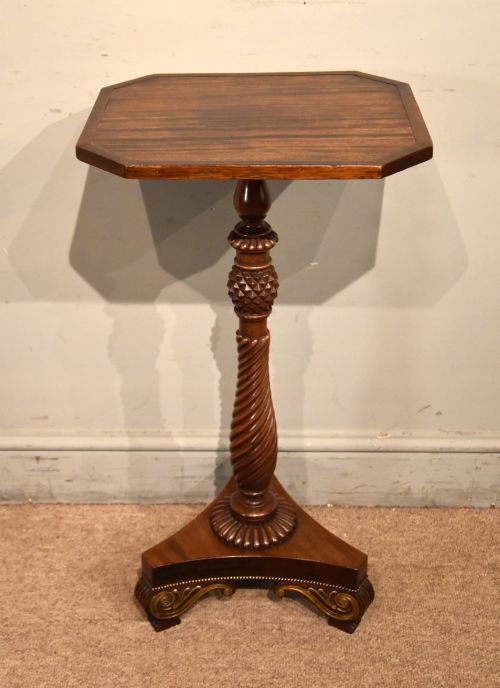
The pieces appearing on this page span several eras, stretching from the eighteenth century through the Victorian and Edwardian periods. You will frequently find mahogany and walnut wine tables, torchere stands, and lamp tables featuring carved details.
Makers utilised various functional forms, including tilt-top mechanisms, detachable tops, and adjustable heights. These utilitarian objects served practical household needs while showcasing decorative woodwork.
Materials and Construction
Cabinetmakers relied heavily on dense hardwoods such as mahogany, walnut, and rosewood, often selecting figured veneers like burr wood for the tops. Oak and occasional exotic hardwoods also appear, providing a robust foundation for carved pedestals.
Construction techniques involved turning central pillars on lathes and carving tripod legs by hand, frequently terminating in pad, claw-and-ball, or scroll feet. Tops were joined to pedestals using fixed blocks, tilt-top pivot mechanisms, or sophisticated screw threads.
Periods represented span from the 18th century through the Edwardian era.
Assessing Quality and Execution
The distinction between ordinary and superior stands lies in the crispness of the hand-carving on the pedestal and legs, alongside the selection of timber. Fine examples display deeply sculpted acanthus leaves, reeding, or figural carving rather than shallow, mechanical shaping.
Structural integrity and timber selection dictate overall merit, particularly in how well the three legs join the central column. Pieces with well-matched timber grains, substantial weight, and original tilt mechanisms represent the upper tier of craftsmanship.
Gillow
The Tripod Carved Pedestal Stand Glossary
- Torchere
- A tall, slender stand designed specifically to support a lamp, candle, or decorative plant. These pieces elevate objects to eye level within a room.
- Tilt-top
- A tabletop hinged to the central pedestal so it can be folded vertically when not in use. This clever mechanism saved floor space in smaller historical interiors.
- Pie crust rim
- A raised, decoratively carved tabletop edge shaped in undulating curves resembling pastry work. Cabinetmakers shaped these borders entirely from solid wood.
- Barley twist
- A cylindrical column carved into a helical spiral resembling a twisted rope. This decorative turning technique became particularly popular during the seventeenth and nineteenth centuries.
- Tripod base
- A three-legged support structure designed to maintain stability on uneven historical floors. Three points of contact ensure the table rests firmly without rocking.
Tripod Carved Pedestal Stand: Frequently Asked Questions
What is a tripod carved pedestal stand used for?
These versatile stands served multiple domestic functions historically, acting as wine tables, lamp holders, and pedestals for displaying decorative urns or plants. Their compact footprint made them ideal for placing beside chairs or in narrow corners.
Today, they fulfill the same practical roles in modern interiors while adding historical character and architectural interest to a room.
How do I date a tripod pedestal stand?
Dating relies on observing timber choices, construction methods, and stylistic carving details. Georgian and Regency pieces typically show lighter proportions and refined mahogany or rosewood framing, whereas Victorian examples often feature heavier walnut, darker finishes, and more robust turned elements like bobbin galleries or barley twists.
Examining the underside for tool marks, traditional fixings, and timber shrinkage helps confirm the age of the piece.
Are tilt-top tables stable?
Yes, authentic tilt-top tables remain stable when properly assembled, using a standard brass catch or wooden peg to secure the top to the pedestal block. The mechanism allows the table to lock flat securely during everyday use.
Over time, wear on the pivot mechanism can introduce slight movement, which can be addressed with careful adjustment of the historical hardware.
How do I care for antique hardwood furniture?
Maintenance involves keeping wooden stands away from direct sunlight, radiators, and rapid humidity changes to prevent timber splitting and veneer lifting. Dusting regularly with a soft, dry cloth preserves the finish without requiring heavy polishes.
Applying microcrystalline wax occasionally helps nourish the wood and protects the historical patina accumulated over centuries.