


Carved Scrollwork Frame
A carved scrollwork frame brings movement and depth to a room, framing mirrors and paintings with sweeping wooden flourishes.
Carved Scrollwork Frame
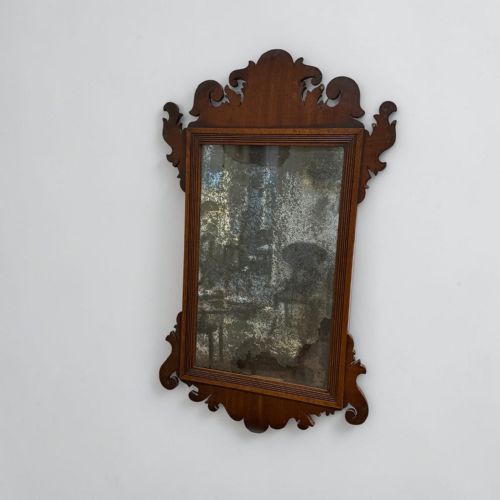
When you search for a carved scrollwork frame, you encounter ornate wooden borders predominantly housing wall mirrors, overmantels, and occasional oil paintings. The selections span from the eighteenth-century Georgian era through the Victorian period into the early twentieth century.
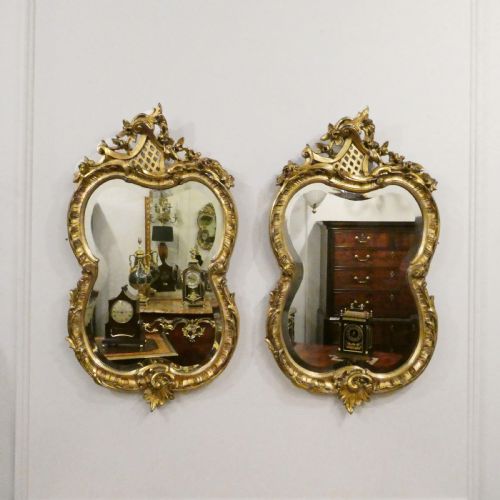
The most common iterations on this page are wall mirrors rendered in the Rococo Revival, Italian Baroque, and French Rococo styles. These pieces showcase elaborate carved details that define their historical aesthetic.
Beyond mirrors, the category stretches to encompass diverse forms such as wooden beds and portrait paintings unified by intricate carved surrounds. Walnut and mahogany provide the structural timber for the earlier cabinetwork.
Materials and construction
Makers shaped these frames from solid timbers including walnut, mahogany, and general wood before applying decorative finishes. Carvers worked directly into the material to achieve the complex asymmetric curves characteristic of the scrollwork.
Giltwood and gesso surfaces frequently receive applications of gold leaf to build rich reflective exteriors. Skilled artisans moulded gesso over wooden bases to create crisp relief ornament before gilding.
Listings feature walnut and mahogany timbers alongside giltwood and gesso surfaces across eighteenth and nineteenth-century pieces.
The indicators of quality
Depth and sharpness of the carved work separate standard examples from finer achievements. Superior frames display undercut foliage and scrolls that project cleanly from the backplate rather than shallow surface incisions.
The integrity of the original gilt surface dictates the visual weight of the piece. Hand-applied gold leaf over gesso ages with a warm patina that machine-applied substitutes fail to replicate.
The Carved Scrollwork Frame Glossary
- Giltwood
- Wood that has been coated with gold leaf or gold paint. This finish creates a luminous metallic surface popular in formal decorative schemes.
- Gesso
- A plaster-like mixture applied to wood surfaces to form a smooth base for gilding. It allows carvers to crisp up fine decorative details.
- Rococo Revival
- A nineteenth-century design movement inspired by eighteenth-century Rococo excess. It employs C-scrolls, shell motifs, and asymmetrical plant forms.
- Fret cut
- Wood pierced and shaped using a fretsaw to create geometric or openwork patterns. This technique appears on flat wooden frames from the Georgian period.
Carved Scrollwork Frame: Frequently Asked Questions
How do I date a carved wooden frame?
Examine the timber species, joinery methods, and the tool marks left on the reverse of the wood. Eighteenth-century pieces typically utilise native hardwoods with hand-cut construction details.
Compare the stylistic motifs against known design periods. Victorian revivals often blend historical elements with nineteenth-century manufacturing techniques.
Where should I hang a large gilt mirror?
Position the mirror above a mantelpiece or a console table to anchor the visual weight within the room. These locations reflect natural light and create a sense of expanded space.
Ensure the wall fixings match the substantial weight of carved wood and mirror glass. Secure the frame directly into wall studs for safety.
Are these frames made of solid wood?
The primary structural frames consist of solid timbers such as walnut, mahogany, or pine. Carved details often incorporate applied composition ornament or gesso layers.
Layers of gesso and gold leaf build up the surface decoration over the wooden core. This combination provided stability and a receptive ground for intricate carving.
How do I care for antique giltwood?
Dust the carved surfaces gently with a soft dry brush to remove particles without disturbing the finish. Avoid commercial cleaning liquids or moisture, which damage delicate gold leaf.
Keep the frame away from direct sunlight and strong heat sources to prevent the wood and gesso from cracking.