


Eighteenth Century Oil Paintings
Eighteenth century oil paintings bring the authentic presence of Georgian life and classical myth into a room through layered oil paint on canvas.
Eighteenth Century Oil Paintings
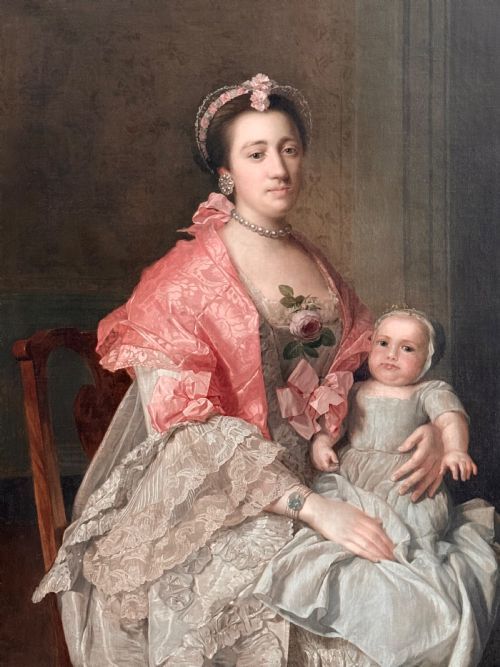
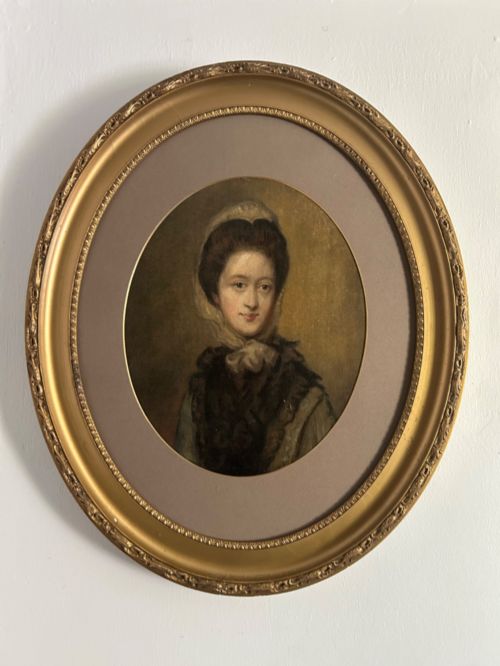
Eighteenth century oil paintings encompass portraits, still lifes, and classical compositions produced during the Georgian period and associated eras. A buyer examining these works encounters depictions ranging from intimate portrait studies to large decorative canvases.
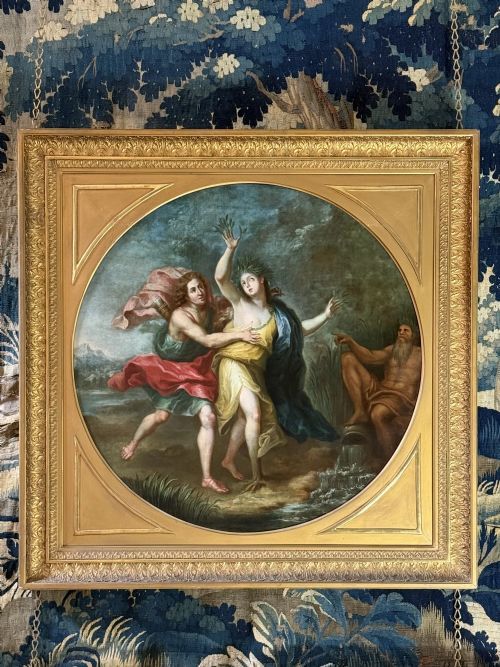
The selections available include French camaieu bleu grisaille pieces, floral and fruit compositions, and religious themes. Portraits of gentlemen and classical subjects after earlier masters frequently appear across the selection.
Originating from British, French, Italian, and Dutch traditions, these works reflect the diverse aesthetic currents of the seventeen hundreds. Painters utilised oil on canvas and wood panels to build rich compositions that survive in various states of preservation.
Distinguishing quality in period canvases
The sophistication of brushwork and the handling of light distinguish superior works from standard decorative pieces. Masterful control over pigment allows facial expressions and fabric folds to possess distinct psychological depth.
The integrity of the original canvas and the survival of early or period framing contribute significantly to the standing of a work. Subtle tonal variations within monochrome grisaille or complex polychrome palettes demonstrate technical command.
Listings feature oil on canvas and wood, housed in giltwood and gesso frames from the seventeenth to nineteenth centuries.
Charles Antoine Coypel·Jean Baptiste Joseph Pater·Bartolomeo Schedoni·Dean Wolstenholme·James Latham·Nathaniel Hone·John Raphael Smith
The Eighteenth Century Oil Paintings Glossary
- Grisaille
- A painting executed entirely in shades of grey or neutral greyish-blue monochrome. This technique often served as an underpainting or as a finished work mimicking relief sculpture.
- Camaieu bleu
- A monochrome painting technique executed entirely in shades of blue. French artists utilised this method to achieve decorative effects resembling porcelain or enamel.
- Gesso
- A traditional paint mixture consisting of a binder mixed with chalk, gypsum, or pigment. It served as a smooth preparation layer for wooden panels before oil application or frame gilding.
- Giltwood
- Wood that has been coated with thin gold leaf or powder. This material defined the ornate frames housing period paintings.
Eighteenth Century Oil Paintings: Frequently Asked Questions
How do I care for an antique oil painting?
Keep the canvas away from direct sunlight and sudden temperature shifts to protect the oil paint and wood support.
Dust the surface gently with a dry, soft brush and avoid using liquid cleaners on the paint or giltwood frame.
How are these paintings attributed to specific artists?
Experts examine brushwork style, pigment composition, and contemporary documentation to connect a canvas to a painter or circle.
Signatures, stylistic comparisons with documented works, and historical provenance records guide attribution.
What subjects were popular in the seventeen hundreds?
Portraiture of gentlemen and society figures dominated commissions, alongside classical mythology and religious narratives.
Still life compositions featuring floral and fruit arrangements also commanded significant attention among collectors.
How do I identify a period frame?
Period frames typically feature hand-carved wooden mouldings finished with gesso and gold leaf rather than modern synthetic resin.
Signs of age include shrinkage cracks in the gesso and oxidation of the underlying metals.