


Italian Devotional Art
Italian devotional art comprises centuries of sacred paintings, carved wooden saints, and ex votos created to inspire prayer and contemplation in homes and chapels.
Italian Devotional Art
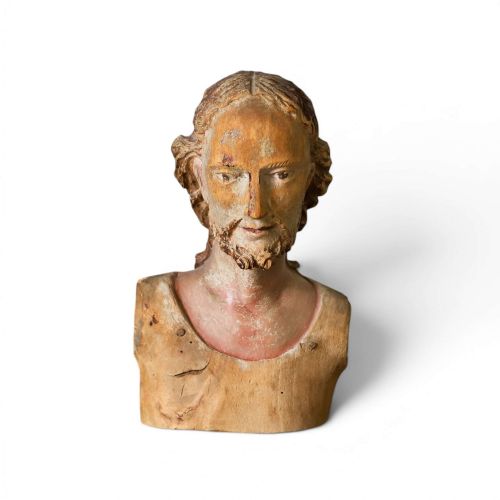
Italian devotional art brings together centuries of sacred expression, ranging from small domestic icons to large altarpiece studies. When you search for italian devotional art, you encounter everything from delicate miniatures of saints to substantial carved wooden figures.
The pieces on this page span several centuries, with a strong representation of works from the sixteenth, seventeenth, and eighteenth centuries alongside nineteenth-century examples. You will find oil paintings on canvas and wood panel, alongside polychrome sculptures and folk art statues.
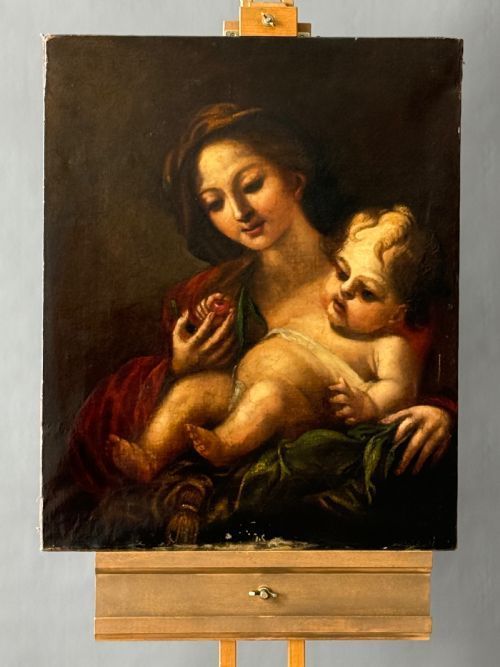
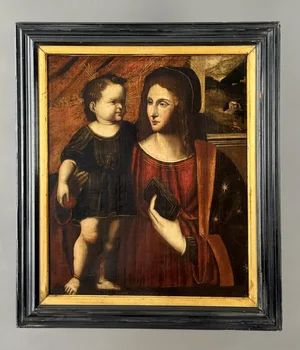
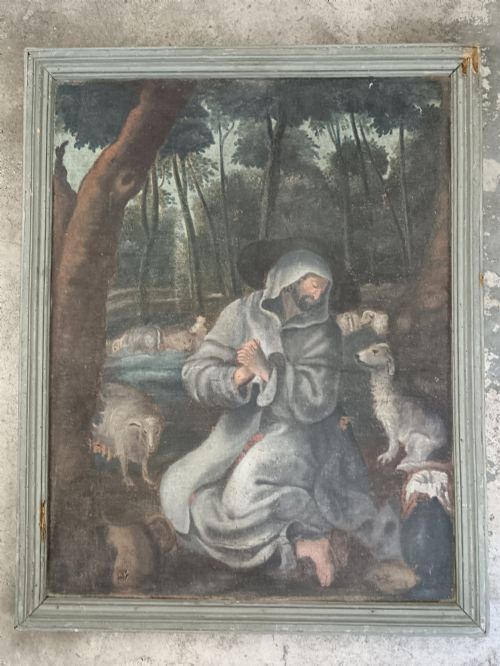
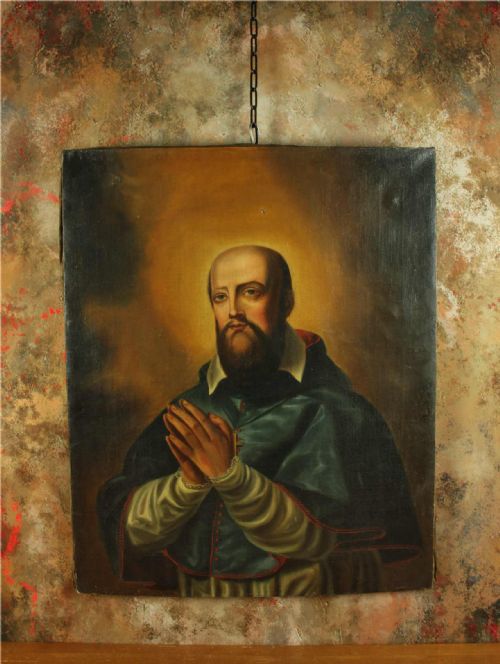
Many of these works reflect the enduring influence of the Italian Renaissance and Baroque periods, often taking the form of oil paintings depicting the Madonna and Child or various saints. Other examples include processional figures and metal ex votos created for shrines and private devotions.
Materials and construction
Painters utilised oil on canvas or wooden panels, sometimes employing fruitwood or olive wood for panel supports. Gold leaf frequently embellished the frames and backgrounds, adding a luminous quality to sacred scenes.
Sculptors carved figures from solid wood, subsequently applying polychrome pigments to render lifelike flesh tones and patterned vestments. These traditional techniques ensured durability for pieces intended to be handled, carried in processions, or displayed in domestic interiors.
The listings span from the sixteenth century through the nineteenth century, featuring wood, gold leaf, and oil on canvas.
Assessing quality
Quality rests primarily on the handling of paint and the confidence of the carving rather than the mere age of an object. Earlier works associated with established schools display superior draftsmanship in facial expressions and drapery.
The choice of support and the integrity of the surface matter greatly, as panels and canvases that retain their original ground layers command deeper appreciation. Finer carvings reveal careful attention to anatomical detail and subtle polychrome layering rather than hurried execution.
Bernardino Luini·Benvenuto Tisi·Costantino Frixione·Correggio·Raphael·Girolamo Dai Libri
The Italian Devotional Art Glossary
- Pentimento
- An alteration in a painting evidenced by visible traces of previous work beneath the current layer. This phenomenon often reveals how an artist changed their composition during the painting process.
- Ex voto
- A votive offering presented to a saint or divinity in fulfilment of a vow. These objects are typically left at shrines as tokens of gratitude or healing.
- Polychrome
- Decorated in a variety of colours. This term frequently describes wooden sculptures painted to resemble lifelike subjects.
- Old Master
- A term applied to skilled European painters working before about eighteen hundred. These artists often formed the basis for later followers and revival schools.
Italian Devotional Art: Frequently Asked Questions
What is Italian devotional art?
Italian devotional art encompasses religious paintings, sculptures, and sacred objects created in Italy for private prayer, churches, and domestic shrines. These pieces range from old master oil paintings to carved wooden saints and metal ex votos.
They reflect centuries of religious tradition, often depicting figures such as the Madonna and Child, Saint Francis, and various other revered saints.
How were wooden devotional figures used?
Carved wooden figures served as focal points for prayer in domestic spaces, private chapels, and larger ecclesiastical settings. Some statues, such as processional figures, were dressed in textiles and carried through streets during religious festivals.
Others remained stationary on altars or brackets, receiving daily prayers and votive offerings from the faithful.
How do I care for antique oil paintings?
Antique oil paintings require stable environmental conditions away from direct sunlight, excessive heat, and sudden humidity changes. Displaying them on interior walls helps protect the canvas and wooden stretchers from warping.
Dusting should be done gently with a soft, dry brush, avoiding any moisture or chemical cleaning agents that might damage the aged pigment.
How can I tell a painting's period?
Dating a painting involves examining the materials, such as the weave of the canvas, the type of wood panel, and the preparation layers beneath the paint. Stylistic clues, including brushwork, pigment composition, and the framing traditions of the era, also provide reliable indicators.
Comparing the handling of light and shadow to documented works from particular centuries helps narrow down the time of creation.