






Italian Renaissance Style Portrait
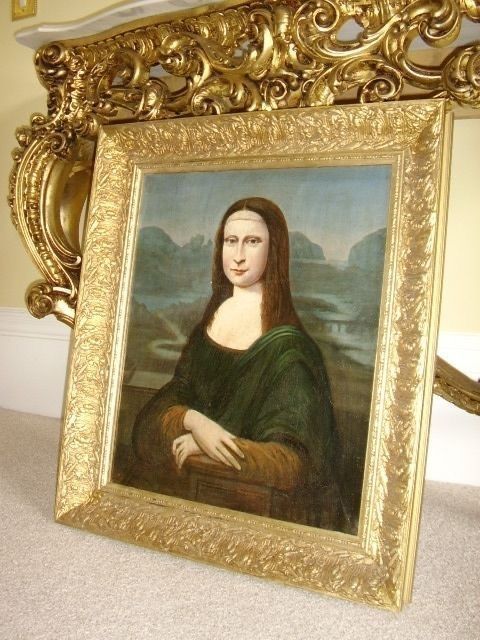
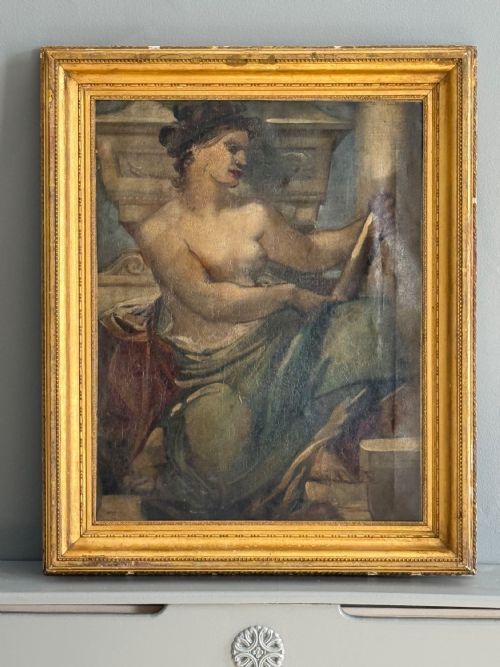
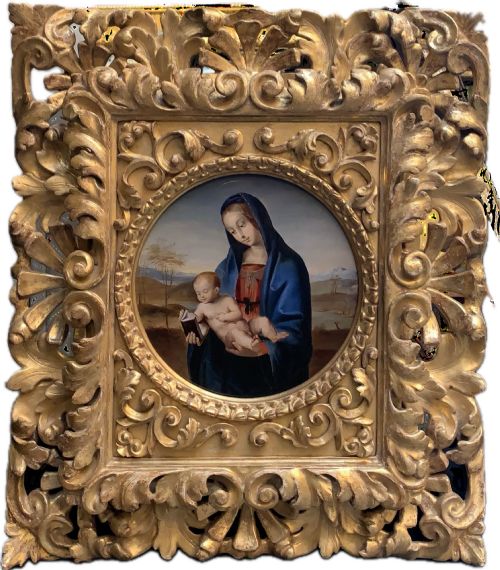
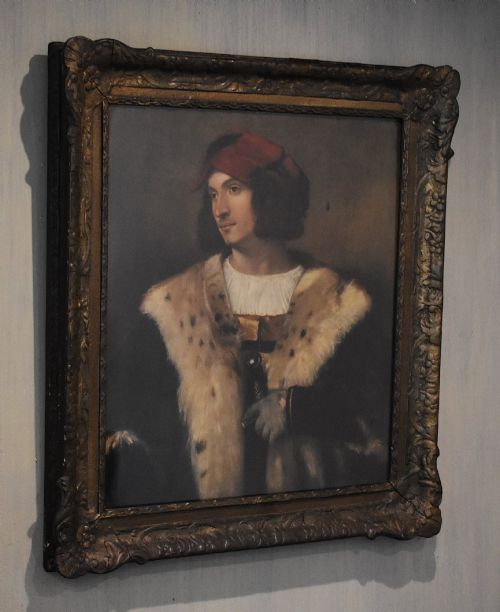
An italian renaissance style portrait brings the profound depth and noble subjects of sixteenth-century masters into a room through oil paint and carved giltwood.
Italian Renaissance Style Portrait
An italian renaissance style portrait draws upon the visual language of the fifteenth and sixteenth centuries, encompassing oil paintings, drawings, and marble relief sculptures. These works frequently record historical figures, noblewomen, and religious subjects after masters such as Raphael, Titian, and Leonardo da Vinci.
The pieces appearing on this page range from grand tour interpretations executed in the nineteenth century to mid-twentieth-century studies. Buyers will encounter both canvas paintings and carved picture frames designed to echo the classical past.
Subject matter often includes depictions of the Madonna and child alongside secular likenesses of Venetian women and noblemen. The overarching style looks back to high renaissance and mannerist traditions.
What varies in quality
The competence of the brushwork and the sensitivity of the facial expression distinguish a superior rendering from a stiff copy. Masterful handling of oil on canvas captures the luminous skin tones and rich drapery characteristic of the original masters.
The quality of the surrounding frame holds equal weight, as period-appropriate carved giltwood and gesso enrich the visual impact of the artwork. The depth of the relief work in sculptural pieces dictates their sculptural presence.
Listings feature oil paintings on canvas alongside carved giltwood frames and marble relief sculptures spanning the sixteenth to the twentieth centuries.
Leonardo Da Vinci·Gian Paolo Pace·Bernardino Luini·Paolo Veronese·Benvenuto Tisi·Antonio Allegri·Antonio Rossellino·Scipione Pulzone·Raffaello Sanzio·Giovanni Battista Moroni·Rosso Fiorentino·Girolamo Dai Libri
The Italian Renaissance Style Portrait Glossary
- Giltwood
- Wood that has been coated with a thin layer of gold leaf. This technique creates a luminous, reflective surface frequently utilised on period picture frames.
- Gesso
- A plaster-like mixture applied to wood before gilding or painting. It provides a smooth base that artisans carve into intricate ornamental patterns.
- Canvas
- A heavy woven fabric stretched over a wooden frame to serve as a support for oil paintings. It has remained a standard medium for centuries.
- Mannerist
- An artistic style following the high renaissance characterised by elongated proportions and complex compositions. Artists working in this manner prioritised tension and grace.
- Relief sculpture
- Three-dimensional artwork carved from a flat background panel of material such as marble. The figures project outward from the stone.
Italian Renaissance Style Portrait: Frequently Asked Questions
Are these portraits original sixteenth-century works?
Most pieces found here date from the nineteenth and twentieth centuries as revivals or studies after earlier masters. They capture the aesthetic of the period rather than originating from the actual renaissance.
Collectors appreciate these later interpretations for their high craftsmanship and ability to evoke historical grandeur without requiring museum-level acquisition.
What subjects are most common?
Religious themes dominate the selections, particularly depictions of the Madonna and child alongside holy families. Secular portraits of Venetian noblewomen and historical figures also appear frequently.
These subjects reflect the humanistic and spiritual concerns that defined Italian art during the fifteenth and sixteenth centuries.
How should I display a giltwood frame?
Giltwood frames require stable indoor humidity away from direct sunlight to protect the underlying gesso and gold leaf. Hang them on solid walls where their reflective surfaces catch natural daylight.
Allow sufficient wall space around the frame so the carved details remain uncrowded and visible.
How do I identify a revival piece?
Examine the preparation of the canvas and the composition of the wood behind the frame for clues regarding age. Nineteenth-century revivals often utilise machine-prepared supports and distinct framing methods.
Comparing the handling of pigment against known archival references helps establish whether a work is a nineteenth-century homage or a mid-twentieth-century study.