
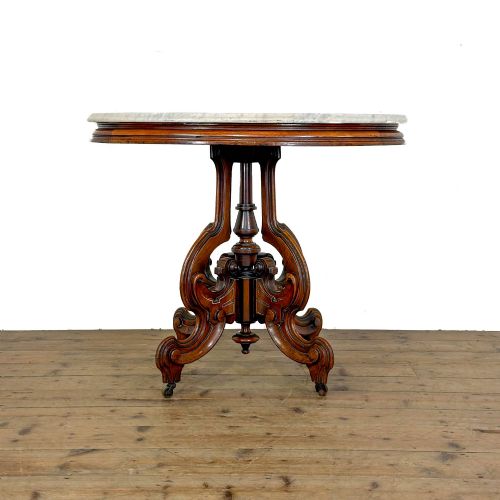
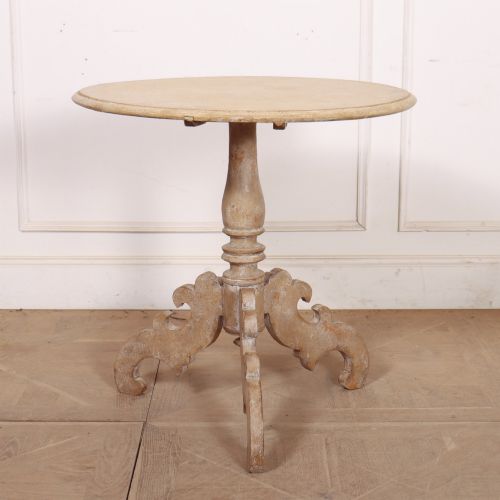
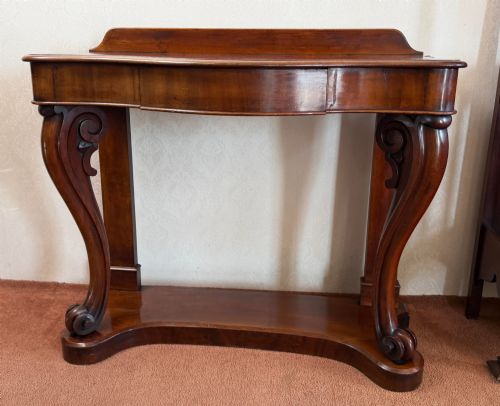
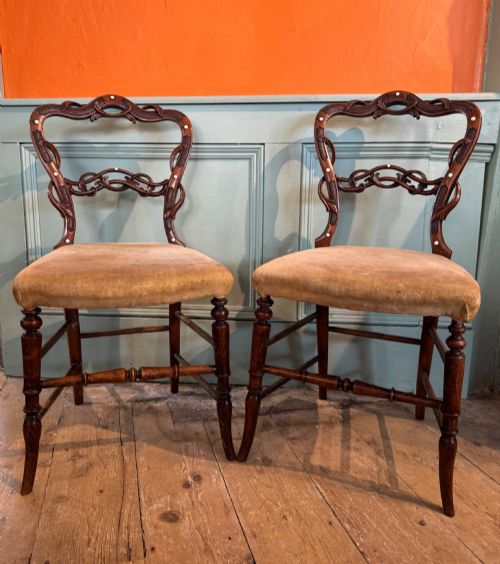
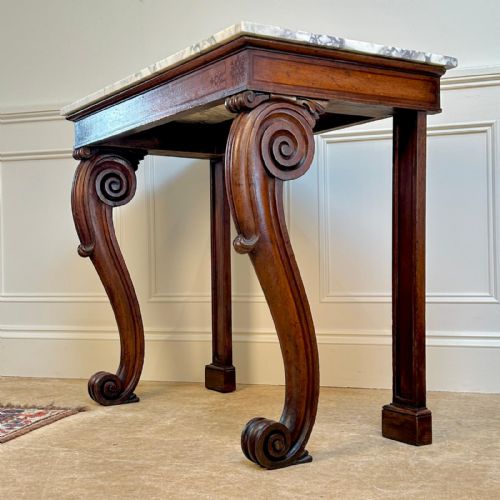
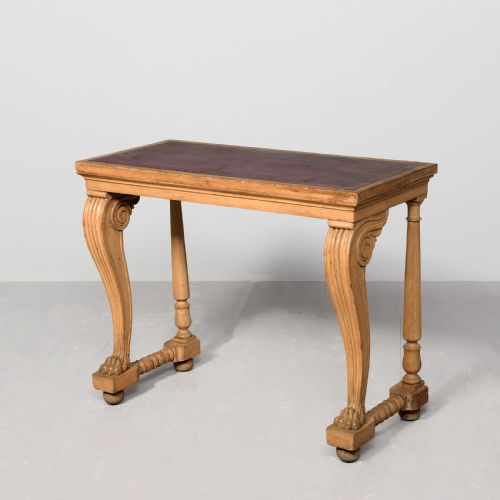
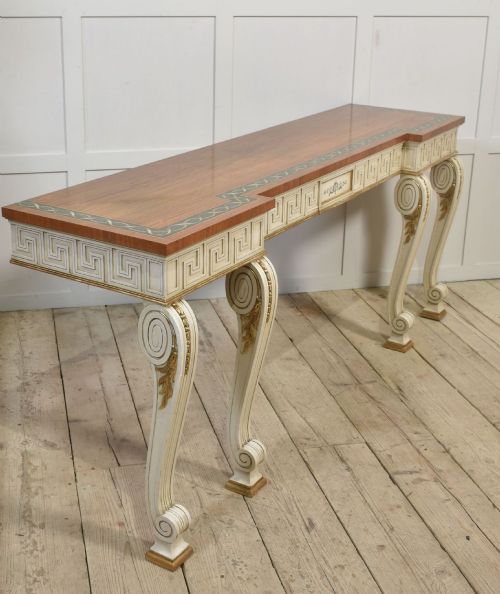
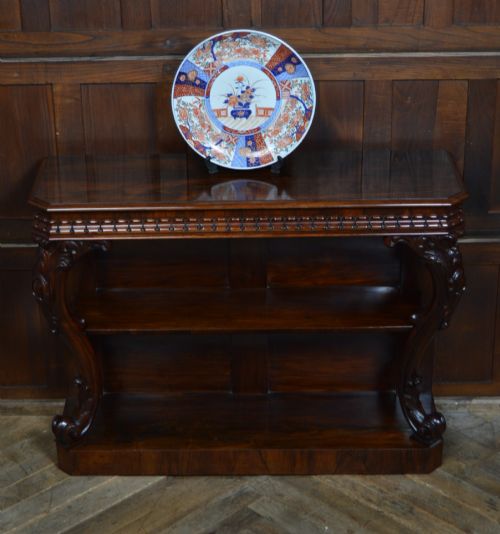

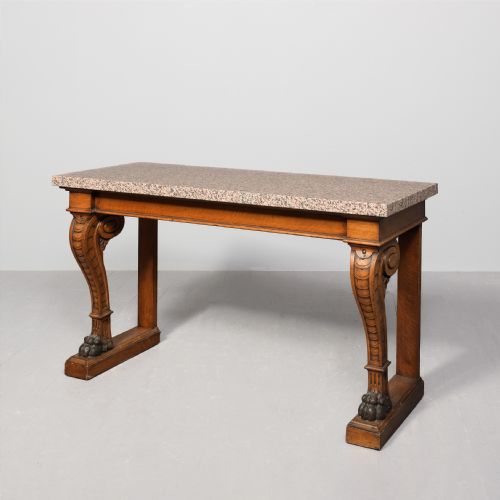

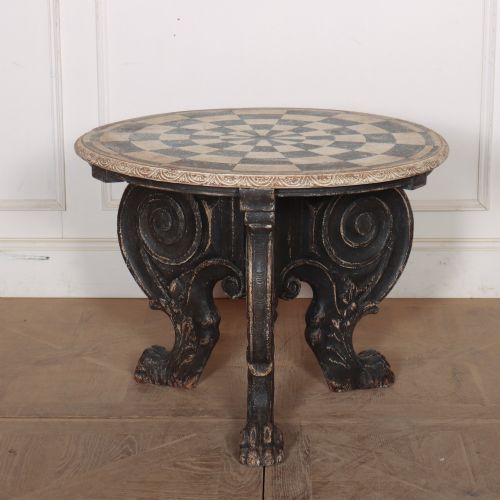
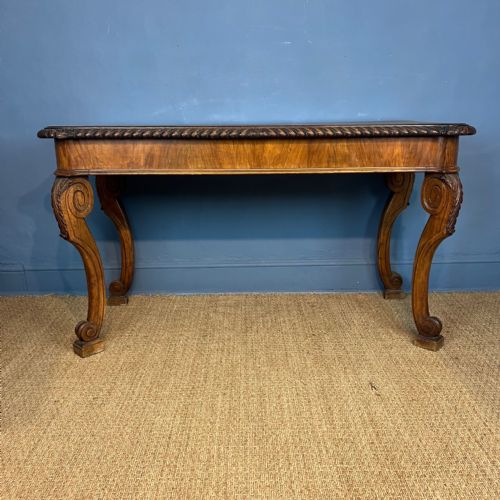
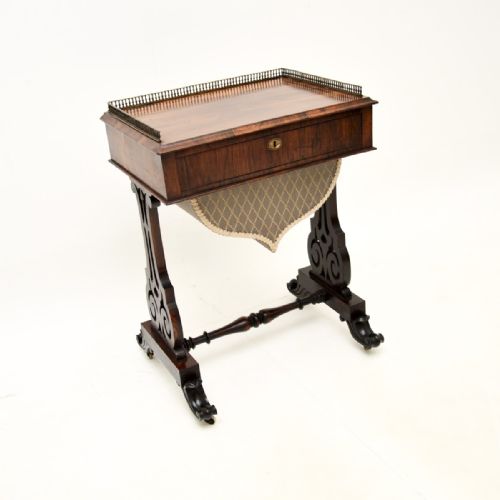
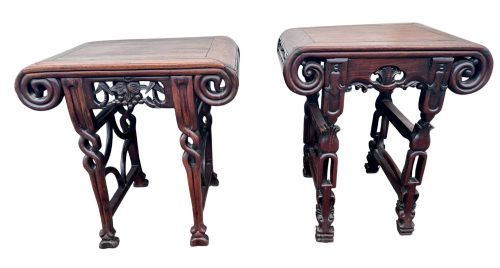

Carved Scroll Side Table
These carved scroll side table pieces bring solid timber and sculptural detail together, offering steady surface space with period character.
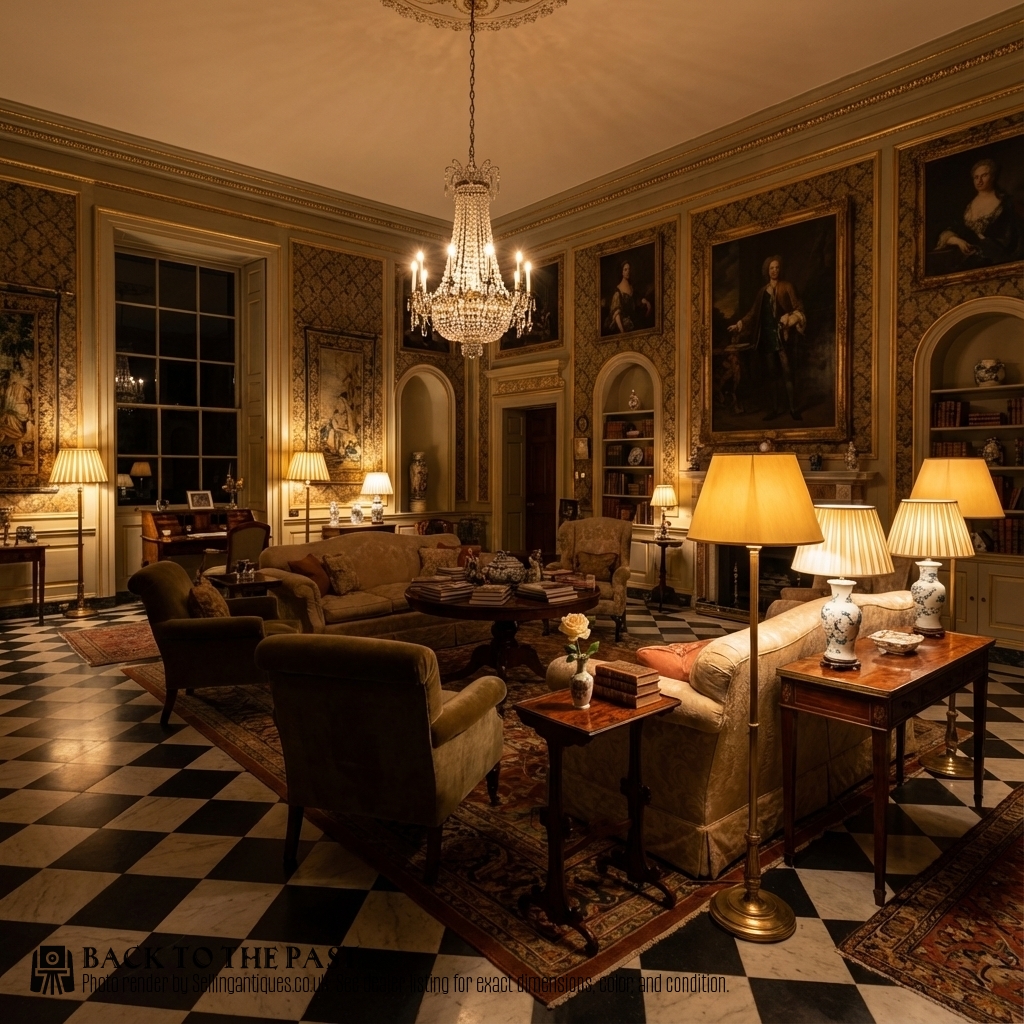
Carved Scroll Side Table
A carved scroll side table typically appears across nineteenth century periods, moving through Regency, William IV, and Victorian eras with distinct regional variations. You encounter forms ranging from compact lamp tables to grand marble-topped console tables designed for hallway or parlour placement.
Makers utilised dense timbers like mahogany, rosewood, and walnut, often pairing them with stone surfaces or intricate carved supports. The selection here reflects diverse stylistic influences, spanning English cabinet work, Italian neoclassical design, and Anglo-Indian production.
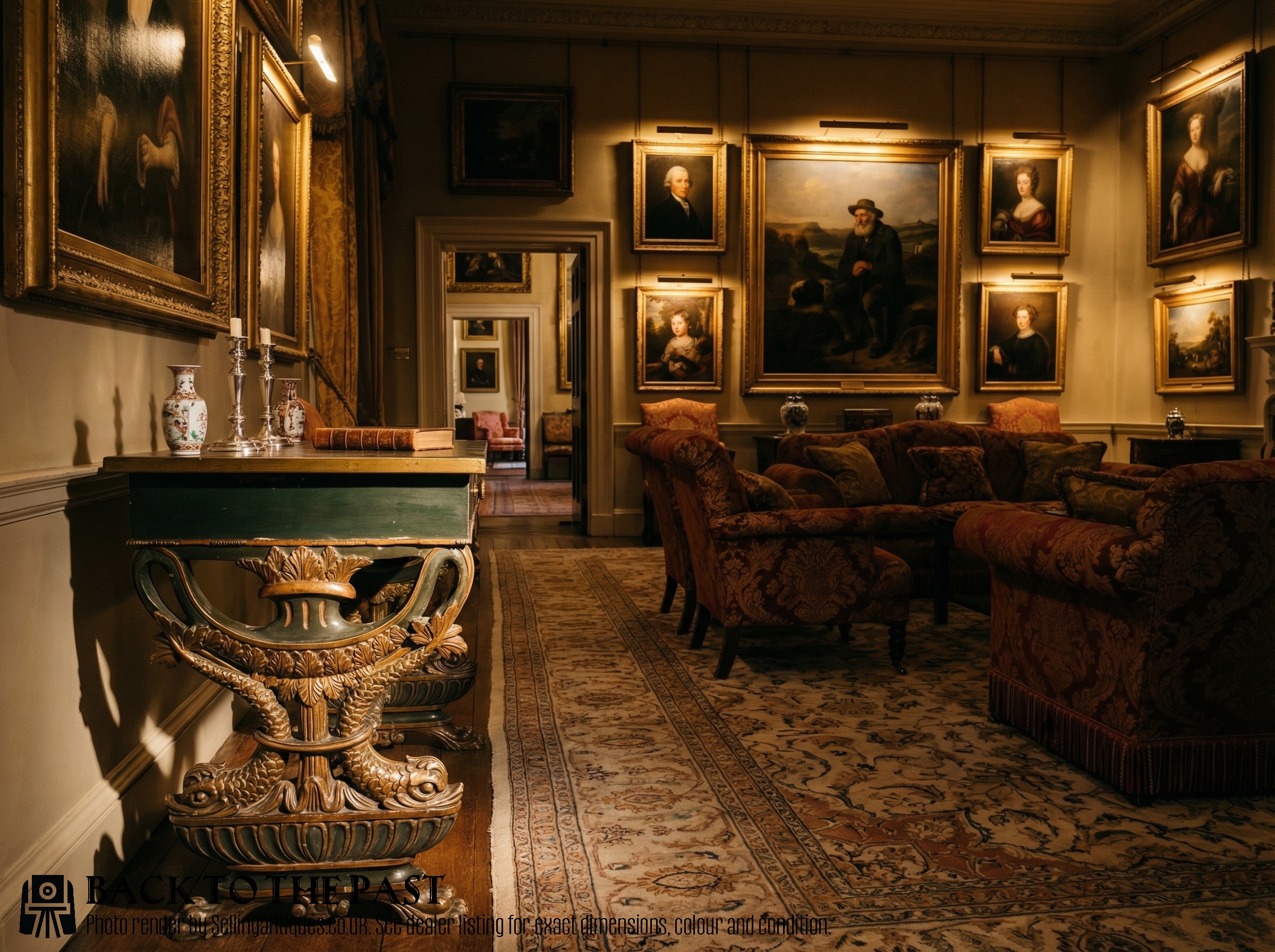
Materials and construction
Cabinet makers relied on figured timbers such as flame mahogany, burr walnut, and rosewood, applying them over solid hardwood carcases to achieve rich surface grain. Marble and granite slabs frequently formed heavy tops on console variants, resting directly upon heavy timber frames.
Carved scroll details were shaped by hand directly from the solid wood, utilising chisels and gouges to define the sweeping contours of legs and brackets. Secondary woods like oak and ash provided structural framing beneath polished decorative veneers.
Listings feature nineteen-century periods including Regency, William IV, and Victorian alongside materials like mahogany, rosewood, and marble.
Assessing craftsmanship
The distinction between standard workshop production and master cabinet work lies in the depth and sharpness of the carved scroll elements. Crisp, undercut foliage and scrolls indicate skilled hand carving, whereas softer details suggest mechanical shaping or heavy sanding.
Timber selection dictates the overall presence of the piece, with matched flame veneers and unblemished burr walnut surfaces representing superior material choice. Sound joinery, stable marble tops, and original turnings further distinguish better examples from simpler utility furniture.
James Mein of Kelso·Robert Strahan·Alexander McKenzie of Glasgow
The Carved Scroll Side Table Glossary
- Console table
- A table designed to stand against a wall, frequently secured to the wall with brackets or resting on front legs.
- Pier table
- A large decorative table positioned against the wall beneath a mirror or between windows in a formal room.
- Specimen wood
- Furniture constructed using a variety of decorative timbers arranged in geometric patterns or panels.
- Flame mahogany
- Mahogany timber exhibiting a distinct, flamelike grain pattern created by cutting across the branch junction.
Carved Scroll Side Table: Frequently Asked Questions
Where should I place a console table?
Console tables suit entrance halls, narrow corridors, or living rooms where floor space is limited. Their shallow depth allows them to sit flush against a wall without obstructing pathways.
Pairing the table with a wall mirror or mounting a lamp on top helps balance the proportions within a room.
How do I clean marble-topped tables?
Marble surfaces require gentle cleaning with a damp cloth and mild, neutral soap to avoid etching the stone. Harsh chemical cleaners strip the polished finish and dull the natural stone.
Wiping up spills immediately prevents staining, particularly on older, more porous stone surfaces.
Are these tables sturdy enough for daily use?
Most nineteenth-century tables utilise robust hardwoods like oak, mahogany, and rosewood, making them durable for everyday placement. Heavy marble slabs add substantial weight that keeps the console base firmly anchored.
Checking the joints and legs periodically ensures the structure remains stable under normal household loads.