
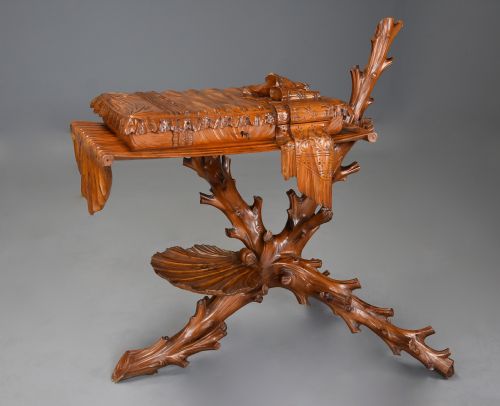
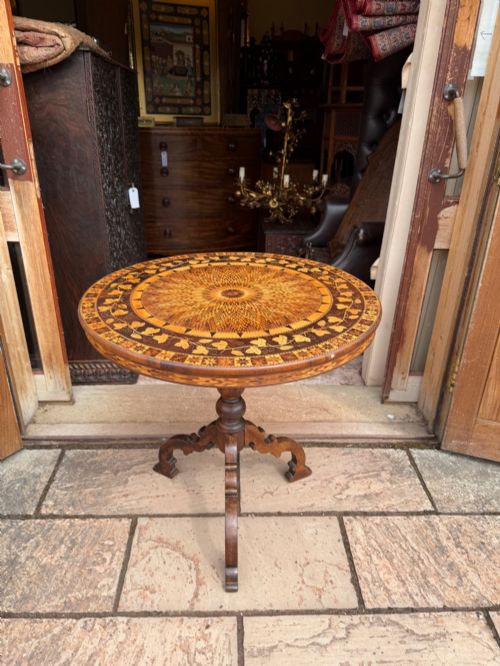
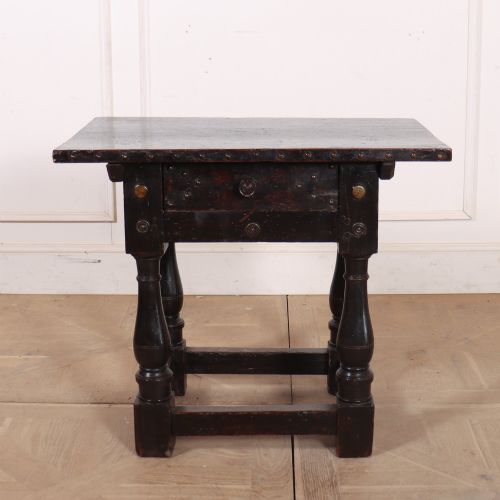
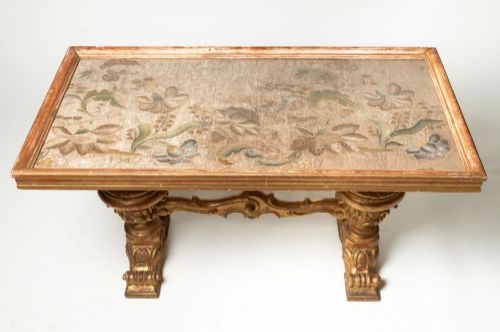
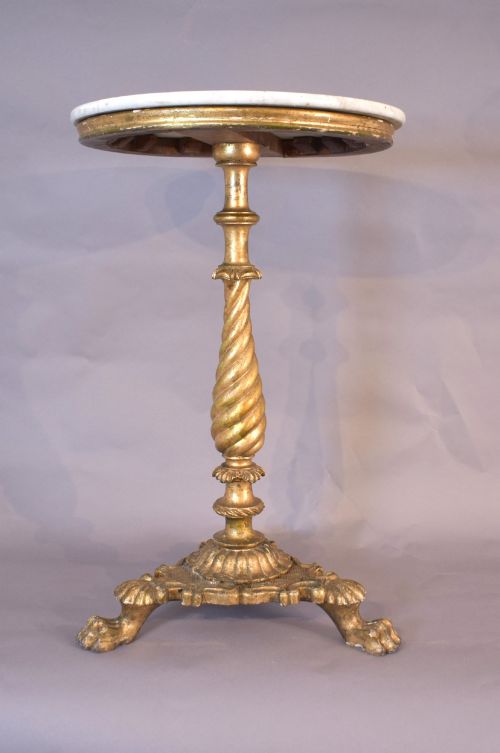


Italian Carved Accent Table
An italian carved accent table brings sculptural presence and artisan craft into a room through elaborate woodwork and historic regional styles.
Italian Carved Accent Table
An italian carved accent table spans a variety of domestic forms including side tables, occasional pieces, tilt top designs, and console tables. These furnishings emerge across several centuries, with the nineteenth century heavily represented alongside examples from the eighteenth and early twentieth centuries.
Makers and workshops across different regions produced these pieces in distinct regional aesthetics, ranging from Venetian Rococo and Italian Baroque to Neoclassical and Sorrento traditions. Buyers encounter everything from gilded display surfaces to functional walnut stands and ornate grotto work tables.
The materials and decorative schemes vary widely according to the intended interior setting, drawing upon traditional painting, parcel gilding, and marquetry inlay. Each piece reflects the specific decorative impulses of its period, whether created for grand palazzos or lighter provincial interiors.
Materials and Construction Methods
Joiners and carvers utilised native timbers such as walnut, lime wood, olive wood, and pine as the structural foundation for these furnishings. These woods were selected for their grain or suitability for intricate chiselling.
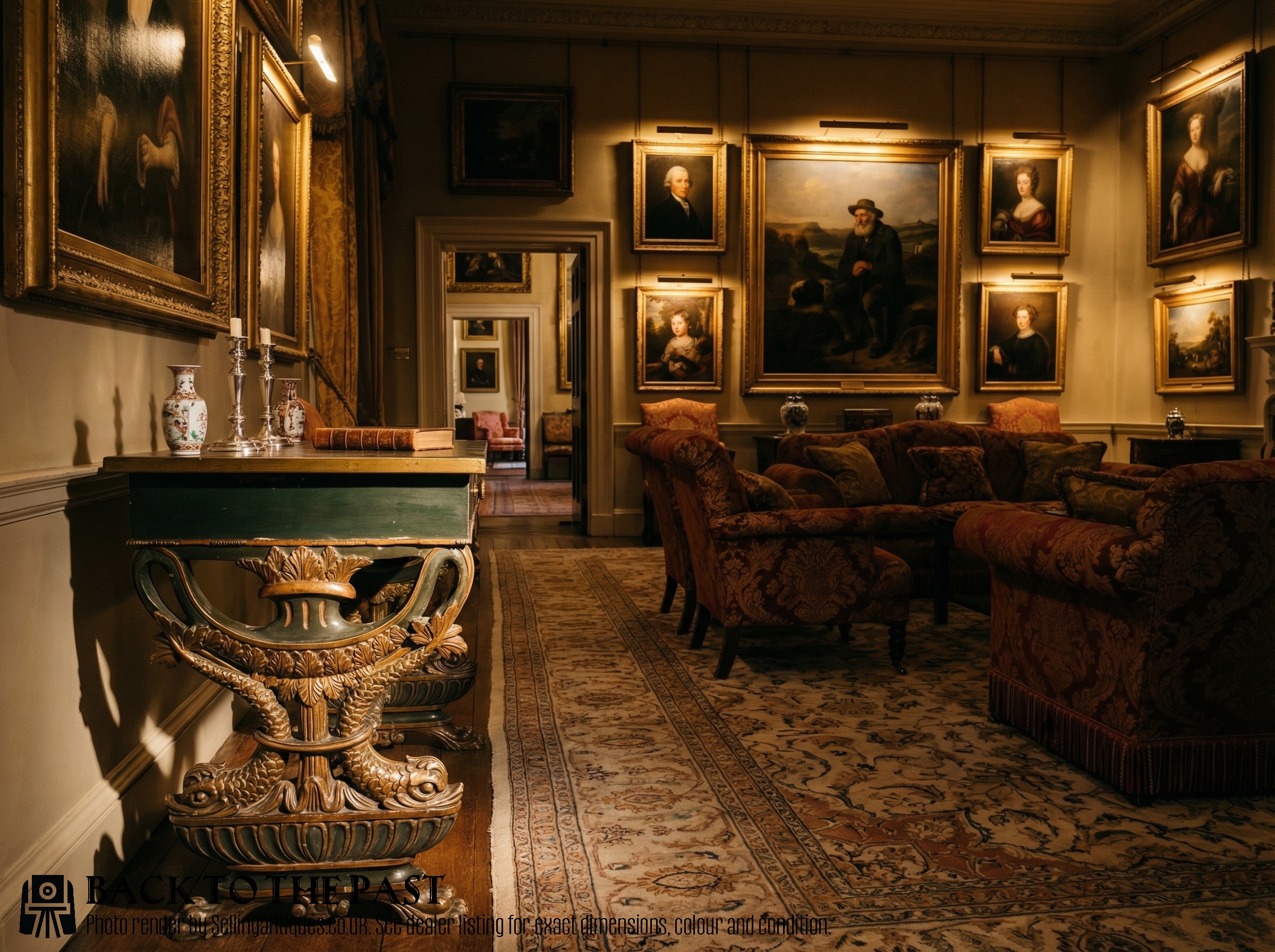
Surface ornamentation involved applied gold leaf, gesso, polychrome paint, and detailed marquetry inlay, frequently paired with inset marble or alabaster tops. Cabinetmakers combined solid wood construction with specialised carving techniques to achieve high relief motifs like dolphins and foliate scrolls.
Several pieces feature carved dolphins serving as structural supports, bringing maritime mythology right into the Victorian parlour.
Assessing Quality and Execution
The depth, sharpness, and three-dimensional confidence of the hand carving separate standard commercial work from master-carved regional pieces. Superior examples display undercut details and naturalistic movement in complex motifs like grotto work or figural supports.
The integrity of the structural joinery combined with the preservation of original gilding, paint layers, or marble inserts dictates the overall standard. Greater care in timber selection and refined execution of marquetry inlay indicate a higher grade of workshop production.
The Italian Carved Accent Table Glossary
- Giltwood
- Wood that has been coated with gold leaf or powder over a prepared gesso ground. This finish appears frequently on Baroque and Rococo frames and furniture.
- Marquetry
- Decorative veneer patterns applied to furniture surfaces using thin slices of wood, shell, or ivory to form pictorial designs.
- Tilt Top Table
- A table with a hinged top that can be rotated to a vertical position when not in use to save space.
- Parcel Gilt
- A decorative treatment where only specific portions of an object are gilded, leaving other areas painted or finished as natural wood.
- Grand Tour
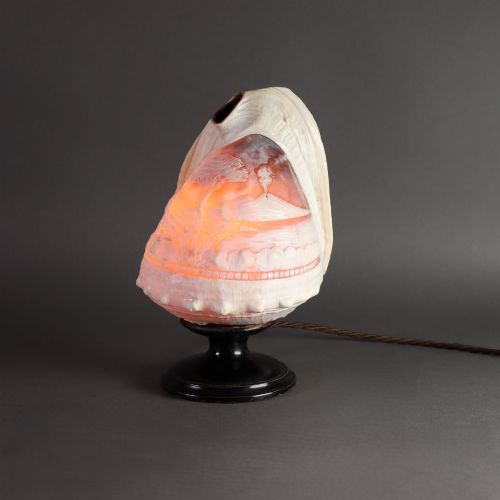
- A traditional cultural excursion of Europe undertaken by upper-class young European men of means, resulting in the acquisition of souvenirs like carved lamps and micro-mosaics.
Italian Carved Accent Table: Frequently Asked Questions
What is an italian carved accent table?
An italian carved accent table is a decorative and functional piece of furniture originating from Italy, featuring detailed woodwork, gilt finishes, or painted surfaces.
These tables serve as focal points in a room, offering surface space for lamps or decorative objects while displaying historical craftsmanship.
How were these tables used historically?
Historically, these furnishings were placed in drawing rooms, hallways, and grand salons to display art objects, hold lighting, or serve during social gatherings.
Console variants sat against walls beneath mirrors, while occasional and tilt top tables were moved about rooms as domestic needs required.
How do I live with an antique table?
Living with these pieces involves placing them away from direct heat sources and strong sunlight to protect historic wood finishes, gilding, and painted details.
Using coasters and treating marble or wood surfaces gently ensures the preservation of the antique finish during daily domestic use.
How can I tell different periods apart?
Distinguishing periods relies on identifying stylistic markers, such as the exuberant curves of eighteenth-century Rococo and Baroque designs versus the more restrained geometry of Neoclassical pieces or the revival styles of the nineteenth century.
Material choices, structural joinery methods, and the type of surface preparation also provide clear indications of a piece's age of manufacture.