
Carved Rococo Hall Table
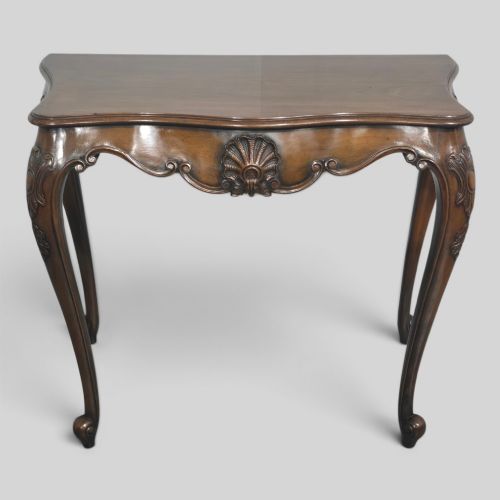
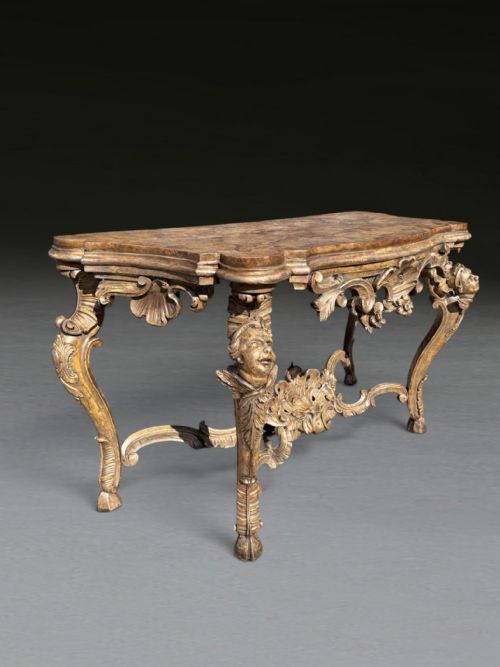
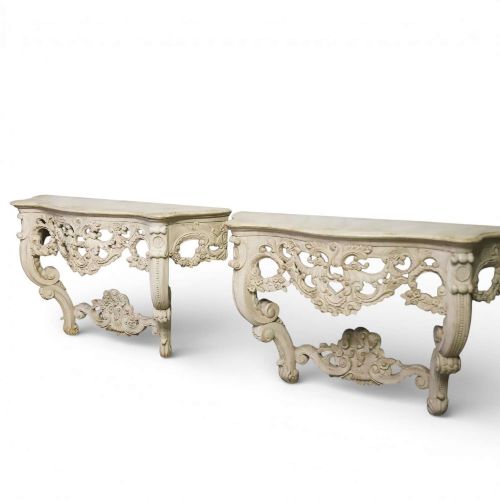
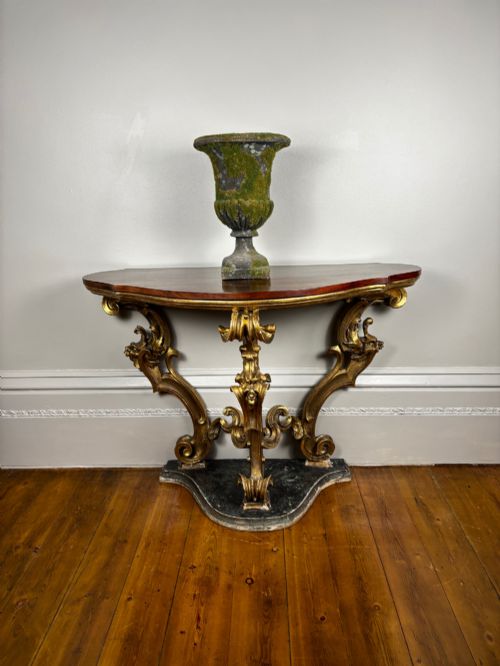
A carved rococo hall table brings sculptural movement and naturalistic detail into an entrance, drawing the eye with curved lines and ornate ornament.
Carved Rococo Hall Table
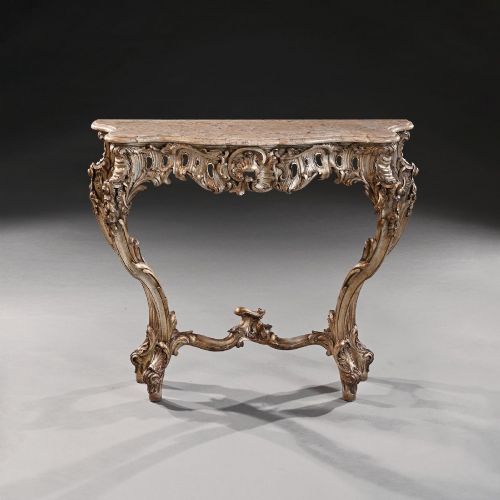
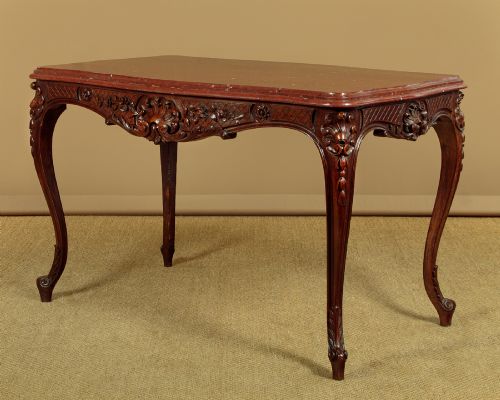
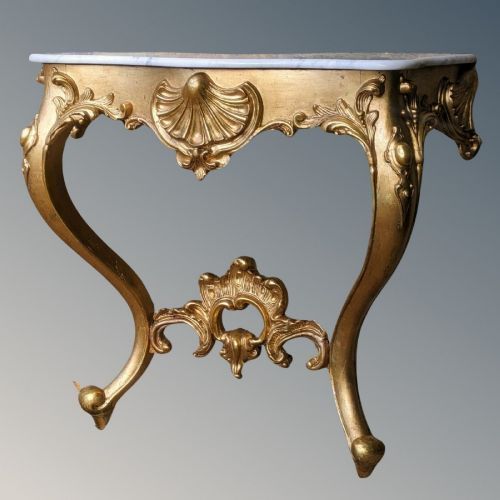
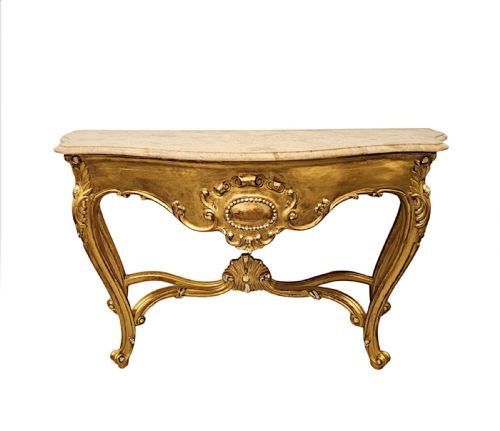
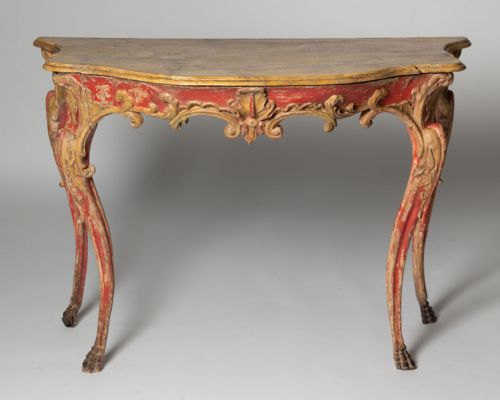
A carved rococo hall table encompasses console tables, centre tables, and side tables shaped by the flowing asymmetry characteristic of the style. These pieces emerge primarily from the eighteenth and nineteenth centuries, with Italian and French origins frequently represented alongside Victorian British interpretations.
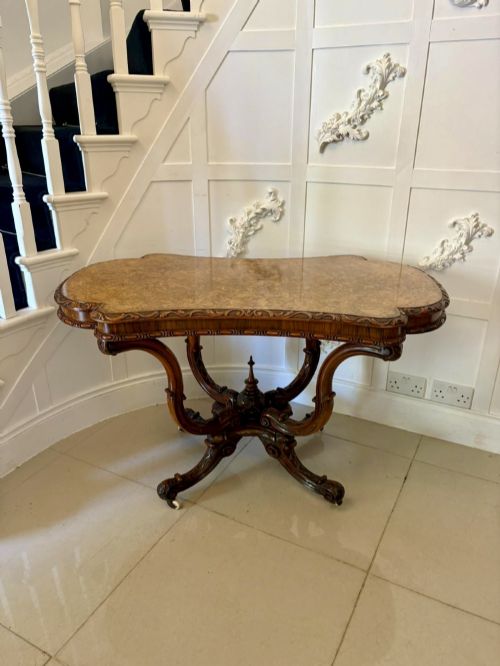
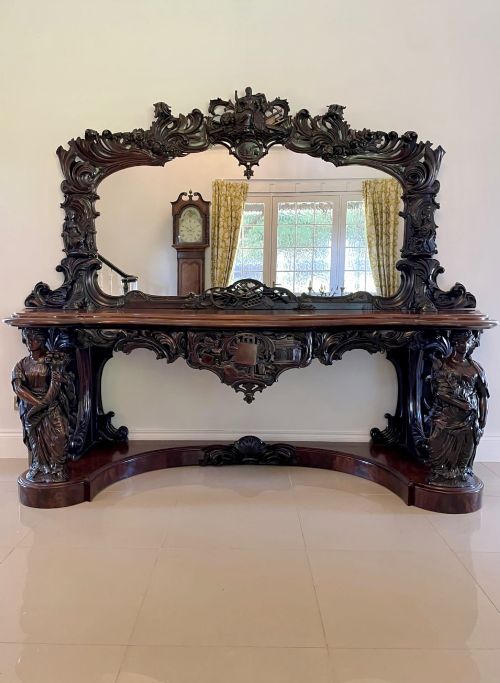
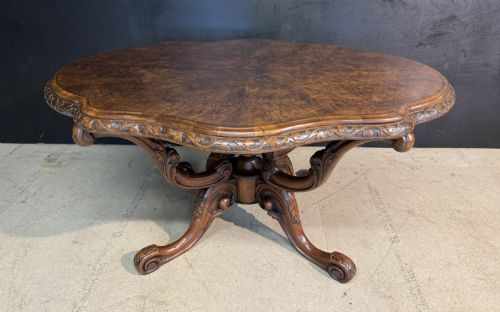
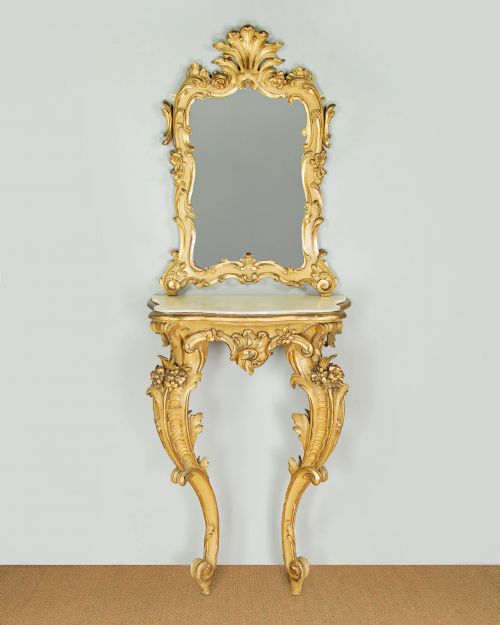
The console table form dominates this selection, often designed to stand against a wall beneath a matching mirror. Alongside these console formats, free-standing centre tables appear in burr walnut and mahogany, offering finished surfaces meant to be viewed from all sides.
Makers and workshops across Europe and Britain embraced these ornamental designs during distinct revival periods spanning the nineteenth and early twentieth centuries. Surviving examples demonstrate how cabinetmakers adapted eighteenth-century motifs for Victorian and Edwardian interiors.
Materials and construction methods
Carved timber provides the structural foundation, utilising woods such as walnut, mahogany, oak, and burr walnut selected for grain pattern and stability. Artisans shaped these timbers by hand, applying gesso layers to prepare wooden surfaces for subsequent gilding or paint finishes.
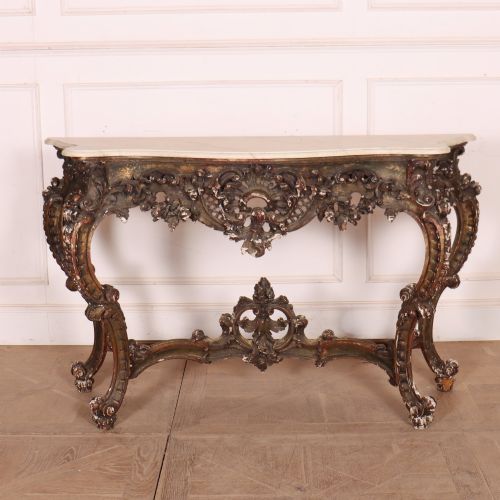
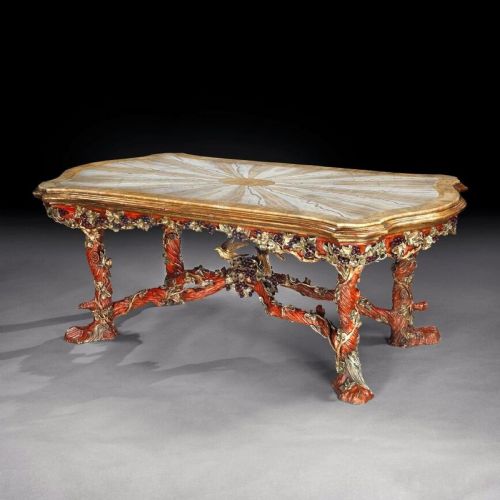
Stone tops, particularly marble, onyx, and white Carrara marble, sit atop carved wooden bases shaped to serpentine and demi-lune contours. Giltwood, silver gilt, and polychrome painted treatments complete the surface decoration, reflecting light across deeply carved scrollwork and foliage.
Some tables require wall anchoring because they prioritised looking gravity-defying over standing up straight on their own.
Distinctions in craftsmanship
Depth and sharpness of the hand-carving separate standard production from exceptional work, as skilled artisans achieved high relief in wood and gesso without losing anatomical or botanical clarity. The fluidity of the asymmetric scrolls reveals the carver's control over the medium.
Integration between the table base and its stone top indicates overall standard, where shaped marble or onyx follows the serpentine curves of the frame with precision. Selection of veneer figure, such as burr walnut or burr oak, further elevates the visual weight of the piece.
Amleto Bertoni·Maple and Co
The Carved Rococo Hall Table Glossary
- Console table
- A table designed to be fixed against a wall, traditionally supported by two front legs with the rear secured to the wall structure.
- Serpentine front
- A furniture front characterised by a concave central section flanked by two convex curves, creating an undulating outline.
- Giltwood
- Timber that has been coated with fine gold leaf or gold powder over a prepared gesso and bole ground.
- Demi-lune
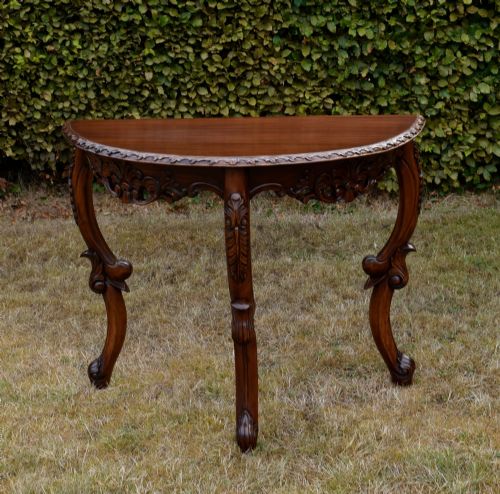
- Half-moon shape, describing tables constructed with a straight back edge for placement against a wall and a semicircular front.
- Gesso
- A plaster mixture applied to wood surfaces as a smooth base for gilding and fine decorative paint work.
Carved Rococo Hall Table: Frequently Asked Questions
Where should a hall table go?
These tables sit flat against an entrance wall to create an immediate focal point upon entering a room or hallway. Many formats pair directly with a hanging mirror positioned directly above.
Free-standing centre tables function differently by occupying the middle of larger spaces rather than hugging perimeter walls.
How do I identify a console table?
Console tables feature a flat back edge designed to stand flush against a wall, often requiring wall attachment for complete stability. Their front legs carry the decorative carved ornament while rear supports remain simpler.
Side tables and centre tables differ by offering four finished sides intended for general placement around a room.
What woods were used for these tables?
Cabinetmakers utilised walnut, mahogany, oak, and burr walnut timbers to build the structural frames and decorative veneered surfaces. Softer woods underneath received thick layers of gesso to hold intricate hand-carved details.
Surfaces often received giltwood, silver gilt, or painted white finishes rather than exposing the raw timber beneath.
Are marble tops original to the tables?
Heavy stone slabs of white Carrara marble, onyx, or rouge marble were paired with console bases to provide durable, decorative surfaces. These stone inserts were cut to match the serpentine and curved contours of each specific wooden frame.
Different regional workshops routinely combined carved giltwood frames with fitted stone inserts during the eighteenth and nineteenth centuries.