

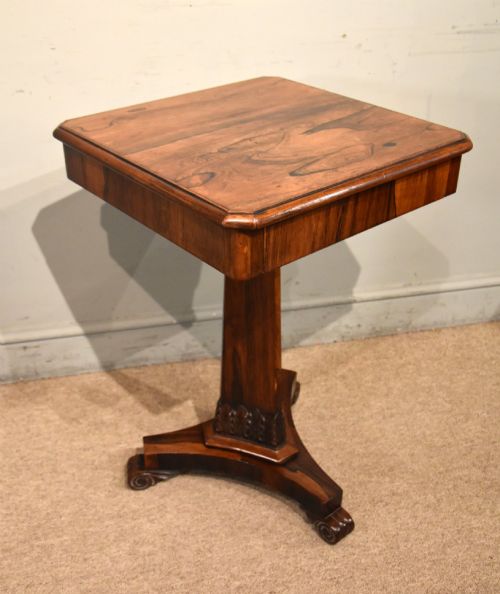
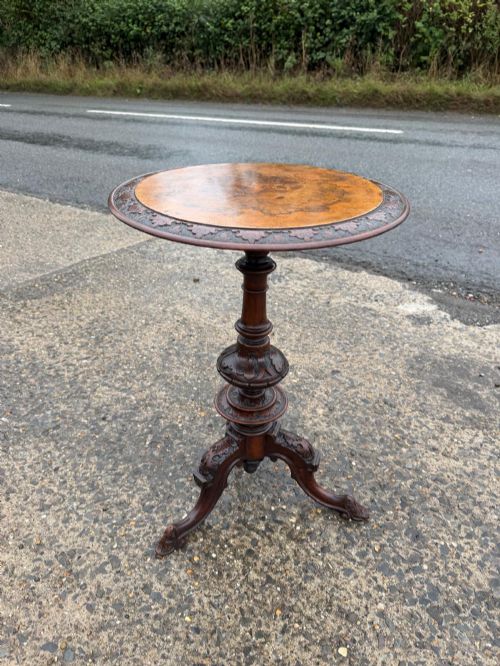
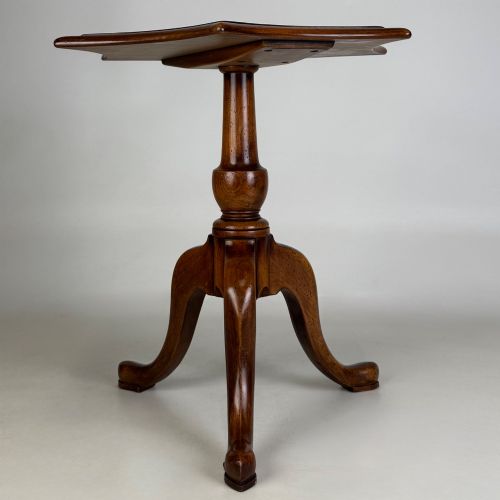
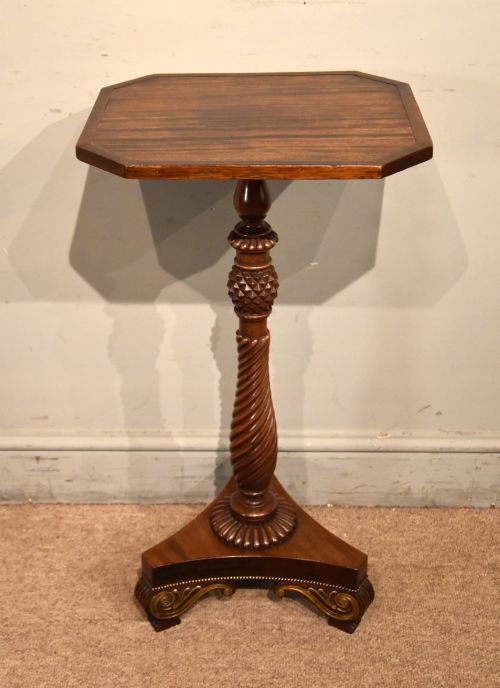
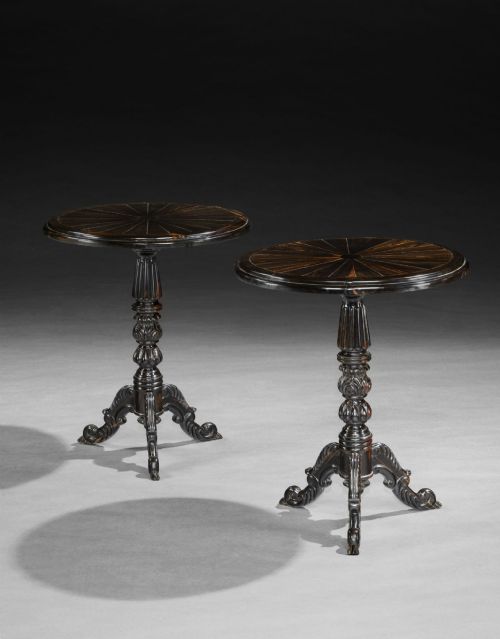
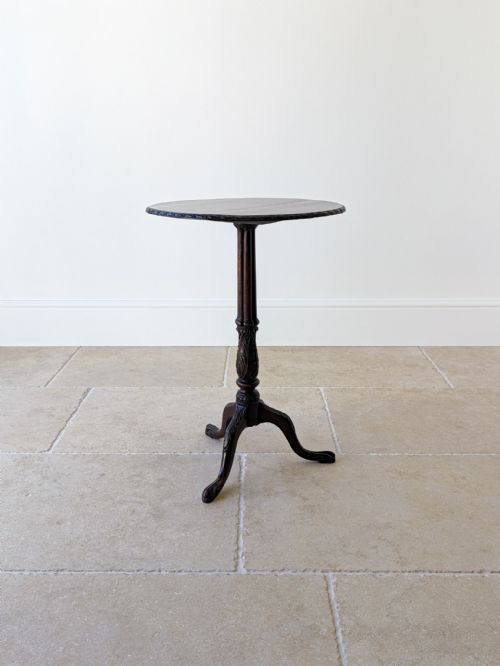
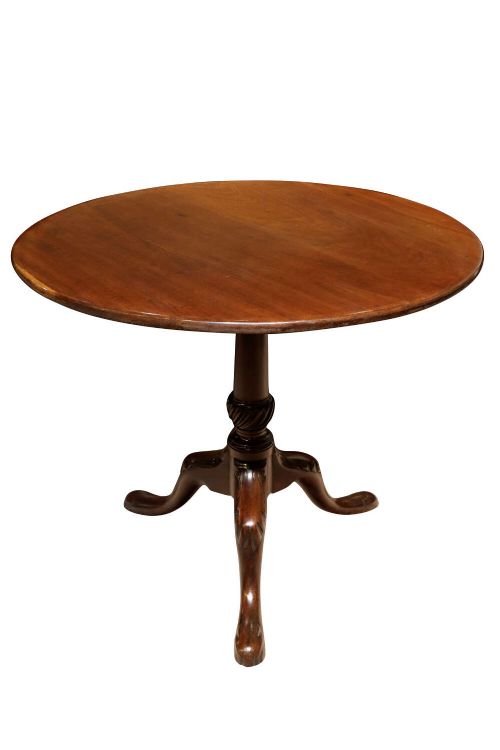
Carved Pedestal Wine Table
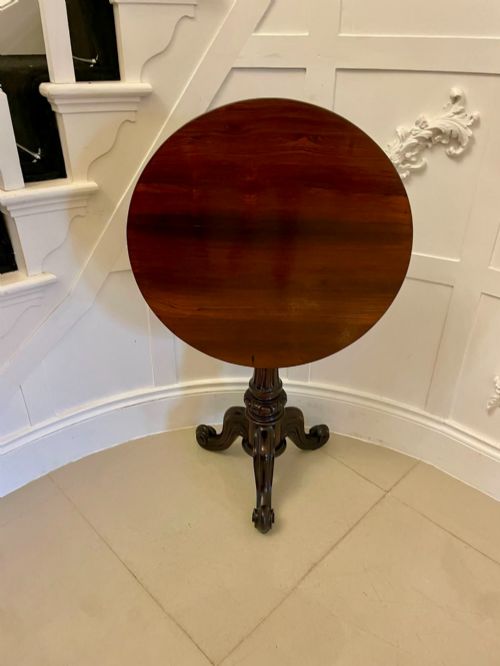
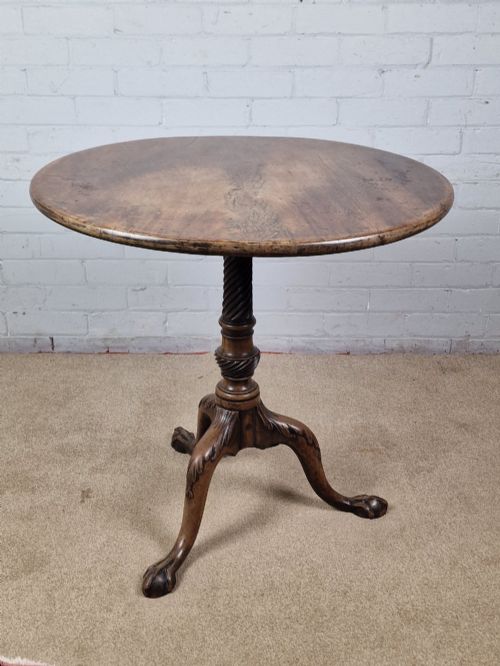
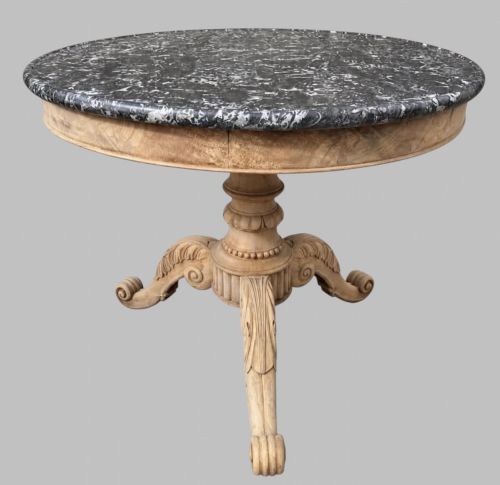
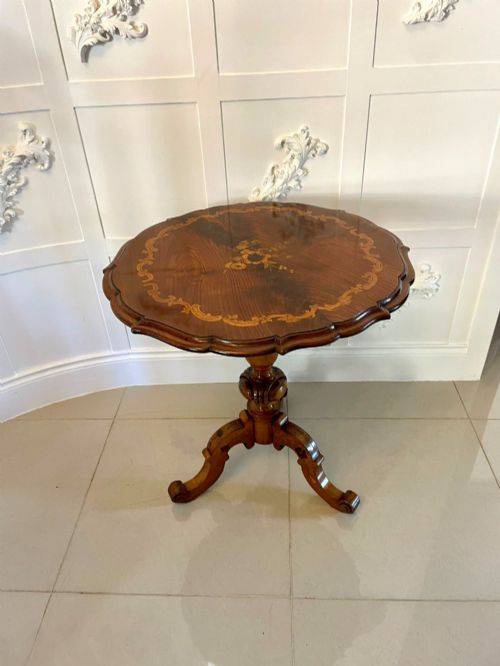
These carved pedestal wine table pieces combine compact utility with classic timber craftsmanship, offering an elegant surface for drinks and display.
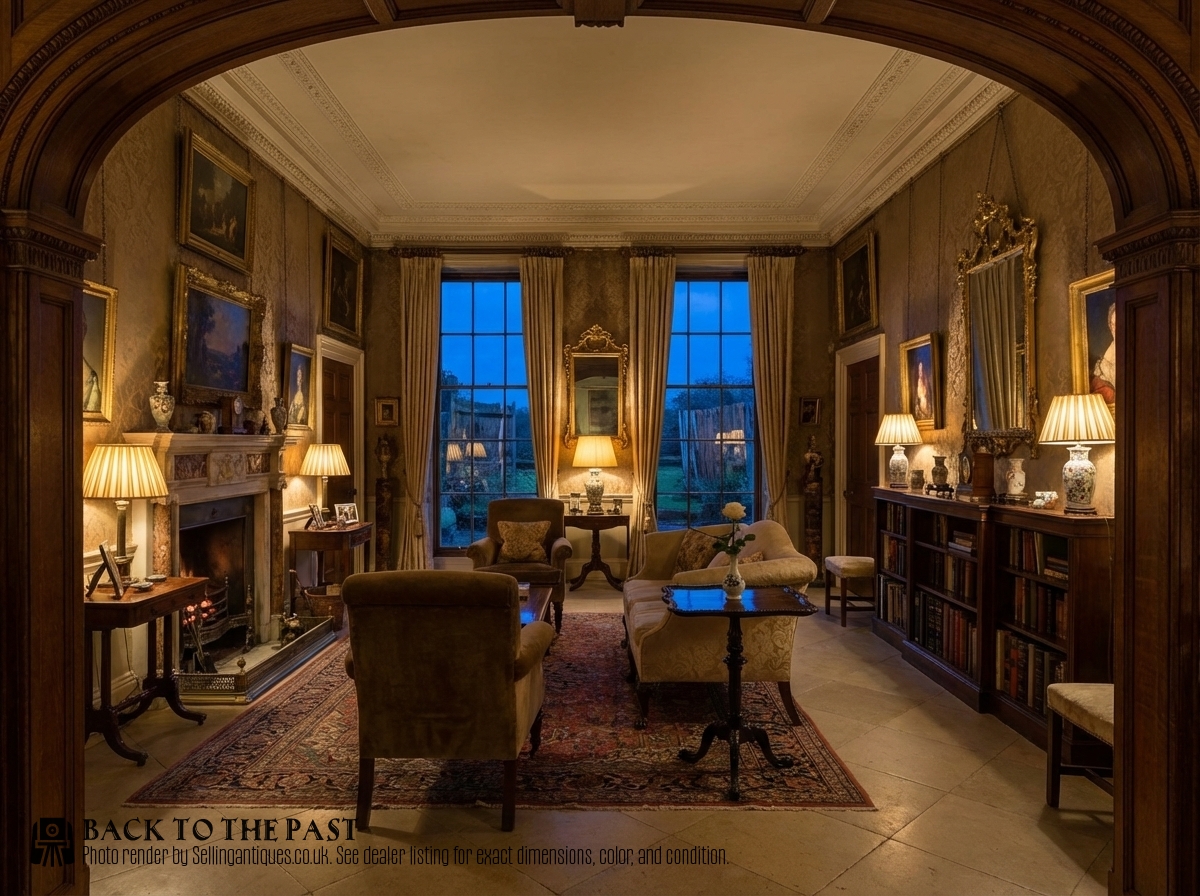
Carved Pedestal Wine Table
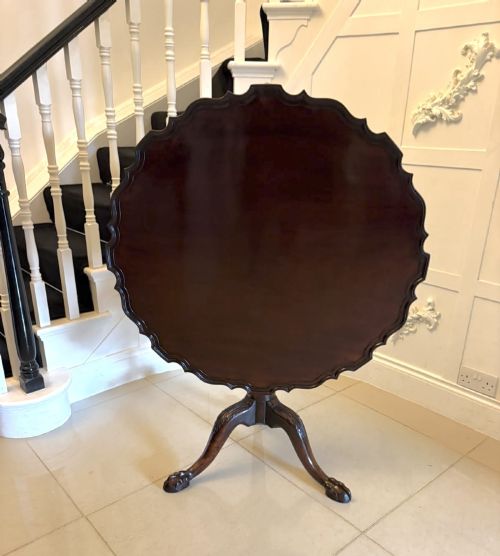
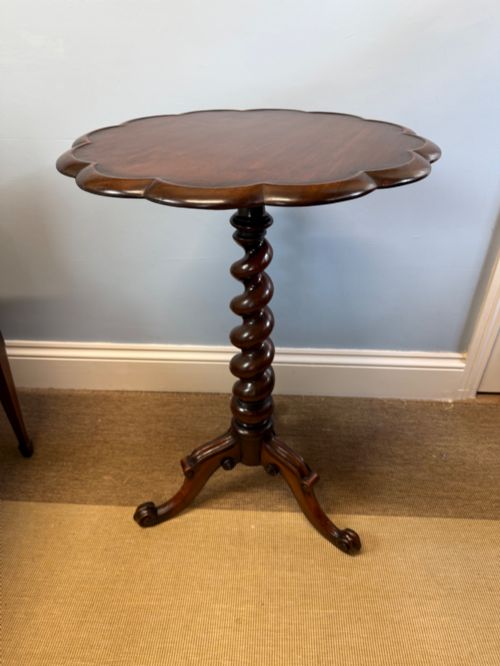
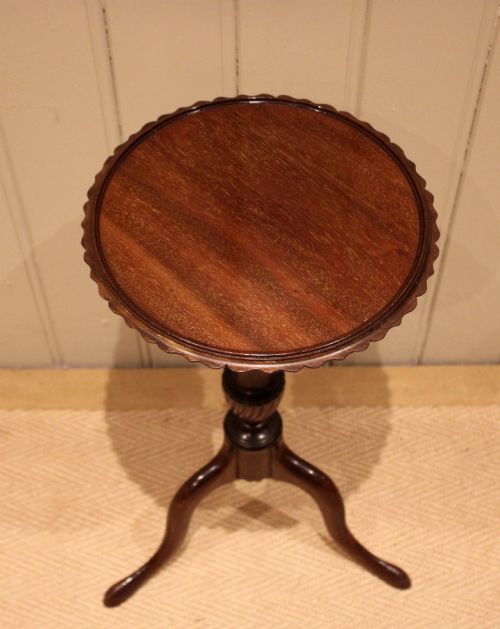
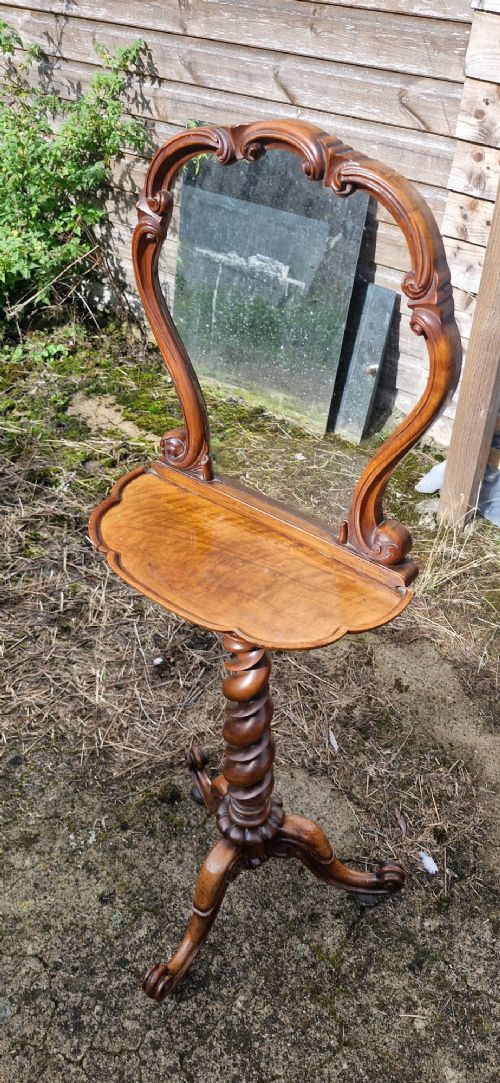
The selection ranges from early Georgian and Regency iterations through to Edwardian interpretations and revival styles. Many pieces utilise tilt-top mechanisms or incorporate subtle carvings along the pillar and rim to add visual interest without sacrificing stability.
Origin and regional craftsmanship vary, with English mahogany and walnut sitting alongside occasional continental or imported woods like rosewood and teak. These tables suit modern interiors just as effectively as period rooms, offering a practical footprint and distinct character.
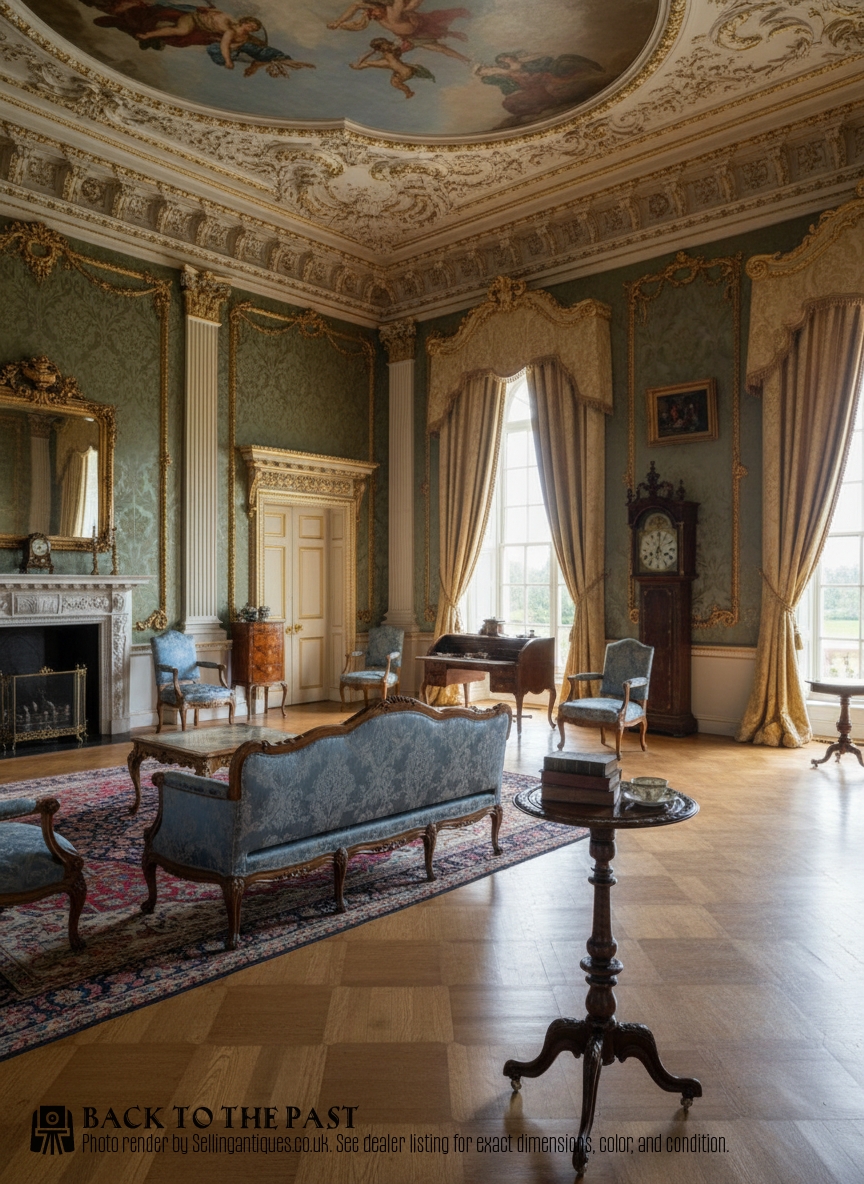
Materials and Construction
Cabinetmakers relied heavily on dense hardwoods such as mahogany, walnut, and rosewood to achieve the necessary strength for slender pedestals and tripod legs. These timbers were often selected for striking grain patterns, including burr walnut veneers, or augmented with decorative marquetry inlay.
Joinery involved sturdy central tenons and iron or wooden mechanisms for tilt-top variants, allowing the top to fold flat when not in use. Turning lathes shaped the central pillars, whilst hand carving produced detailed tripod feet and pie-crust rims.
Carved Pedestal Wine Table Retail Price Guide 2026
Typical asking prices for carved pedestal wine table among the pieces listed under this phrase on Sellingantiques today, from the lower quarter to the upper quarter. They describe what is for sale here now, not the wider market.
Mahogany and walnut dominate the timber selection across these listings, accompanied by rosewood, oak, and marble elements.
Distinctions in Quality
The distinction between standard and superior pieces rests on the choice of timber and the crispness of the carved details. Fine examples exhibit tight grain matching, substantial weight in the pedestal base, and smooth operation in any tilt-top or folding mechanism.
Proportion and balance dictate the architectural success of a piece, ensuring the tabletop remains stable upon its tripod support. Hand-carved elements display purposeful chisel work rather than soft, machine-moulded uniformity.
Gillow
The Carved Pedestal Wine Table Glossary
- Tilt-top table
- A table equipped with a hinged mechanism allowing the surface to rotate and store vertically against the base. This design saved space in period drawing rooms when the table was not in active service.
- Tripod base
- A supporting structure consisting of three curved legs radiating from a central pillar. This configuration ensured stability on uneven floorboards.
- Pie-crust rim
- A raised, decoratively carved tabletop edge resembling pastry work. It prevented items from sliding off the surface during use.
- Marquetry
- The art of applying decorative veneer pieces in wood to form geometric or floral patterns. It added rich surface decoration to the top panels of formal tables.
- Gueridon
- A small occasional table supported by a single central column or figures. The form originated in seventeenth-century France.
Carved Pedestal Wine Table: Frequently Asked Questions
What was a wine table used for?
These small tables were positioned beside seating areas to hold glasses, decanters, and bottles during evening gatherings. Their compact size allowed servants to move them easily about the room.
Over time, their utility expanded beyond wine service to include holding lamps, books, and decorative objects in drawing rooms and parlours.
Are these tables sturdy enough for daily use?
Most tripod tables offer surprising stability when placed on level flooring, thanks to the wide splay of their three legs. The central pillar distributes weight evenly down to the feet.
While robust, heavy downward pressure should be avoided on the outer edges of tilt-top variants to protect the hinge blocks and pivot pins.
How do I tell Victorian tables from earlier periods?
Victorian examples frequently display heavier proportions, darker finishes, and sometimes elaborate carving or burr wood veneers. Earlier Georgian and Regency pieces tend to favour lighter timber selections, restrained lines, and finer brass fittings. Nail construction, secondary woods used in the underframe, and the style of turning on the central column provide further clues to dating.