



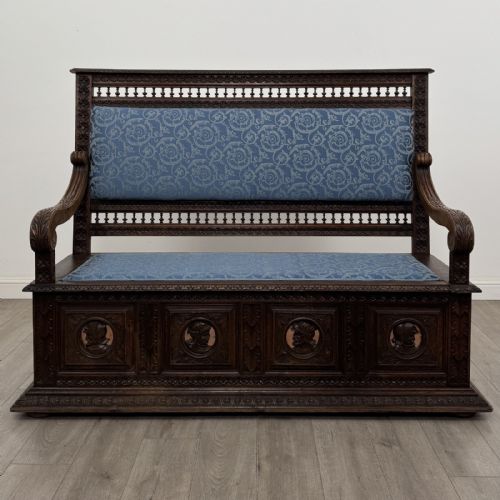
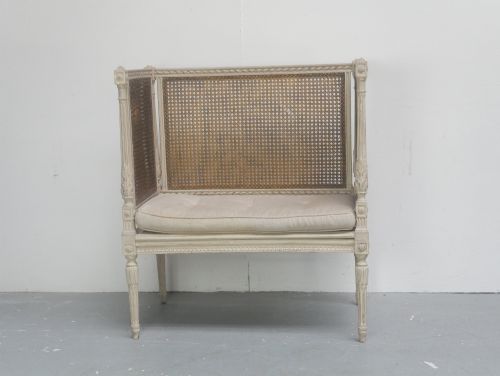
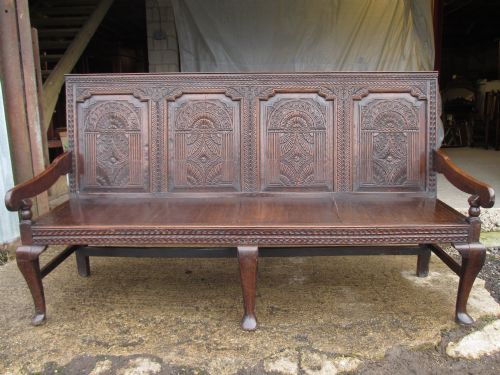
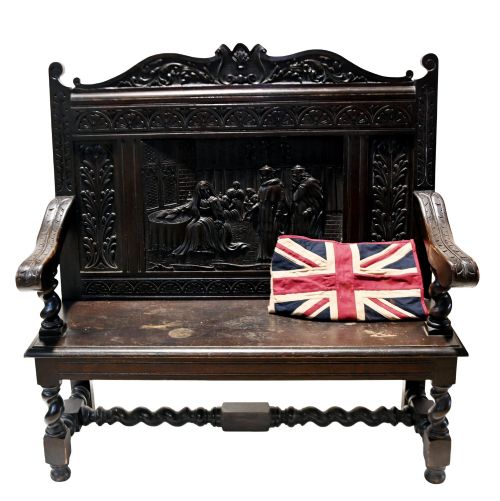
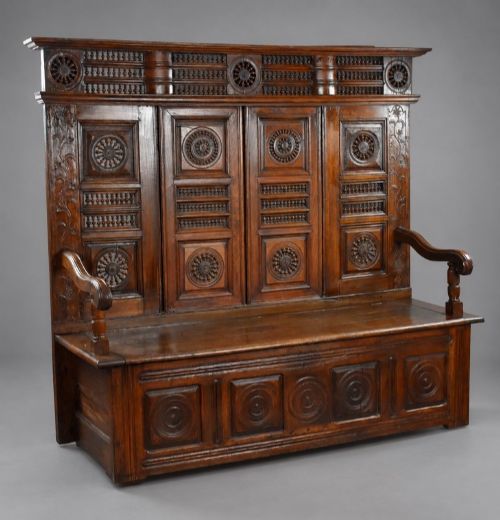
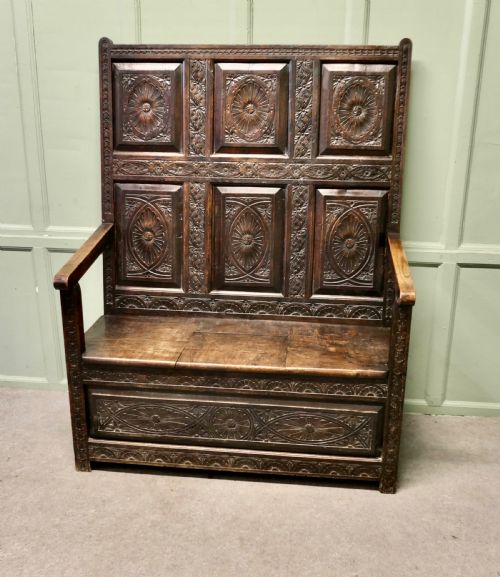
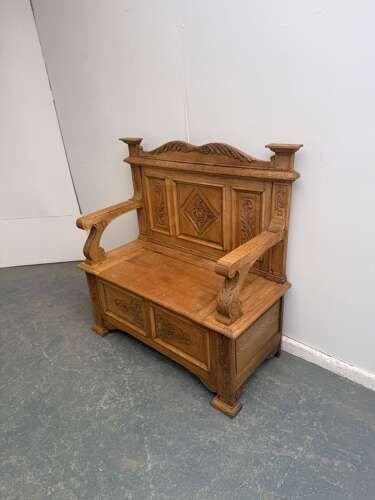
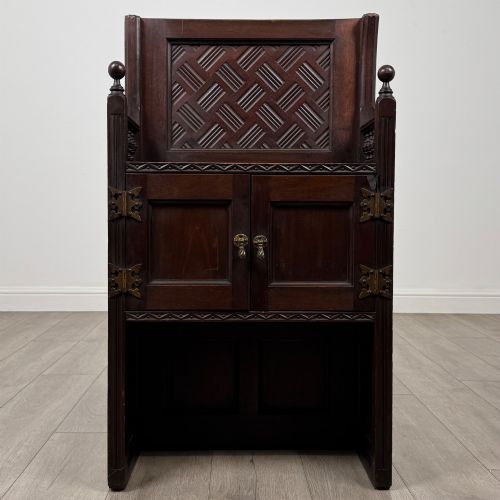
Carved Panel Hall Bench
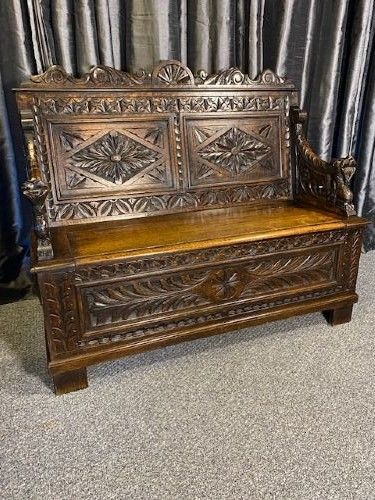
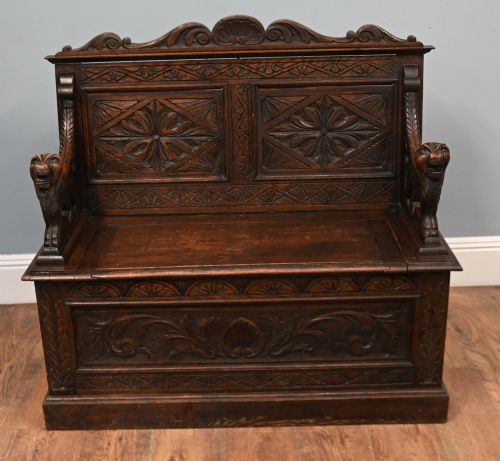
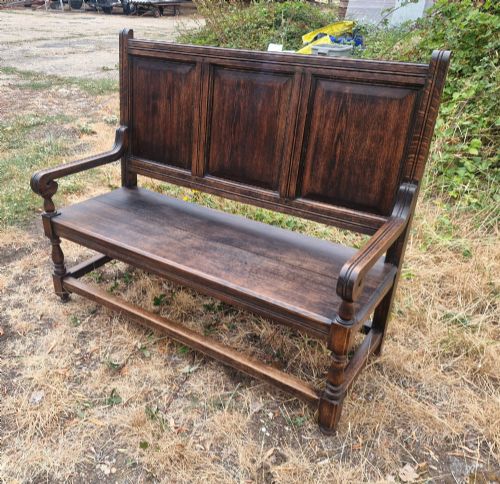
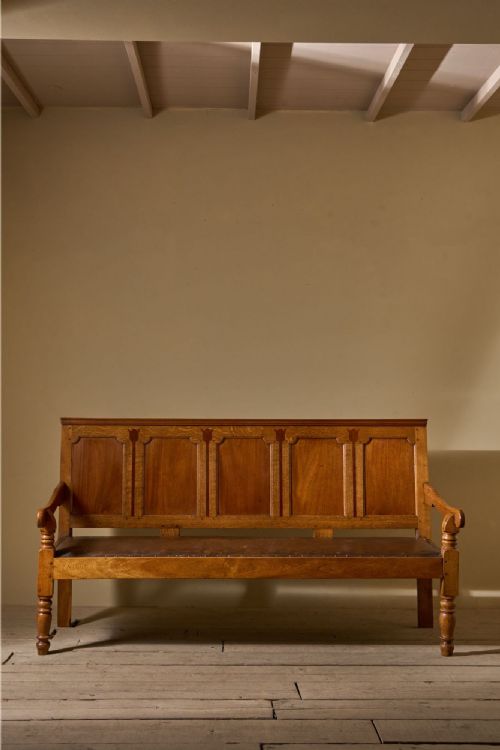
A carved panel hall bench brings substantial timber presence and deep historic character straight into an entranceway.
Carved Panel Hall Bench
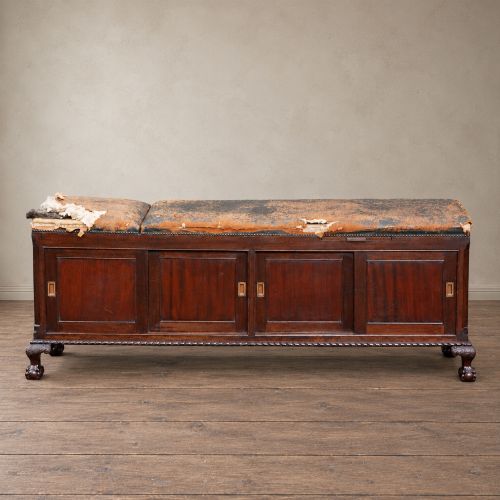
A carved panel hall bench serves as a commanding entranceway seat, combining heavy timber construction with integrated backrests and often enclosed storage compartments beneath the seat. When searching for a carved panel hall bench, you encounter forms that span centuries, including high back designs, box settles, and low seat variants intended for hallways and corridors.
The pieces appearing on this page stretch chronologically from the 17th century through the 18th century, Victorian era, Georgian period, Edwardian years, up to the 1920s and 1930s. Oak dominates the selection entirely, though examples in mahogany, walnut, pine, and fruitwood also emerge among regional country pieces.
Makers and craftsmen historically produced these seating items to shelter occupants from draughts in large halls, utilising robust joinery and hinged lids for blanket or cloak storage. The typology bridges straightforward benches and enclosed settles, resulting in sturdy architectural furniture built for everyday domestic utility.
Materials and Construction Methods
Carpenters constructed these benches primarily using solid oak boards, assembling panels within sturdy frames to resist warping over decades of daily use. Secondary timbers such as pine and fruitwood appear in regional pieces, while hardware typically comprises iron hinges and fastenings.
Carving was executed directly into the solid timber panels using chisels and gouges, creating raised geometric patterns, floral motifs, or figural scenes. Workshops applied wax finishes to seal the wood, allowing the natural grain and historic patination to develop richness across centuries.
Carved Panel Hall Bench Retail Price Guide 2026
Typical asking prices for carved panel hall bench among the pieces listed under this phrase on Sellingantiques today, from the lower quarter to the upper quarter. They describe what is for sale here now, not the wider market.
Listings feature oak predominantly, supported by mahogany, walnut, pine, and fruitwood across pieces spanning the 17th century to the 1930s.
Distinctions in Quality and Execution
The crispness and depth of the carved panels separate ordinary utility seating from finer examples, with skilled carvers producing deeply undercut details rather than shallow surface incisions. Proportion also dictates desirability, as smaller proportions or grand high-back proportions command greater attention than heavy, unbalanced proportions.
Originality of timber and surface patination determines the standing of a piece, distinguishing untouched waxed oak surfaces from later alterations or heavily restored frames. The presence of integrated box storage, original ironwork, and untouched panel construction elevates the integrity of the bench.
The Carved Panel Hall Bench Glossary
- Settle
- A wooden bench with a high back, solid arms, and often a box base intended to keep out draughts. These pieces formed the central seating of early domestic halls.
- Box Settle
- A variant featuring a lidded compartment beneath the seat for storing household textiles and garments. The integrated box adds substantial weight and utility to the frame.
- Panel
- A flat piece of wood fitted within a surrounding frame to accommodate seasonal timber shrinkage without splitting. Panelled construction defines the backs and sides of traditional hall benches.
- Patina
- The surface sheen and mellow colour acquired by timber through age, handling, and regular waxing. A good patina indicates untouched historical surfaces.
- Jacobean Revival
- A 19th-century stylistic movement copying the dark, heavily carved furniture of the 17th century. Pieces in this style utilise traditional joinery methods combined with revivalist ornament.
Carved Panel Hall Bench: Frequently Asked Questions
How do I use a hall bench today?
A carved panel hall bench provides practical seating in an entrance hall while offering concealed storage beneath the seat for shoes and everyday items.
The sturdy timber backrest protects walls from wear and creates an immediate focal point upon entering a home.
Are these benches comfortable to sit on?
These historical seats feature rigid wooden boards and upright high backs designed for firm posture rather than lounging.
Owners frequently add loose scatter cushions or squabs upholstered in fabric or leather to soften the seat.
How do I tell an 18th-century bench from a Victorian copy?
Examining the construction marks, timber shrinkage, and hand-cut joinery reveals the true age of the wooden frame.
Earlier pieces show irregular tool marks and dry patination, whereas Victorian revivals often feature uniform machine sawn components.
What maintenance does old oak require?
Applying a traditional bees wax periodically nourishes the dry timber and maintains the rich historical sheen across the carved panels.
Keeping the bench away from direct heat sources prevents the solid wood from splitting or warping over time.