



Carved Oak Side Cupboard
When you search for a carved oak side cupboard, you are looking at substantial timber storage built for utility and display across centuries.
Carved Oak Side Cupboard
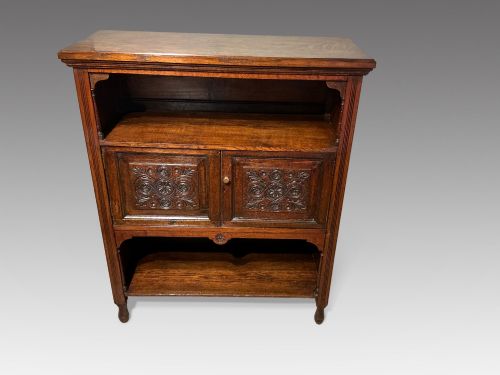
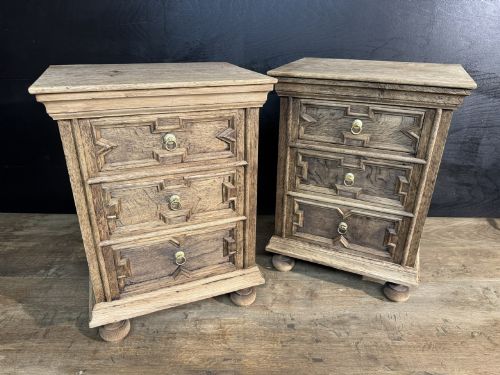
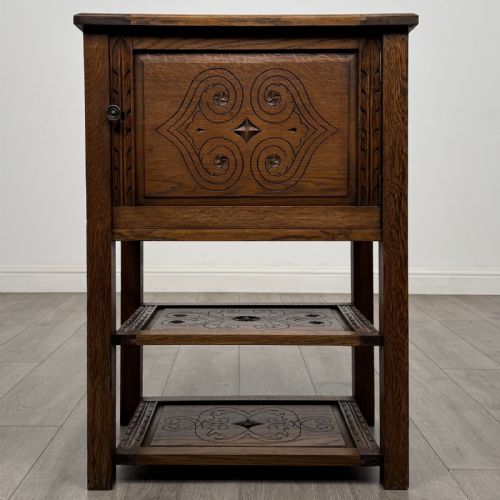
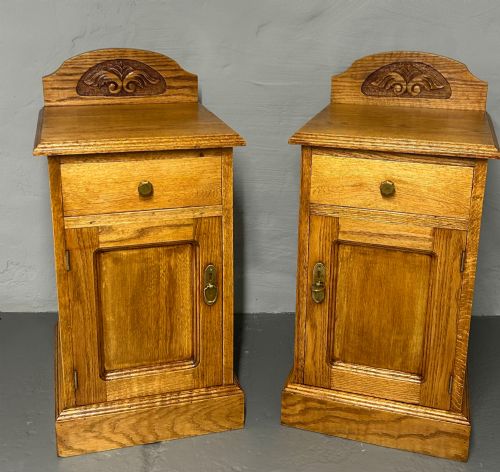
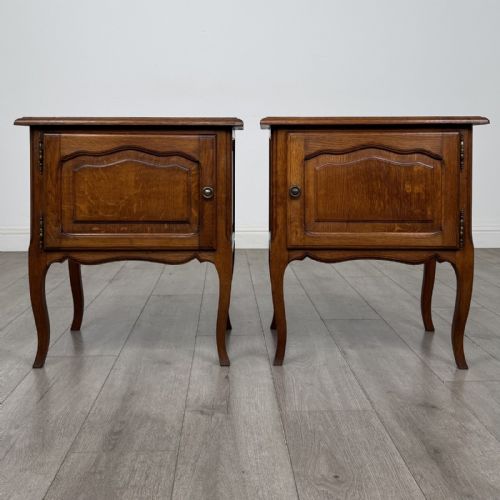
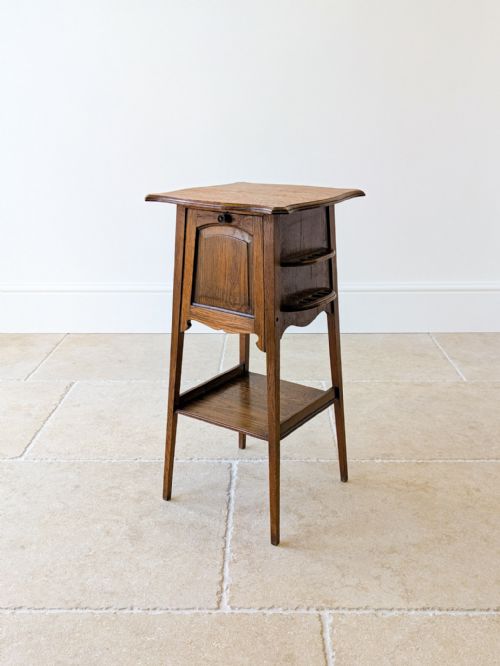
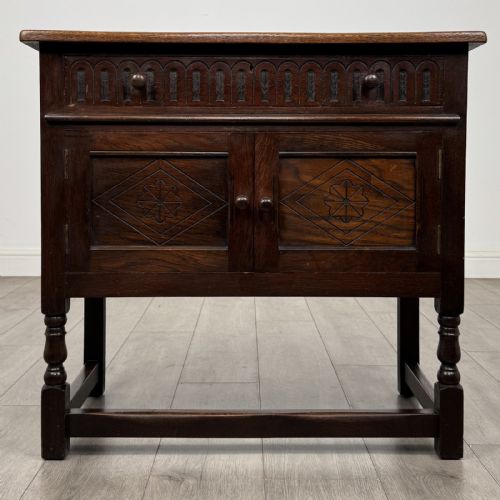
A carved oak side cupboard provides enclosed timber storage designed to stand against a wall in a hall, dining room or bedchamber. These sturdy forms range from compact bedside cabinets and small court cupboards to large Victorian buffets and sideboards.
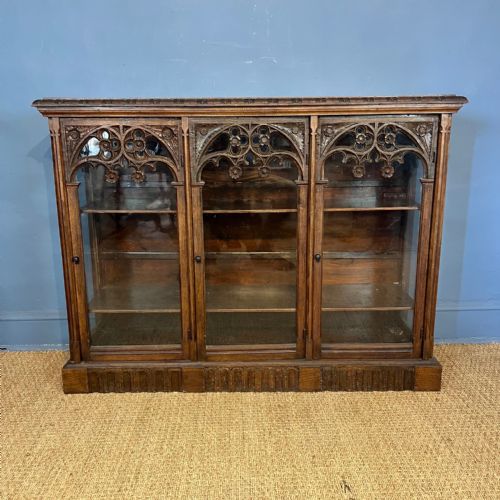
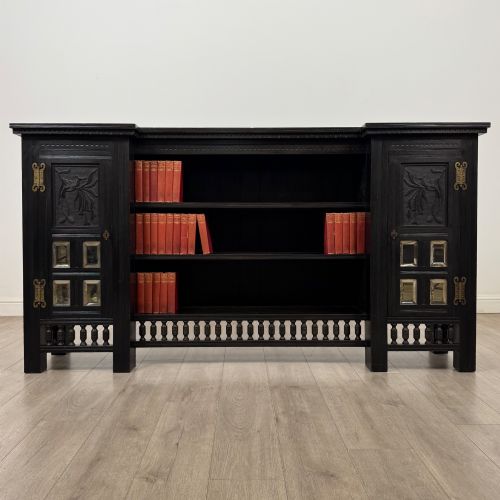
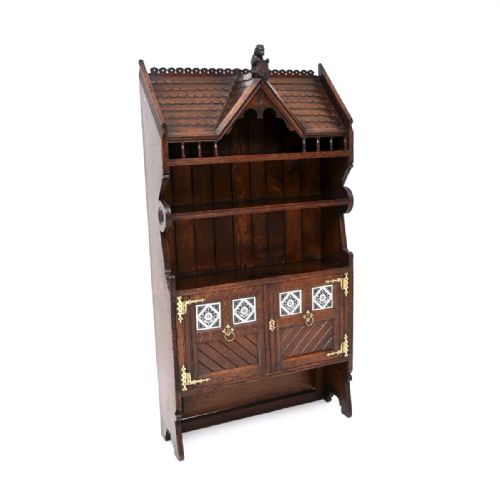
The pieces on this page span several centuries, with vernacular and revival examples appearing frequently. You will encounter robust 17th-century press cupboards alongside heavily carved Victorian Gothic designs and later Jacobean revival side cabinets from the early 20th century.
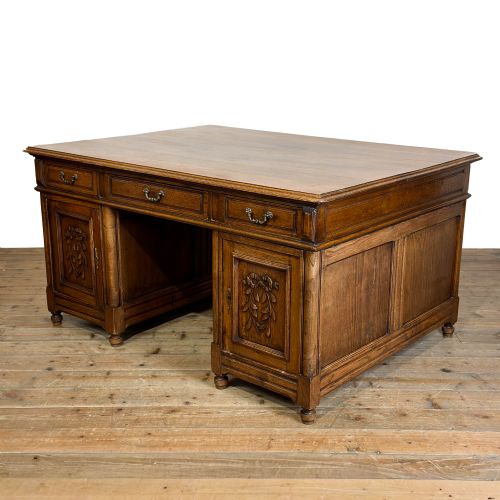
Makers adapted these cabinets for changing domestic needs, incorporating drawers, panelled doors and shelved interiors. Whether French, English or continental in origin, each piece balances functional storage with decorative surface carving.
How they were made
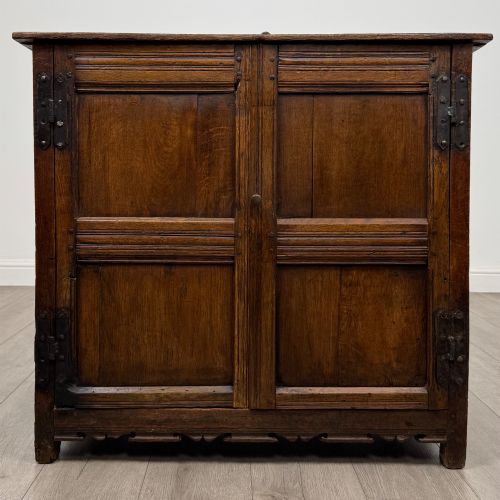
Cabinet makers constructed these pieces primarily from solid oak, utilising traditional frame-and-panel joinery to accommodate the natural movement of timber. Secondary timbers such as pine sometimes appear in concealed areas like drawer linings or interior shelving.
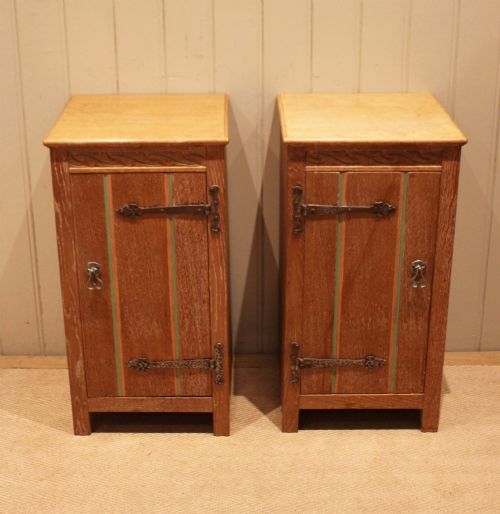
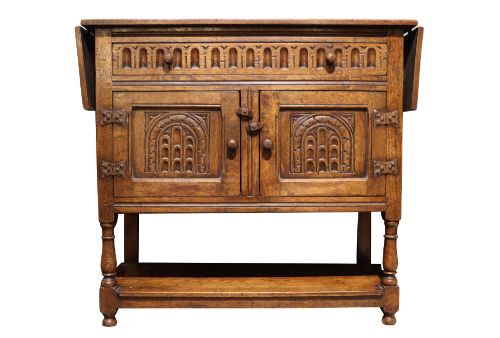
Surface decoration relies on deep chisel work, featuring motifs such as linenfold, guilloche, strapwork and foliage. Iron, brass and wrought iron hardware, including hinges, drop handles and escutcheons, secures the doors and drawers while adding structural contrast.
Carved Oak Side Cupboard Retail Price Guide 2026
Typical asking prices for carved oak side cupboard among the pieces listed under this phrase on Sellingantiques today, from the lower quarter to the upper quarter. They describe what is for sale here now, not the wider market.
Materials paired with oak across these pieces include brass, iron, wrought iron, glass, marble and painted pine.
What varies in quality
The depth and crispness of the hand carving distinguish finer examples from mass-produced or later revival pieces. Superior cabinets display sharp relief work where the chisel marks reveal deliberate intent rather than shallow mechanical stamping.
Construction methods also dictate worth, as evidenced by pegged joints, well-fitted drawers and substantial timber thickness rather than glued veneers or modern fasteners. Original hardware and undisturbed surface patination elevate a piece significantly.
The Carved Oak Side Cupboard Glossary
- Court cupboard
- A heavy oak storage piece featuring an upper recessed cabinet supported by pillars above a lower section. These early forms were used for displaying plate and storing provisions.
- Green Man
- A decorative architectural motif depicting a human face carved with leaves, vines or branches emerging from the mouth. This imagery appears frequently on Victorian and revival oak panels.
- Linenfold
- A style of wood carving resembling folded parchment or linen, used extensively on panelled doors during the Tudor and later revival periods.
- Credence cabinet
- A small ecclesiastical or domestic side table used for holding sacramental elements or valuables, often featuring folding leaves or doors.
- Press cupboard
- A large enclosed storage unit fitted with interior shelves or hanging space, secured by heavy panelled doors.
Carved Oak Side Cupboard: Frequently Asked Questions
How do I date an oak cupboard?
Examine the construction methods, tool marks, and joinery style visible on the interior and backboards. Pegged joints and hand-riven timber generally point to earlier centuries, while machine-cut elements suggest later revival periods.
Compare the surface patination and hardware with known examples from specific eras. Secondary woods and fastener types also help establish a reliable timeframe.
Where should I place a side cupboard?
These versatile pieces suit hallways, living spaces, and dining rooms where their proportions can anchor a wall. Ensure the depth of the cabinet allows for comfortable clearance in domestic walkways.
Keep solid oak furniture away from direct heat sources and strong sunlight to prevent timber shrinkage and finish degradation. Adequate spacing preserves both the piece and the room's balance.
How do I care for antique oak?
Maintain the timber by applying traditional beeswax sparingly to nourish the dry surface. Buff gently with a soft cloth to preserve the natural lustre and build up over time.
Avoid commercial liquid polishes containing silicone, which can penetrate open oak pores and damage the finish. Consistent dusting with a dry cloth is usually sufficient for daily maintenance.