

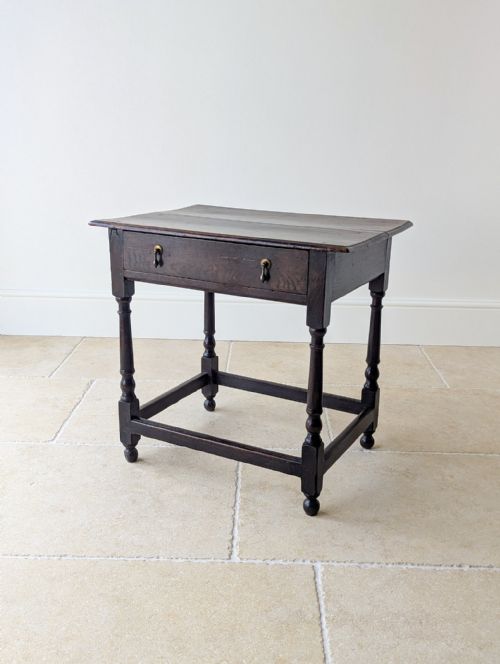
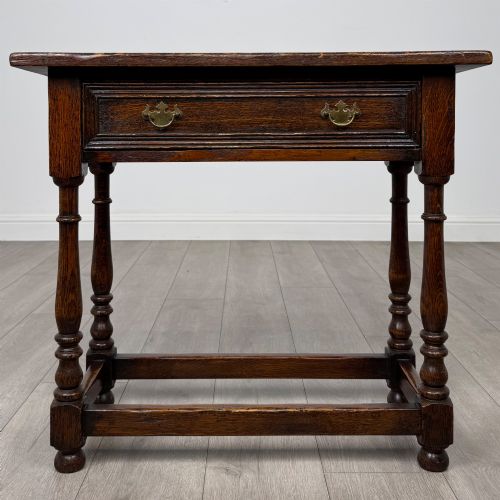
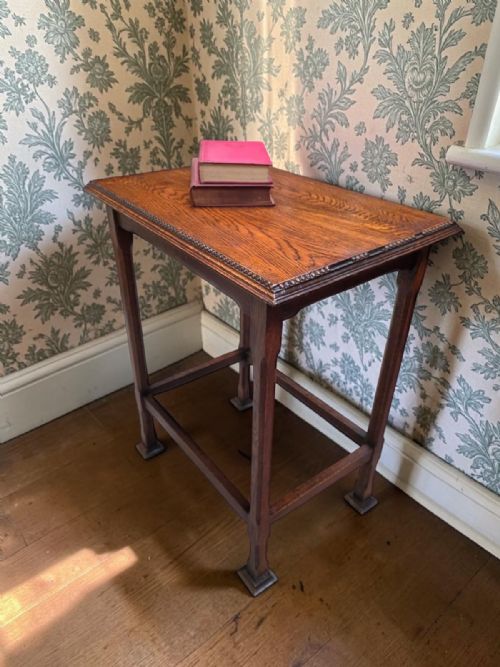
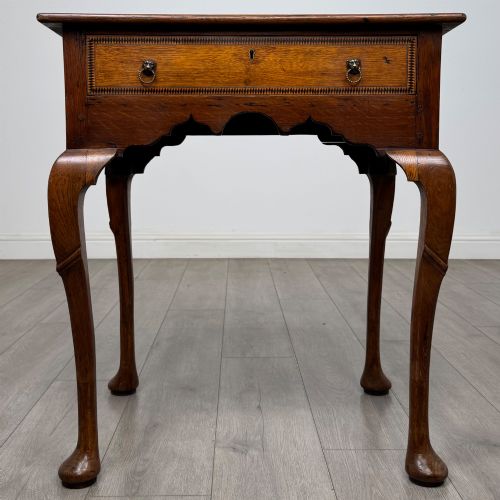
Carved Oak Lamp Table
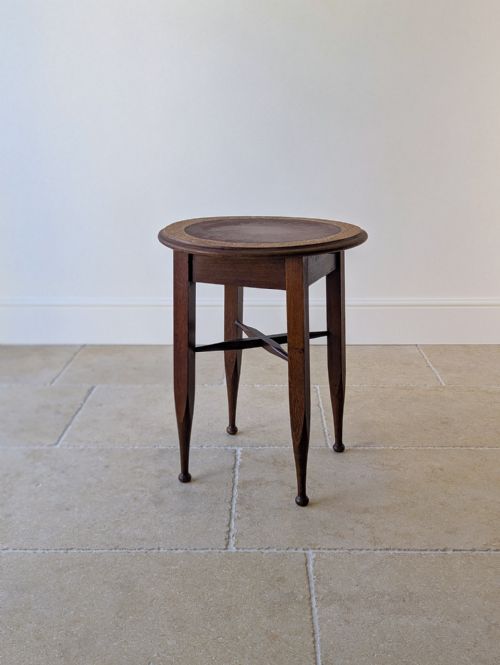
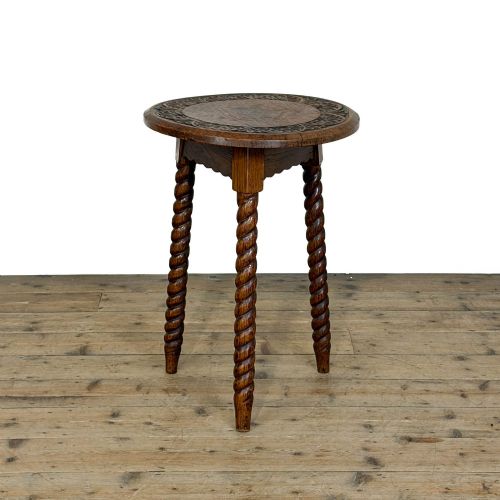
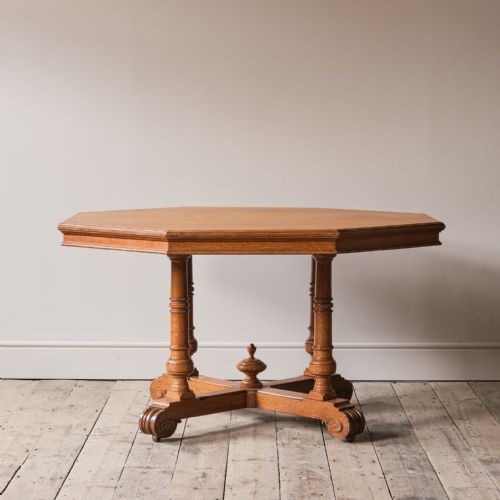
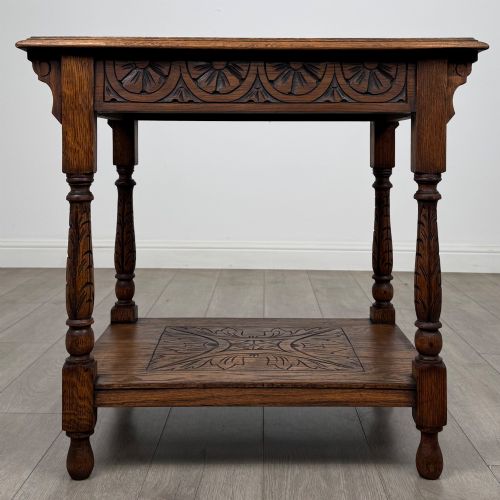
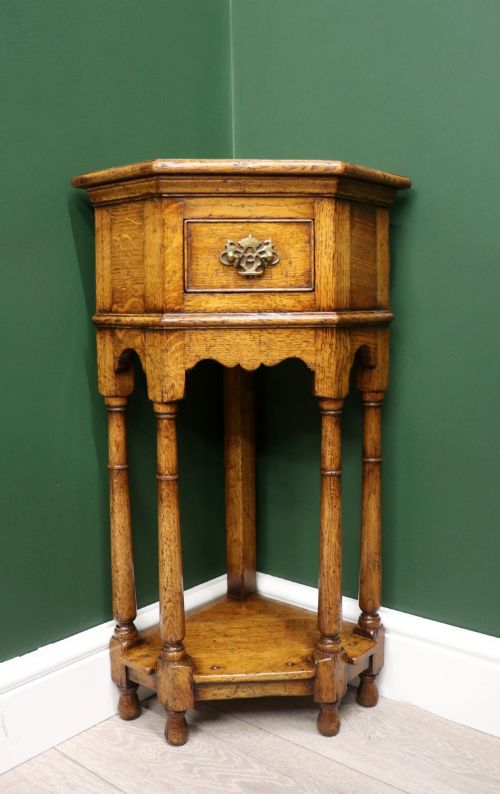
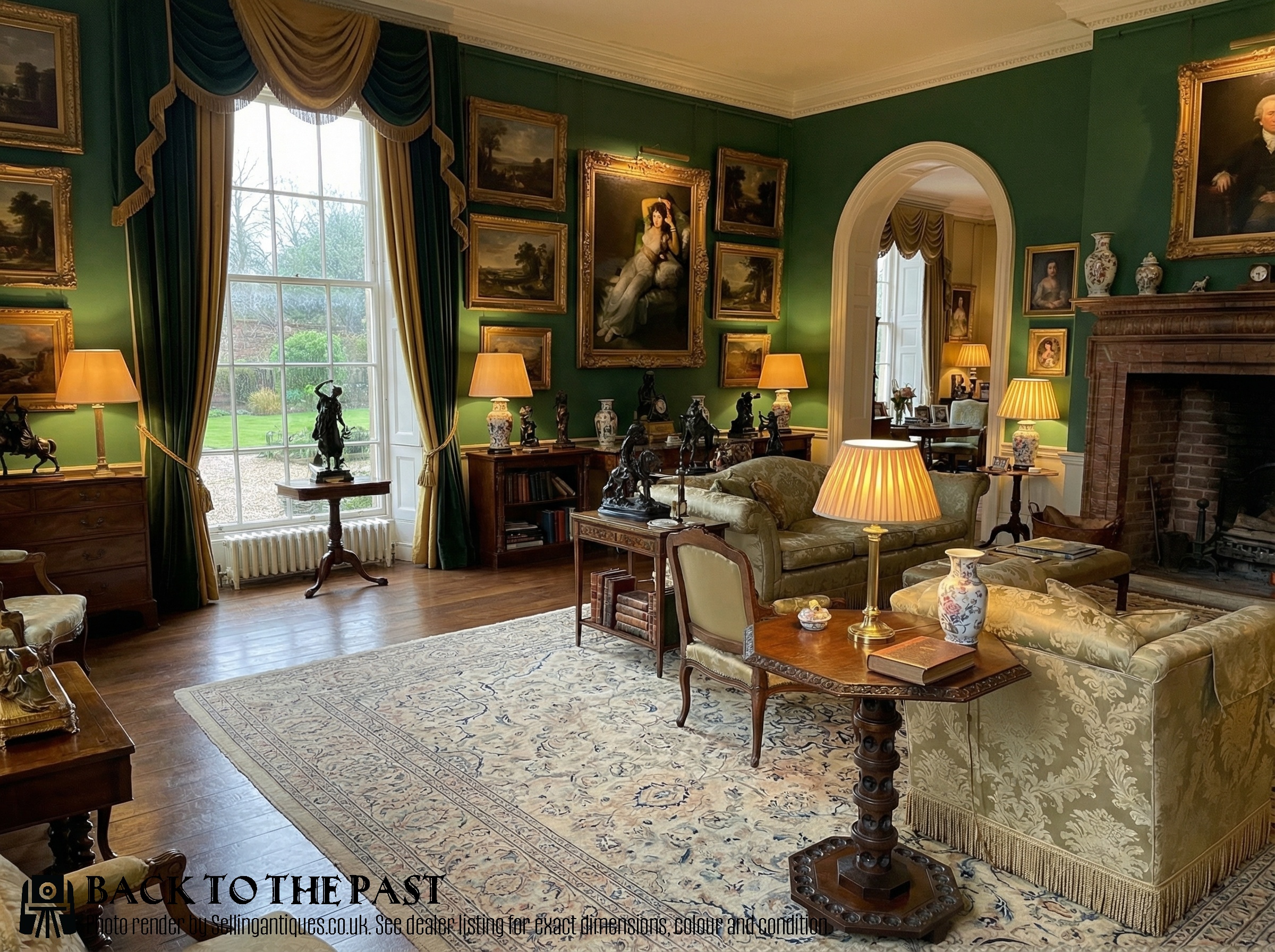
These carved oak lamp tables bring solid timber and carved detail straight to the corner of a room.
What they are
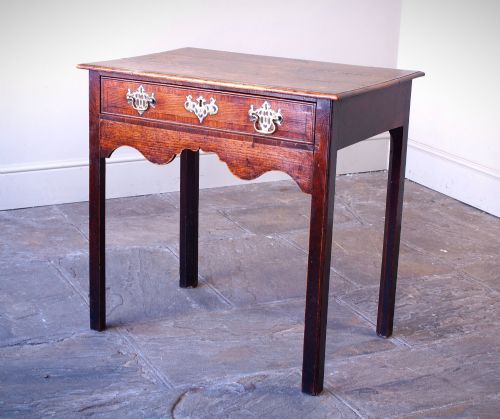
A carved oak lamp table stands ready to hold a light or sit beside a chair, taking the form of side tables, occasional tables, and centre tables across this selection. These pieces arrive from the eighteenth century, the Victorian and Edwardian eras, through to nineteen twenty, shaped by various historical revivals.
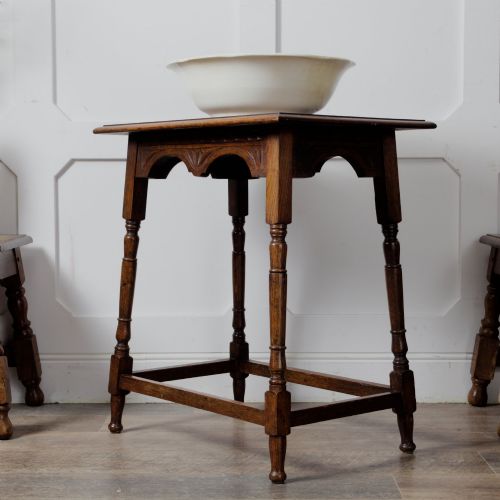
The Victorian period and the Edwardian years supply many of the examples seen here, often featuring turned legs, drop leaves, or low surfaces. Regional English work sits alongside French examples and pieces influenced by Italian design, offering a variety of silhouettes for domestic spaces.
Buyers look for these compact pieces to bring traditional timber grain and carved ornament into hallways, drawing rooms, and studies. Their robust construction suits daily use while adding period character to an interior.
What varies in quality
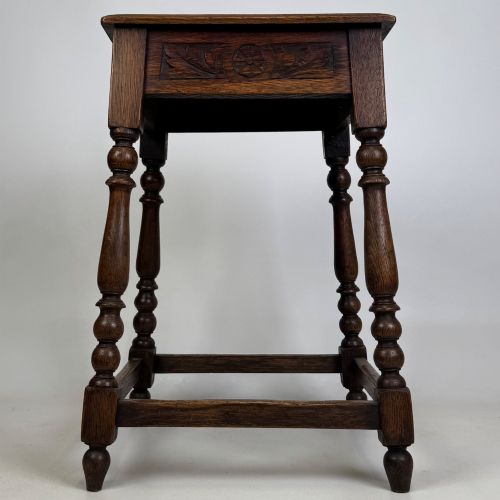
The refinement of the carving dictates much of the distinction between standard items and superior examples. Crisp, deeply incised foliage and geometric motifs show the hand of a skilled artisan, whereas simpler production tends towards shallower work.
Material selection also plays a part, with figured pollard oak and intricate parquetry marking out the more ambitious pieces. Structural integrity in the joints and the original condition of the timber finish determine the overall standing of an individual table.
Retail Price Guide 2026
Typical UK retail prices for carved oak lamp table, calculated from the Sellingantiques database of over a million retail prices indexed since 2003. This retail price guide relies exclusively on Sellingantiques data; no external sources or auction records are used, so the figures do not describe the wider market.
Object forms on this page include side tables, occasional tables, centre tables, and specific variations like lift top and drop leaf designs.
The Carved Oak Lamp Table Glossary
- Pollard oak
- Oak timber taken from a tree that has been pruned close to the trunk, producing a tightly grained and highly figured surface pattern. This decorative wood was favoured for superior occasional tables.
- Parquetry
- A geometric mosaic of wood pieces used for decorative effect on furniture surfaces. It adds visual complexity to table tops.
- Barley twist
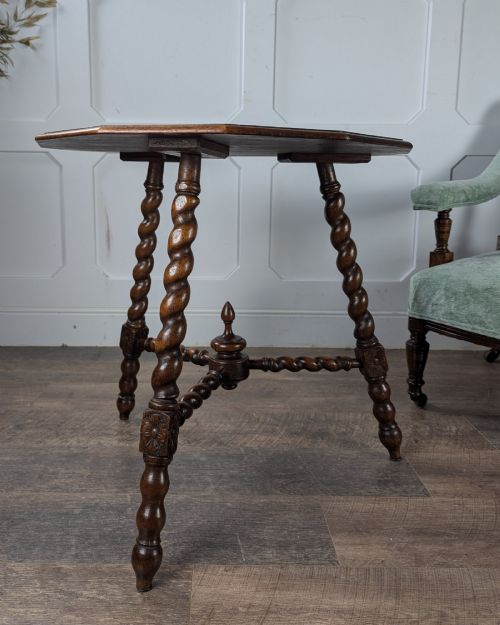
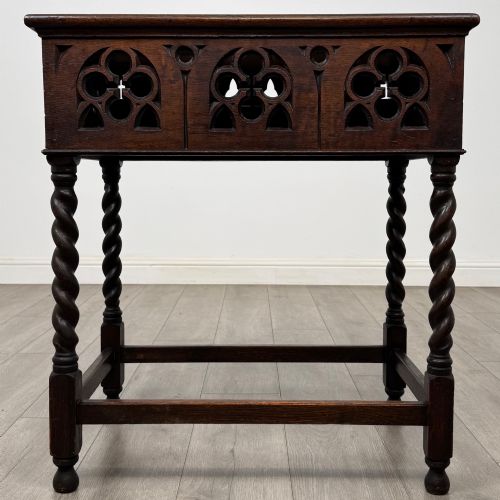
- A turned wooden column resembling a helix or a winding rope, frequently used for table legs during the seventeenth and nineteenth centuries. This form creates a strong play of light and shadow.
- Tripod base
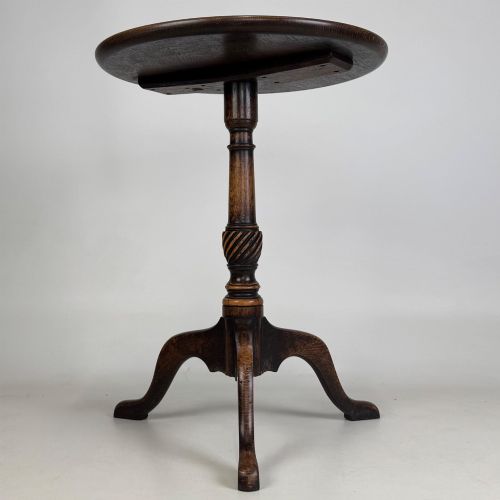
- A support structure featuring three legs radiating from a central column, common on small lamp and occasional tables. This design provides stability on uneven floorboards.
- Gothic Revival
- An architectural and decorative style drawing on medieval forms, featuring pointed arches and heavy carved ornamentation. Pieces from this movement often display dramatic silhouettes.
Frequently Asked Questions
What is a lamp table?
A lamp table is a small surface designed primarily to hold a lighting fixture beside a chair or sofa. These compact pieces also function effectively as side tables or hall stands in domestic interiors.
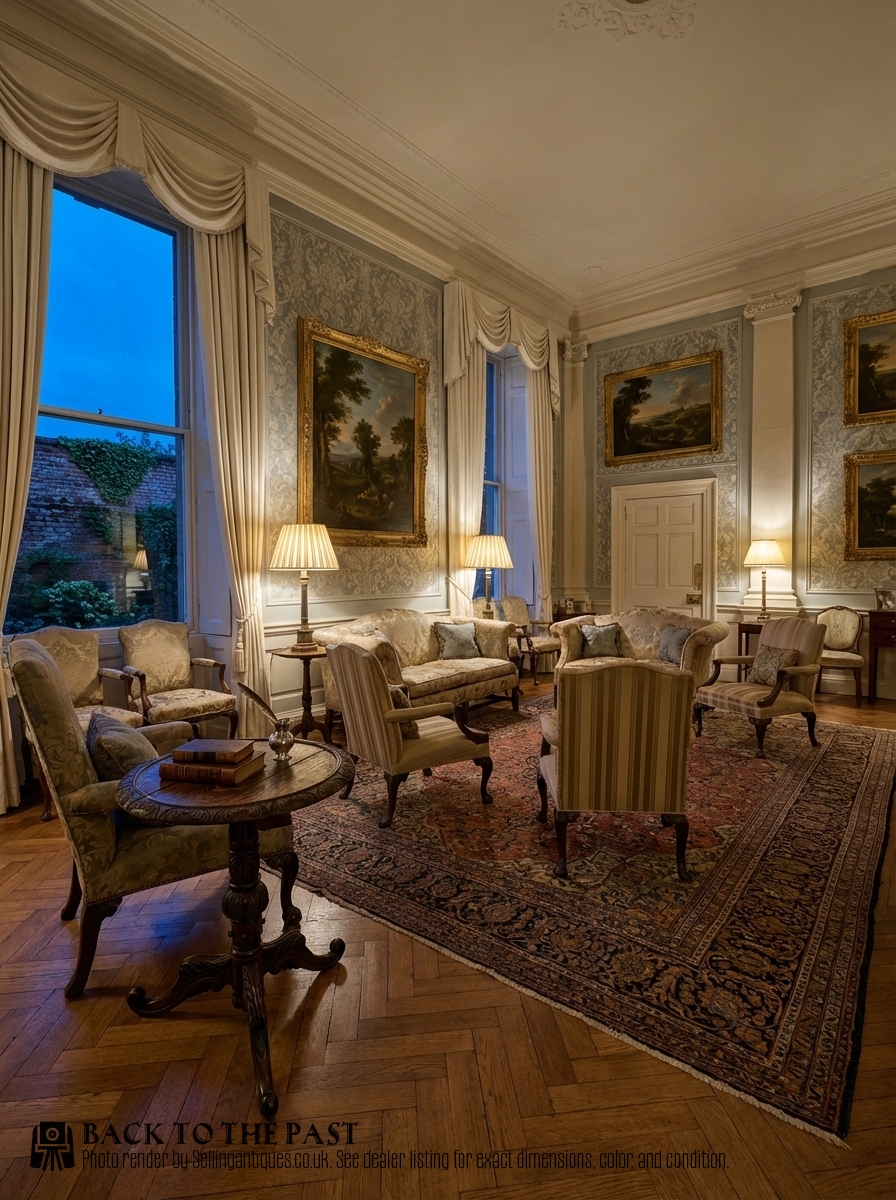
In period rooms, they provide a convenient surface without dominating the floor space. Their solid construction allows them to handle everyday placement of lamps, books, and small decorative objects.
How old are these tables?
The pieces available span from the eighteenth century through the Victorian and Edwardian eras up to nineteen twenty. Victorian and Edwardian examples make up a significant portion of the selection.
Revival styles from the nineteenth century often draw inspiration from earlier Jacobean or Gothic designs. Examining the timber, turning, and joinery helps to establish the approximate period of manufacture.
Where should I place one?
These tables suit corners, hallways, and living rooms where a compact surface is required. Their small footprint makes them ideal for filling awkward spaces beside seating.
The varied forms, including square, octagonal, and circular tops, allow them to fit different room layouts. They pair well with traditional interiors and add warmth when mixed with modern decor.
Are they made of solid wood?
The pieces listed utilise solid oak and pollard oak for their construction. This robust timber ensures longevity and a substantial feel in daily use.
Parquetry surfaces and turned legs further demonstrate traditional woodworking methods. Natural grain variations mean each table possesses a distinct appearance.