




Carved Oak Hall Chest
A carved oak hall chest brings heavy timber and centuries of dark grain directly to an entranceway, offering practical storage alongside a commanding presence.
Carved Oak Hall Chest
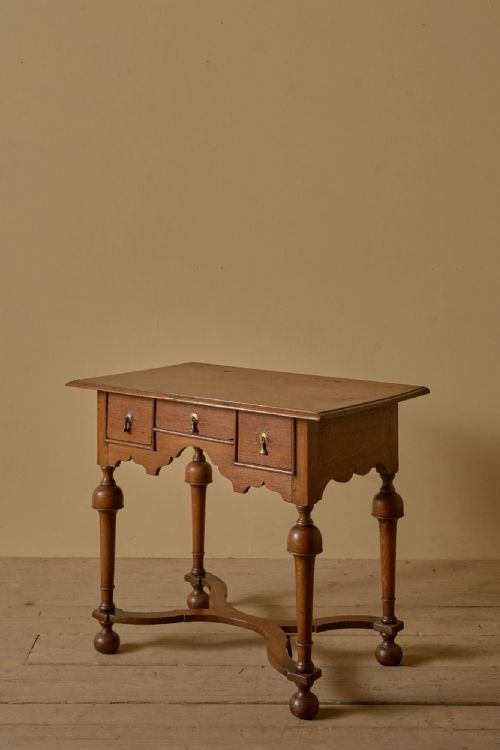
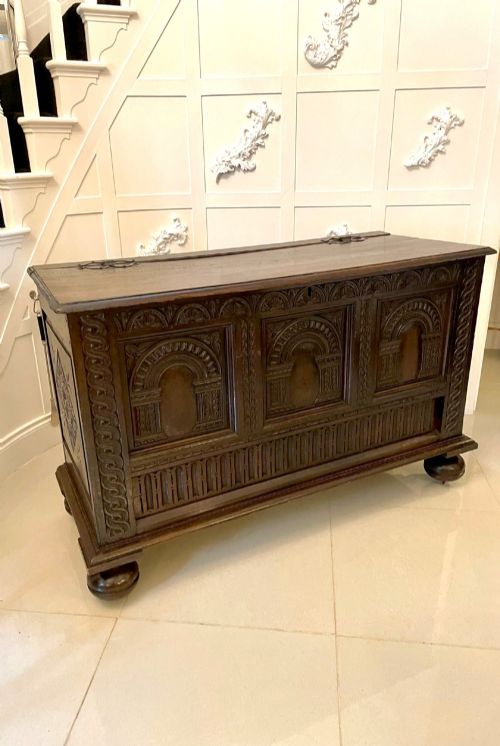
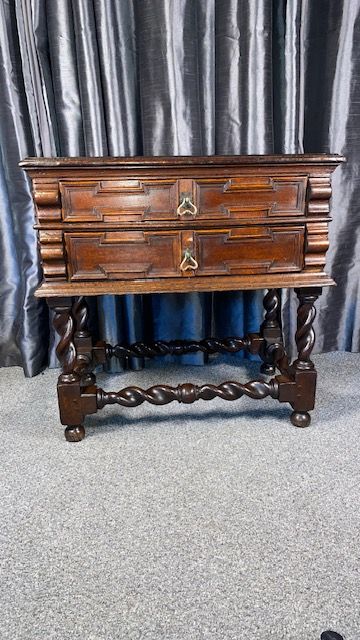
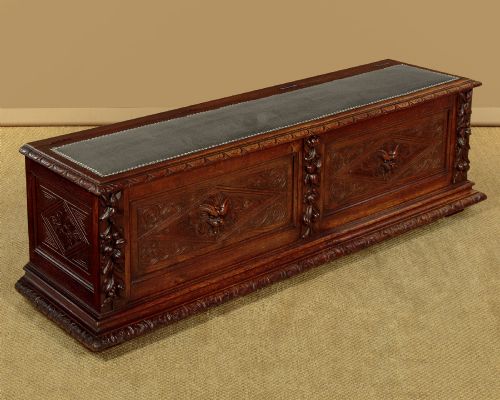
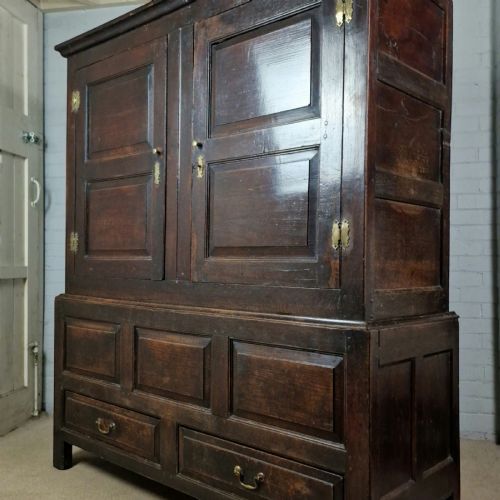
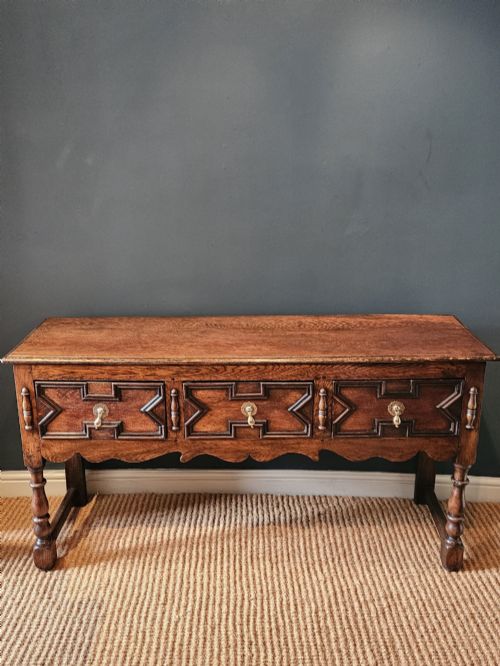
When you search for a carved oak hall chest, you encounter a robust selection of heavy seating furniture, coffers, and storage pieces predominantly fashioned from solid oak. The pieces on this page span several centuries, reaching from the seventeenth century through the Georgian and Victorian eras into the early twentieth century.
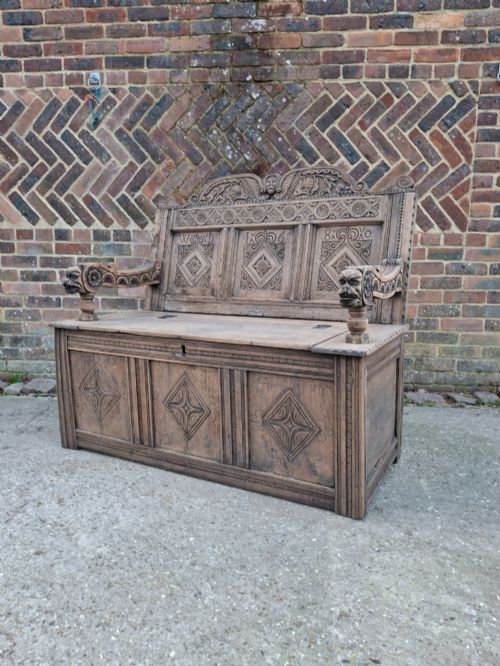
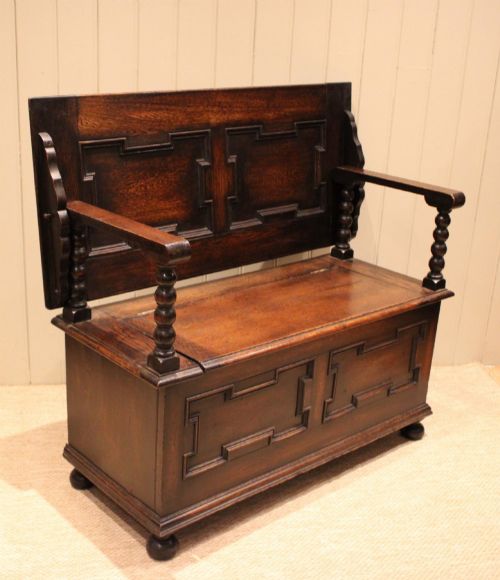
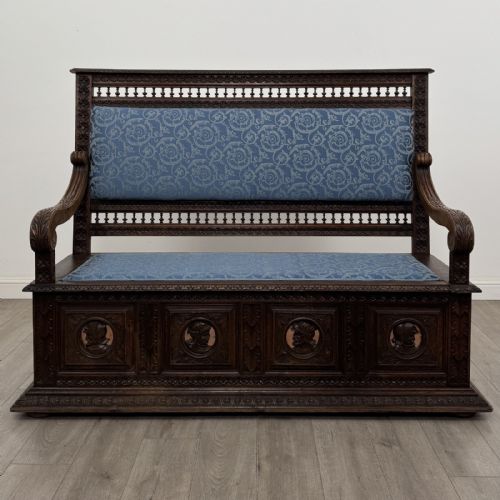
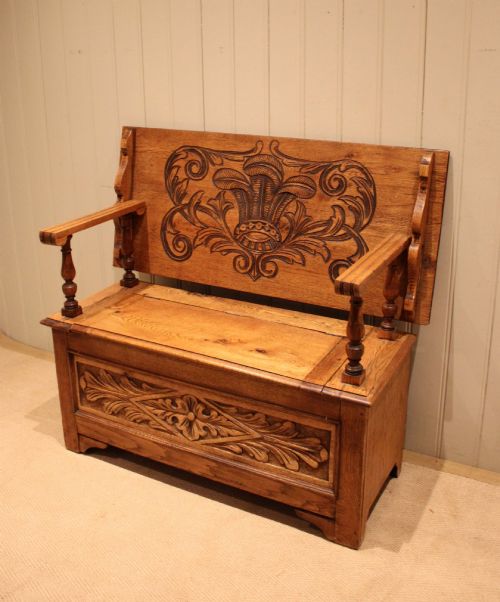
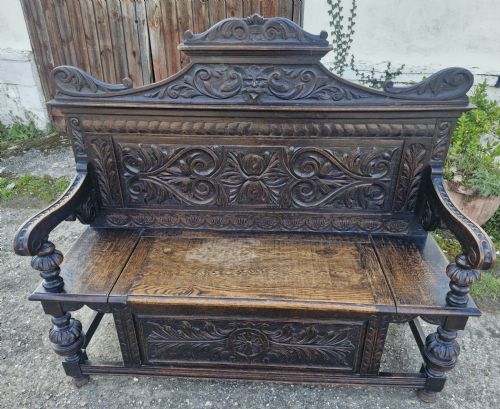
The form frequently overlaps with hall benches, settles, coffers, and monks benches that incorporate hinged lids or folding backs for hidden storage. Revival styles such as Jacobean, Gothic, and French Renaissance dominate the design vocabulary, featuring deep relief carving and dark patination suited to a hallway.
How they were made
Cabinetmakers constructed these pieces using solid oak, often reinforced with iron or brass hardware for hinges and locks. The timber was worked with hand tools, utilising traditional joinery methods such as mortise and tenon to ensure structural stability.
Surface ornamentation relied on chisel and gouge work, producing geometric mouldings, panels, and figural details like Green Man motifs. Finishing involved wax or oil application to nourish the heavy wood and enhance the natural grain over decades of use.
Carved Oak Hall Chest Retail Price Guide 2026
Typical asking prices for carved oak hall chest among the pieces listed under this phrase on Sellingantiques today, from the lower quarter to the upper quarter. They describe what is for sale here now, not the wider market.
Watch closely for leafy woodland spirits peering out from the timber, as mischievous Green Man faces frequently emerge from the dark carved oak panels.
What varies in quality
The distinction between ordinary examples and finer pieces rests on the crispness of the hand-carved detail and the proportion of the timber. Superior items display deeply undercut ornament and balanced panels rather than shallow, mechanical stamping or excessive later alterations.
Original hardware, untouched surface patination, and the integrity of the structural joints separate vernacular utility pieces from master-carved statement items intended for prominent entrance halls.
The Carved Oak Hall Chest Glossary
- Coffer
- A large wooden chest used historically for storage, often featuring a hinged lid and heavy panel construction. Many examples serve double duty as hall seating.
- Monks bench
- A convertible piece of furniture featuring a pivoting back that folds down over the seat to form a small table. This versatile form appears frequently in oak.
- Settle
- A wooden bench with a high solid back designed to block draughts in hallways and living rooms, frequently incorporating a box seat beneath.
- Jacobean Revival
- A nineteenth and twentieth century design movement emulating the heavy, rectilinear furniture style of the early seventeenth century. It relies heavily on geometric panelling and dark finishes.
- Green Man
- A sculptural architectural ornament depicting a human face disgorged from foliage or vines. This motif appears carved into the woodwork of Victorian and nineteenth century pieces.
Carved Oak Hall Chest: Frequently Asked Questions
How do I use a hall chest in a modern home?
These pieces provide deep interior storage for shoes, blankets, and bulky winter gear while anchoring an entranceway with a strong architectural presence. The sturdy top surface also offers a convenient spot to drop keys and mail upon entering the house.
Position the piece against a main hallway wall to let the dark timber grain stand out against neutral paint. Ensure there is adequate clearance for opening lids or folding seats if you choose a convertible monks bench layout.
What is the difference between a coffer and a monks bench?
A coffer is a stationary storage chest with a flat top that can double as a bench seat when fitted with a cushion. It prioritizes enclosed volume above the floor for keeping textiles and household goods.
A monks bench incorporates a transforming backrest that pivots forward to create a table surface resting on the arms. This dual-purpose design allowed historical households to save space in smaller entryways and living spaces.
How do I care for antique oak furniture?
Protect the dry timber by applying a quality beeswax polish sparingly once or twice a year to maintain the rich lustre of the grain. Avoid placing the piece directly next to radiators or under strong sunlight to prevent the solid oak panels from splitting.
Clean the surfaces regularly with a soft, dry cloth rather than wet sprays that can damage historic finishes. Leather or fabric elements found on certain seats require specialised conditioning depending on their exact material makeup.
How can I tell the age of these oak pieces?
Examine the construction methods visible on the interior and underside, looking for hand-cut joinery, pegged tenons, and irregular tool marks left by early cabinetmakers. Machine-cut screws and standardised modern fasteners typically indicate twentieth-century revival pieces rather than seventeenth or eighteenth-century originals.
Compare the style of the carving and hardware against documented historical periods like the Georgian or Jacobean eras. Revival pieces from the Victorian period often exaggerate earlier motifs with heavier proportions and darker chemical stains.