


Carved Oak Green Man
Carved oak green man pieces bring together traditional timberwork and foliate folklore, offering robust furniture with distinct character.
Carved Oak Green Man
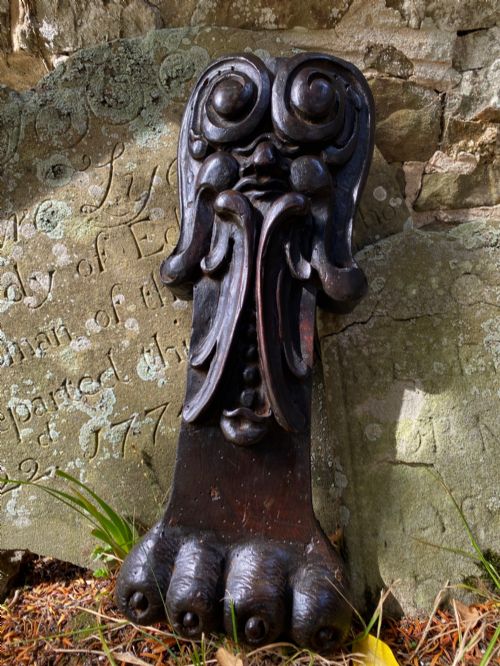
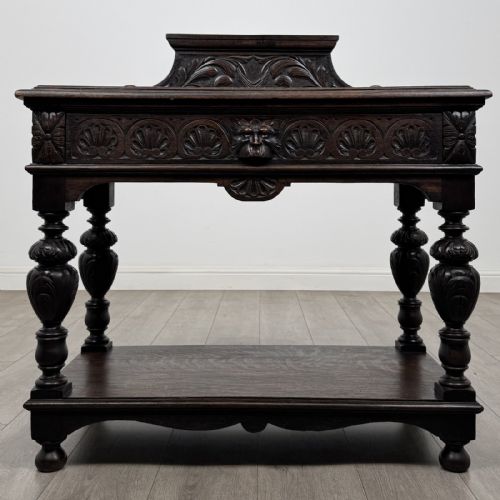
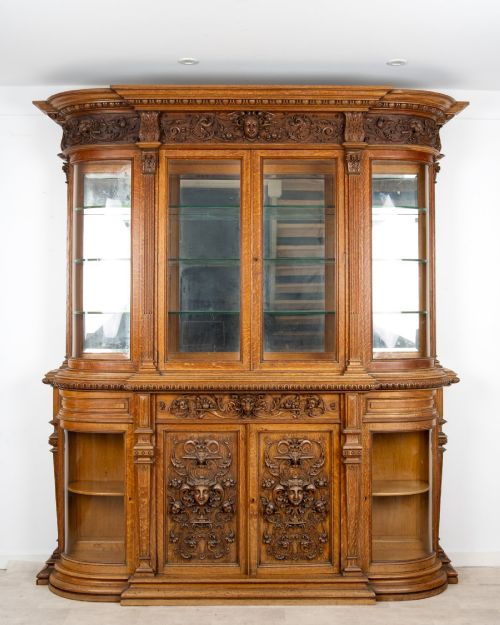
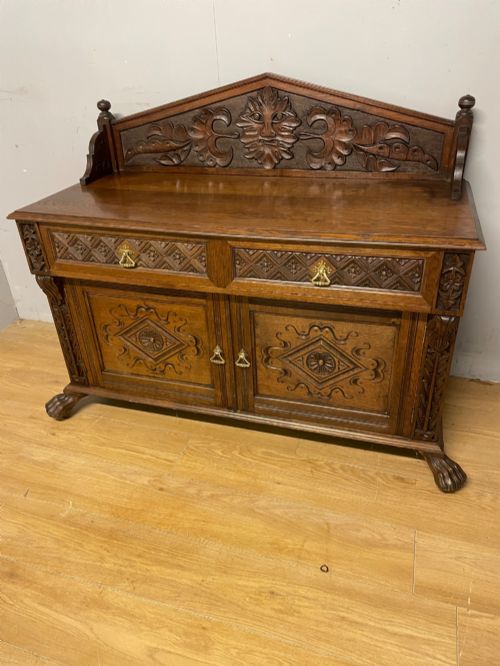
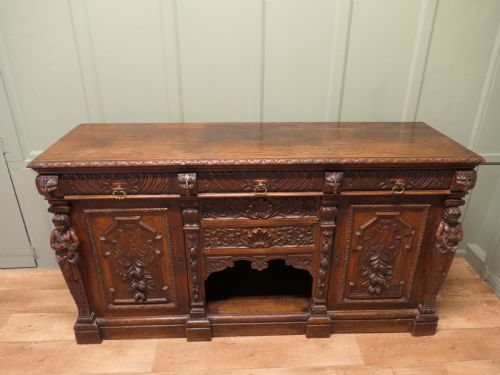
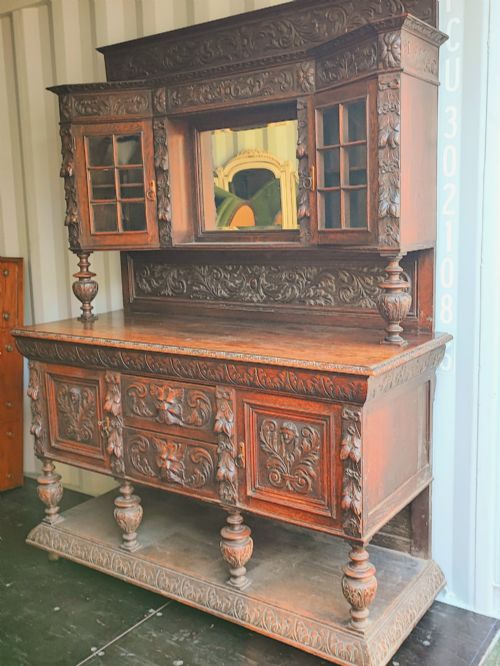
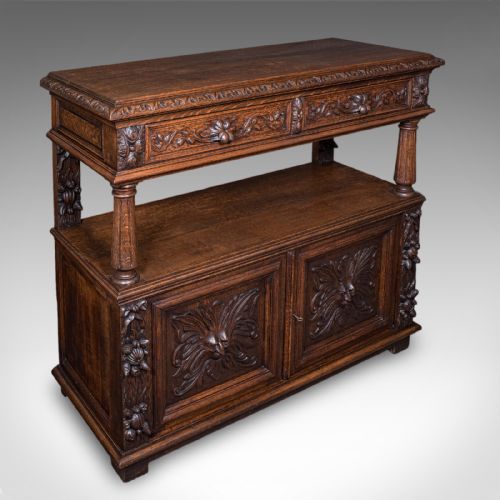
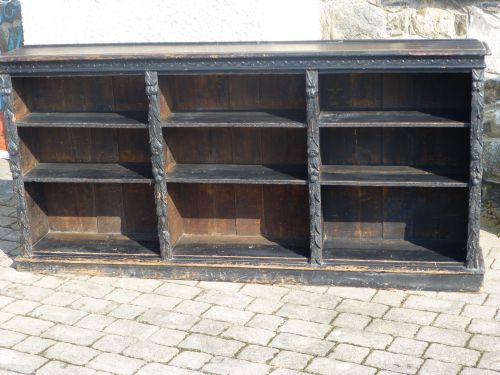
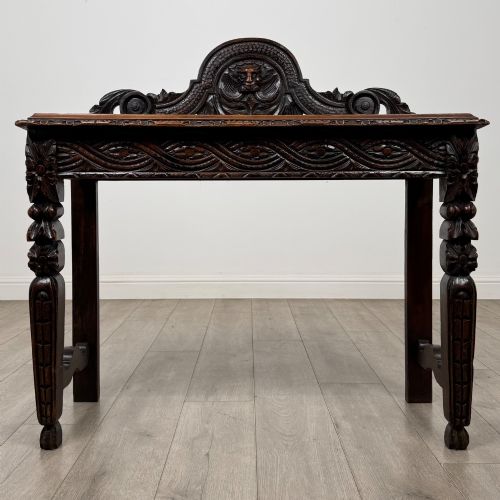
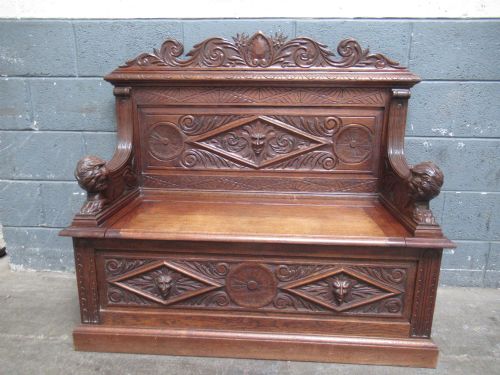
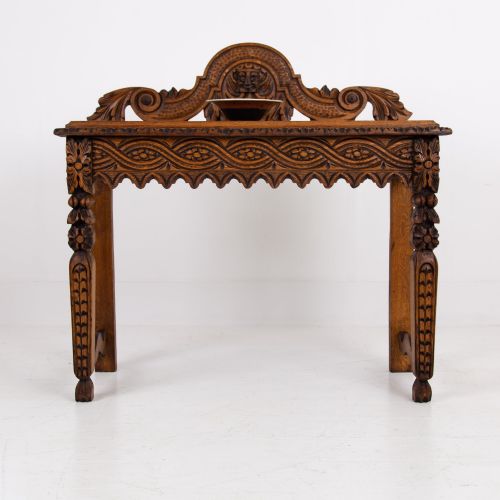
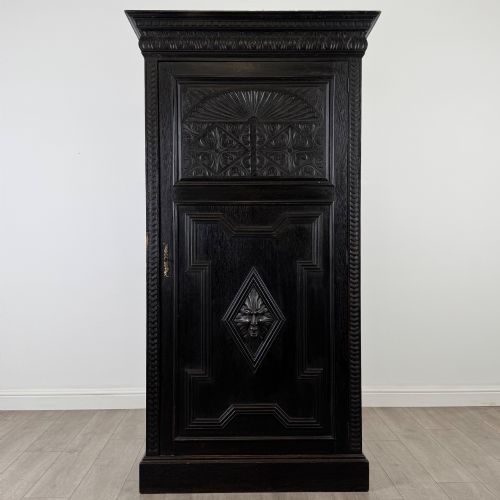
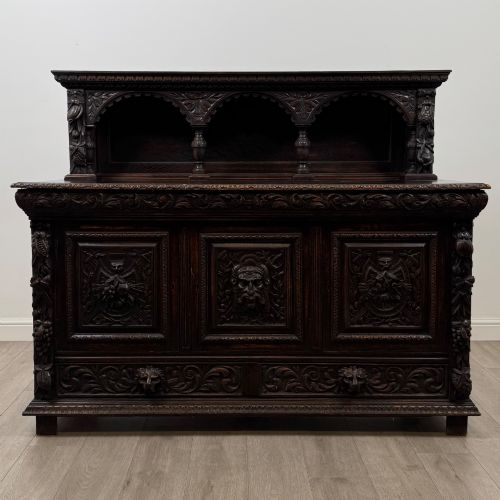
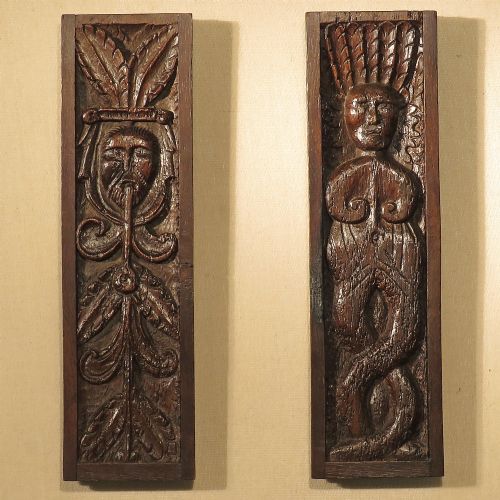
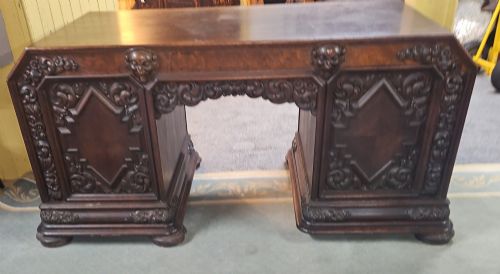
When you search for carved oak green man items, you encounter sturdy nineteenth-century furniture and architectural panels featuring foliate masks from which foliage emerges. These items include large sideboards, bookcases, hall stands, desks, and smaller side tables.
The Victorian period dominates the selection, bringing revivalist movements such as Gothic Revival, Jacobean Revival, and Arts and Crafts together with older sixteenth-century relief panels.
Buyers most frequently meet substantial storage furniture and hall seating decorated with these expressive woodland faces, designed to anchor a room with a distinct historical aesthetic.
How they were made
Makers utilised solid oak, occasionally ebonised, forming the heavy structural carcass and supportive framing for large sideboards, bookcases, and desks.
Carvers applied hand-tooling directly to the timber surfaces, creating high-relief foliage and grotesque masks integrated into drawers, cupboard doors, and pediments.
Secondary elements incorporate brass hardware, glass panels, leather writing inserts, and fabric upholstery to complete functional furniture.
Carved Oak Green Man Retail Price Guide 2026
Typical asking prices for carved oak green man among the pieces listed under this phrase on Sellingantiques today, from the lower quarter to the upper quarter. They describe what is for sale here now, not the wider market.
What varies in quality
The selection of the timber grain and the solidity of the construction, such as heavy solid oak panels versus thinner applied moulding, dictate the overall durability and visual presence of the furniture.
Winterhalder and Hofmeier
The Carved Oak Green Man Glossary
- Green Man
- An architectural and decorative motif depicting a human face emerging from or entwined with leaves and vines. It symbolises rebirth and the cycle of growth.
- Gothic Revival
- An architectural and design style popular during the Victorian era that drew inspiration from medieval forms, pointed arches, and heavy ornamentation.
- Jacobean Revival
- A furniture style mimicking the robust turned legs, geometric moulding, and heavy proportions of the early seventeenth century. It was widely reproduced by Victorian cabinetmakers.
- Dresser Base
- A low sideboard or cabinet featuring cupboards and drawers beneath a flat top surface, commonly utilised for serving or storage.
- Ebonised Oak
- Timber treated with a chemical stain or pigment to imitate the deep, dark appearance of ebony. It was frequently used for dramatic effect in nineteenth-century furniture.
Carved Oak Green Man: Frequently Asked Questions
What is a green man?
A green man is a decorative carving showing a human face surrounded by or composed of leaves, vines, and branches.
This ancient motif appears frequently across nineteenth-century revival furniture and architectural woodwork.
How were these pieces used?
These items served practical household functions in nineteenth-century homes as sideboards, wardrobes, desks, and hall stands.
They provided heavy storage and displayed craftsmanship in public rooms like libraries, dining rooms, and entrance halls.
How do I date these items?
Dating relies on identifying revival styles such as Gothic Revival or Arts and Crafts alongside construction methods characteristic of the Victorian period.
Most pieces originate from the nineteenth century, though occasional fragments date back to the sixteenth century.
How do I care for carved oak?
Carved oak furniture benefits from regular dusting with a soft brush to keep intricate foliate recesses clear of buildup.
Applying occasional appropriate wax preserves the timber finish without obscuring the hand-carved details.