


Antique Wooden Pilasters
These antique wooden pilasters bring classical architectural structure and rich timber texture into interiors.
Antique Wooden Pilasters
Antique wooden pilasters encompass architectural salvage and carved elements drawn from centuries past, including pieces from the seventeenth, eighteenth, and nineteenth centuries. These items manifest as half columns, carved capitals, and caryatids, often originating from larger buildings, bookcases, or cabinetry.
Materials and construction
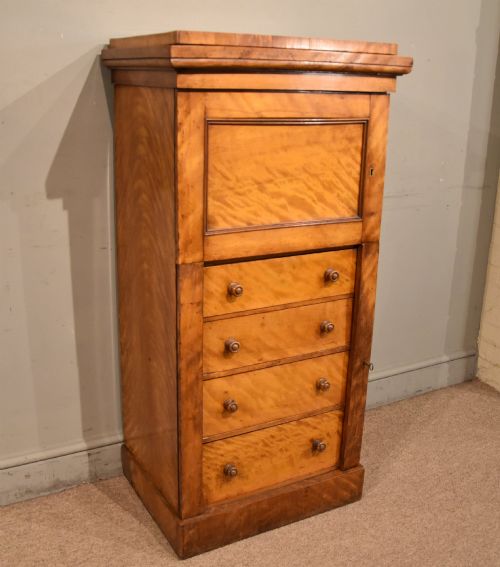
Craftsmen shaped these pieces using dense hardwoods like mahogany, oak, and walnut, frequently selecting timber with pronounced grain or figured patterns. Burr walnut and satin birch also appear among the material choices for finer decorative items.
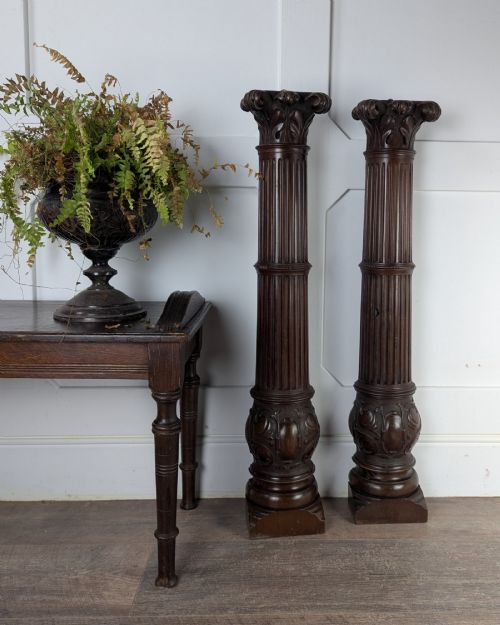
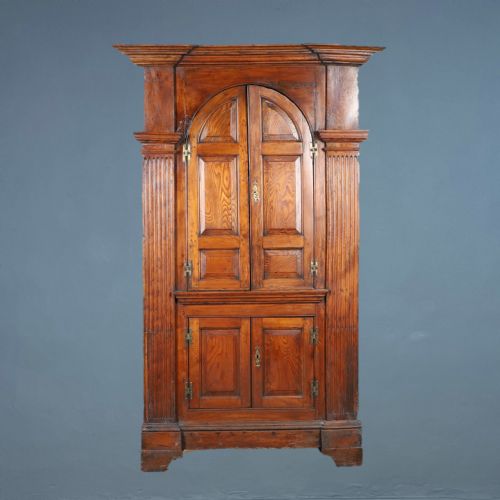
Makers employed hand carving techniques to execute classical orders, reeding, and figural details such as caryatids and herms. Tool marks and joint methods reveal manual fabrication characteristic of pre-industrial workshops.
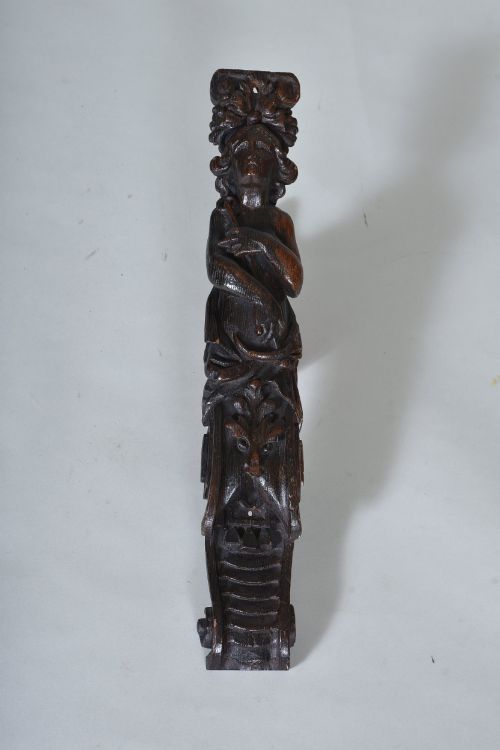
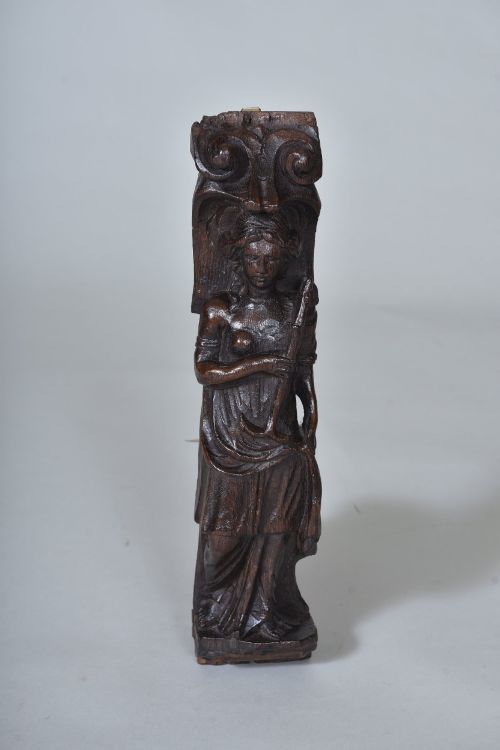
A solitary seventeenth-century lady stands with folded arms, forever guarding her corner as a carved wooden caryatid.
Judging quality
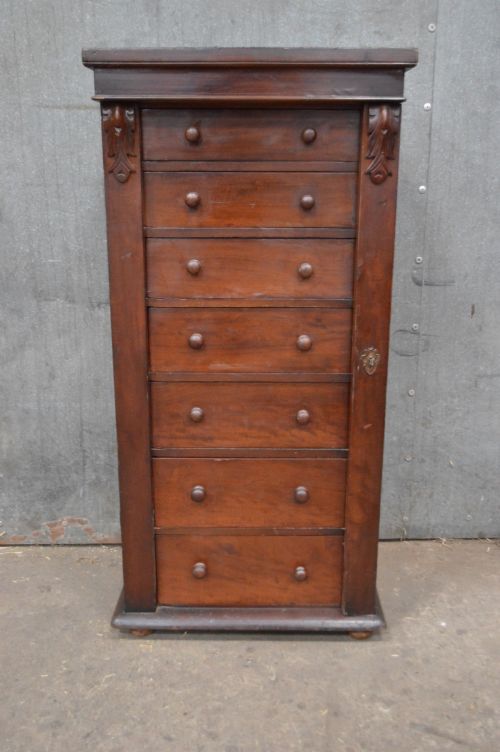
Quality rests upon the crispness and depth of the hand carving, where sharp undercut details demonstrate superior skill compared to softer, worn profiling. The selection of the timber grain, particularly in figured walnut or rich mahogany, dictates visual presence.
Proportion and structural integrity matter significantly, as original surface patination without modern stripping elevates the integrity of the piece. The distinction lies in whether the carving retains its original architectural function and clean lines.
The Antique Wooden Pilasters Glossary
- Capital
- The uppermost member of a column or pilaster, providing a decorative transition between the shaft and the load. Carved plant motifs or classical orders often decorate this section.
- Caryatid
- A sculpted female figure serving as an architectural support taking the place of a column or pilaster. Examples on this page display carved figures with folded arms.
- Herm
- A carved bust or figure atop a tapered pillar, originating in classical antiquity as boundary markers. These elements often adorn furniture or architectural surrounds.
- Reeding
- Parallel convex mouldings applied to a surface in a vertical sequence. This decorative technique frequently appears on the shafts of half columns.
Antique Wooden Pilasters: Frequently Asked Questions
What were antique wooden pilasters used for?
These elements served as structural or decorative supports flanking doorways, fireplaces, and large pieces of cabinetry such as bookcases. They provided a classical architectural framework to grand domestic interiors.
Over time, many of these components were salvaged from older buildings and furniture to be repurposed as standalone decorative objects or wall mountings in later interiors.
How do I date an old wooden pilaster?
Dating relies on identifying the timber species, the tool marks left by the maker, and the stylistic vocabulary of the carving. Seventeenth-century pieces often display robust oak with deep relief, whereas Regency examples favour mahogany with classical reeding.
Comparing the profile and decorative motifs against known furniture styles of the Georgian or Victorian eras helps narrow down the period of manufacture.
How should I display architectural pilasters at home?
These pieces work well mounted directly onto walls as sculptural focal points or placed on mantelpieces and tabletops depending on their scale. Pairing them with neutral backgrounds allows the carved timber texture and grain to stand out.
Ensure sturdy fixings are used if mounting heavier timber elements directly to plaster or masonry walls.
How do I care for antique carved wood?
Maintain the timber by keeping it away from direct sunlight and sudden humidity changes to prevent warping or splitting. Regular dusting with a dry, soft cloth preserves the existing surface patination.
Avoid modern silicone polishes and instead use traditional beeswax sparingly if the wood appears dry.