



Antique Wall Pilasters
Antique wall pilasters bring classical architecture indoors, framing rooms and fireplaces with sculptural wood and giltwood forms that anchor historic interiors.
Antique Wall Pilasters
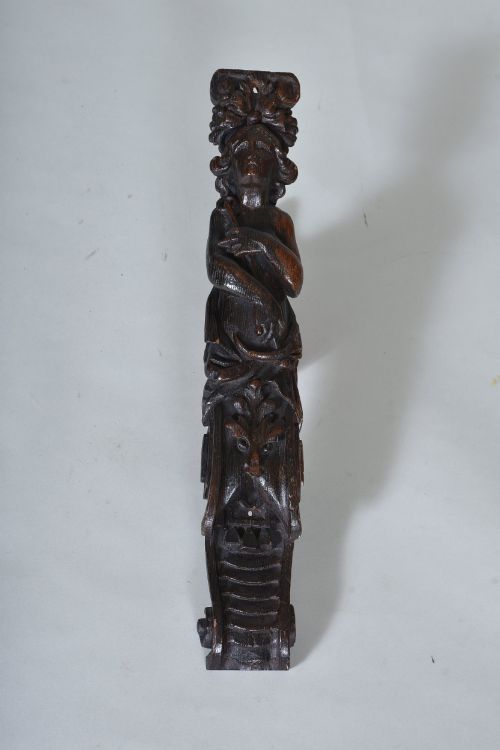
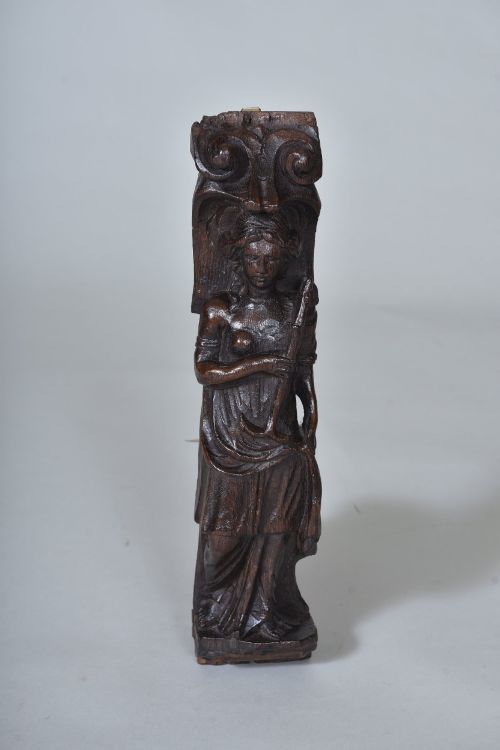
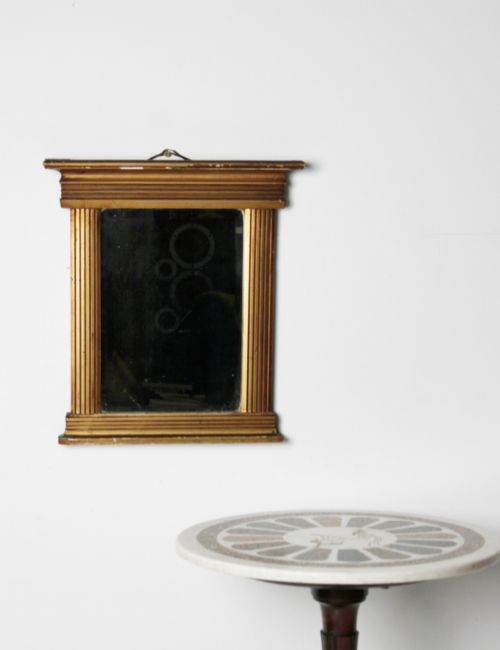
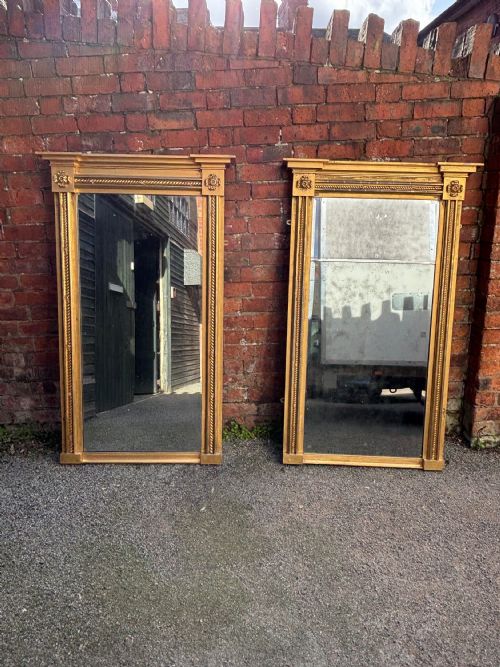
Antique wall pilasters encompass architectural elements, carved fragments, and pier mirrors framed by classical columns that reflect centuries of interior design. These pieces originate from periods spanning the seventeenth through the nineteenth centuries, incorporating styles like Neoclassical, Regency, and Georgian.
The selection frequently includes carved wood panels, half columns, and mirrors adorned with pilaster motifs rather than standalone structural supports. Oak, mahogany, and giltwood versions appear alongside fabric hangings and stone fragments, representing diverse domestic and architectural contexts.
Materials and construction techniques
Craftsmen carved structural hardwoods such as oak, mahogany, walnut, and chestnut to form architectural pilasters, capitals, and columns. Gilding techniques applied gold leaf and gesso onto wood surfaces to create reflective architectural mirrors and decorative wall ornaments.
Specialised surface treatments such as verre églomisé panels and hand-painted finishes complement the carved wooden frames. Joinery and carving methods reflect the prevailing workmanship of the seventeenth, eighteenth, and nineteenth centuries.
Distinctions in quality and execution
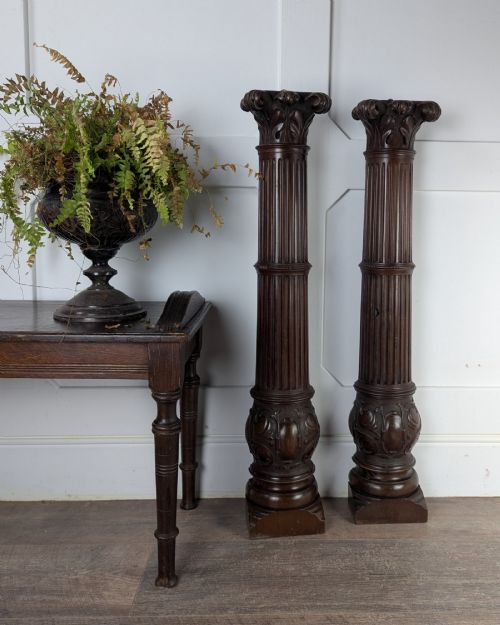
The depth and crispness of hand carving separate utilitarian architectural elements from exceptional decorative pieces. Finer examples display precise reeding, well-defined Corinthian capitals, and harmonious proportions derived from classical design principles.
The integrity of the original surface finish, whether aged giltwood, patinated oak, or painted detail, influences the overall character. Surviving pairs and matched sets demonstrate superior original placement compared to isolated fragments.
The Antique Wall Pilasters Glossary
- Pilaster
- A rectangular architectural column that projects slightly from a wall surface, used primarily for decoration rather than support.
- Giltwood
- Timber coated with gold leaf or gold paint over a prepared gesso ground. This finish appears frequently on nineteenth-century pier mirrors and neoclassical frames.
- Verre églomisé
- A process of applying cold gilding and painting to the rear face of glass. It decorates the upper panels of Regency and nineteenth-century pier glasses.
- Pier mirror
- A tall mirror designed to hang on the wall pier between windows. These pieces often incorporate pilasters or columns within their wooden frames.
Antique Wall Pilasters: Frequently Asked Questions
What are antique wall pilasters used for?
These pieces function primarily as decorative wall ornaments, architectural salvage, and architectural framing within historic interiors. They lend vertical emphasis and classical proportion to plain wall spaces.
Collectors mount carved wooden fragments and pilaster mirrors to introduce texture and architectural heritage into modern or traditional rooms.
How do I date an antique pilaster or mirror?
Dating relies on identifying the prevailing timber species, carving styles, and finishing techniques associated with specific design periods. For instance, seventeenth-century pieces typically feature heavy carved oak, while Regency examples favour giltwood and verre églomisé.
Examining the underlying construction methods and joinery provides further evidence regarding the age of the wood or carved elements.
Where should I hang a wall pilaster in my home?
Wall pilasters and mirrored pier glasses suit placement above mantelpieces, along hallway walls, or flanking architectural focal points. Their vertical format draws the eye upward, making them effective in rooms with high ceilings.
Pairing matching columns or hangings creates symmetry on either side of a doorway or piece of furniture.
What materials are common in these pieces?
The listings demonstrate a heavy reliance on traditional hardwoods including oak, mahogany, walnut, and chestnut. Giltwood, gesso, and gold leaf frequently provide decorative surface brilliance on mirrors and architectural ornaments.
Less common materials include sandstone, glass, and antique textiles such as ciselé silk velvet.