


Decorative Wood Columns
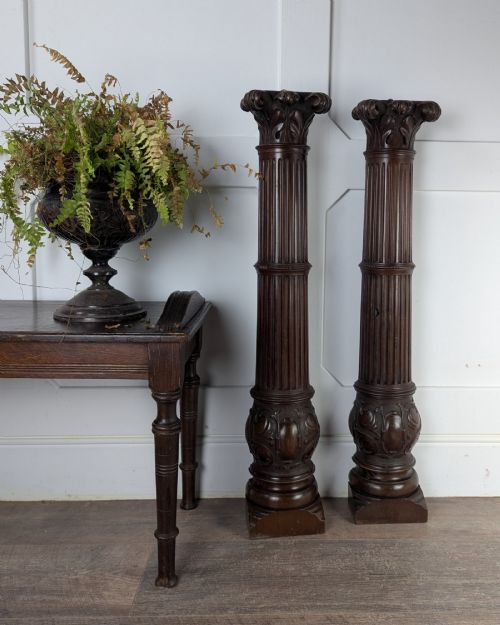
These decorative wood columns bring architectural presence into a room, offering substantial vertical interest through carved detail and period finishes.
Decorative Wood Columns
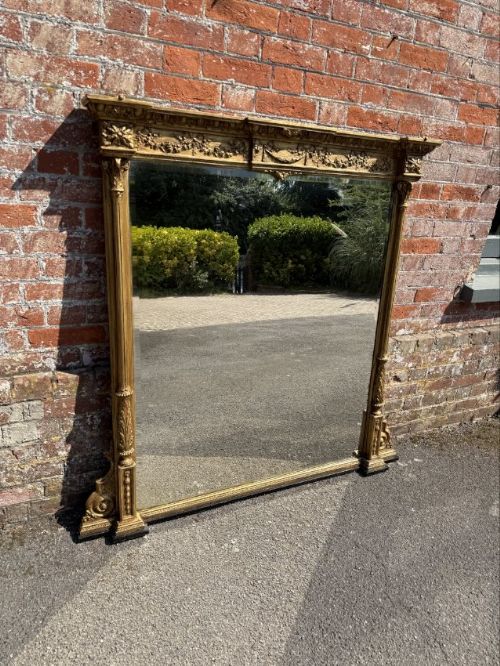
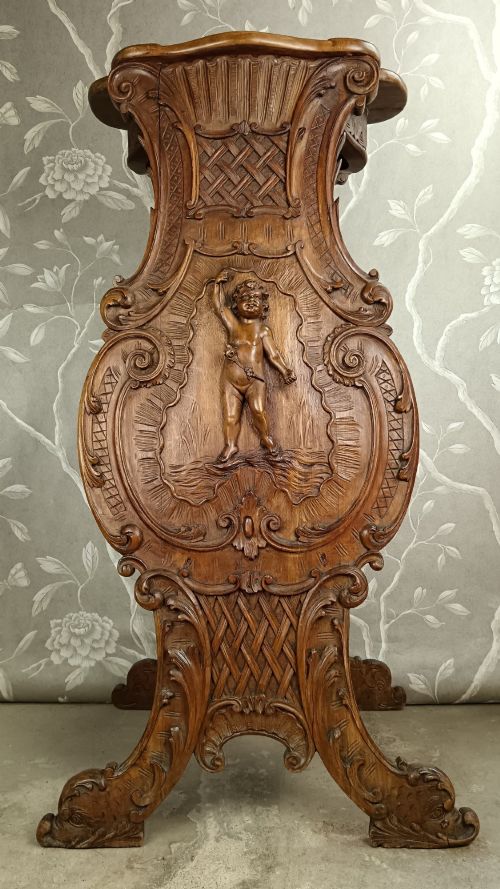
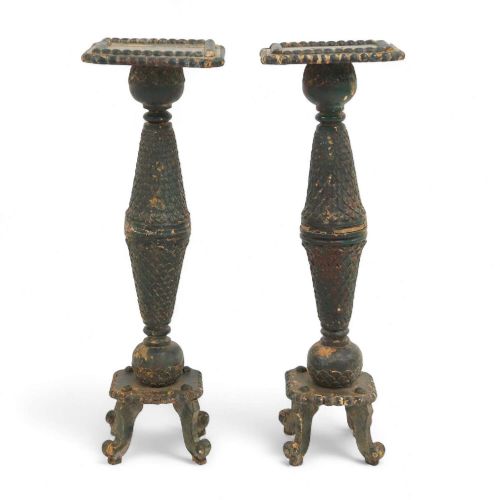
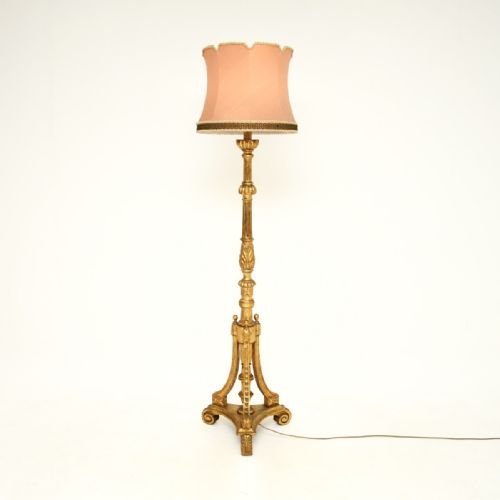
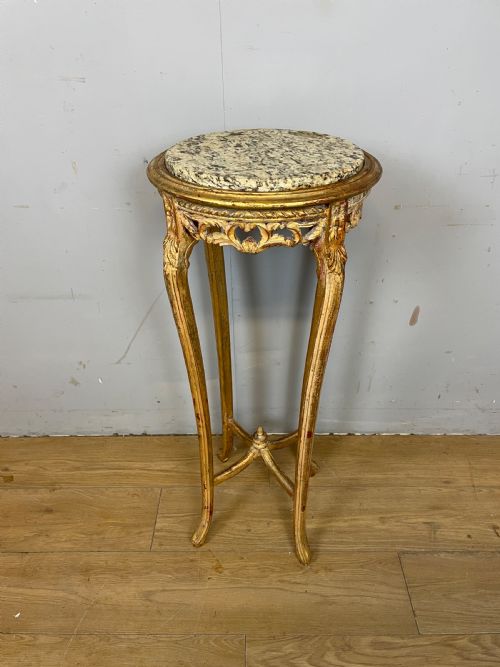
Decorative wood columns span architectural salvage, pedestals, torcheres, and mirror frames originating from the eighteenth century through to the twentieth century. Buyers seeking this phrase encounter architectural supports, display stands, and floor lamps executed in styles ranging from Victorian and Edwardian to Neoclassical and Italian Baroque. These pieces function as freestanding sculpture, lamp bases, or framing elements for interiors.
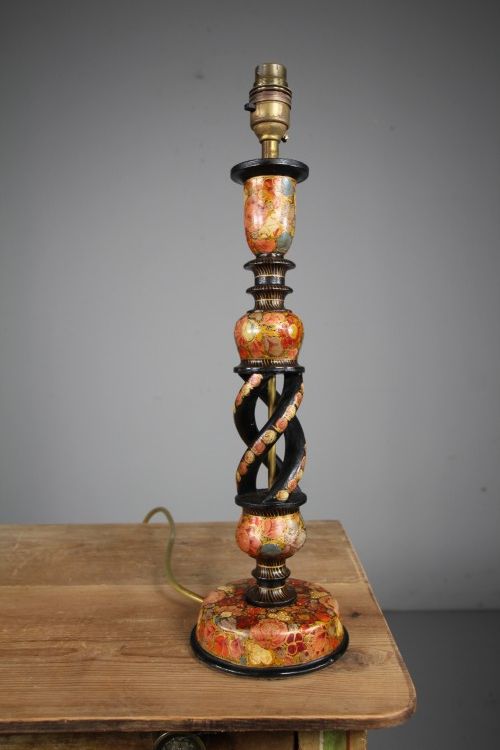
The selection here draws heavily upon nineteenth-century pieces, alongside eighteenth-century works and later twentieth-century interpretations. Common forms include matched pairs of fluted or reeded columns, carved pedestals, and painted or gilded torcheres. Origins stretch across English, French, Italian, and Indian workshops, incorporating regional carving traditions and decorative schemes.
Materials and manufacture
Carvers shaped these pieces from solid hardwoods such as mahogany, walnut, oak, and amboyna, often applying gesso to build up intricate relief ornament before gilding with gold leaf. Many items display original painted finishes, ranging from distressed green and cream coats to faux marble effects mimicking stone. Combinations of carved wood with stone bases or metal elements appear in larger architectural examples.
Joinery and carving techniques reflect the period of origin, from hand-chiselled acanthus leaves on capitals to turned shafts and applied mouldings. Surface treatments vary from parcel gilt highlights on painted grounds to high-polish French polish on dark hardwoods.
The inventory records nineteenth-century pieces alongside eighteenth and twentieth-century examples, utilising materials from mahogany and gesso to stone.
What determines quality
Quality rests upon the crispness and depth of the hand-carved detail, particularly across capitals, foliage, and fluting. Superior pieces retain their original surface finishes, whether gold leaf, gesso, or historic paint, rather than later repainting that obscures underlying tool marks. The presence of matching pairs executed on a grand scale elevates the desirability of architectural columns and torcheres.
Structural integrity and the quality of the timber selection define the upper tier of these objects. Dense, well-figured hardwoods and stable construction without excessive timber shrinkage separate finer exhibition-quality pieces from utilitarian architectural salvage.
Marguerite
The Decorative Wood Columns Glossary
- Torchere
- A tall stand designed to hold a light or a decorative object. These slender pieces often feature carved shafts and tripod bases.
- Capital
- The uppermost member of a column, typically decorated with carved foliage, volutes, or classical orders such as Corinthian or Ionic.
- Gesso
- A plaster-like mixture applied to wood surfaces as a base for fine carving details and subsequent gilding or painting.
- Pedestal
- A upright support or base used to elevate a bust, vase, or lamp. They frequently incorporate classical revival motifs.
- Fluted
- Characterised by shallow, parallel vertical grooves cut into the shaft of a column or pilaster. This technique adds vertical emphasis.
Decorative Wood Columns: Frequently Asked Questions
How were decorative columns used historically?
These columns served primarily as architectural framing for mirrors and openings, or functioned as standalone pedestals to elevate art and lighting.
In grand interiors, matched pairs anchored corners or demarcated specific living zones.
How do I style a wood column at home?
Place a single painted or gilded column in a corner as a sculptural element, or top a pair with lamps or urns.
They also work effectively as display plinths for ceramics or bronze sculptures.
How do I identify the period of a column?
Examine the carving style, timber choice, and surface finish to determine the likely era of manufacture.
Neoclassical and Victorian pieces often show distinct revival motifs and specific preparation layers beneath the paint or gilding.
Are these columns structurally load-bearing?
The majority of pieces listed here are decorative rather than structural architectural supports.
Many function as mirrors, lamp tables, or display pedestals intended for interior decorative use.