
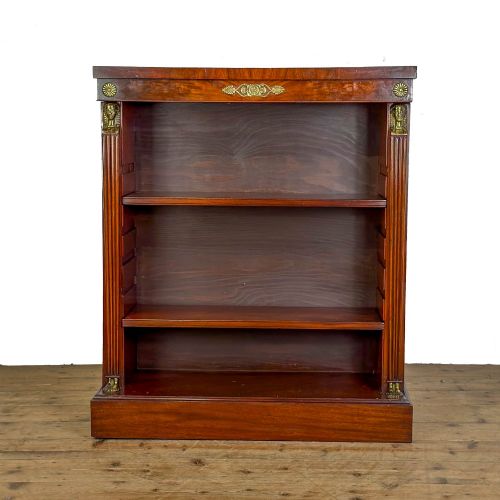


Dark Wood Pilasters
Dark wood pilasters bring structural rhythm and classical order to interiors, offering architectural depth through carved timber elements.
Dark Wood Pilasters
Dark wood pilasters encompass architectural salvage, carved timber elements, and decorative wooden columns originating from periods spanning the seventeenth century to the early twentieth century.
Buyers seeking dark wood pilasters frequently encounter related architectural carvings, terms, capitals, and bookcases framed by classical columns in mahogany, oak, walnut, and rosewood.
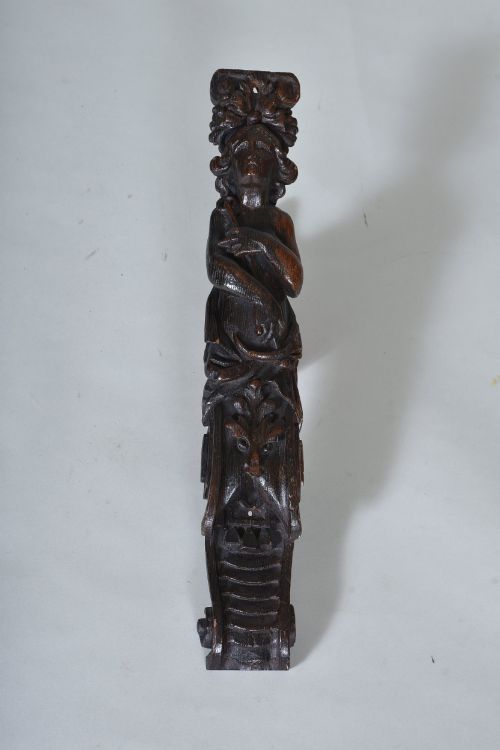
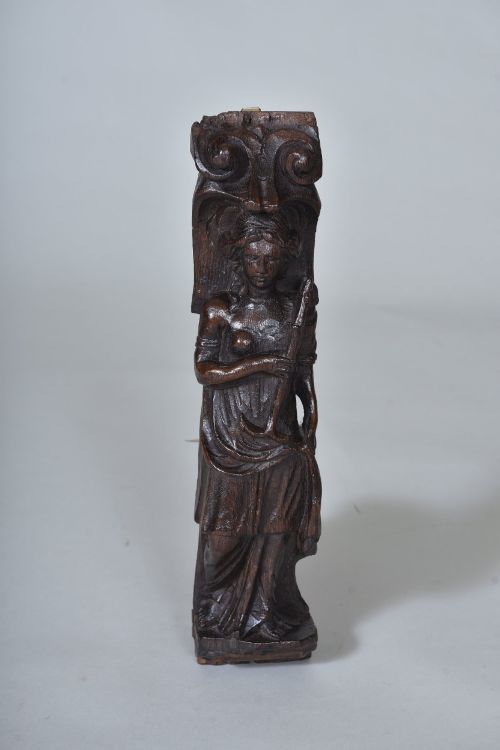
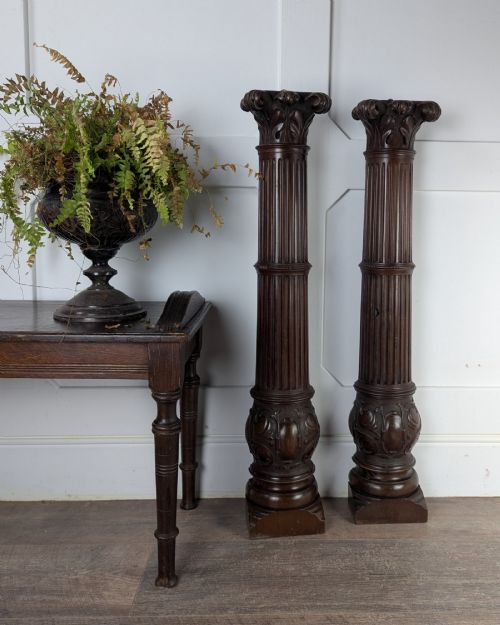
The selections on this page range from early oak carvings and walnut figures to Regency mahogany half columns and Victorian architectural components.
Materials and construction methods
Craftsmen utilised dense hardwoods such as mahogany, oak, walnut, and rosewood, often applying gold leaf detailing or incorporating marble tops and brass mounts.
Carving techniques required skilled hand work to shape Corinthian capitals, reeded shafts, and figurative terms, reflecting Jacobean, Neoclassical, and Egyptian Revival aesthetics.
The listings on this page span the 17th Century, Regency, Victorian, and 1920s periods, executed in mahogany, oak, walnut, and rosewood.
Factors determining quality
Quality rests on the crispness of the hand carving and the selection of timber, where deeply defined acanthus leaves and fluting distinguish superior architectural salvage from simpler production.
Age and original context dictate desirability, with period pieces retaining authentic surface patination and proportion that later reproductions rarely match.
The Dark Wood Pilasters Glossary
- Pilaster
- A rectangular column that projects partially from a wall, combining architectural support with decorative emphasis. These elements are typically applied to furniture facades and interior panelling.
- Capital
- The uppermost member of a column or pilaster that provides structural transition and decorative finish. Classical designs include Doric, Ionic, and Corinthian orders.
- Term
- A pedestal figure where the upper body merges seamlessly into a tapering pillar or inverted obelisk. Renaissance and neoclassical designers utilised these figures for architectural framing.
- Reeded
- Surface decoration formed of parallel convex mouldings closely set together. This technique often appears on column shafts and furniture legs during the Georgian and Regency periods.
- Architectural salvage
- Building components and decorative elements rescued from older structures for reuse in interior design. This material preserves historical craftsmanship.
Dark Wood Pilasters: Frequently Asked Questions
What are dark wood pilasters used for?
These architectural elements serve primarily as decorative framing components for bookcases, overmantels, and library cabinetry. They add vertical emphasis and classical proportion to plain walls or fitted furniture.
Interior designers also mount salvaged columns directly onto walls as standalone ornaments or integrate them into bespoke joinery projects to introduce historical character.
How do I date an old pilaster?
Dating relies on identifying the timber species, tool marks, and stylistic vocabulary. Seventeenth-century examples typically employ heavy oak with deep, vigorous hand-carving, while Regency pieces favour mahogany with refined neoclassical detailing.
Examine the back of the timber for saw marks and construction methods. Hand-sawn boards and older joinery techniques indicate greater antiquity than modern machine-cut elements.
Can I install antique pilasters outside?
Historic interior architectural elements are rarely suited for exterior placement because moisture and temperature fluctuations damage dense hardwoods and vulnerable glues. Prolonged exposure causes timber to warp and historical surface finishes to degrade.
Protect these pieces by keeping them in stable indoor environments away from direct sunlight and excessive humidity to preserve the wood.
How do I clean dark wood architectural elements?
Maintenance requires gentle dusting with a soft, dry cloth to remove surface particles without abrasive friction. Avoid modern silicone polishes that build up sticky residues and attract dust over time.
Apply a microcrystalline wax sparingly if the timber appears dry, buffing it gently to maintain the natural satin sheen of the old finish.