
19th Century Carved Oak
19th century carved oak brings substantial grain and deep relief work to heavy furnishings, offering enduring utility across dining chairs, sideboards, and bookcases.
19th Century Carved Oak
The material appears in domestic settings through heavy seating, storage cabinets, and desks, frequently reflecting revival movements. Gothic Revival and French styles dominate the selections, displaying deep hand-chiselled motifs.
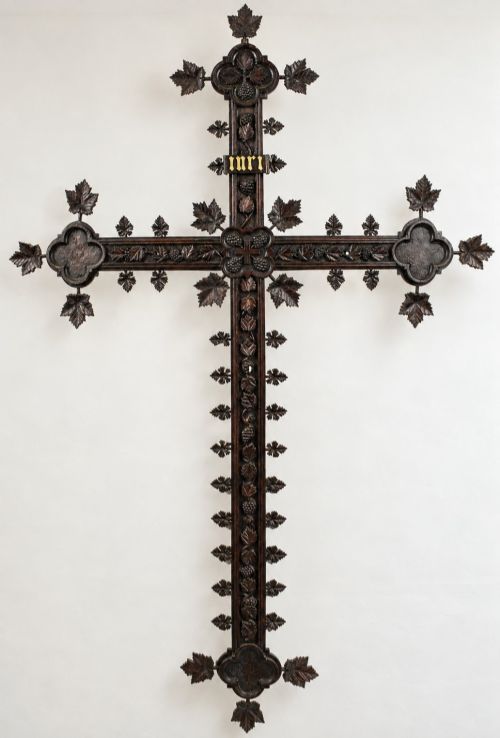
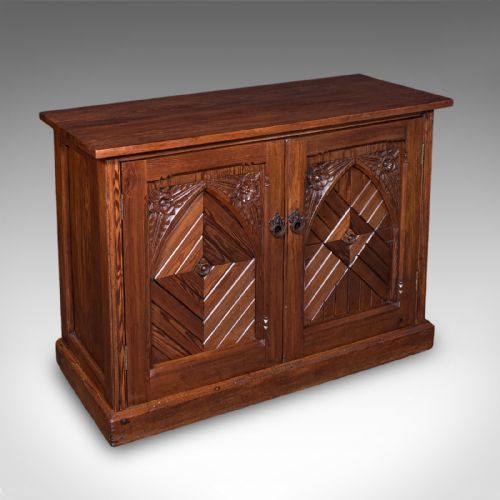
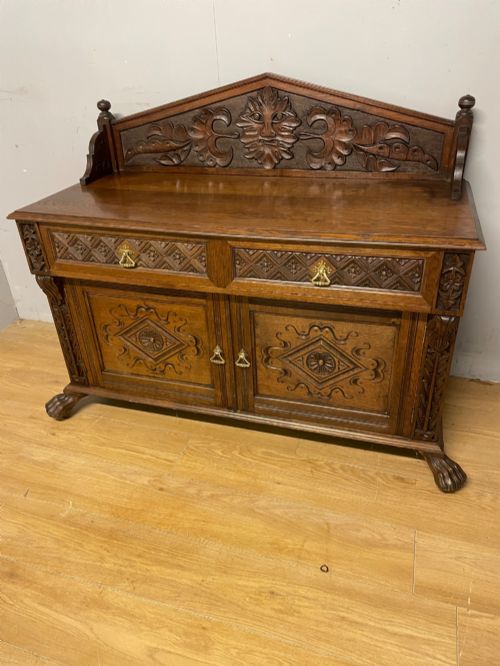
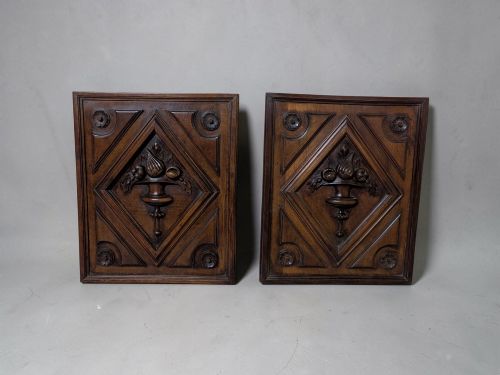
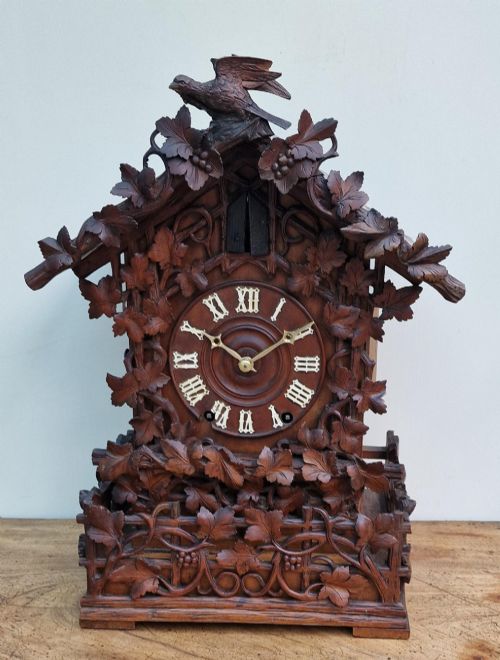
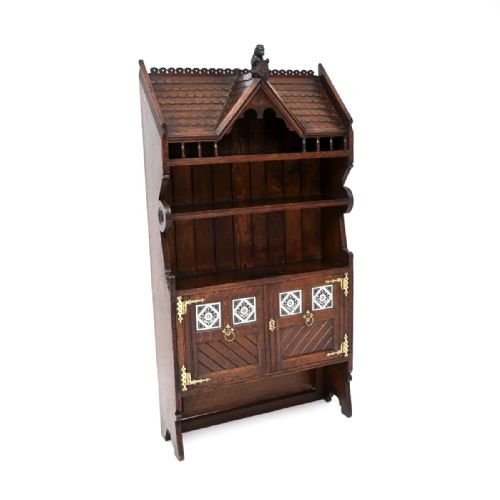
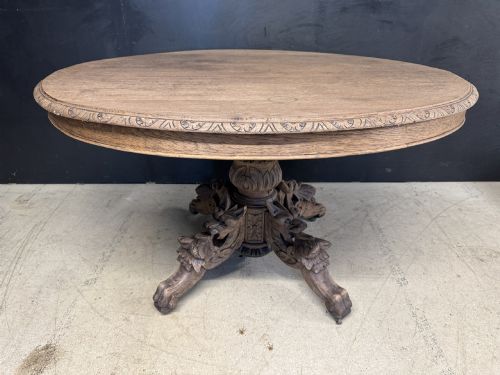
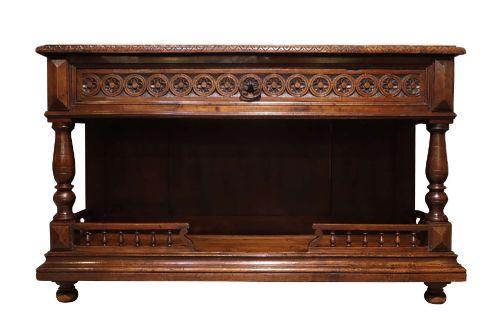
The typical version met on this page is a Victorian sideboard, bookcase, or set of dining chairs. These items utilise solid timber frameworks decorated with foliate carving, linenfold panels, or characteristic green man masks.
Judging Quality and Execution
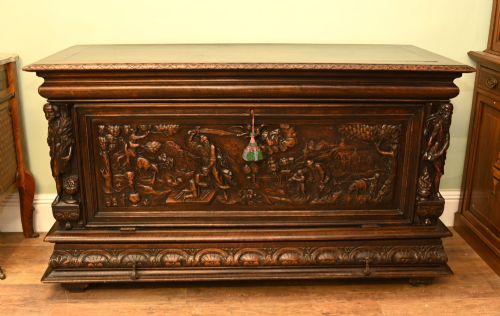
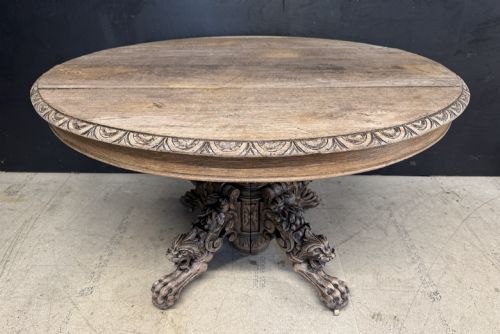
The depth and clarity of the chisel work separate ordinary production from superior pieces. Skilled carvers created crisp relief with distinct undercut details on foliage, figures, and heraldic motifs, whereas lesser examples rely on shallow, machine-roughened stamping.
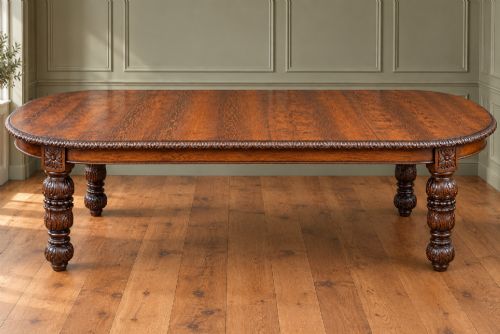
Construction substance dictates durability across heavy items like sideboards and dining suites. Heavier gauges of timber, tight joinery without excessive secondary fasteners, and matching grain orientation across large panels denote careful workshop assembly.
Proportion and stylistic consistency also define the tier of an object. Pieces that balance heavy ornamentation with restrained architectural framing maintain aesthetic harmony, whereas unbalanced versions crowd the surface with discordant revival motifs.
Listings feature periods spanning from the Georgian era through the 1850s, 1860s, 1870s, 1880s, 1890s, and the broader Victorian epoch.
George Wadham·GIllows
The 19th Century Carved Oak Glossary
- Green Man
- A sculptural face carved from foliage or branches, frequently appearing on Victorian and Gothic revival panels, furniture, and architectural woodwork. This pagan symbol experienced a major revival during the nineteenth century.
- Linenfold
- A style of relief carving used on wooden panels to imitate folded fabric or parchment. It is commonly found on cupboards, settles, and church furnishings.
- Medullary Ray
- The cellular ribbon-like structures radiating outward within hardwood logs that produce distinctive silver-flecked figure patterns when quartersawn. Craftsmen positioned these rays deliberately on prominent table tops and drawer fronts.
- Sgabello
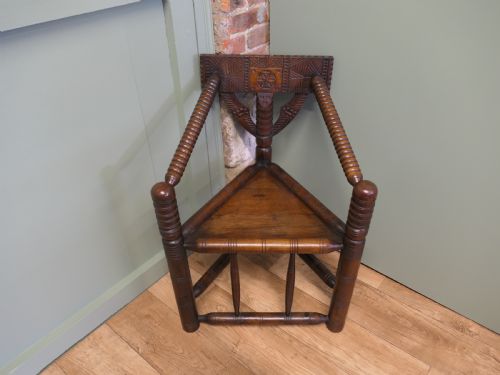
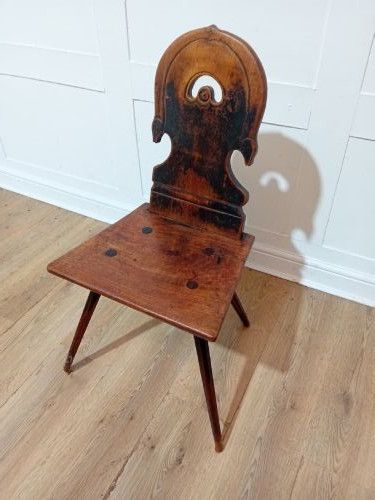
- A light, highly decorative wooden chair featuring solid trestle supports rather than four legs, originating in the Italian Renaissance and revived during the Victorian period for halls.
19th Century Carved Oak: Frequently Asked Questions
How do I care for 19th century carved oak furniture?
Maintain a stable room temperature away from direct heat sources and sunlight to prevent the timber from splitting. Apply natural beeswax periodically and buff gently with a soft cloth to nourish the grain without building up heavy residues.
Avoid using modern silicone-based polishes or damp cloths on antique wood surfaces. Dust the deep relief carvings regularly with a soft bristle brush to keep debris from settling in the recesses.
Were these pieces made for domestic homes?
Most items served functional roles in large Victorian residences, vicarages, and public buildings. Sideboards, dining suites, and bookcases formed the backbone of formal entertaining and study spaces.
Some specialised forms, such as church pulpits or architectural wall panels, originated in institutional settings before entering the domestic market. Their robust construction allowed them to withstand heavy daily use across generations.
How can I distinguish Victorian from earlier pieces?
Examine the construction methods, tool marks, and secondary timbers used in internal framing. Victorian items often incorporate machine-assisted sawing alongside hand carving, while Georgian pieces rely entirely on hand-prepared stock.
Stylistic cues also provide clear markers, as heavy Gothic Revival and ornate French Renaissance revivals gained massive popularity specifically during the reign of Queen Victoria. Check for standardised hardware and modern screw types that indicate later assembly or restoration.
What is pollard oak?
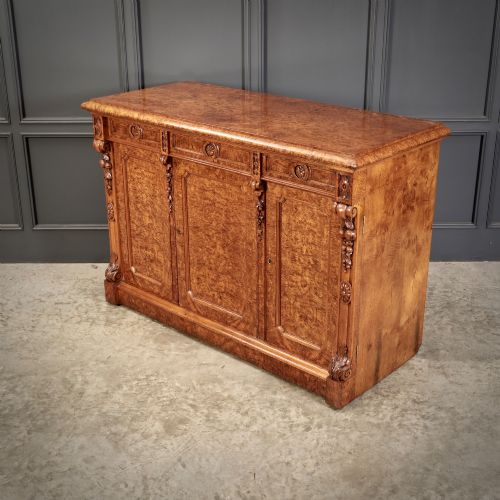
Pollard oak comes from trees that were cut back heavily at height to promote a dense crown of branches. This pruning creates tightly clustered growth rings and distinctive mottled grain patterns when the timber is sliced.
Cabinetmakers prized pollard veneers for drawer fronts and decorative panels on high-status sideboards. The mottled figuring contrasts sharply against plain framing timber.