



Carved Oak Display Bookcase
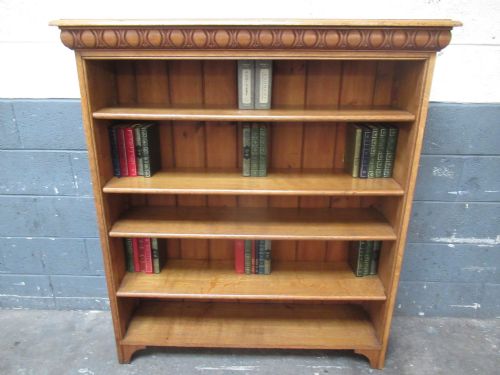
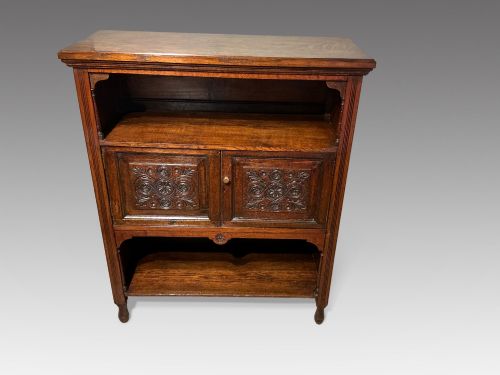
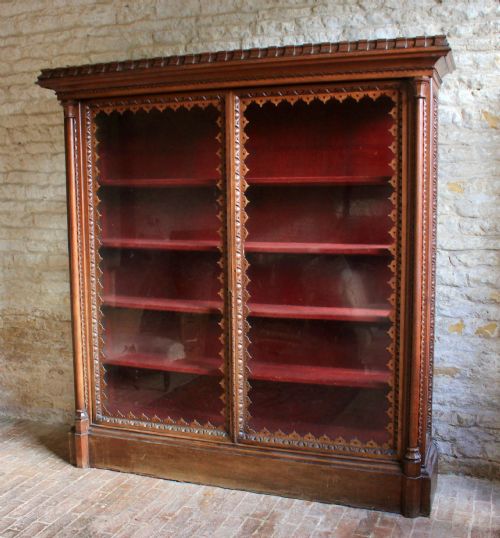
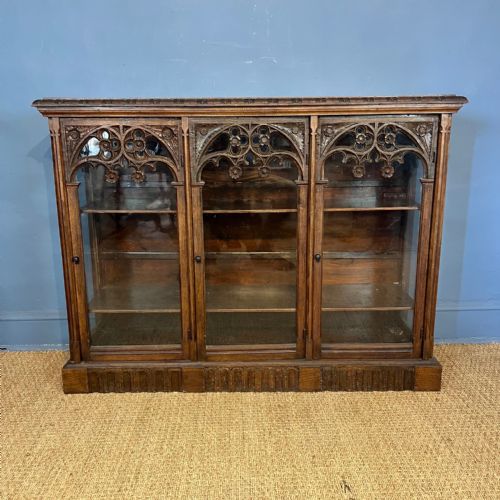
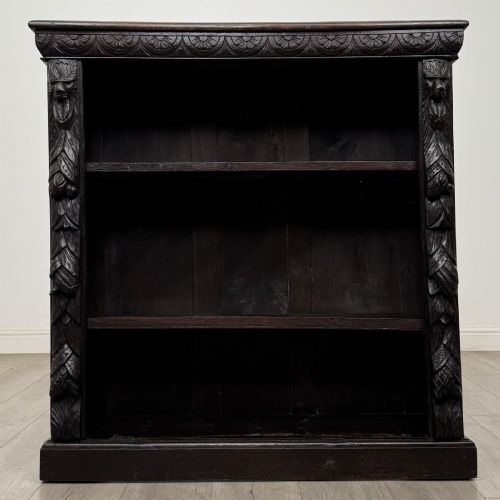
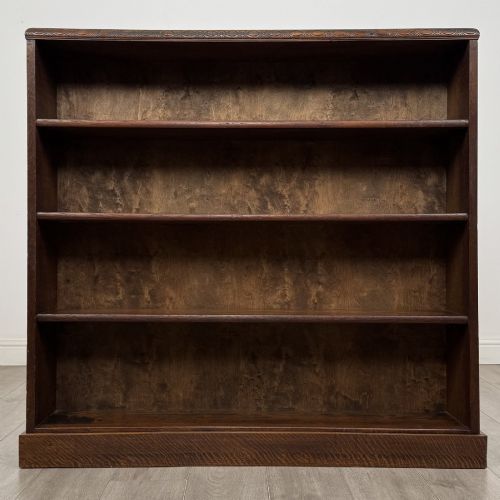
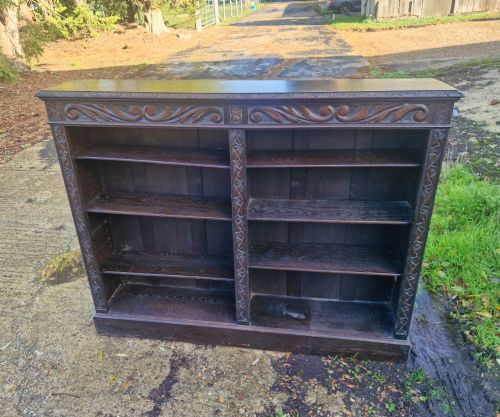
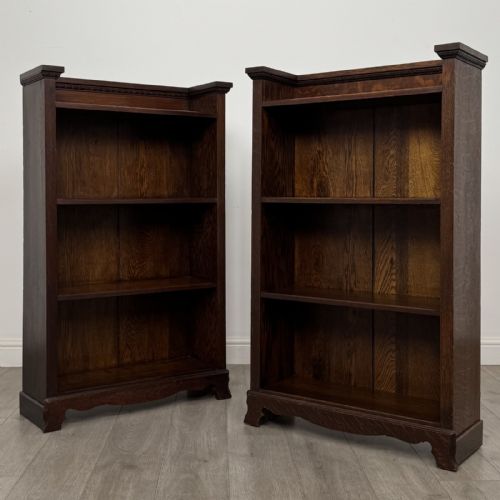
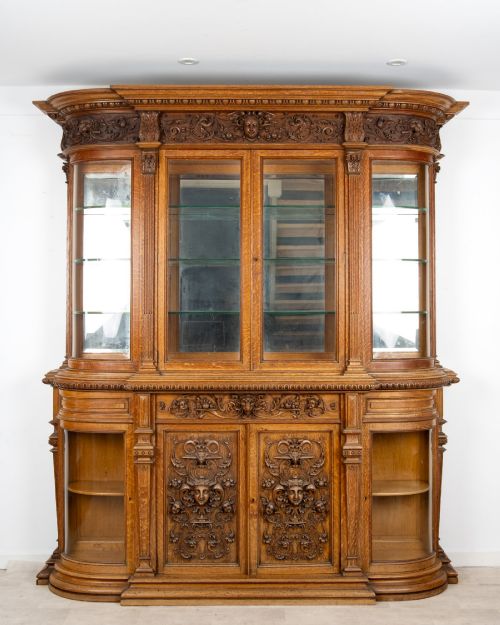
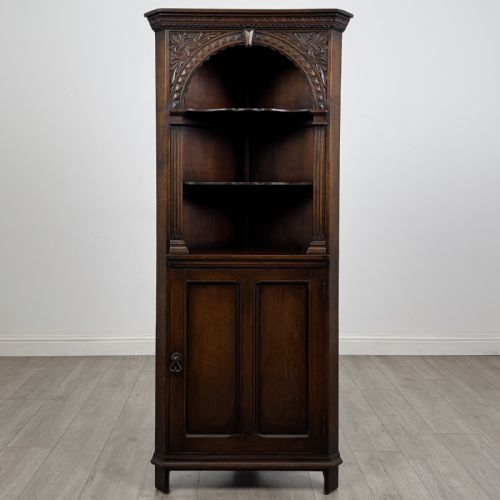
These carved oak display bookcase examples combine generous proportions with detailed surface carving, offering a practical solution for storing and showing books.
Carved Oak Display Bookcase
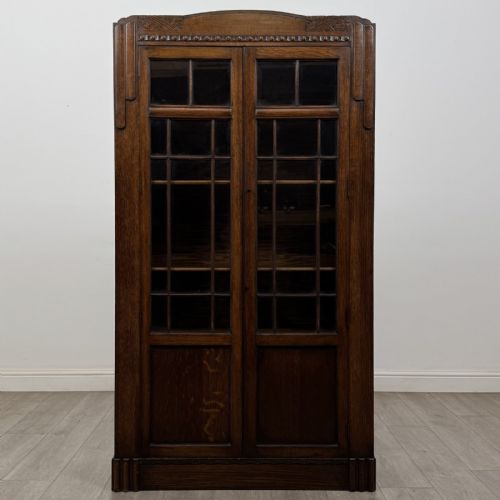
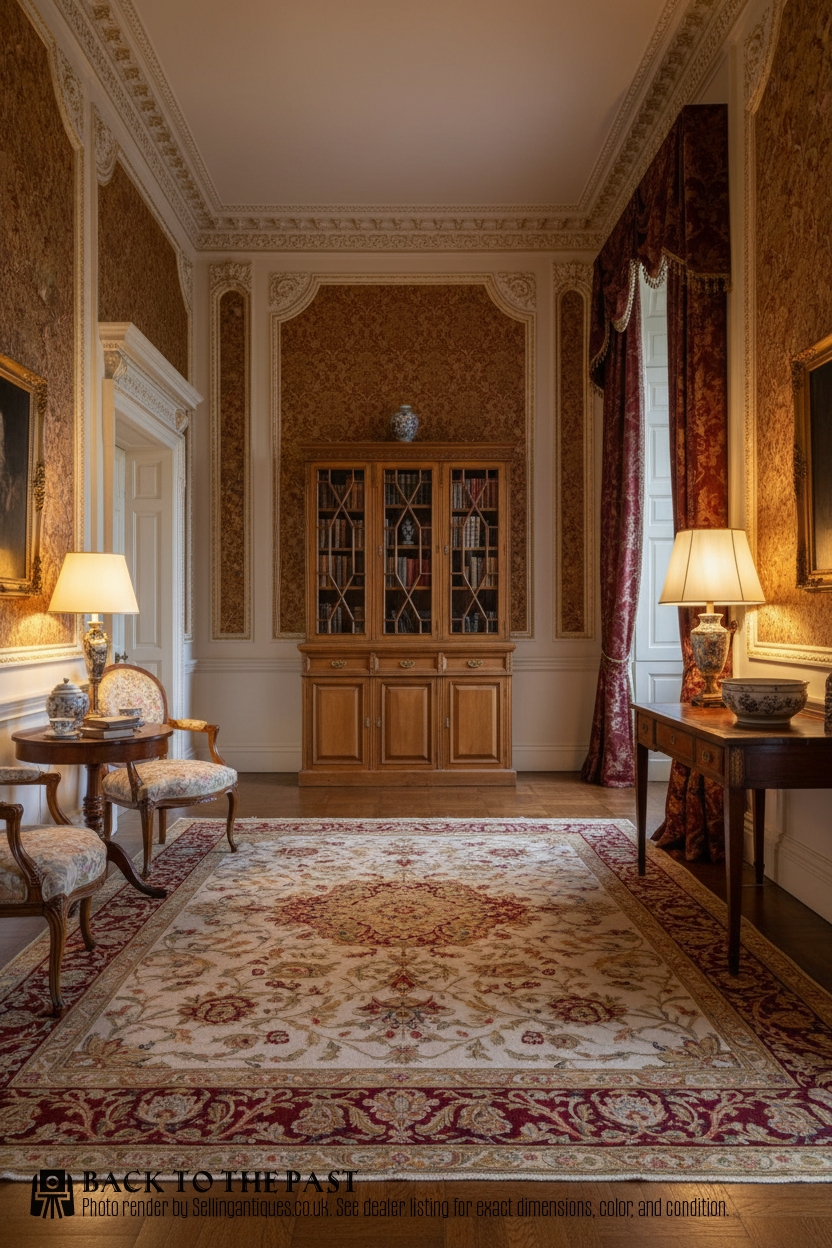
A carved oak display bookcase serves to house volumes and exhibit prized objects behind glazed or open fronts. The pieces found here span multiple periods, from the 18th century through the Victorian and Edwardian eras, reflecting enduring domestic utility.
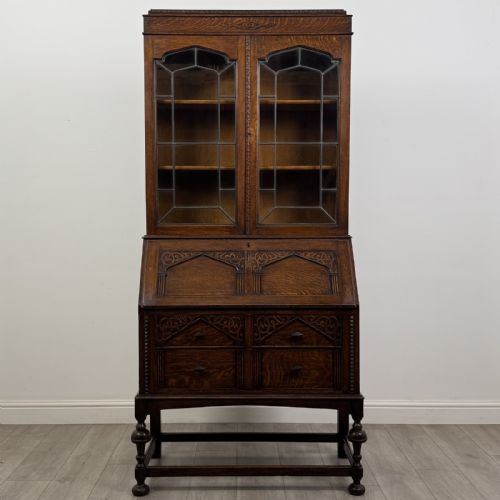
Most items meeting this search on the page date from the 19th century and the early 20th century. These include school library bookcases, bureau bookcases, and tall glazed cabinets suited for living spaces.
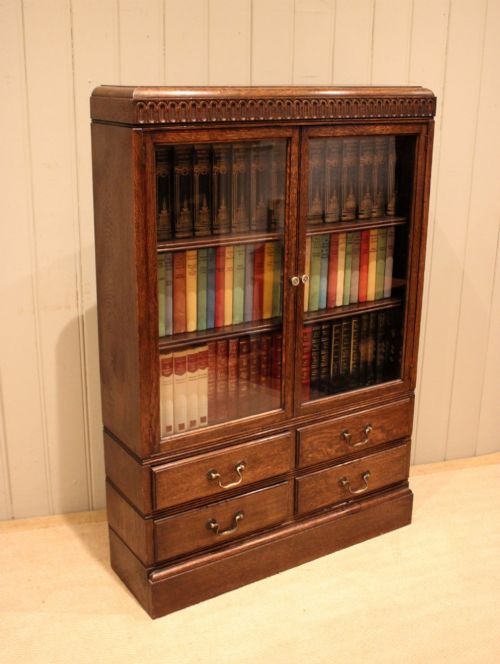
Forms range from simple open shelving to substantial breakfront pieces and corner cabinets. Many incorporate cupboards or drawers below the main display area, providing enclosed storage alongside visible shelving.
How they were made
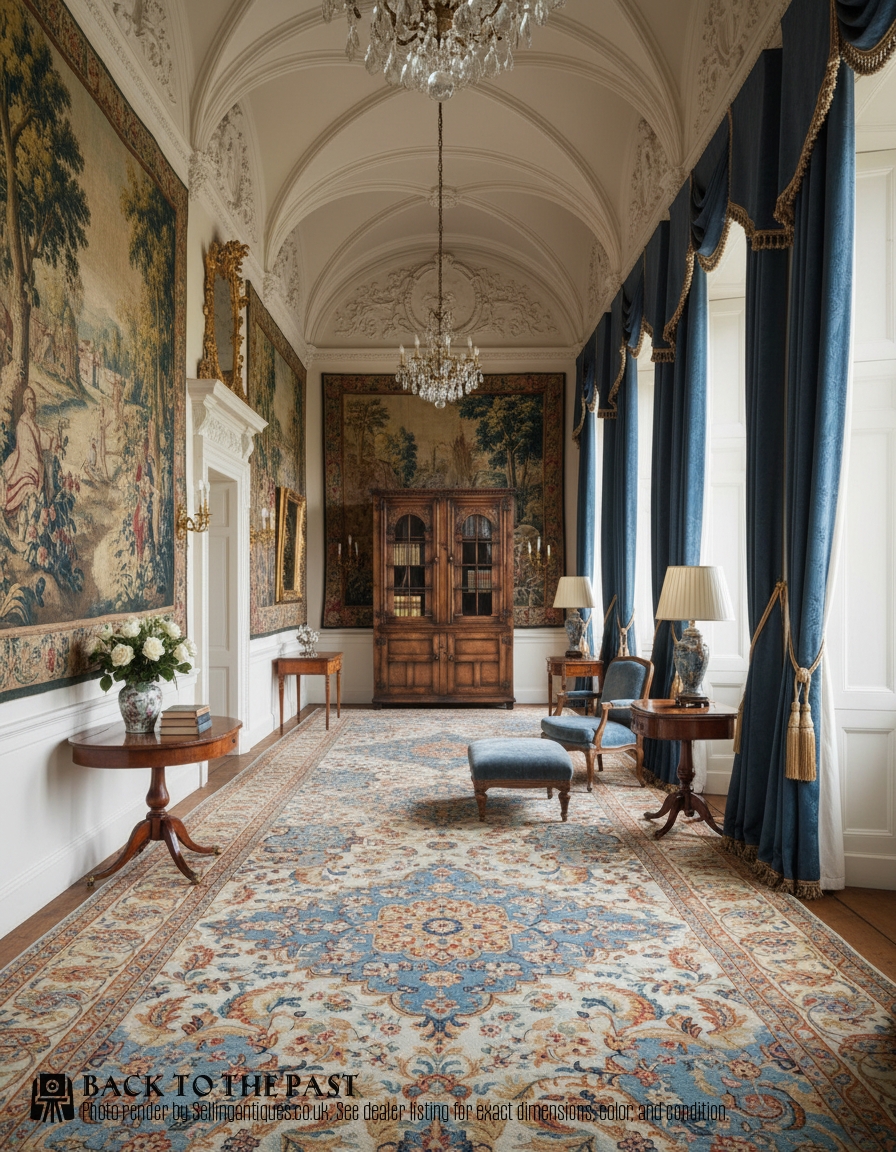
Makers utilised solid timber alongside veneers, relying on standard cabinet-making joints such as mortise and tenon. Oak forms the primary structure, paired with glass panes for doors and metal hardware like brass handles and hinges.
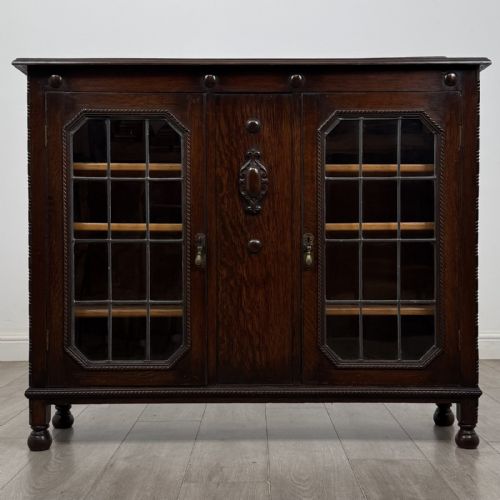
Carving was executed by hand or with mechanical assistance, depending on the period, creating decorative motifs including linenfold patterns and revival styles. Lead came sometimes secures individual glass segments within doors, while internal adjustable shelves provide functional versatility.
Carved Oak Display Bookcase Retail Price Guide 2026
Typical asking prices for carved oak display bookcase among the pieces listed under this phrase on Sellingantiques today, from the lower quarter to the upper quarter. They describe what is for sale here now, not the wider market.
One listed piece carries the specific provenance of Miskin Manor, preserving the precise domestic library atmosphere of 1870.
What varies in quality
The standard of timber selection and the crispness of the carved ornamentation define the upper tier of these pieces. Dense grain and well-figured oak indicate superior material choice by the original cabinet-maker.
Construction robustness, such as the thickness of the shelving and the tight fit of glazed doors, separates utilitarian items from fine library furniture. The integration of secondary woods like mahogany also signals differing workshops and origins.

The Carved Oak Display Bookcase Glossary
- Breakfront
- A piece of furniture where the central section projects forward from the sides. This layout adds architectural depth to large library bookcases.
- Linenfold
- A style of wood carving that imitates folded linen cloth. It appears frequently on panels from revival periods.
- Vitrine
- A glass-fronted cabinet used for displaying fine objects or porcelain. These often feature glazed sides as well as front doors.
- Bombe
- A swollen or convex shape found on the front and sides of certain continental storage pieces. It requires advanced timber-bending techniques.
- Bureau bookcase
- A combination unit featuring a sloping desktop writing flap beneath upper shelving or a glazed cabinet. They offer integrated workspace and storage.
Carved Oak Display Bookcase: Frequently Asked Questions
How do I date a carved oak display bookcase?
Dating relies on stylistic clues, construction methods, and hardware. Victorian examples often show heavier Gothic or Renaissance revival carving, while Edwardian versions tend to be lighter in proportion.
Secondary woods and the type of glass used also offer chronological markers. Machine-sawn timber indicates later 19th or 20th-century production.
Are the shelves adjustable in these bookcases?
Many library and open bookcases include adjustable shelving supported by wooden racks or metal pins. This allows storage for books of varying heights.
Fixed shelving is more common in older regional or provincial cupboards where structural rigidity took priority over flexibility.
What is the difference between an open bookcase and a glazed cabinet?
Open bookcases provide direct access to books without doors, suiting everyday reading material. Glazed cabinets feature glass doors that protect delicate volumes from dust and light.
Combination pieces often unite open display shelves with enclosed cupboards below for concealed storage.
How should I care for antique oak furniture?
Maintain a stable indoor humidity level to prevent the oak from splitting or warping. Avoid placing the piece in direct sunlight to protect the finish and any interior fabric.
Clean surfaces with a dry or slightly damp cloth, avoiding silicone-based polishes that build up over time.