


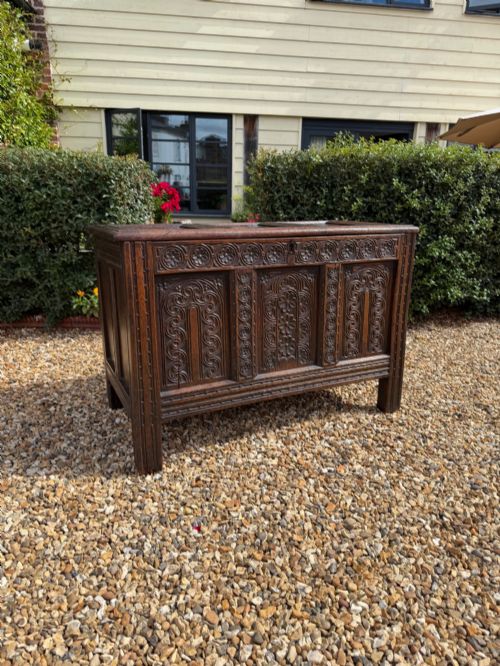
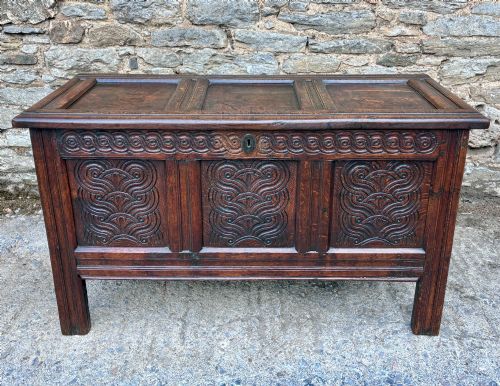
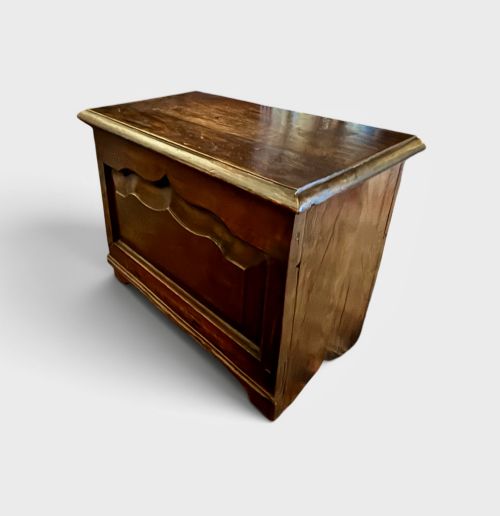
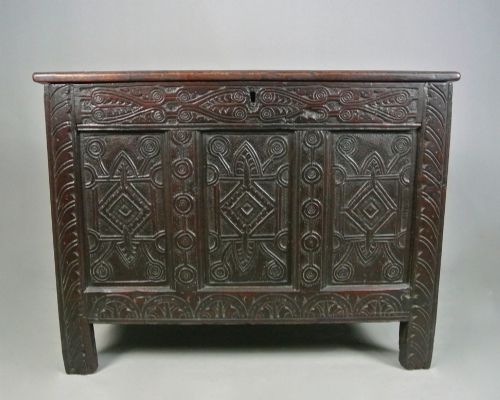
Carved Oak Blanket Trunk
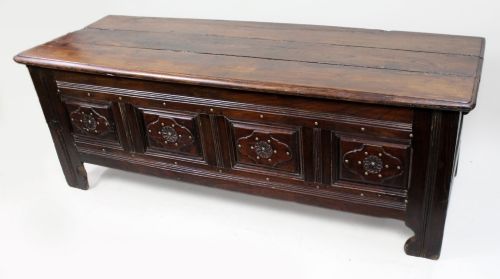
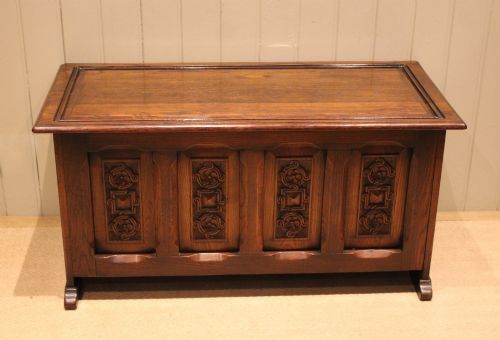
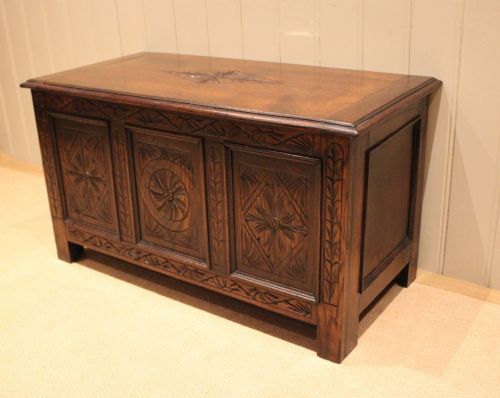
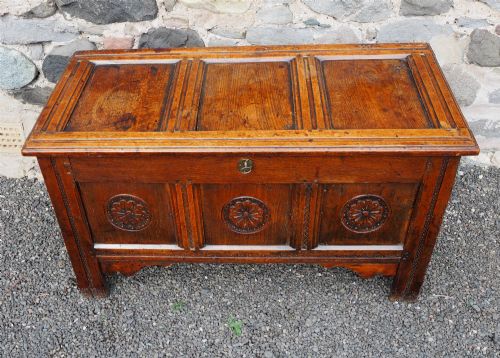
These pieces are a carved oak blanket trunk, heavy storage chests built to endure through centuries of domestic life.
Carved Oak Blanket Trunk
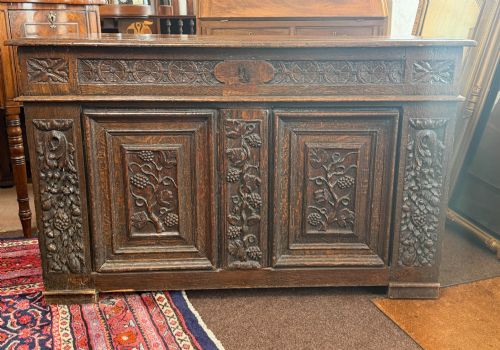
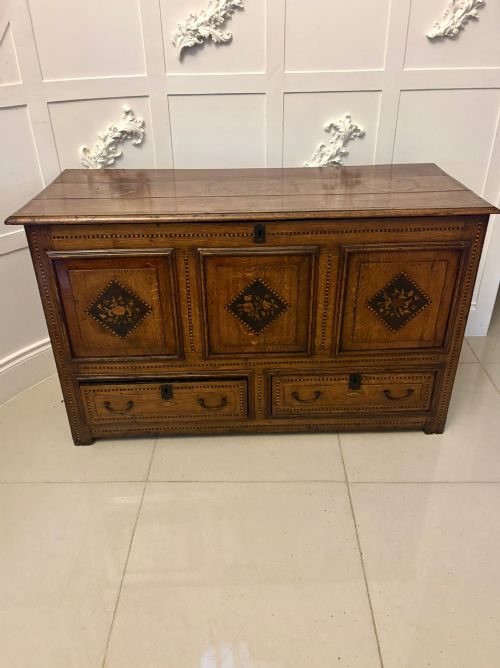
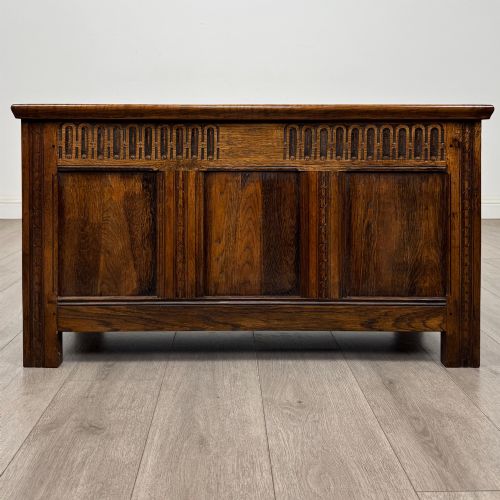
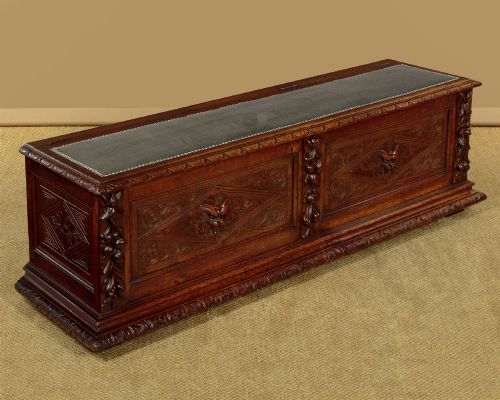
A carved oak blanket trunk appears in forms such as coffers, mule chests, and storage boxes spanning from the sixteenth century to the twentieth century. The selection includes seventeenth-century joined examples, eighteenth-century Georgian and French provincial pieces, and later revivals from the Edwardian era and the nineteen-thirties.
Buyers seeking a carved oak blanket trunk will encounter panelled construction, traditional box seating, and hinged lids designed for storing textiles. Many items originate from English workshops, while others show regional traits from Wales or continental France.
Earlier examples display seventeenth-century panel work and carved ornamentation, whereas later nineteenth and twentieth-century versions adapt these historical styles for domestic interiors.
How they were made
Makers constructed these storage pieces using solid oak, often shaped through joined framing and panel assembly. Iron and brass hardware, including hinges and locks, secured the lids and added structural reinforcement.
Decoration relied on hand-carved motifs set directly into the timber, occasionally complemented by marquetry inlay using mixed woods. Some iterations incorporated leather elements or wrought iron details alongside the primary oak structure.
Materials documented across the pieces include solid oak, iron, brass, leather, and mixed inlay woods.
What varies in quality
The standard of a carved oak blanket trunk depends upon the depth and precision of the period carving and the integrity of the original timber. Pieces with intact early joinery and well-preserved panel construction stand apart from later reproductions or heavily altered examples.
Subtleties in proportion, the complexity of marquetry inlay, and the retention of original brass or iron hardware distinguish superior items from simpler utility boxes.
The Carved Oak Blanket Trunk Glossary
- Coffer
- A heavy wooden chest traditionally used for storing valuables, textiles, or documents. These sturdy receptacles form the foundation of early domestic furniture.
- Mule chest
- A storage chest featuring one or more drawers beneath the main compartment. This form bridges the traditional coffer and the modern chest of drawers.
- Marquetry inlay
- Decorative patterns formed by fitting small pieces of veneer into the timber surface. Craftsmen utilised mixed woods to create contrasting geometric or floral designs.
- Joined oak
- Furniture construction utilising mortise and tenon joints secured with wooden pegs. This method provides robust structural integrity without relying on metal nails.
- Jacobean
- A seventeenth-century design style characterised by geometric panelling and rigid symmetry. Revival versions of this style appeared during later centuries.
Carved Oak Blanket Trunk: Frequently Asked Questions
How were these trunks used?
These trunks served primarily for storing household textiles, blankets, and woollens in domestic chambers and halls. Their flat lids also allowed them to function occasionally as benches or temporary tables.
Over generations, families kept personal valuables, linens, and documents inside these secure wooden receptacles to protect them from dampness and pests.
How do I date an oak trunk?
Dating relies upon examining the construction methods, tool marks, and specific carving styles visible on the panels and frame. Seventeenth-century pieces typically feature hand-cleaved oak and pegged joints, whereas twentieth-century revivals display more uniform machine sawing.
Changes in hardware styles, such as wrought iron hinges versus later brass mechanisms, also provide reliable chronological markers for these items.
What is a mule chest?
A mule chest is a variation of the standard storage trunk that incorporates one or more drawers at the base beneath the main compartment. This design allowed easier access to smaller items without requiring the heavy lid to be lifted.
These hybrid pieces became particularly popular during the eighteenth century in regional British workshops.
How do I care for antique oak?
Antique oak benefits from stable indoor humidity levels away from direct heat sources and strong sunlight, which can dry out and split the timber. Applying a traditional wax polish occasionally helps nourish the wood and maintain its surface sheen.
Avoid using modern liquid silicone sprays or aggressive chemical cleaners that can permanently damage the historic finish of the oak.