
Carved Oak Architectural Panel
A carved oak architectural panel brings immediate depth to a room, carrying centuries of hand-chiselled history directly into modern interiors.
Carved Oak Architectural Panel
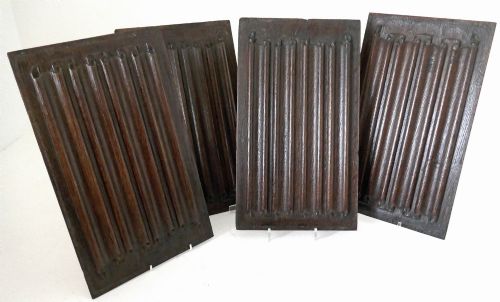
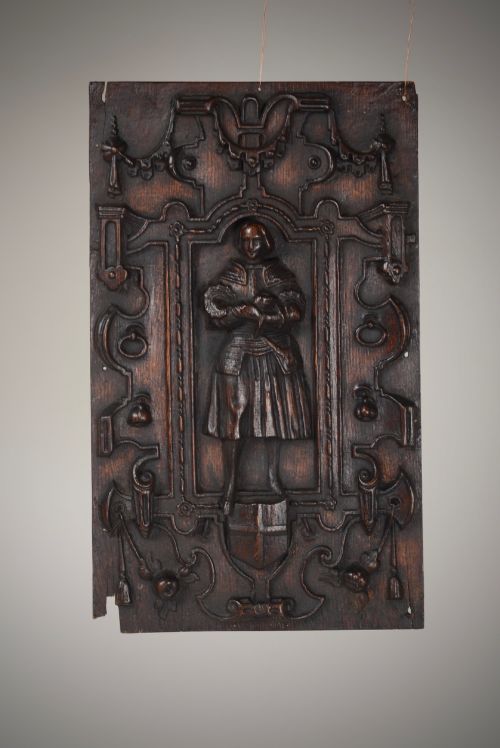
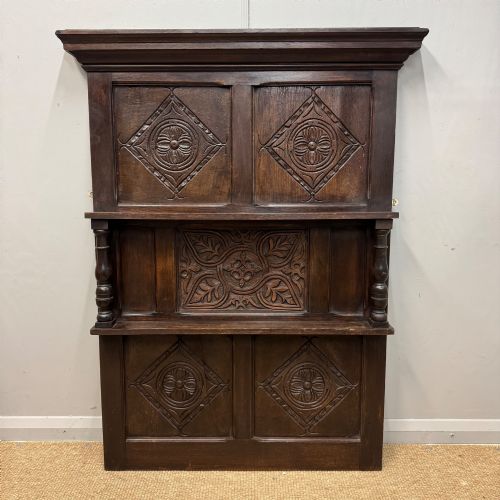
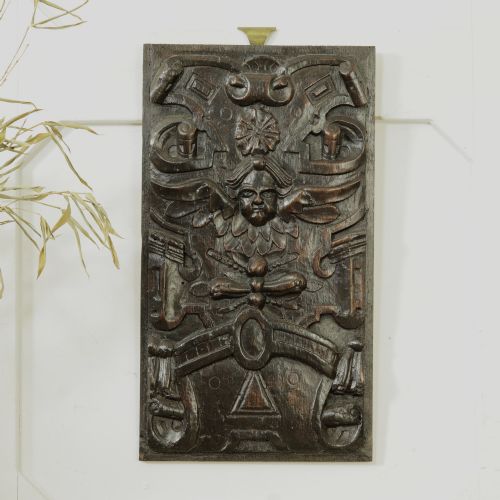
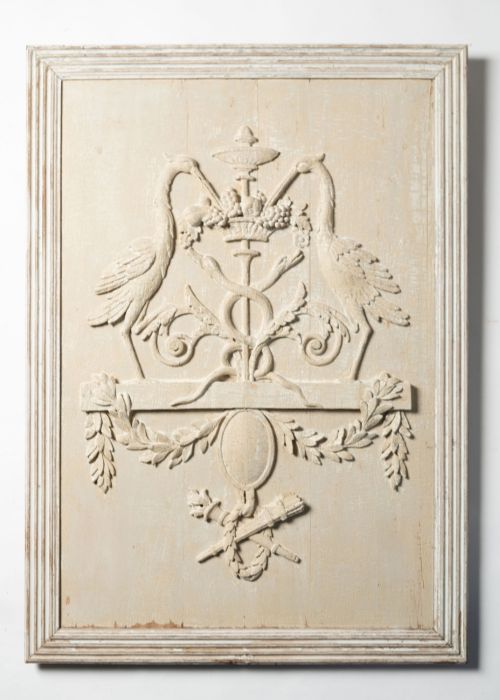
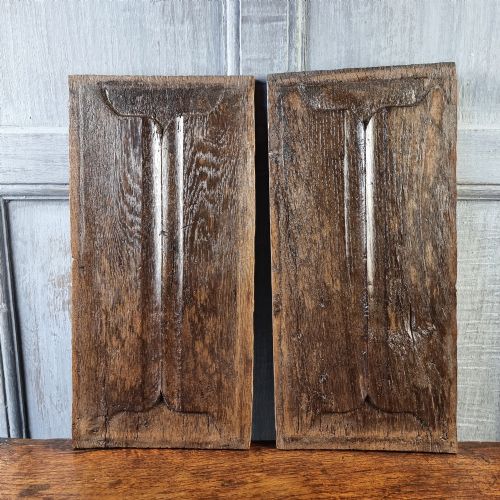
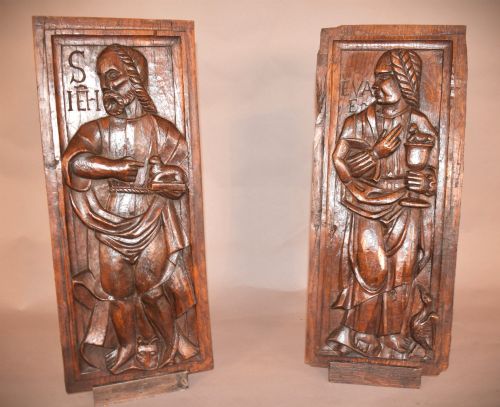
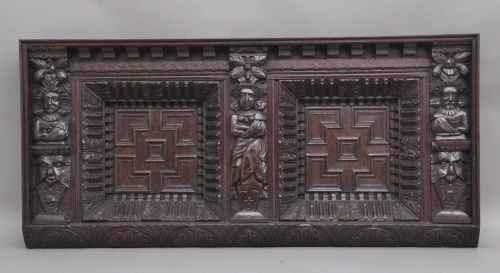
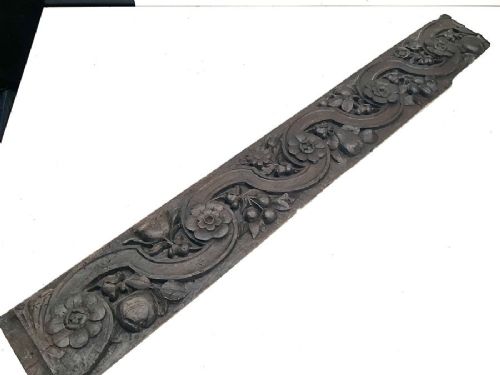
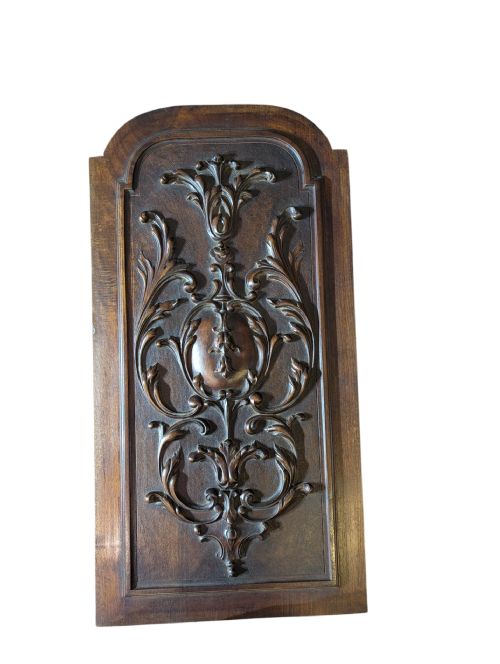
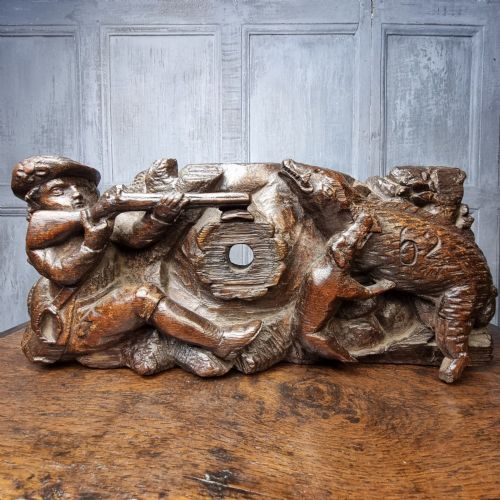
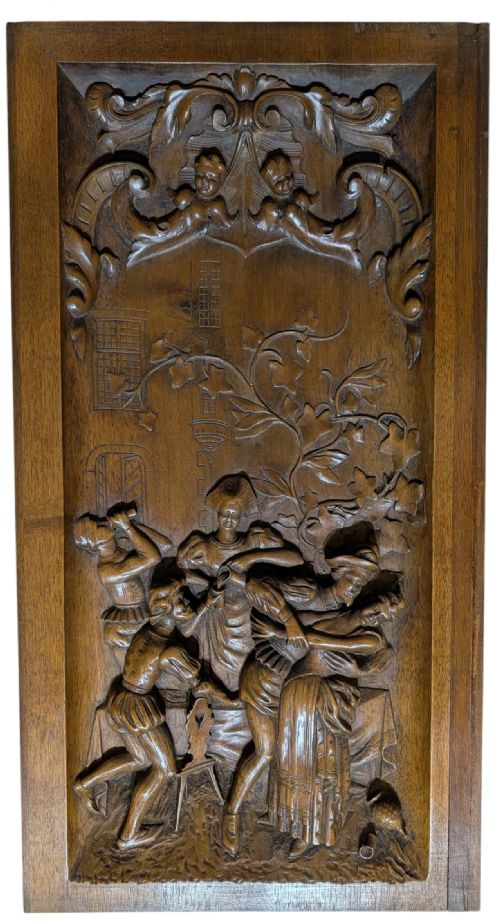
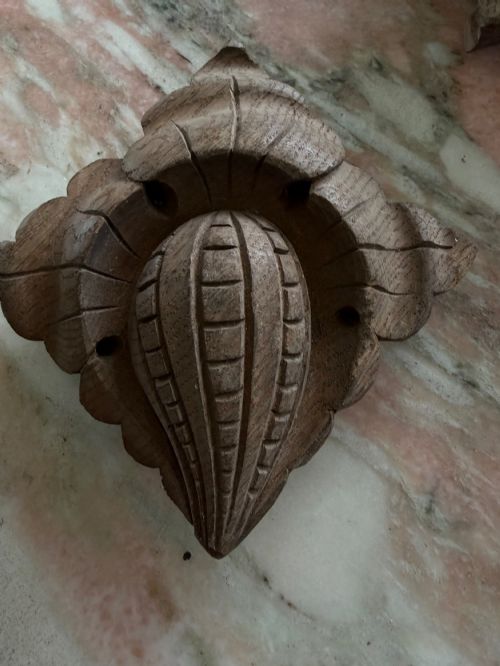
A carved oak architectural panel represents salvaged fragments from historic buildings, ranging from domestic overmantles to ecclesiastical furnishings. Buyers encounter distinct forms including linenfold panels, ceiling bosses, friezes, and figurative reliefs originating from the sixteenth century onwards.
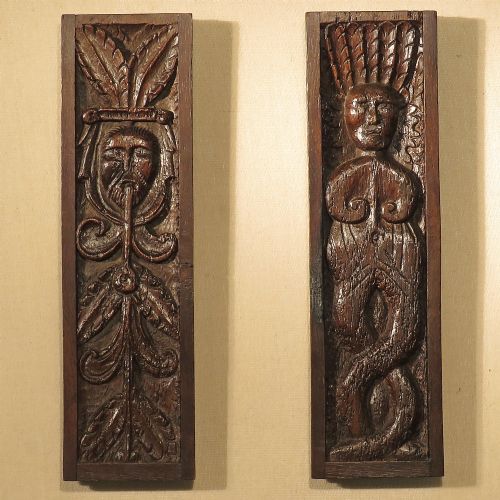
The selection on this page leans heavily towards seventeenth-century survivals alongside nineteenth-century Gothic revival interpretations. Pieces take the shape of wall panels, doors, and overdoor carvings featuring motifs such as Green Men, acanthus leaves, and armorial bearings.
Origins stretch across English, French, Flemish, and German workshops, reflecting diverse regional carving traditions. Domestic interiors frequently incorporate these fragments into walls or mount them as standalone wall art.
Assessing Quality and Execution
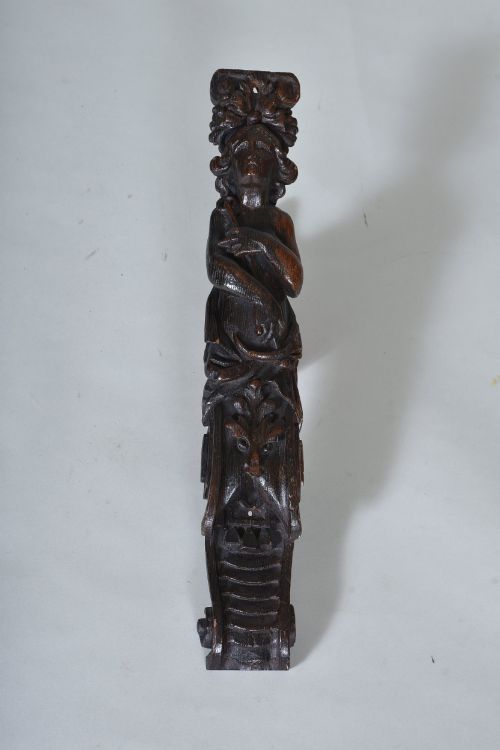
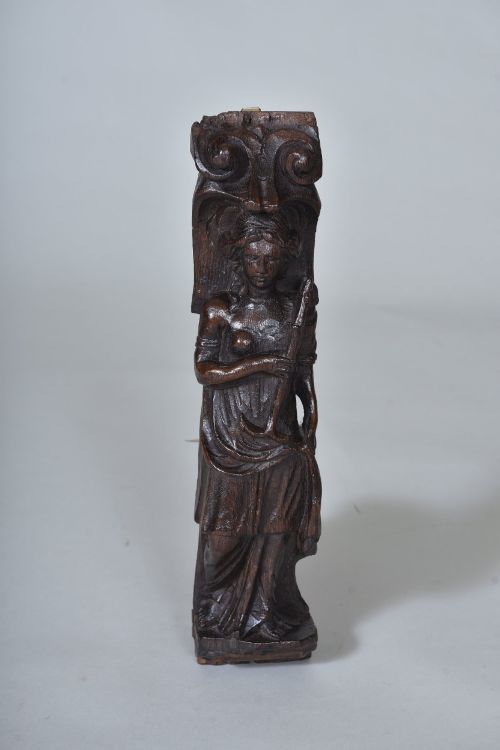
Depth and crispness of the chisel work define the upper tier of these pieces, separating confident high-relief sculpture from simpler mechanical profiling. Master carvers achieved anatomical precision in figures like caryatids and cherubs, whereas lesser examples display rigid, repetitive tooling.
The architectural context also dictates value, with integrated components like complete friezes or structural ceiling bosses carrying more historical integrity than isolated fragments. Original surface patination without aggressive modern stripping preserves the visual weight expected from genuine period woodwork.
Several panels hide grinning Green Men amongst their foliage, silently watching over rooms for over four hundred years.
Edward Pearce
The Carved Oak Architectural Panel Glossary
- Linenfold
- A style of wood carving that imitates folded linen, commonly found on sixteenth-century panels. This pattern creates a subtle textile-like texture across flat wooden surfaces.
- Caryatid
- A sculpted female figure serving as an architectural support in place of a column. These appear supporting pediments or framing architectural openings.
- Ceiling Boss
- A decorative projecting block placed at the intersection of ceiling ribs. They often feature intricate foliage, such as carved acanthus leaves or floral rosettes.
- Gothic Revival
- An architectural and decorative style popular in the nineteenth century that mimics medieval forms. Pieces from this era often incorporate tracery and ecclesiastical motifs.
- Overmantle
- A decorative panel or framing structure positioned directly above a fireplace mantel. These frequently display heraldic shields or figurative high-relief carvings.
Carved Oak Architectural Panel: Frequently Asked Questions
How were these panels originally used?
Historic panels formed integral parts of domestic and ecclesiastical interiors, lining walls or adorning furniture.
Craftsmen built them into wainscoting, doors, and overmantles to demonstrate wealth and architectural sophistication.
How do I hang a heavy wooden panel?
Mounting requires securing heavy oak directly into wall studs using robust steel brackets or concealed french cleats.
Professional consultation ensures the wall structure safely bears the considerable weight of solid timber.
How can I tell a sixteenth-century piece from a nineteenth-century copy?
Early pieces display tool marks left by hand chisels and natural timber shrinkage over centuries.
Nineteenth-century Gothic revival interpretations often feature machine-assisted shaping and softer, more uniform surface patination.
Can these panels be used in bathrooms or kitchens?
Solid oak tolerates normal indoor humidity, but extreme moisture changes cause timber to warp and split.
Placement away from direct steam sources and water splashes preserves the structural integrity of the ancient wood.