

Carved Marquetry Table
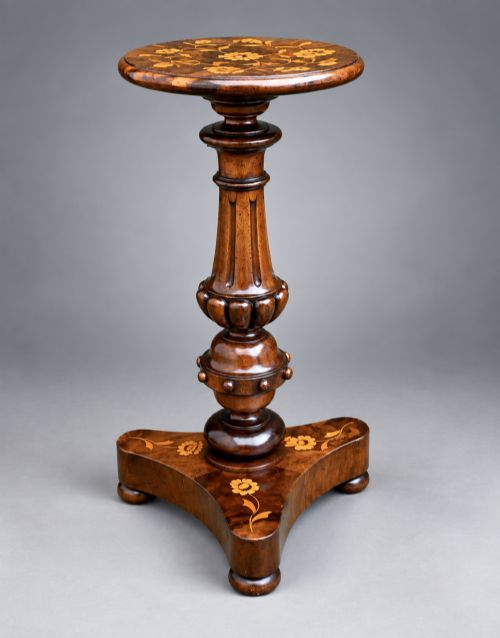
When you search for a carved marquetry table, you look for a functional surface decorated with precision wood patterns that define Victorian and Edwardian sitting rooms.
Carved Marquetry Table
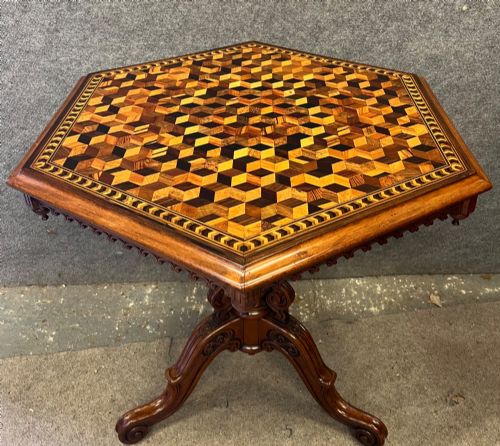
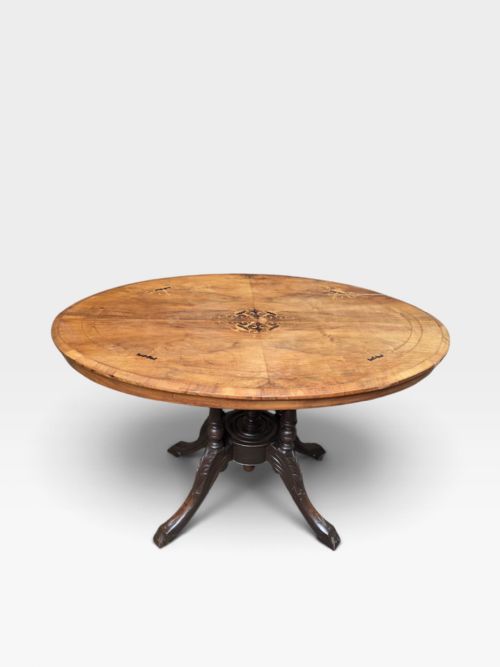
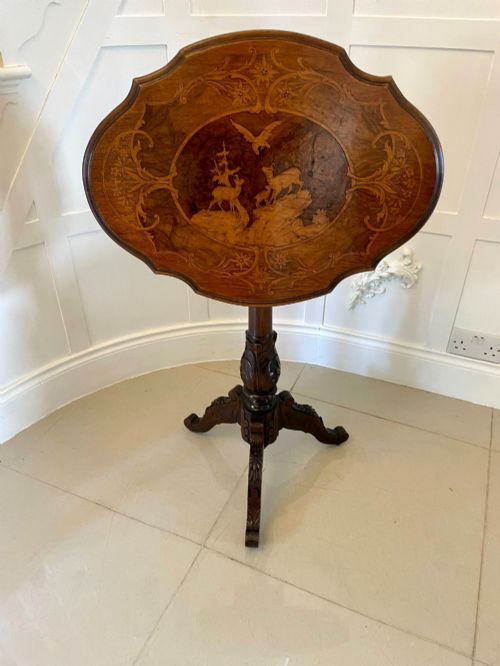
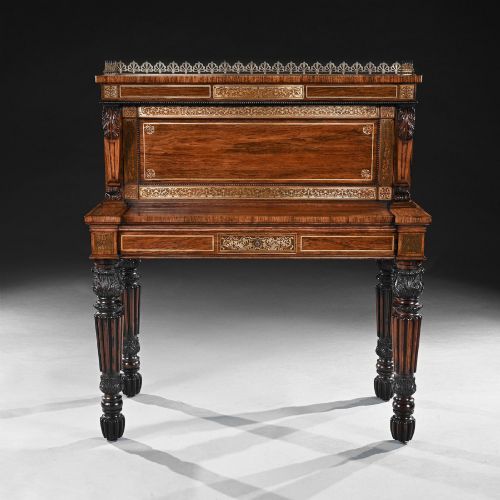
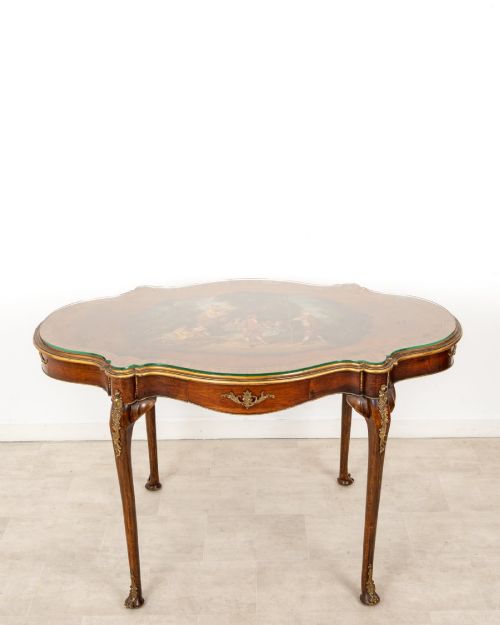
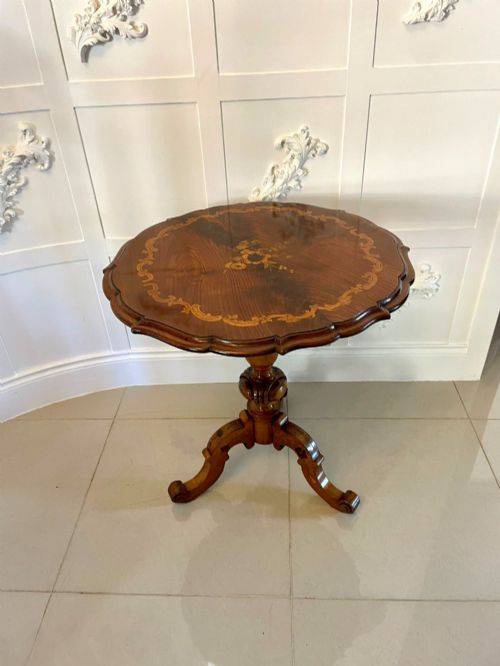
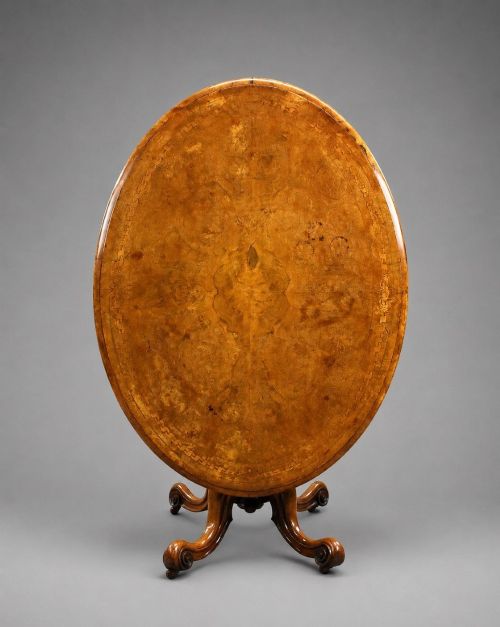
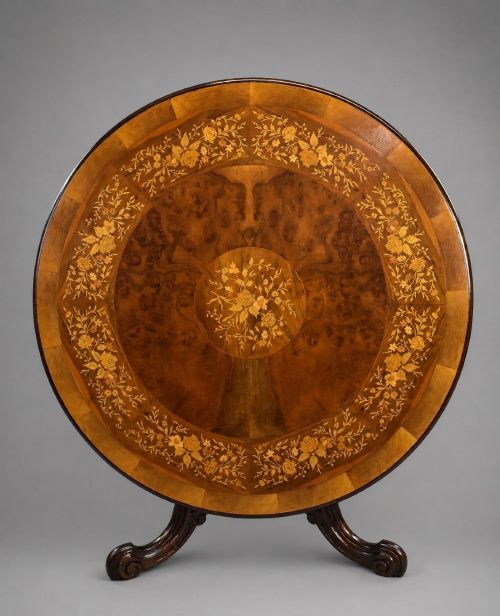
A carved marquetry table primarily appears across nineteenth-century and Edwardian formats, spanning Victorian centre tables, lamp tables, and writing desks alongside occasional tables.
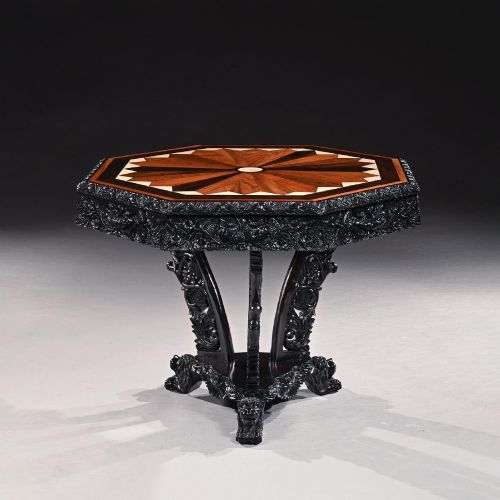
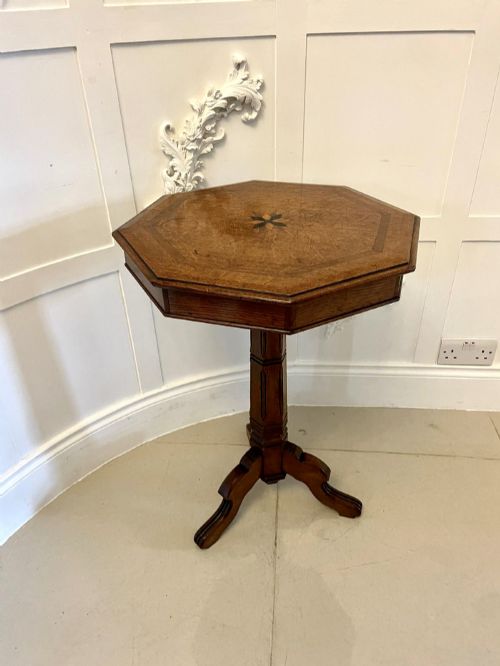
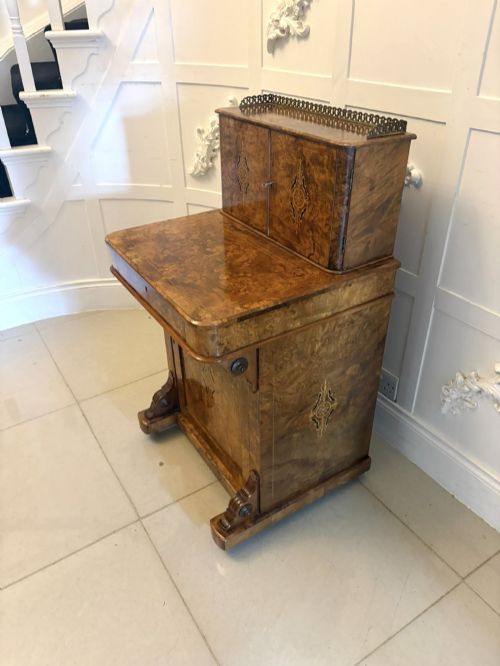
The evidence shows forms ranging from circular and oval lamp tables in burr walnut to octagonal Anglo-Indian occasional pieces and larger writing desks.
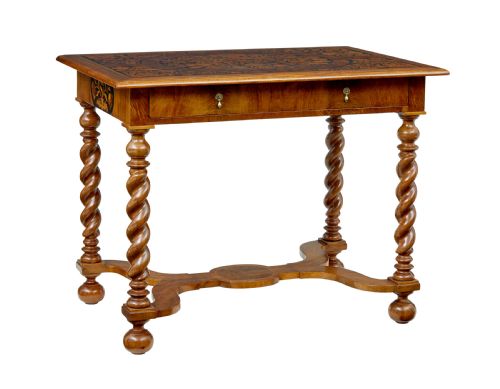
Makers and workshops constructed these pieces across periods including the Victorian era, the Edwardian years, and occasional seventeenth-century foundations.
Materials and construction methods
Craftsmen utilised foundational timbers such as walnut, burr walnut, mahogany, and rosewood to build the primary carcass and legs of each table.
Surface decoration relies on meticulous marquetry inlay, boxwood inlay, brass, and wood inlay, often paired with carved wooden bases or gilt bronze mounts.
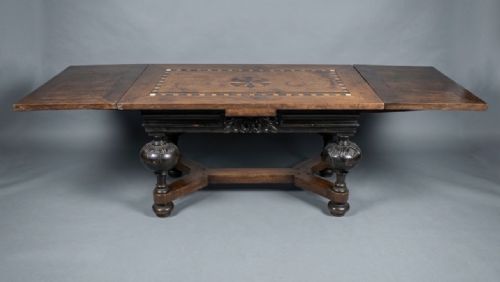
Some tables require an extra pair of hands simply to appreciate the hidden leaves sliding out from beneath.
Judging the standard of execution
Quality rests upon the crispness of the carving and the tightness of the fitted wood inlays across the table top.
Finer examples demonstrate careful selection of burr walnut or rosewood veneers that align harmoniously with the structural timber frames.
Gillows Oxford Street Workshop·François Linke·Liberty & Co.·Gill & Reigate
The Carved Marquetry Table Glossary
- Marquetry
- Decorative veneer work arranged in pictorial or geometric patterns on a furniture surface. This technique creates complex visual designs using varied timber tones.
- Burr walnut
- Wood grain taken from the knotty growth of a walnut tree, prized for its swirling patterns. It forms the prominent figured surfaces seen on Victorian tables.
- Draw leaf table
- A dining or side table with extension leaves stored beneath the main top. These pull out to lengthen the surface area when required.
- Ormolu
- Gilt bronze mounts applied to furniture for decorative enrichment. French pieces frequently utilise this metalwork to accent corners and legs.
Carved Marquetry Table: Frequently Asked Questions
Where do I place a marquetry centre table?
These tables suit the middle of a principal room or serve as lamp tables beside seating where the decorated top remains visible.
Their polished timber surfaces function effectively for holding small lamps or display items while anchoring the layout of a traditional interior.
How do I care for burr walnut surfaces?
Keep the wood away from direct heat sources and strong sunlight to prevent the delicate veneer from drying out or splitting.
Apply a traditional wax polish sparingly to maintain the natural sheen without building up heavy residues on the marquetry.
What distinguishes Victorian tables from Edwardian ones?
Victorian examples often employ heavier timbers like burr walnut with rich, dark tones and elaborate floral marquetry inlay.
Edwardian pieces tend toward lighter mahogany frames and refined proportions while retaining meticulous wood inlay techniques.
How were octagonal tables used historically?
Octagonal tables served as occasional furniture in nineteenth-century drawing rooms, often displaying decorative objects or accommodating tea service.
Anglo-Indian and Moorish revival variants brought complex geometric inlays and mother of pearl details into domestic spaces.