

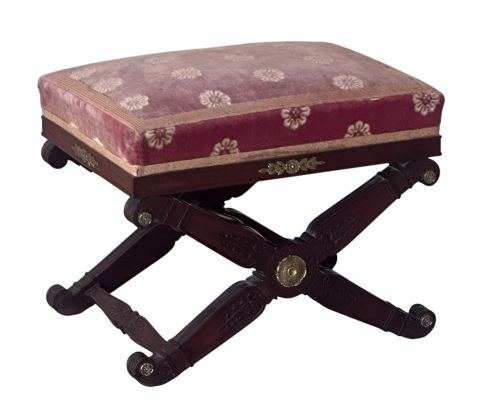
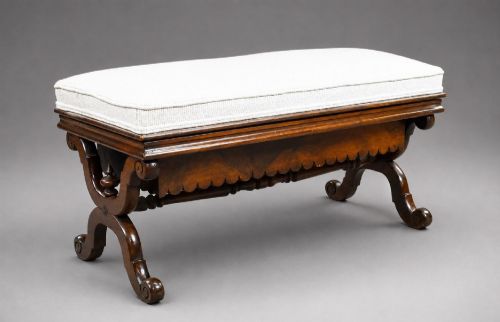
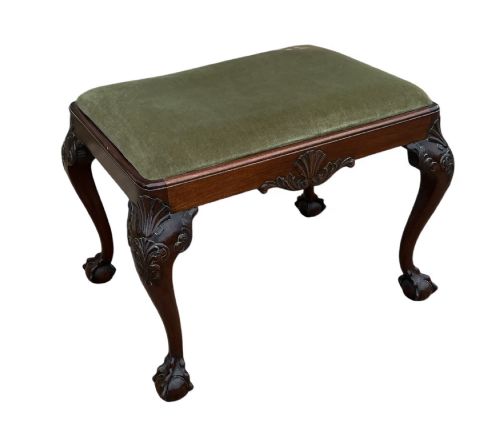
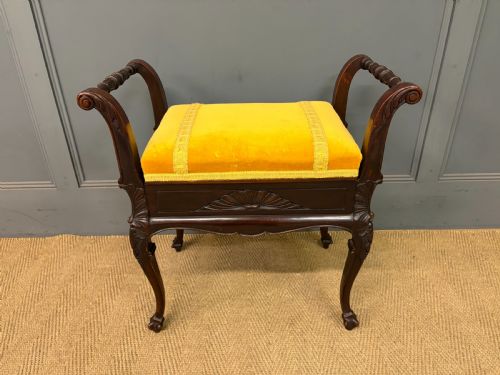


Carved Mahogany Dressing Stool
These carved mahogany dressing stool examples combine solid timber framing with period upholstery, offering both practical seating and traditional craft for the dressing room.
How they were made
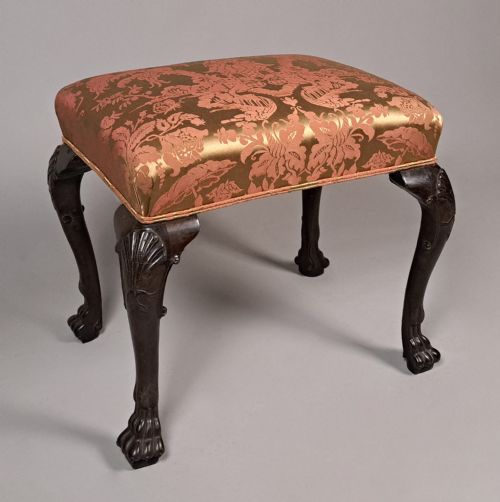
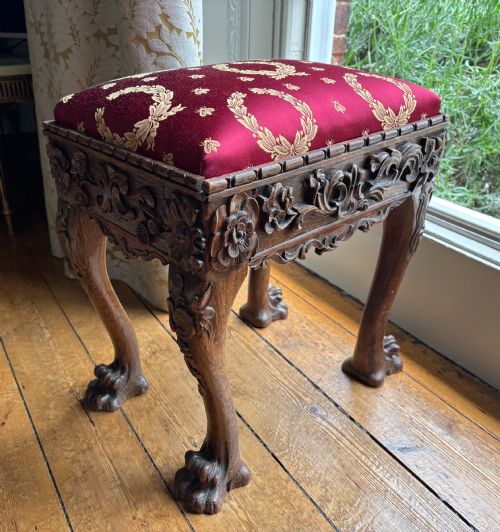
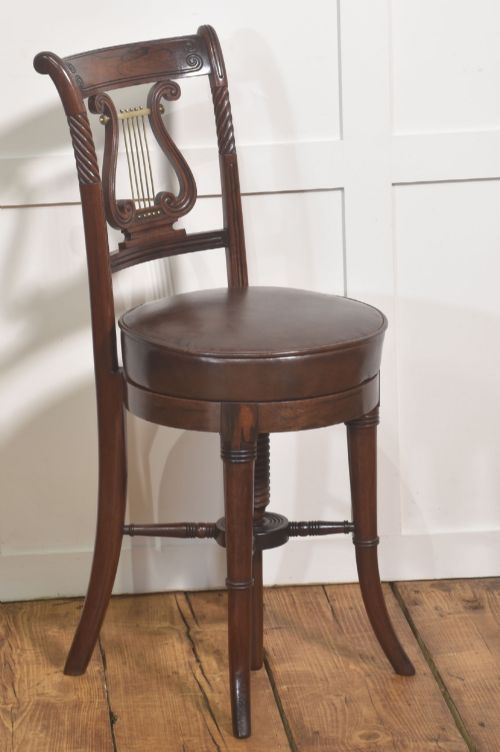
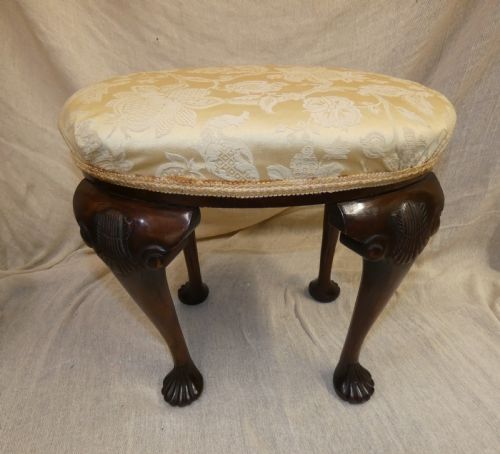
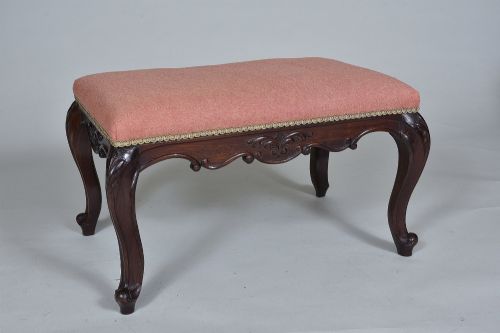
Makers built these frames using dense tropical hardwood, shaping the timber by hand to form cabriole legs, stretchers, and scroll-carved details. Joinery typically relied on mortise and tenon construction to ensure stability under daily seating use.
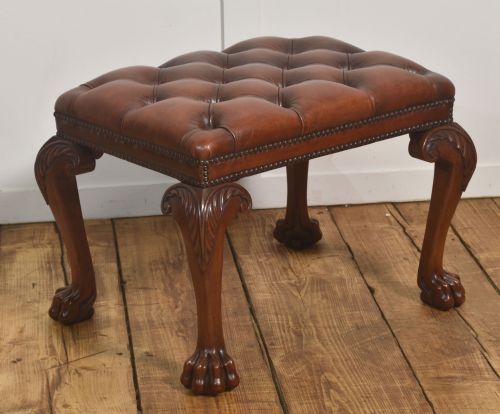
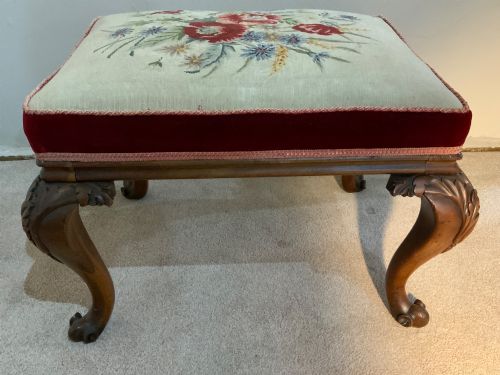
Seats were webbed and stuffed with traditional materials before receiving top covers in leather, velvet, tapestry, or needlepoint. Brass fixings and decorative studs often secured the textile edges to the wooden rails.
What varies in quality
Quality rests in the crispness of the timber carving and the architectural proportion of the frame. Sharp, deeply undercut details on cabriole legs or stretchers separate superior examples from simpler, mechanically produced alternatives.
The integrity of the timber structure and the retention of period upholstery materials influence the character of each piece. Retaining original needlepoint or historic textiles adds significant contextual depth to the physical object.
Carved Mahogany Dressing Stool Retail Price Guide 2026
Typical asking prices for carved mahogany dressing stool among the pieces listed under this phrase on Sellingantiques today, from the lower quarter to the upper quarter. They describe what is for sale here now, not the wider market.
A few unexpected specimens double as saddle seats, proving that Victorian artisans occasionally enjoyed an equestrian posture while powdering their wigs.
J. Shoolbred
The Carved Mahogany Dressing Stool Glossary
- Cabriole leg
- A furniture leg that curves outward at the knee and tapers inward at the ankle, ending in a pad or claw foot. This form derives from Chinese design and became common in eighteenth-century and revival seating.
- X-frame
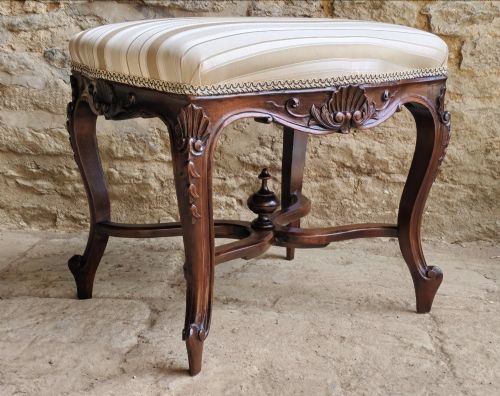
- A structural base formed by intersecting diagonal timbers that cross to support the seat. This ancient architectural form appears in nineteenth-century interpretations influenced by classical and French Empire models.
- Cross stretcher
- A stabilizing wooden brace connecting the legs underneath the seat in an X-shape. These elements provide structural rigidity while adding decorative turning or carving to the lower profile.
- Needlepoint
- A form of counted thread embroidery stitched onto canvas to create durable seat coverings. Historic examples often feature floral or geometric wool patterns worked by hand.
- Chippendale style
- A decorative vocabulary based on mid-eighteenth-century cabinetmaking designs featuring carved ribbon backs, cabriole legs, and elaborate fretwork. Revival versions reappeared frequently during the Victorian and Edwardian eras.
Carved Mahogany Dressing Stool: Frequently Asked Questions
How do I date a mahogany dressing stool?
Dating relies on examining the timber characteristics, tool marks left by cabinetmakers, and the style of the carving. Eighteenth-century pieces display hand-cut joinery and native patination, while later revival pieces often incorporate machine-sawn components.
The upholstery method also provides chronological clues, as traditional webbing and stuffing techniques shifted toward modern springs and synthetics during the twentieth century. Comparing the leg profile and stretcher arrangement against documented period furniture helps narrow the manufacturing decade.
Were these always used for dressing tables?
While many examples served seated grooming routines, nineteenth-century rooms often cross-utilized low seating for piano practice or general parlor use. The physical dimensions and absence of backrests made them versatile enough to tuck beneath tables or sit beside upholstery suites.
Some variants catalogued as piano stools or footstools share identical construction with dedicated dressing table seats. Their compact footprint ensured easy movement between rooms according to domestic requirements.
How should I care for antique upholstery?
Preserving historic fabric requires gentle vacuuming with a soft brush attachment to remove dust without stressing fragile textile fibres. Direct sunlight should be avoided to prevent the fading of velvet, damask, or needlepoint covers.
Leather and exposed mahogany frames benefit from occasional treatment with appropriate conservation waxes rather than modern silicone polishes. Maintaining stable room humidity protects both the organic stuffing materials and the underlying wood structure.
What is the difference between Georgian and revival styles?
Original Georgian pieces date from the eighteenth century and exhibit the primary construction methods, wear patterns, and material sourcing of that specific era. Cabinetmakers of the period built them for contemporary domestic consumption.
Revival pieces date from the Victorian, Edwardian, or later periods but intentionally copy the aesthetic vocabulary of eighteenth-century makers. These later interpretations utilise period machinery alongside traditional hand-finishing techniques to recreate classic silhouettes.