
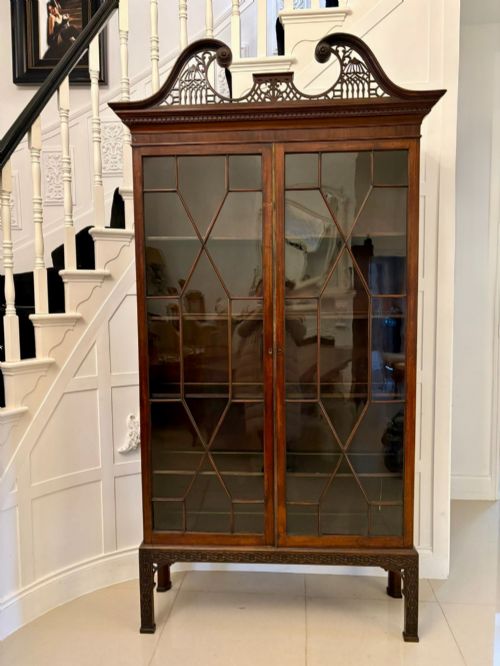
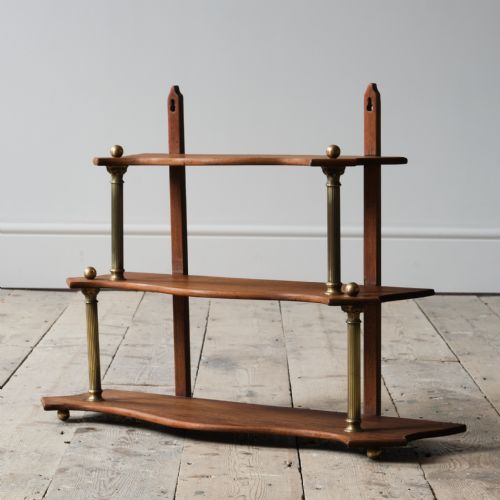
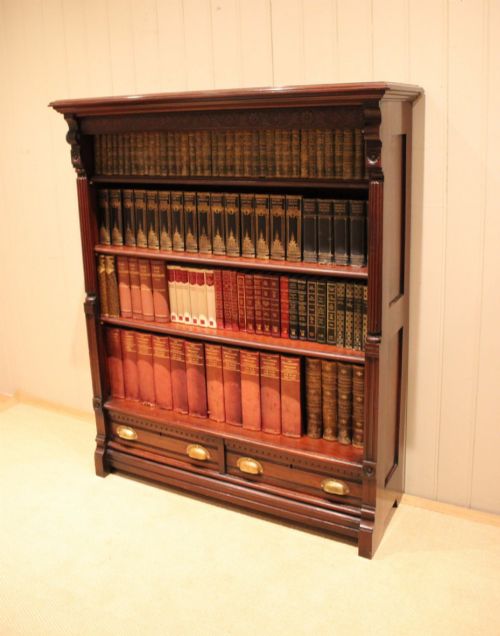
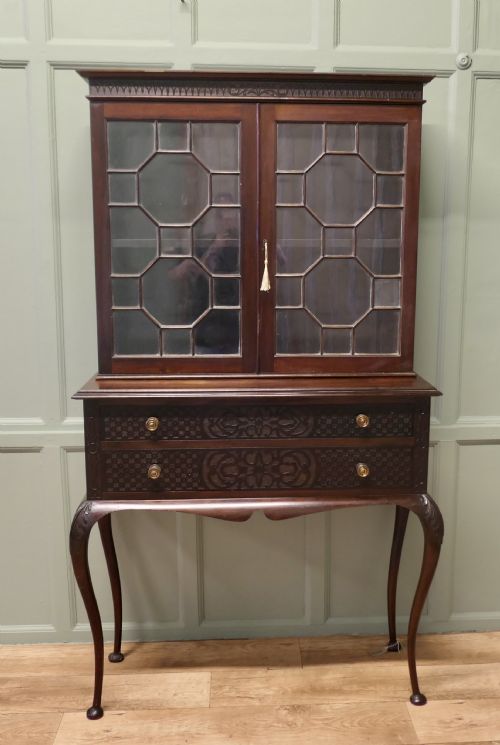

Carved Mahogany Display Bookcase
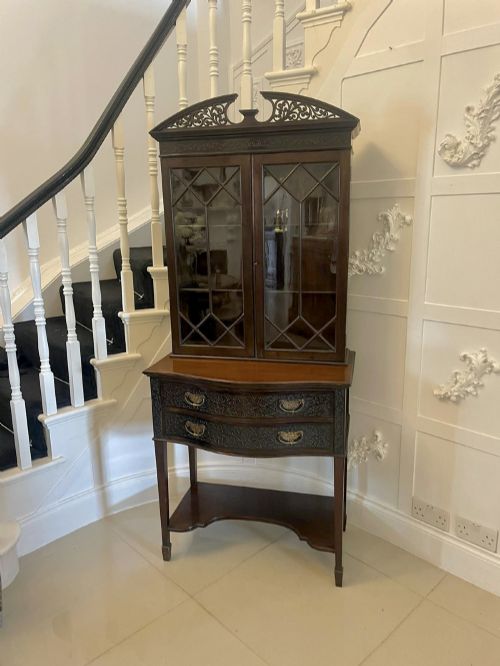
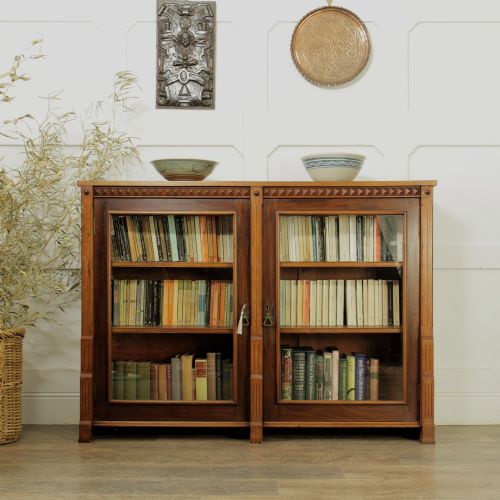
A carved mahogany display bookcase is a substantial timber piece built to house volumes while exhibiting treasured objects behind glass, bringing rich grain and formal presence to a room.
Carved Mahogany Display Bookcase
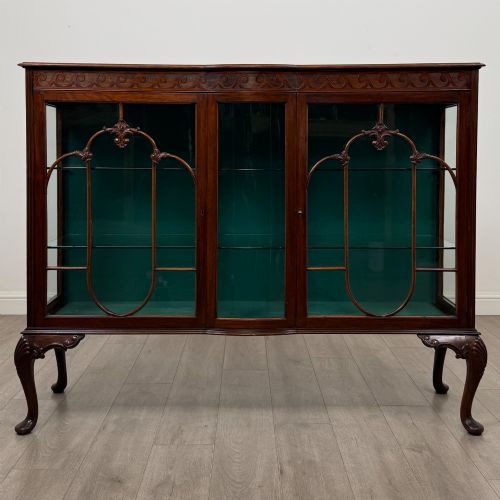
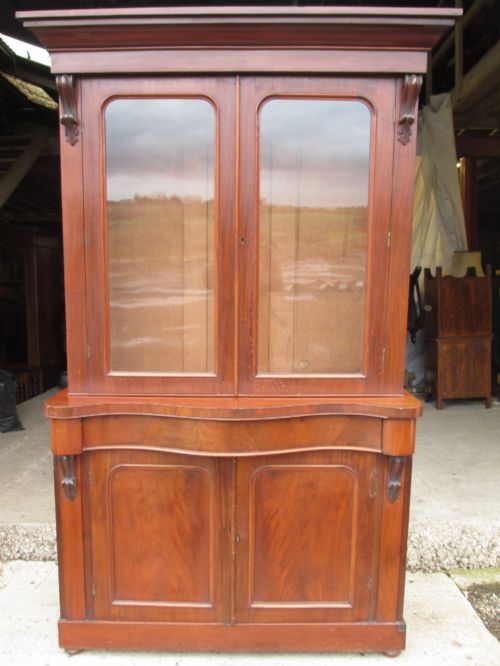
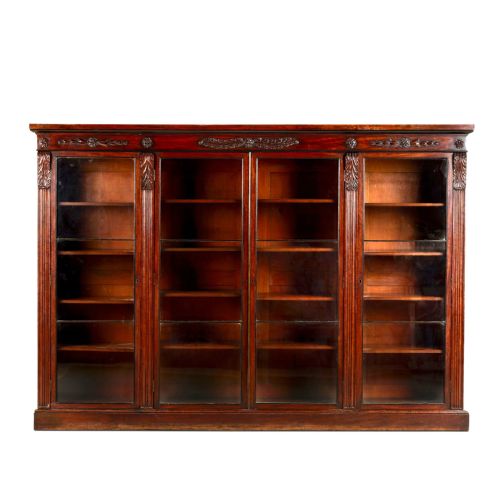
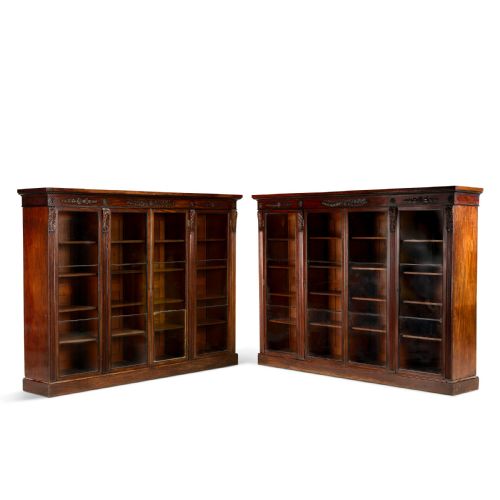
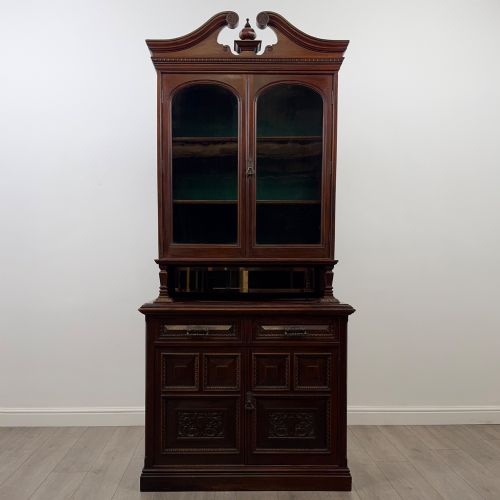
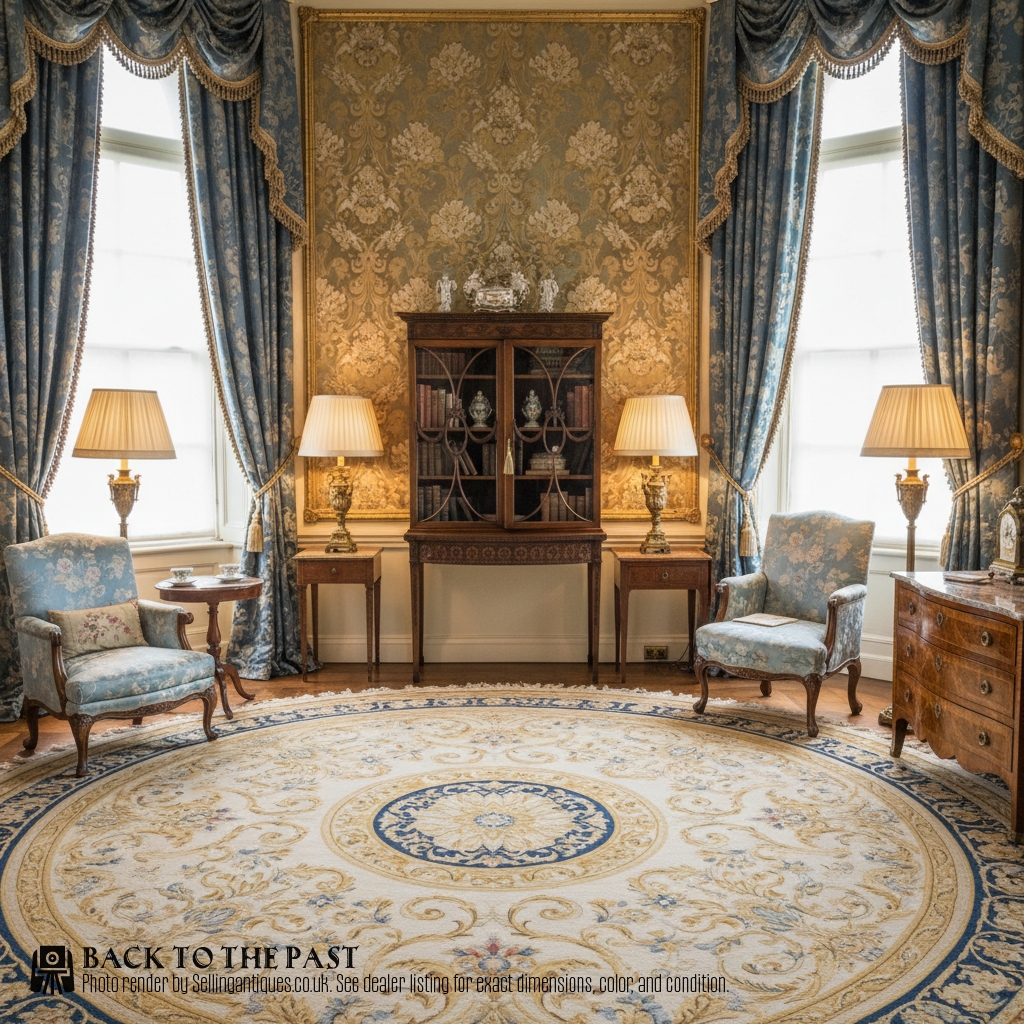
A carved mahogany display bookcase combines enclosed shelving for books with glazed compartments or open tiers to showcase collectables. When searching for a carved mahogany display bookcase, buyers encounter pieces primarily dating from the nineteenth century, including Victorian, Regency, and Edwardian eras, alongside revival styles.
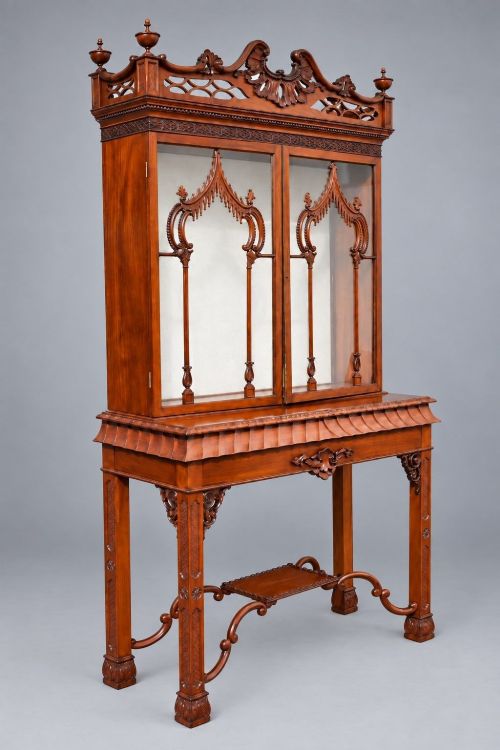
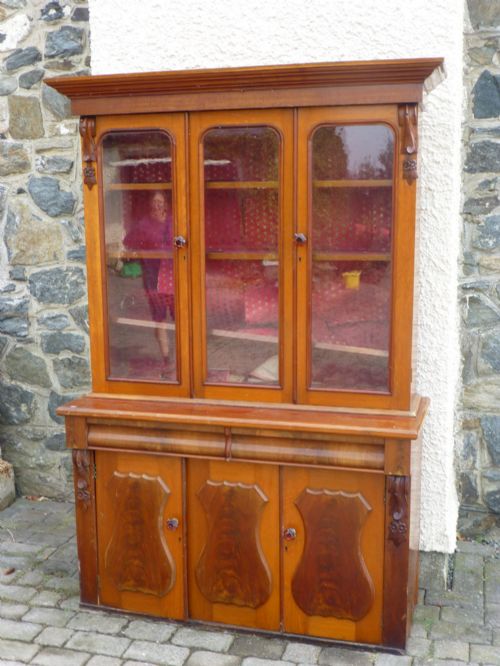
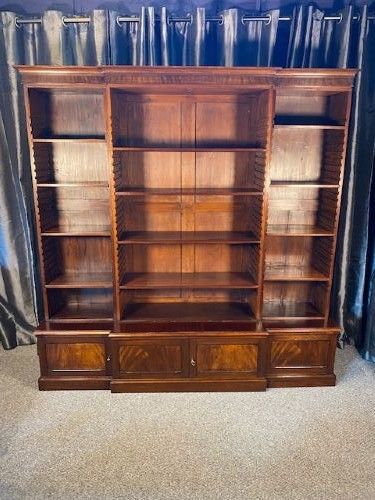
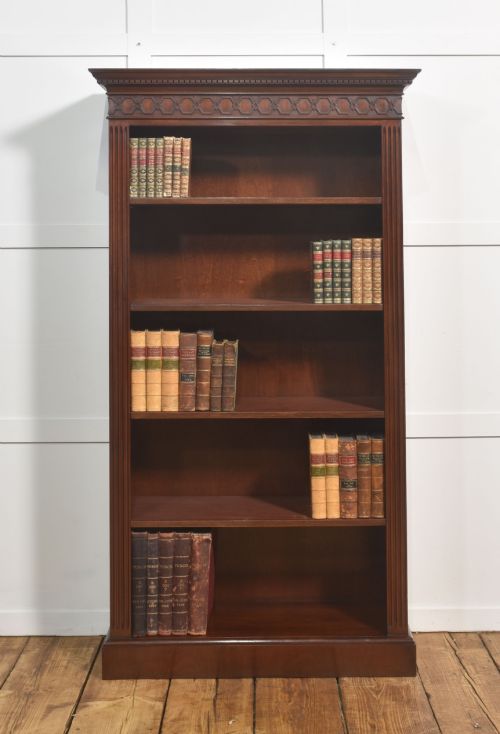
The forms range from large breakfront and double door cabinets with astragal glazing to smaller wall hanging shelves and open bookcases with adjustable shelving. Most examples utilise rich mahogany timber, sometimes enhanced with flame veneer or intricate fretwork detailing typical of Chippendale and Georgian influences.
How They Were Made
Cabinet makers constructed these pieces primarily from solid mahogany and flame mahogany veneers over secondary timbers like oak, applying meticulous hand-carving to cornices, friezes, and rails. Glazed doors incorporate individual wooden bars or astragals holding panes of glass, while brass hardware secures doors and supports adjustable internal shelves.
Revival pieces from the Victorian and Edwardian periods often integrated stylistic elements such as Chinese Chippendale fretwork, or mounted brass or ormelu details to accent the dark timber. Joinery relied on traditional techniques including dovetailing for drawers and mortise and tenon frames for structural integrity.
Several bookcases double as display cabinets, proving that nineteenth-century readers needed to show off their porcelain collections just as much as their leather-bound volumes.
What Varies in Quality
The calibre of a carved mahogany display bookcase depends significantly on the depth and crispness of the timber carving and the selection of the mahogany itself, where vibrant flame veneer elevates the visual weight. Superior examples demonstrate precise joinery in the glazing bars and well-figured grain matching across large cabinet doors and breakfront facades.
Proportion and architectural balance dictate the distinction between standard utilitarian storage and exceptional cabinet making. Pieces retaining original brass hardware, functioning locks, and finely moulded cornices reflect higher workshop standards from periods like the Regency and Victorian eras.
Maple & Co.·James Winter & Sons·William Kent
The Carved Mahogany Display Bookcase Glossary
- Astragal glazed
- A method of dividing glass panes within a door using thin wooden mouldings, commonly seen on eighteenth and nineteenth-century bookcases. This technique allowed cabinets to display book spines while keeping dust away.
- Flame mahogany veneer
- A prized cut of timber taken from the fork where branches meet the main trunk, displaying a fiery, swirling pattern. Cabinet makers applied these thin decorative slices over stable base woods.
- Breakfront
- A large cabinet design where the central section projects forward from the flanking wings, creating a strong architectural rhythm. This form is frequently found on substantial Victorian and Georgian library bookcases.
- Fretwork
- Openwork carved timber patterns resembling intricate lattice or scrollwork, often inspired by Chinese design and applied to friezes or gallery rails. It adds decorative lightness to heavy mahogany furniture.
Carved Mahogany Display Bookcase: Frequently Asked Questions
How do I identify a Victorian bookcase?
Victorian bookcases are typically constructed from dense mahogany or mahogany veneer, often displaying deep hand-carved mouldings, glazed upper doors, and adjustable wooden shelving. Many examples from this era incorporate revival aesthetics such as Chippendale or Georgian influences.
They range from large breakfront library cabinets to smaller open wall shelves dating from the nineteenth century.
Are the shelves adjustable in these bookcases?
Many antique bookcases feature adjustable shelving systems supported by wooden ratchets, brass studs, or traditional wall tracks, allowing the interior height to accommodate varying book sizes.
Open bookcases and glazed display cabinets from the Victorian and Edwardian periods commonly utilise this flexible shelving design.
What is flame mahogany veneer?
Flame mahogany veneer is a decorative wood slicing taken from the junction of tree branches, producing a distinct flame-like or feathery grain pattern that catches the light. Cabinet makers laid these figured veneers over solid secondary timbers to create striking visual depth on door panels and drawer fronts.
This technique was particularly favoured during the Regency and Victorian periods to enhance formal display furniture.