

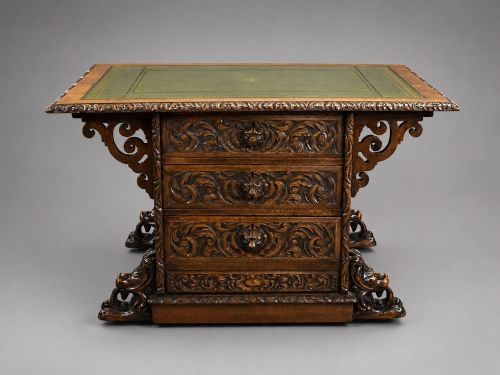
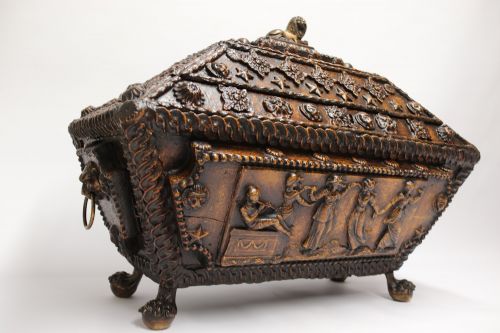
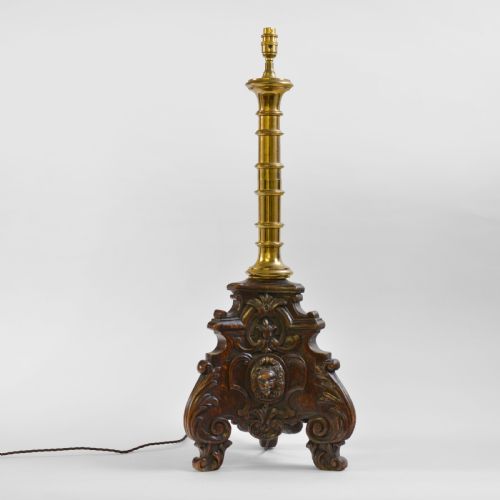


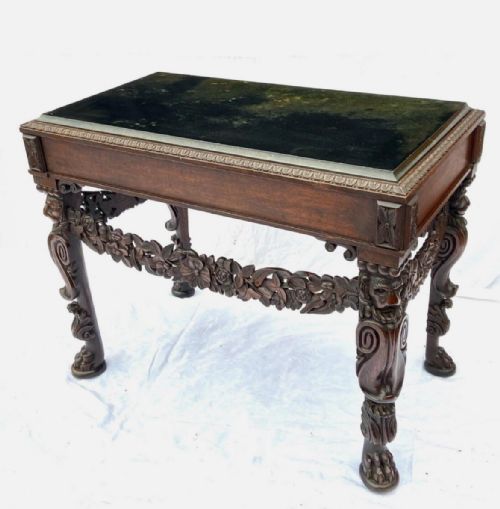




Carved Lion Mask Table
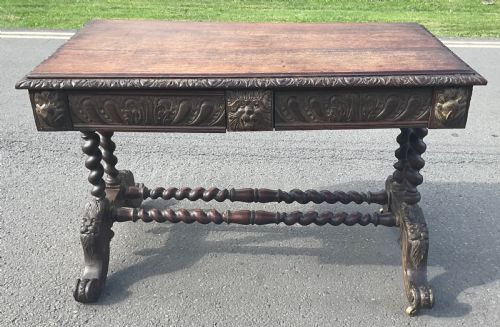
A carved lion mask table brings bold, sculptural presence into a room through deep wood relief and robust animalistic form.
Carved Lion Mask Table
A carved lion mask table combines sturdy utilitarian function with dramatic mammalian ornamentation, predominantly appearing in heavy oak across the Victorian period. These pieces frequently manifest as desks, writing tables, and console tables, anchoring a room with substantial timber and pronounced facial carvings.
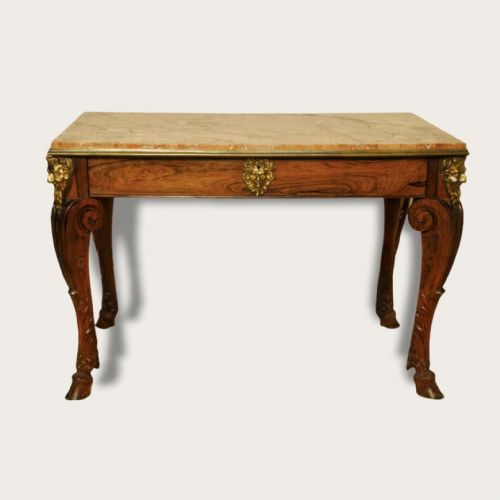
The selections on this page lean heavily towards nineteenth-century British oak, alongside occasional Regency giltwood and marble configurations. Buyers frequently encounter side tables and partners desks equipped with drawers, uniting sturdy storage with decorative prowess.
Origins stretch from seventeenth-century Flemish craftsmanship to Irish Rococo revival iterations and early twentieth-century revivals. Oak remains the central material medium, paired occasionally with mahogany, rosewood, and giltwood details.
How they were made
Joinery relied on traditional framing methods to support heavy marble tops, brass mounts, and leather writing inserts. Surface finishes vary from polished mahogany to natural waxed oak, highlighting the deep grain and sculptural depth of the carved masks and paw feet.
Lions stare out from table corners and desk drawers, eternally guarding nineteenth-century paperwork and modern inkwells alike.
What varies in quality
Depth and crispness of the carving dictate the artistic merit of the piece, separating shallow, mechanical tooling from vigorous hand-chiselled relief. The anatomical precision of the lion mask, along with the modelling of accompanying paw feet, shows the skill of the original workshop.
Selection of timber grain and the integrity of secondary materials, such as inset leather surfaces, marble tops, and brass mounts, mark the distinction between standard production items and ambitious architectural furniture.
The Carved Lion Mask Table Glossary
- Paw feet
- Carved furniture supports shaped to resemble the feet of an animal, frequently terminating the legs beneath a lion mask. These foot motifs anchor heavy side tables and console designs.
- Giltwood
- Timber coated with gold leaf or metallic paint to simulate solid gold enrichment. This technique appears on Regency circular tables.
- Partners desk
- A large double-sided writing table designed for two people to work opposite one another. These pieces often feature drawers on both flanks.
- Gesso
- A plaster-like material applied to wood as a base for painting or gilding. It allows for intricate moulded decorative details on frames and caskets.
- Console table
- A wall-mounted or freestanding table supported by decorative brackets or legs. These items serve a primarily ornamental and surface function in hallways and reception rooms.
Carved Lion Mask Table: Frequently Asked Questions
What rooms suit a carved lion mask table?
These robust tables suit libraries, studies, and grand hallways where their heavy timber and sculptural details balance high ceilings and large proportions.
They function effectively as functional writing desks or decorative console surfaces against plain walls.
How do I identify a Victorian oak piece?
Victorian oak furniture displays dense grain patterns, dark wax finishes, and deep relief carving influenced by earlier revival styles.
Construction typically involves heavy timber framing designed to endure daily domestic utility.
What is a partners desk?
A partners desk is a substantial writing table built with drawers and cupboards accessible from both opposing sides.
This layout allowed two individuals to sit and work facing each other across a shared workspace.
Are marble tops original to these tables?
Marble tops appear primarily on specific Regency and revival pieces designed for decorative interior display.
They provide a cool, smooth contrasting surface to the carved giltwood or timber frames below.
How do I care for antique oak?
Antique oak benefits from simple dusting with a dry cloth and occasional application of traditional beeswax to nourish the dry timber.
Avoid placing these heavy wooden pieces near direct heat sources to prevent timber splitting.