

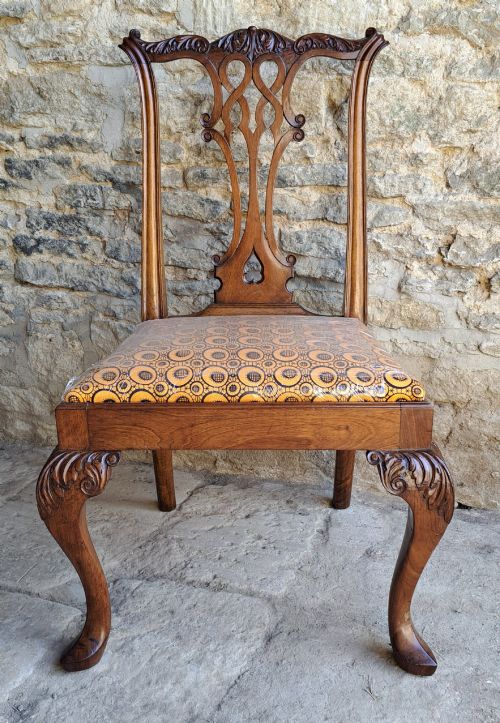
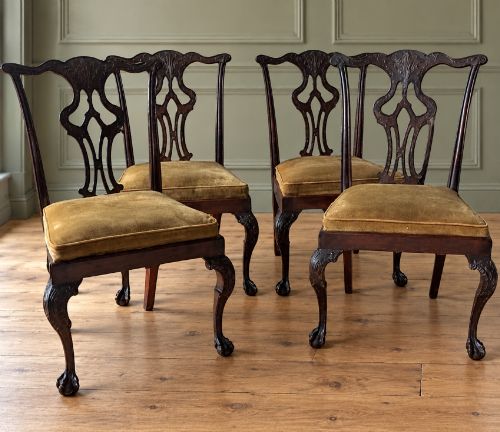
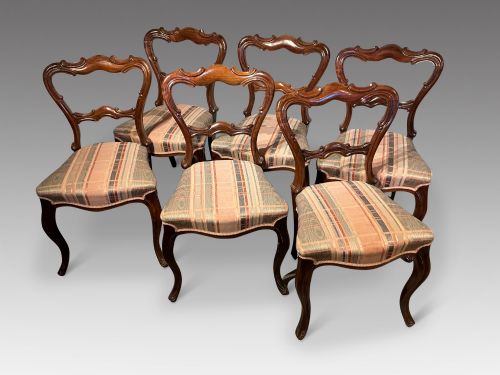
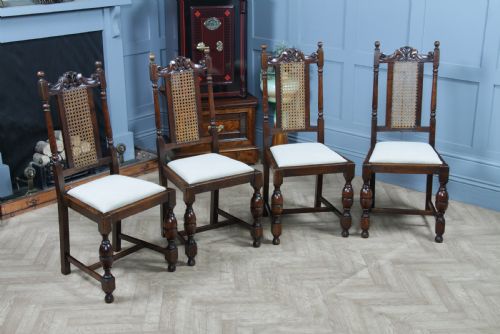
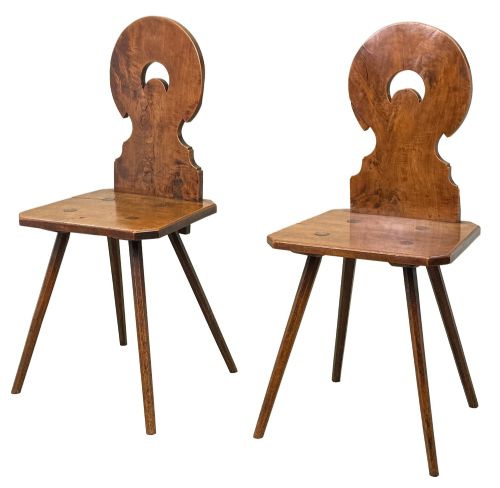
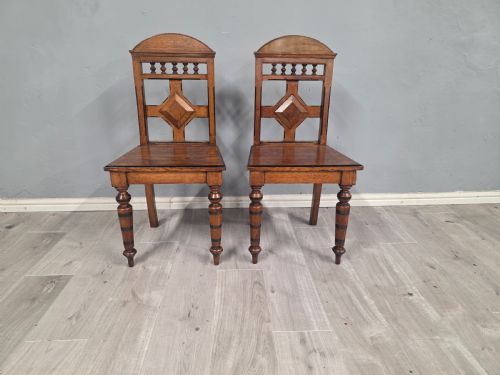
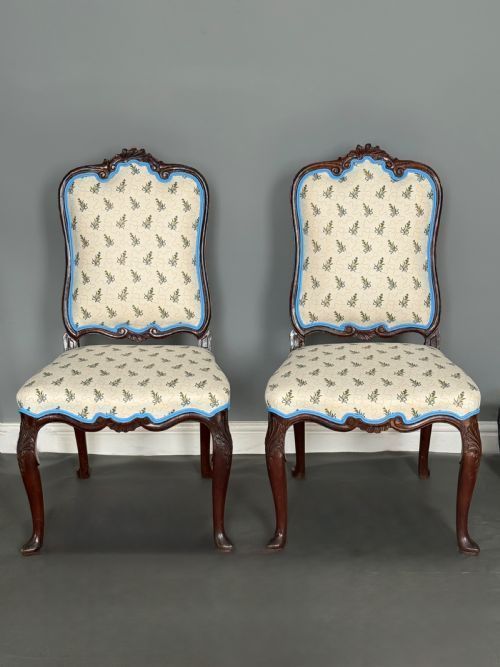
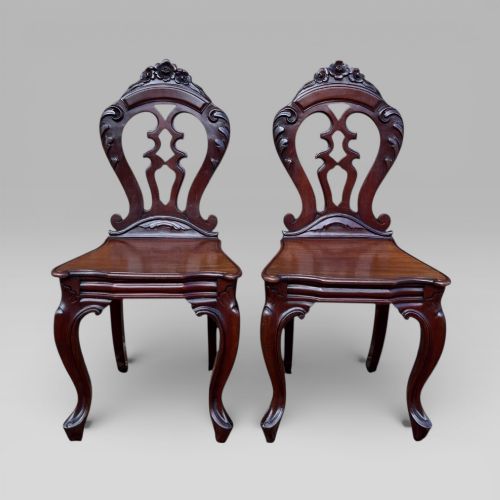
Carved Leg Side Chair
A carved leg side chair brings period character and solid timber construction to a dining room or hallway.
Carved Leg Side Chair
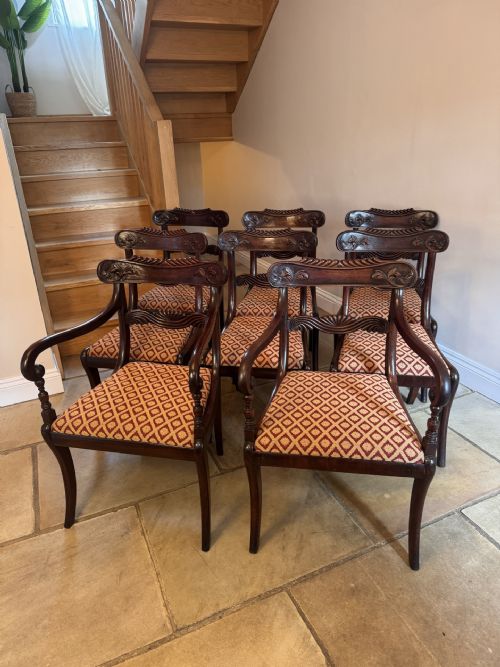
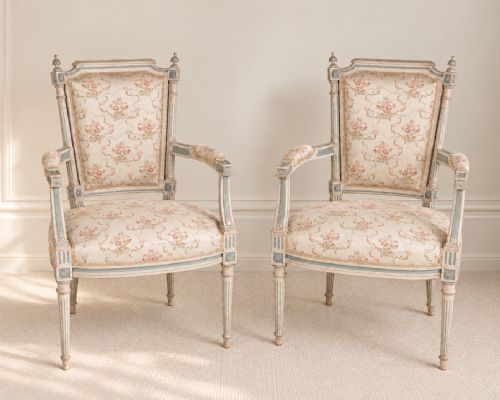
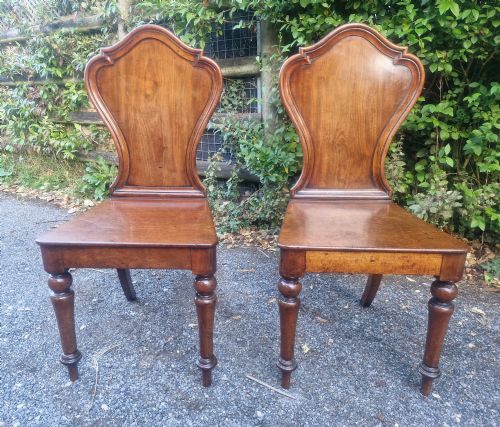
A carved leg side chair is an upright seating form designed without arms, frequently appearing in sets for dining rooms or individually as hall and occasional chairs. The pieces found here span from the Georgian and Regency periods through to the Victorian era and later revivals.
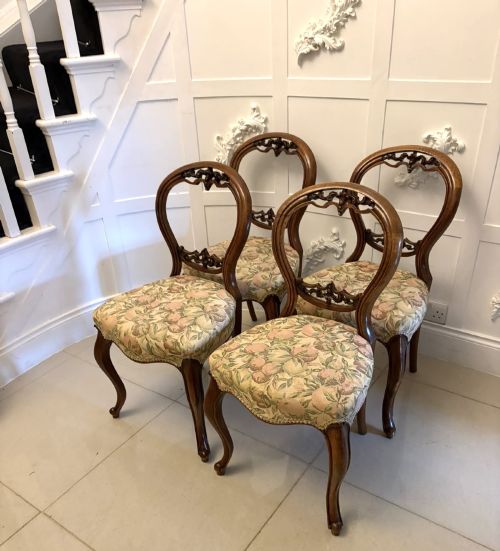
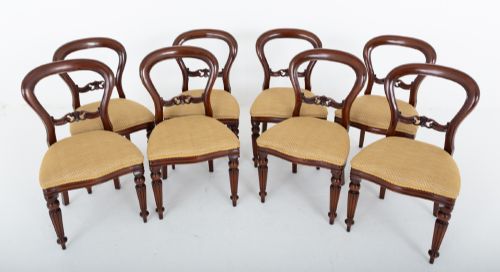
Buyers will most commonly encounter Victorian walnut and mahogany examples alongside Regency and William IV dining chairs. These items often feature shaped wooden backs, upholstered seats in fabric or velvet, and distinctively carved supports.
Origins range across English workshops to continental European makers and Anglo-Indian production, using regional timbers like oak, fruitwood, and rosewood alongside imported hardwoods.
How they were made
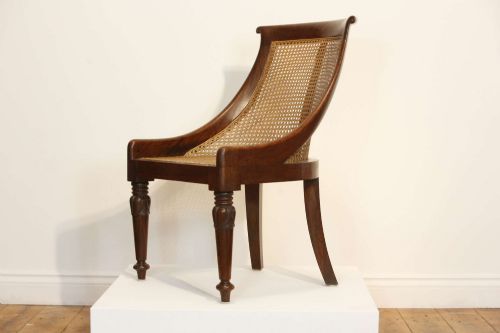
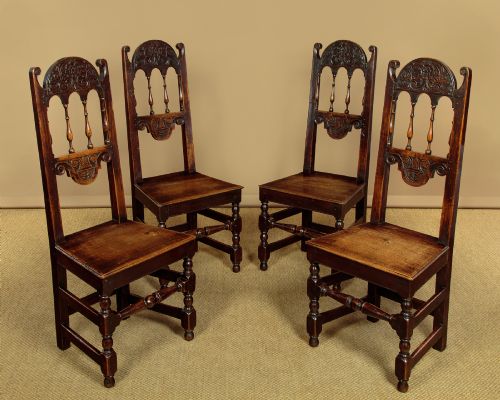
Cabinetmakers constructed these frames predominantly using dense timbers such as mahogany, walnut, oak, and occasionally fruitwood or padauk. Turning, carving, and joinery techniques shaped the solid wood into robust legs, rails, and backrests.
Upholstered versions incorporated traditional stuffing materials covered in textiles, chintz, or velvet, secured to drop-in or fixed wooden seats. Brass elements occasionally appeared in castors or decorative mounts on finer examples.
Carved Leg Side Chair Retail Price Guide 2026
Typical asking prices for carved leg side chair among the pieces listed under this phrase on Sellingantiques today, from the lower quarter to the upper quarter. They describe what is for sale here now, not the wider market.
The listings here feature timber varieties including mahogany, walnut, oak, rosewood, and padauk across various nineteenth-century periods.
What varies in quality
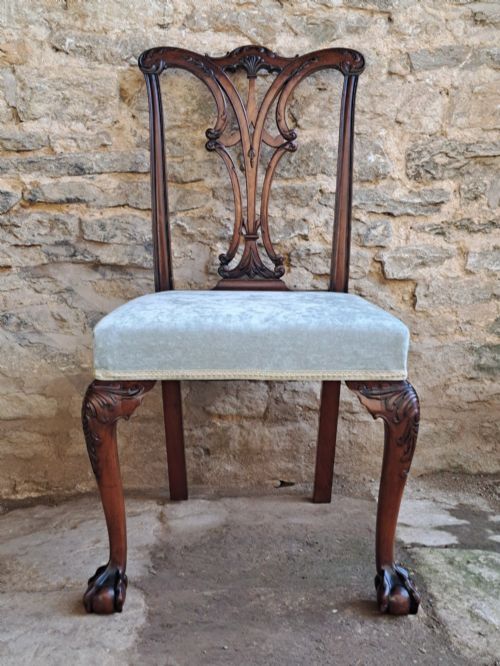
The depth and crispness of the wood carving distinguish higher tier examples from plainer commercial production, with finer pieces displaying deliberate hand-chiseled detail along the legs and crest rails. Selection of timber figure, such as burr walnut or dense grain mahogany, also separates standard items from exceptional ones.
Structural integrity depends on the original joinery and the survival of the timber without excessive repairs or alterations. Sets that maintain uniform colour and matching grain across multiple chairs command greater distinction than mismatched assemblages.
Guillows
The Carved Leg Side Chair Glossary
- Side chair
- An upright chair without arms, traditionally used at the dining table or placed against a wall.
- Balloon back
- A rounded, curved chair back popular during the Victorian period resembling the outline of a balloon.
- Cabriole leg
- A furniture leg that curves outward at the knee and tapers inward at the ankle, ending in a foot.
- Gonçalo Alves
- A dense tropical hardwood with distinctive dark figuring, utilised in Regency furniture.
- Escabelle
- A traditional style of wooden chair, often associated with Swiss or European folk art forms.
Carved Leg Side Chair: Frequently Asked Questions
What is a carved leg side chair?
A carved leg side chair is an armless seat featuring decorative woodwork on its supports, typically produced during the eighteenth and nineteenth centuries.
These pieces served functional roles in dining rooms, halls, and libraries while displaying the prevailing stylistic traits of their period.
How were dining chairs used historically?
Dining chairs were arranged around large dining tables for formal meals and gathered against room perimeters when not in daily use.
Sets were often manufactured in large numbers to accommodate entertaining in substantial households.
How do I identify a Victorian side chair?
Victorian side chairs frequently display darker hardwoods like walnut and mahogany, often featuring balloon backs or elaborate scrolling carved details.
They commonly incorporate upholstered drop-in seats covered in fabric, velvet, or needlework.
Are these chairs suitable for daily use?
Solid timber frames constructed with traditional joinery provide durable seating for contemporary dining spaces.
Checking the stability of the joints and the condition of the upholstery ensures the chair functions reliably in a modern home.