

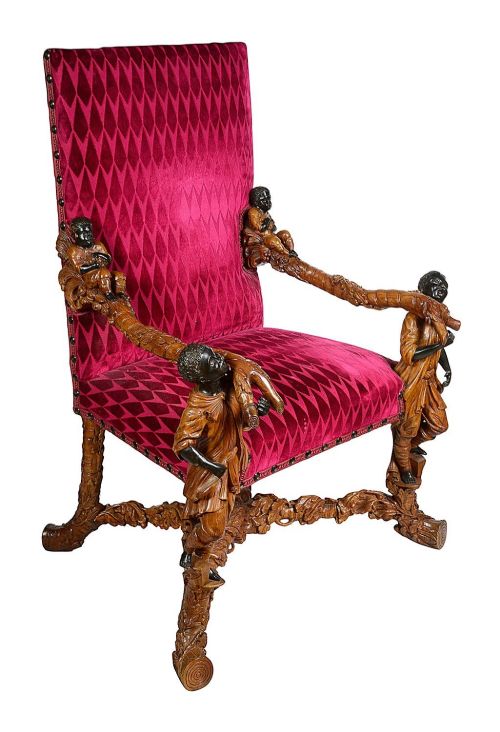
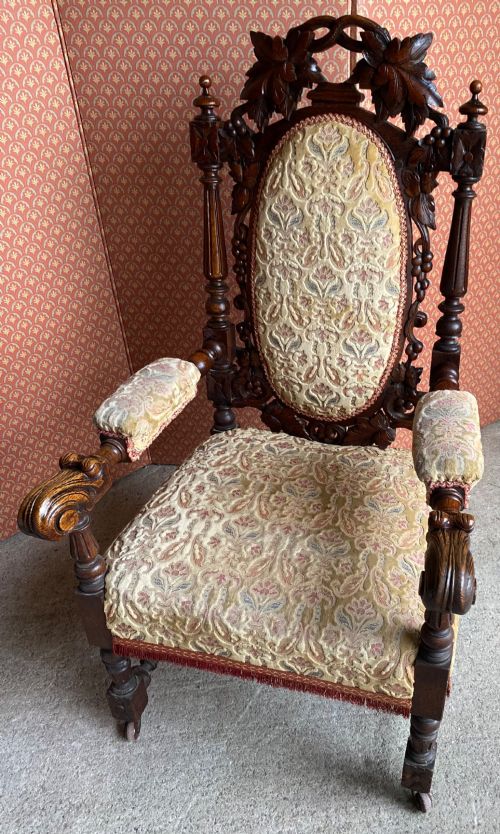
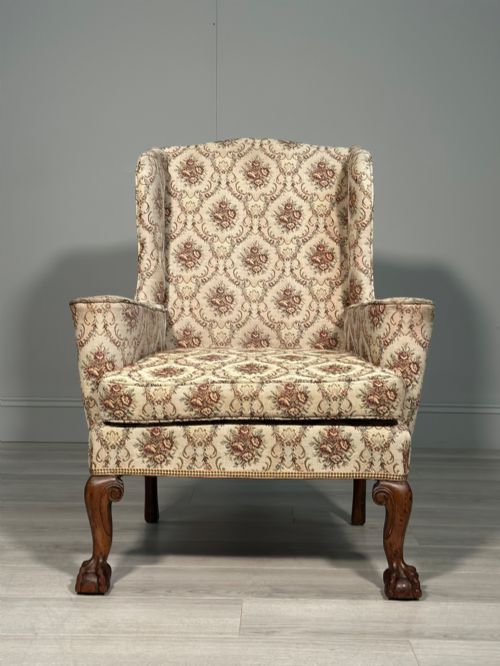
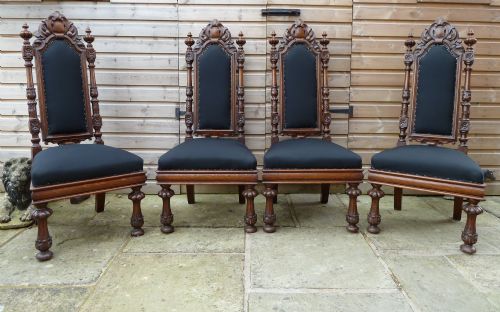
Carved High Back Chairs
Carved high back chairs combine architectural presence with elaborate woodwork, offering strong support and distinct period character for seating around a table or in a parlour.

Carved High Back Chairs
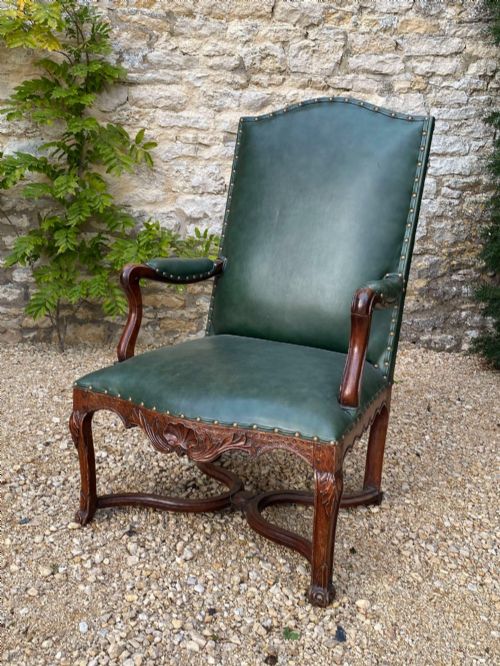
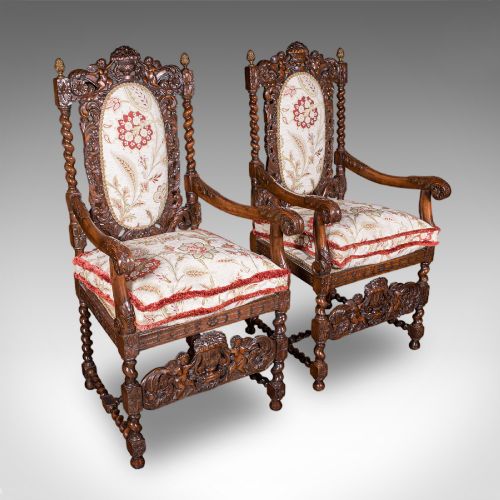
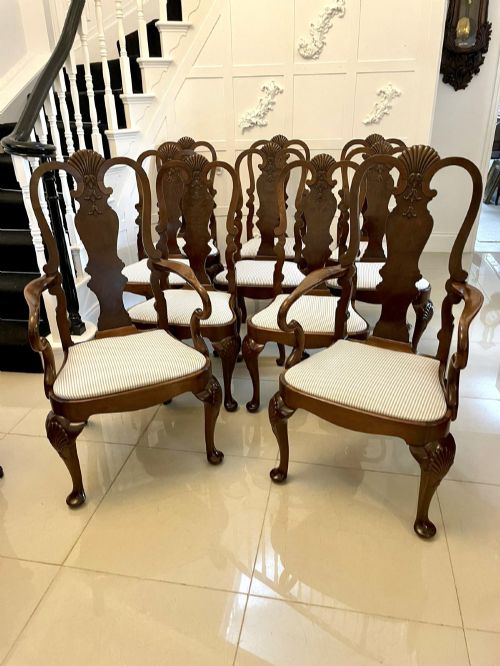
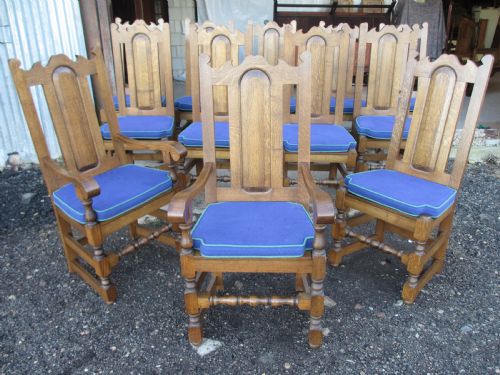
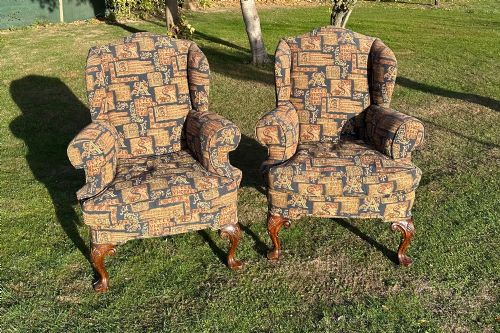
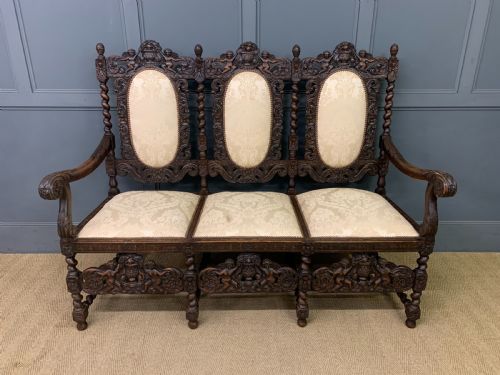
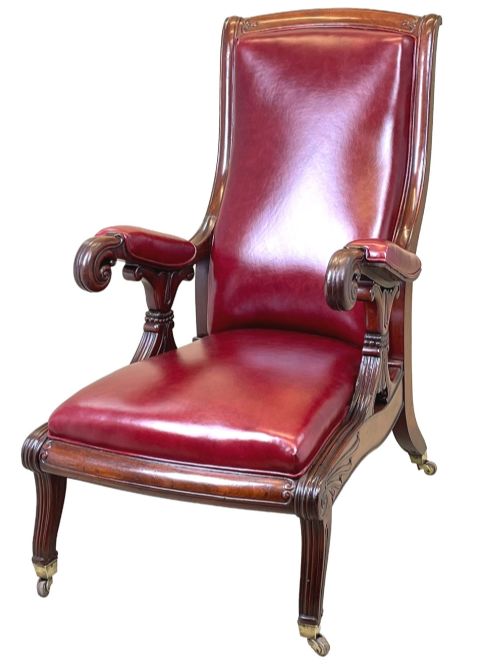
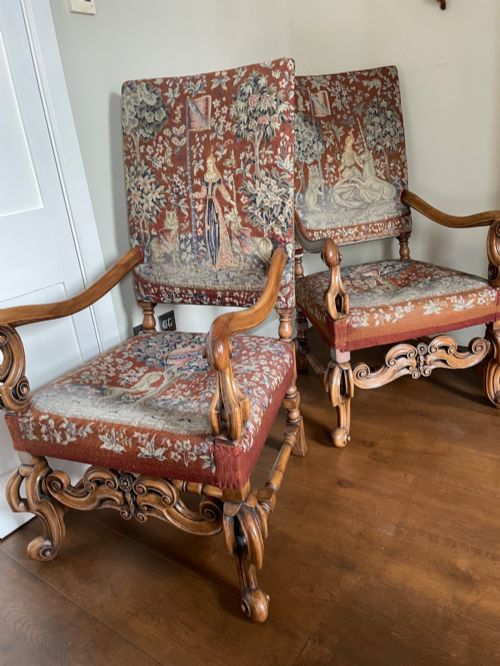
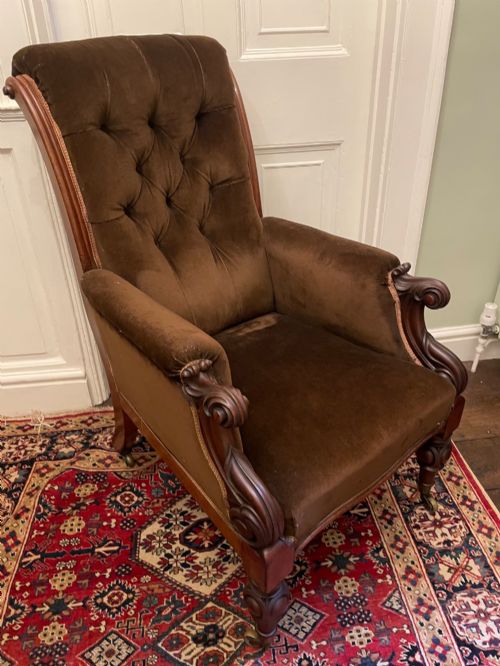
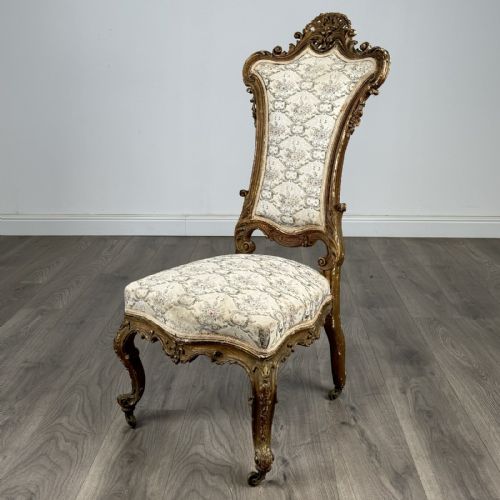
Carved high back chairs primarily appear as sets of dining chairs or matched pairs of armchairs originating from the seventeenth, nineteenth and early twentieth centuries. These pieces reflect historical revivals, most notably Jacobean, Carolean, and Gothic styles executed in solid timbers.
The buyer regularly encounters heavy oak dining sets from the Victorian and Edwardian eras alongside walnut examples influenced by earlier seventeenth-century designs. Individual armchairs and desk chairs also surface, utilising elevated proportions designed to command attention in a room.
Form follows function closely across the selection, ranging from formal parlour seating to sturdy kitchen and hall variants. High backs provide both visual weight and physical support, distinguishing them from standard low-backed seating options.
What Varies in Quality
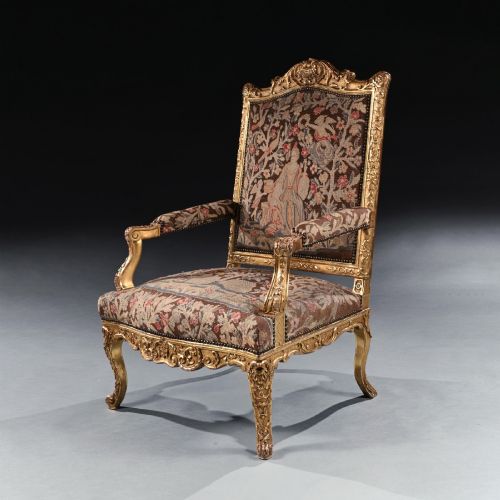
Quality rests upon the depth, relief, and execution of the woodwork, distinguishing sharply between mass-produced nineteenth-century revival pieces and master-carved examples. Crisply defined botanical or geometric motifs show superior hand tool work, whereas shallow or rounded edges indicate hurried mechanical production.
The integrity of the timber joints and the retention of original surface patination determine the structural standing of each piece. Retaining matching sets without later replacement legs or mismatched stretchers elevates the standing of the group significantly.
Carved High Back Chairs Retail Price Guide 2026
Typical asking prices for carved high back chairs among the pieces listed under this phrase on Sellingantiques today, from the lower quarter to the upper quarter. They describe what is for sale here now, not the wider market.
Several seventeenth-century models feature crown carvings commissioned to signal the owner's political loyalty during turbulent royal successions.
The Carved High Back Chairs Glossary
- Carolean Revival
- A nineteenth-century stylistic movement copying the ornate, scroll-heavy furniture popular during the reign of Charles II. This aesthetic relies heavily on crown-and-sceptre motifs carved into the woodwork.
- Cane
- Strips of woven rattan used to form flexible seat pads or back panels within a wooden frame. It requires careful tensioning to support weight without sagging over time.
- Parcel-Gilt
- A decoration method applying thin layers of gold leaf to specific raised portions of a carved wooden surface while leaving the surrounding timber exposed. It highlights particular details of the craftsmanship.
- Barley Twist
- A decorative turning technique resembling a spiralling rope carved into chair legs or stretchers. This lathe-turned detail gained immense popularity during the seventeenth century and later revival periods.
- Stretcher
- A horizontal wooden brace connecting the legs of a chair to provide structural rigidity. On high-backed seating, stretchers frequently feature carving that mirrors the crest rail.
Carved High Back Chairs: Frequently Asked Questions
How do I date a carved high back chair?
Dating relies on identifying the convergence of timber choice, joinery methods, and the specific revival style employed by the maker. Seventeenth-century examples display distinct tool marks and heavy pegged construction, whereas nineteenth-century revivals utilise more uniform industrial milling.
Examining secondary woods and the wear patterns on the feet offers further confirmation of age. Comparing the carved motifs against known period pattern books helps narrow down the decade of production.
Are these chairs comfortable for daily dining?
The upright posture encouraged by the elevated wooden backrests suits formal dining rather than relaxed lounging. Many incorporate upholstered pads or leather inserts to soften the seating experience during extended meals.
Adding loose cushions can adjust the depth and comfort without altering the historic frame. Pairing them with a generously proportioned dining table ensures adequate legroom beneath the seat rails.
How should I care for antique oak and walnut?
Maintaining these timbers requires consistent humidity levels in the room to prevent the wood from drying out and splitting. Applying natural beeswax periodically feeds the grain and preserves the historic surface shine.
Avoid placing the furniture near direct heat sources or strong sunlight that might fade the finish. Gentle dusting with a dry cloth keeps abrasive particles from settling into the deep carvings.
Can I mix these with modern furniture?
The strong architectural presence of tall wooden backs allows these pieces to anchor contemporary dining spaces effectively. Placing a pair of armchairs at the heads of a clean-lined modern table creates an intentional contrast in textures.
Their substantial visual weight works best when given sufficient surrounding space to stand out. Mixing eras highlights the individual character of the antique woodwork against neutral backdrops.