

Carved Glass Mirror
A carved glass mirror brings depth, reflection and ornate craftsmanship to an interior, drawing on centuries of woodworking and gilding traditions.
Carved Glass Mirror
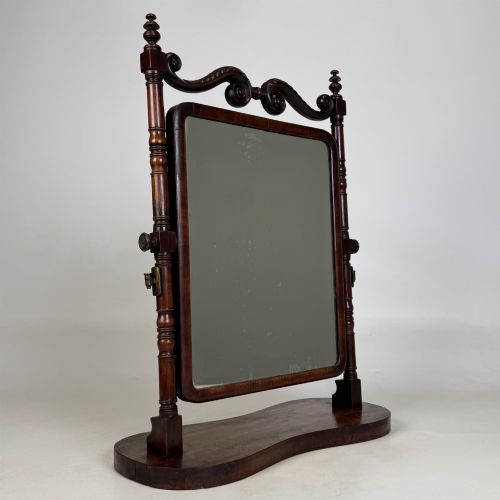
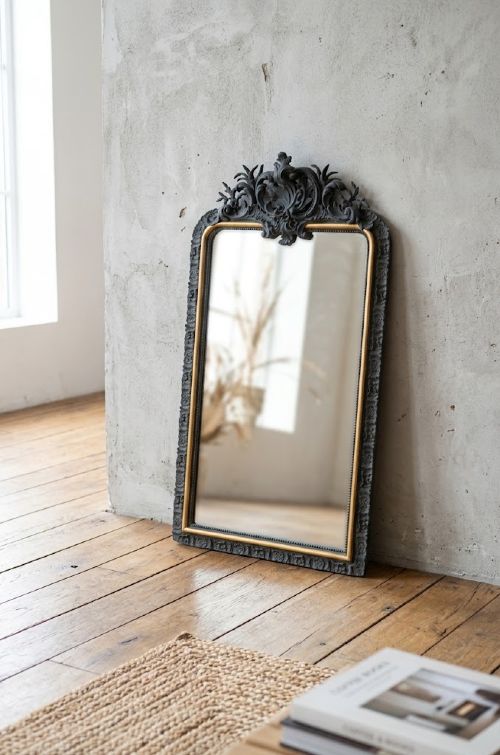
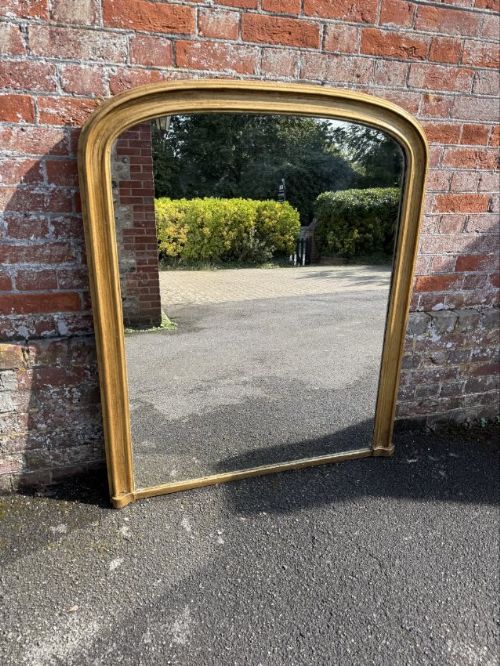
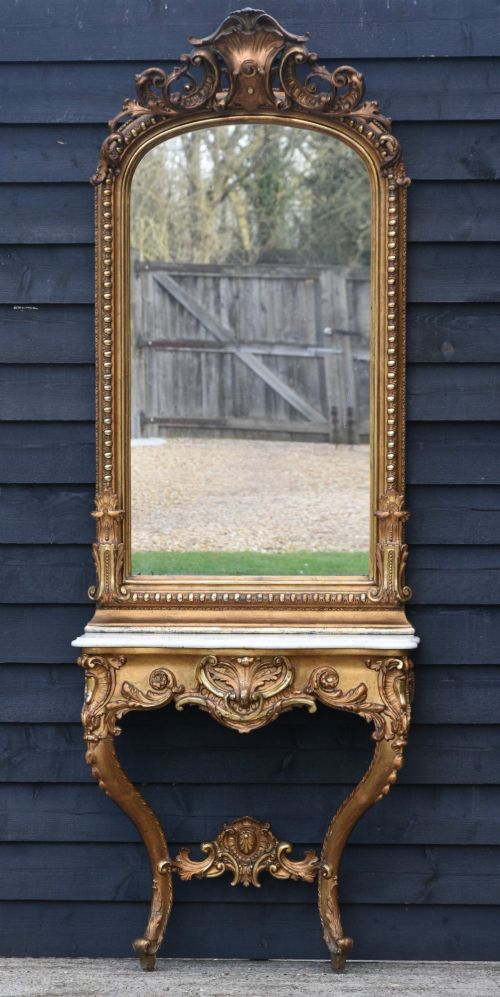
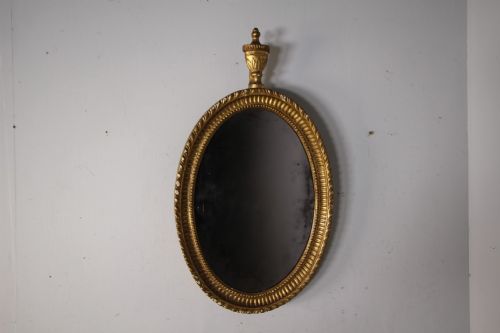
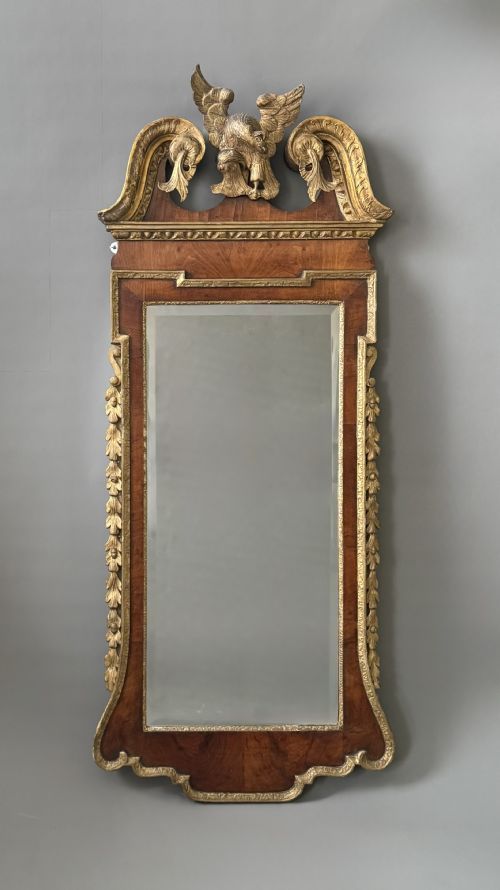
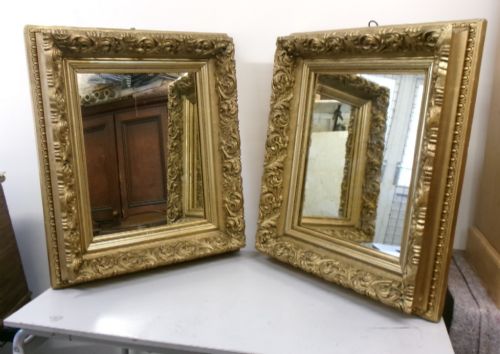
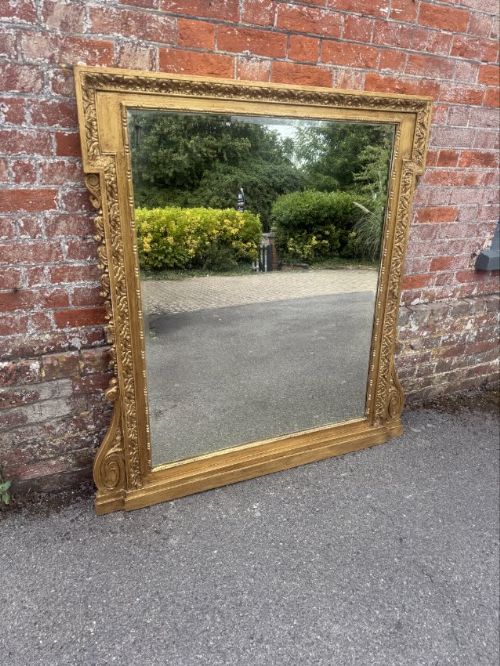
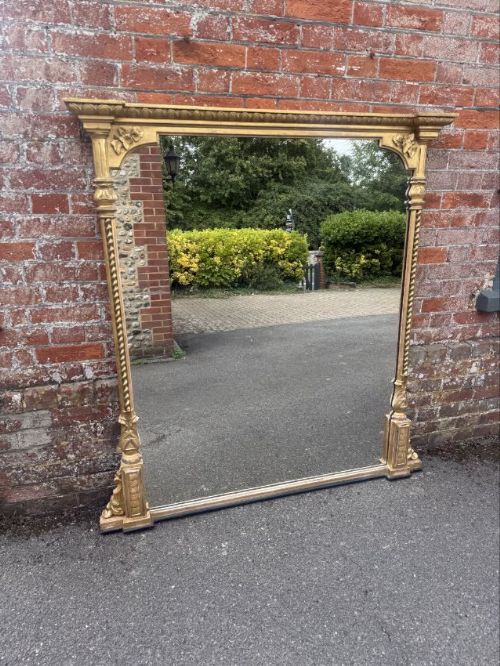
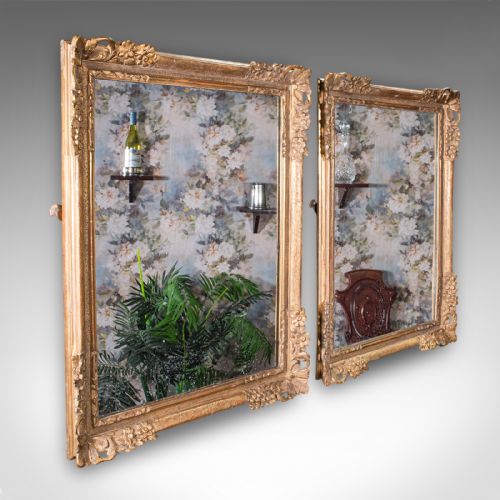
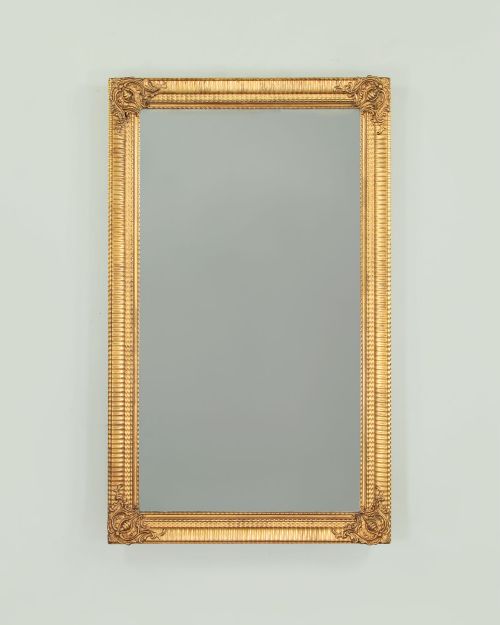
A carved glass mirror is a wall or floor hanging designed to reflect light and space while displaying decorative frames shaped from timber and applied composition. When searching for a carved glass mirror, buyers encounter grand overmantels, tall pier mirrors and cheval glass stands from various historical eras.
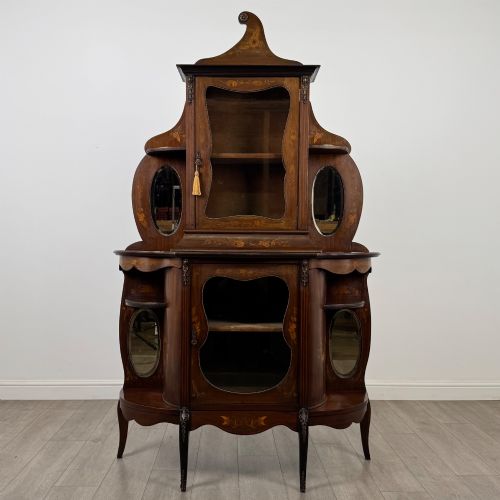
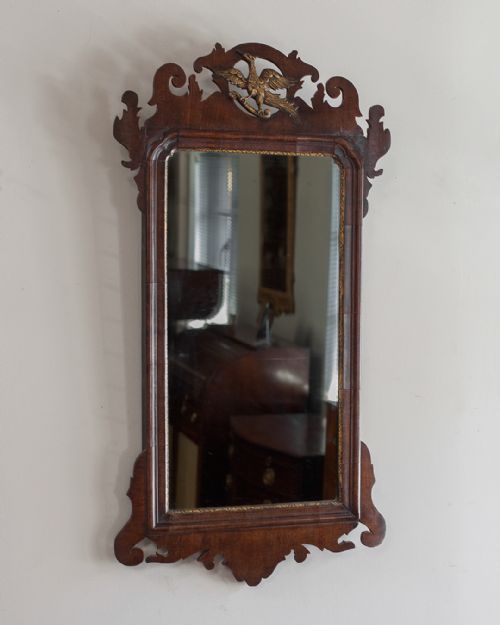
The pieces appearing on this page span from the eighteenth century through the Victorian period and into the early twentieth century. English and French workshops dominate the selection, offering styles that range from restrained Georgian mahogany to ornate Rococo Revival giltwood.
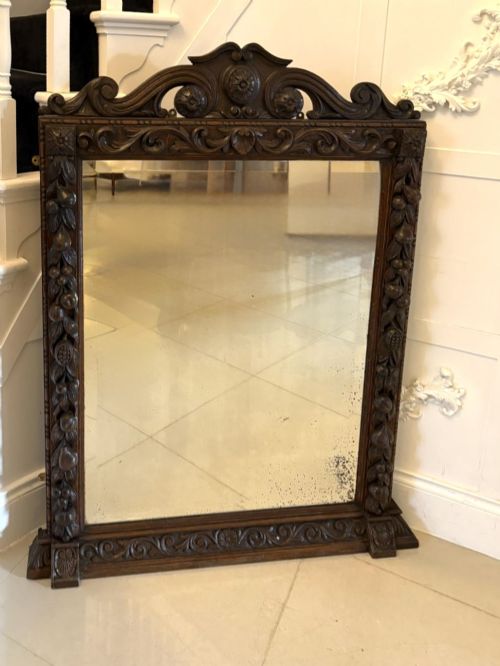
Wall and overmantel mirrors form the majority of the selection, accompanied by freestanding cheval mirrors designed for dressing rooms. Many feature original glass plates, occasionally retaining the distinctive foxing associated with older mercury glass.
How they were made
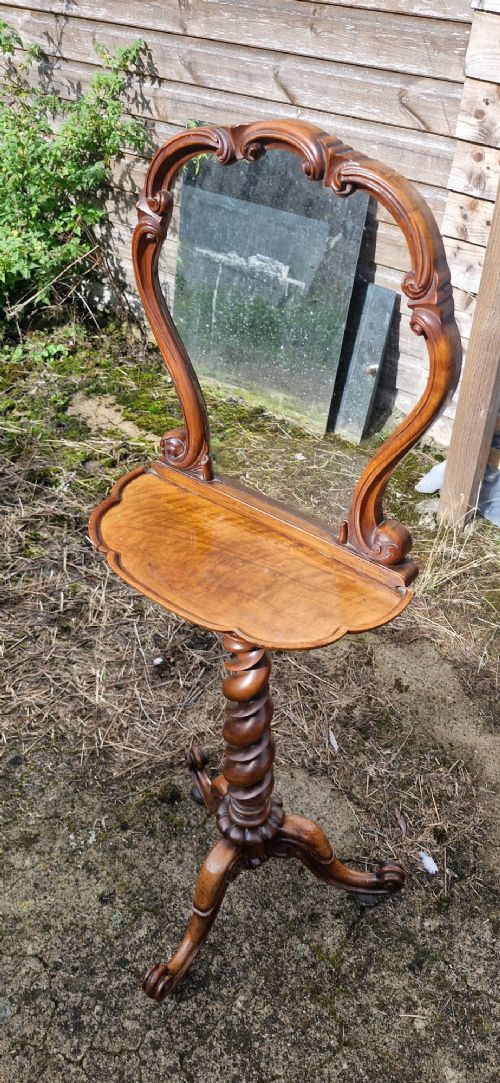
Carved glass mirrors rely on solid timbers such as mahogany, oak and walnut for their structural frames, often enhanced with carved wooden details. Carvers shaped the timber directly or applied layers of gesso to a wooden base to form intricate relief ornaments before applying finishes.
Gilding techniques involved applying gold leaf or paint over gesso and carved wood to achieve a brilliant metallic sheen. Overmantels and wall mirrors frequently combined carved wooden elements with moulded composition details to create elaborate floral, rope twist or architectural motifs.
Several mirrors retain the distinct charm of foxed mercury glass, capturing reflections through a delicate haze of age.
What varies in quality
The standard of a carved glass mirror depends on the depth and crispness of the hand-carved detail within the wooden or gesso frame. Superior examples display sharp relief work and harmonious proportions that retain their structural integrity over centuries.
The quality of the glass plate itself influences the character of the piece, with heavier frames and original bevelled or mercury plates commanding greater appreciation. Coarser mouldings and heavy over-restoration diminish the authenticity and visual impact of the design.
The Carved Glass Mirror Glossary
- Giltwood
- Timber that has been coated with a thin layer of gold leaf over a prepared gesso ground. This technique creates a luminous metallic surface characteristic of formal period frames.
- Gesso
- A plaster-like mixture applied to wooden frames and carved to form raised decorative details. It provides a smooth base for subsequent gilding or painting.
- Mercury glass
- A type of silvered glass produced by pouring a liquid mercury amalgam between double-walled blown glass or coating flat plates. Older examples develop characteristic dark spots known as foxing.
- Pier glass
- A tall mirror designed specifically to hang on the narrow wall space between windows. These often coordinate with matching console tables positioned beneath them.
Carved Glass Mirror: Frequently Asked Questions
How do I date an antique carved glass mirror?
Dating relies on examining the timber species, construction methods and decorative style of the frame. Georgian pieces often show simpler mahogany fretwork, whereas Victorian examples tend towards heavier gesso and ornate revival styles.
Inspect the reverse of the mirror for hand-cut screws, backboards and the composition of the glass plate. Original mercury glass and aged timber backing indicate earlier eighteenth and nineteenth-century origins.
Where should I hang a large overmantel mirror?
Large overmantel mirrors work best positioned centrally above a fireplace or a low sideboard in a principal reception room. Their scale helps to anchor the room and amplify natural daylight.
Ensure the wall structure and fixings can support the substantial weight of carved wood, gesso and glass. Professional mirror fixings distribute the load safely across the wall studs.
What is the difference between a pier mirror and a wall mirror?
A pier mirror is proportioned specifically to fit the narrow expanse of wall situated between two windows. They were traditionally paired with console tables to create a unified architectural arrangement.
Standard wall mirrors feature more versatile proportions suitable for hanging above mantelpieces, sideboards or hallways. Pier mirrors often incorporate taller, narrower vertical dimensions to maximise light reflection in tight spaces.
How do I care for antique glass and gilt frames?
Dust giltwood and carved wooden frames gently with a soft, dry brush to prevent accumulating dirt in the intricate recesses. Avoid using chemical sprays or water on gilded surfaces to preserve the delicate gold leaf.
Clean the glass plate using a minimal amount of glass cleaner applied to a cloth rather than sprayed directly onto the surface. This prevents liquid from seeping behind the frame and damaging the silvering or mercury backing.