

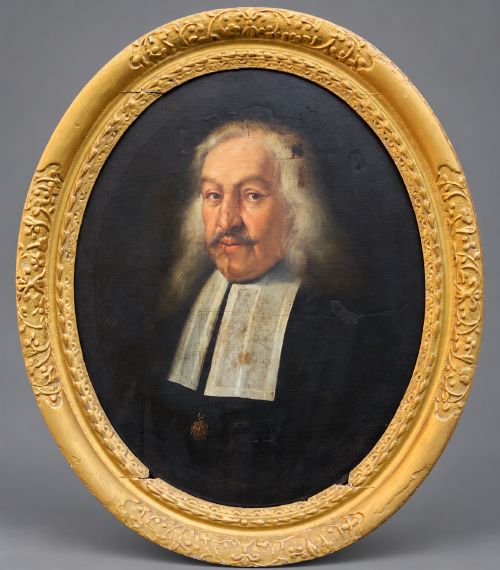
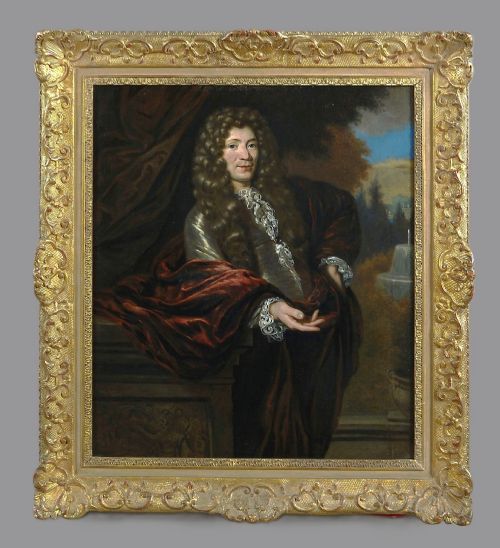

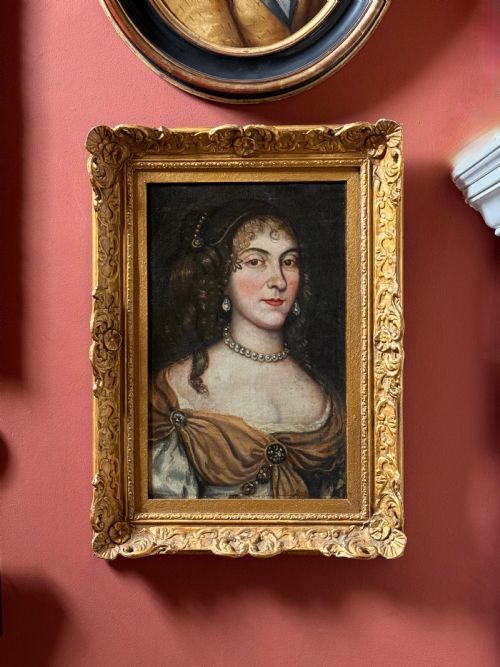
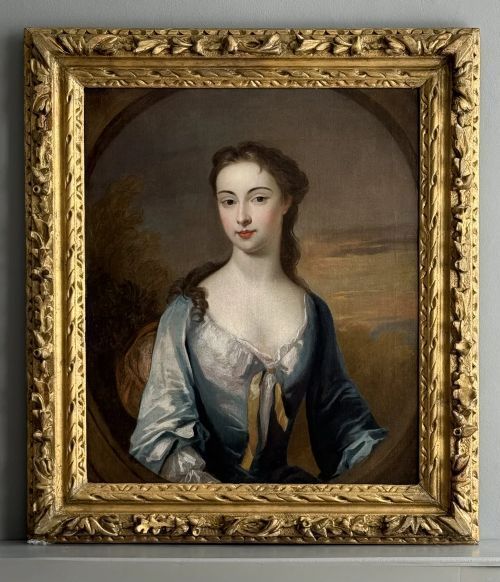




Carved Giltwood Framed Portrait
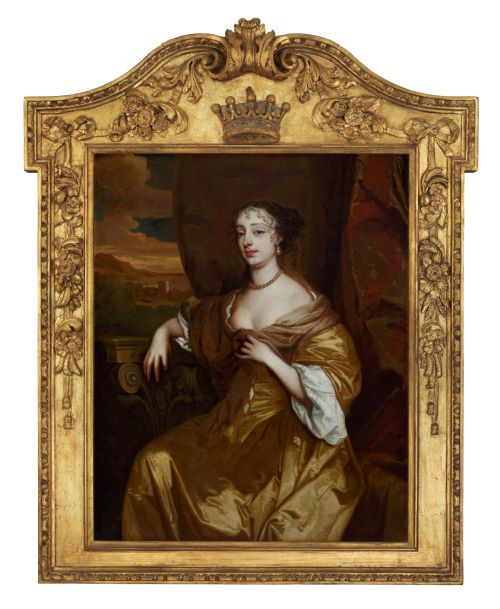
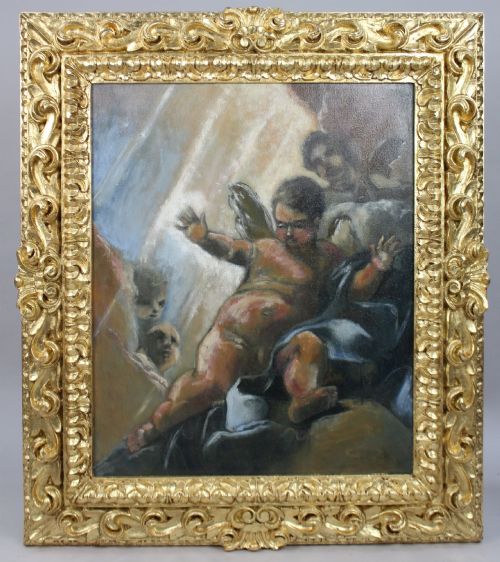
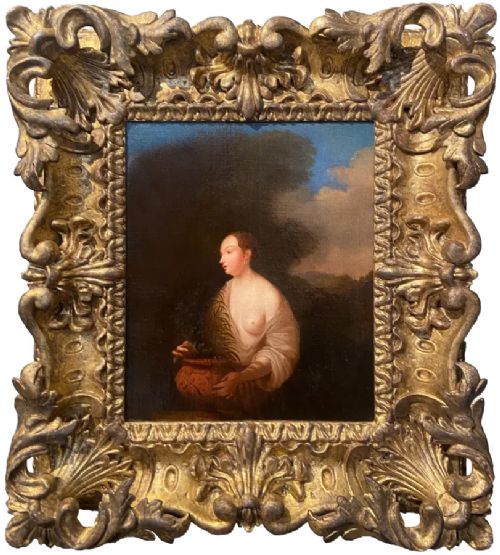
A carved giltwood framed portrait unites classical oil painting with ornate wooden surrounds to bring aristocratic presence into a room.
Carved Giltwood Framed Portrait
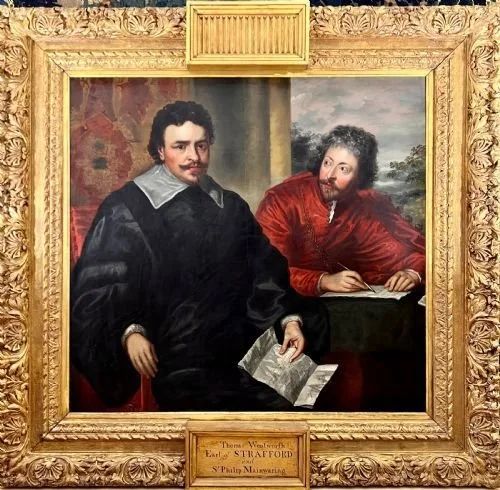
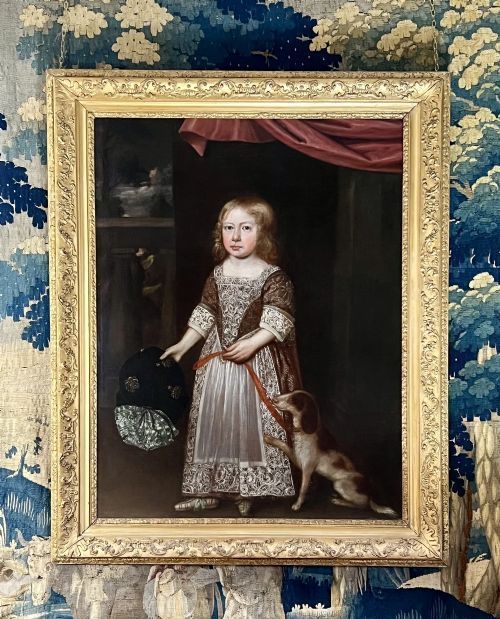
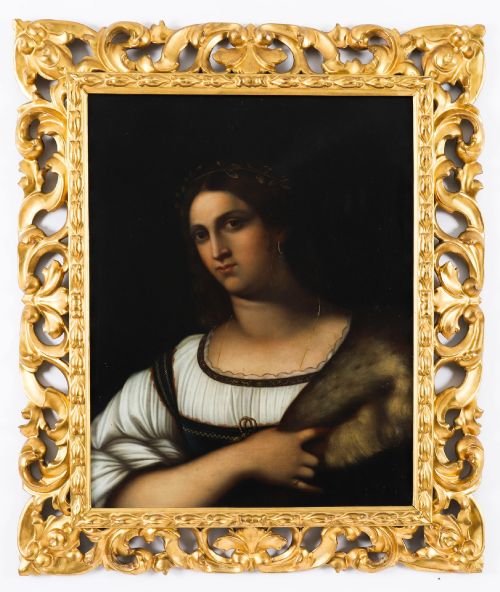
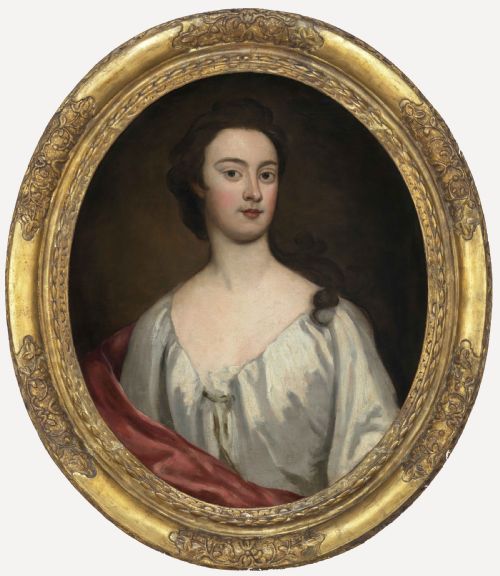
A carved giltwood framed portrait combines historical oil on canvas paintings with elaborate gilded wooden surrounds. These works primarily capture subjects from the sixteenth through the nineteenth centuries, spanning periods such as the seventeenth century, eighteenth century, Victorian era, and Regency. English, Dutch, Italian, and French schools frequently appear among the origins.
Buyers encounter oil paintings on canvas depicting noblemen, ladies, and children, alongside standalone picture frames and decorative plaques. The framing itself acts as an integral architectural component, often featuring deep mouldings and gesso enrichment. Baroque, Rococo Revival, and Georgian styles dominate the aesthetic presentation across these selections.
The assortment ranges from large seventeenth-century aristocratic depictions to nineteenth-century interpretations of earlier subjects. Many items showcase historical provenance tied to specific European schools and studio circles. Each piece marries portraiture with sculptural frame work.
How they were made
Makers constructed the primary supports using woven canvas stretched over wooden frames, applying oil paints to build up the portrait subjects. Artists utilised rich pigments to render fabrics, armour, and flesh tones with depth and precision.
Surrounds were fashioned from carved wood, coated with gesso to create a smooth surface for gilding. Artisans applied thin sheets of gold leaf over the prepared gesso base, burnishing the metal to achieve a luminous finish.
Carved Giltwood Framed Portrait Retail Price Guide 2026
Typical asking prices for carved giltwood framed portrait among the pieces listed under this phrase on Sellingantiques today, from the lower quarter to the upper quarter. They describe what is for sale here now, not the wider market.
Among the aristocratic faces and sombre generals, an unexpected nineteenth-century oil painting of a monkey peers out from a gilded surround.
What varies in quality
The depth and intricacy of the wooden carving separate standard frames from superior examples. Skilled carvers produced crisp acanthus leaves, scrollwork, and deep profiles that catch the light effectively.
The preservation of the original gold leaf and gesso layer influences the integrity of the object. Intact gilding with minimal restoration maintains the historical character of the piece.
Sir Godfrey Kneller·Sir Peter Lely·Nicolaes Maes·Sir Joshua Reynolds·Charles Jervas
The Carved Giltwood Framed Portrait Glossary
- Giltwood
- Wood that has been coated with gold leaf. This technique provides a brilliant, enduring metallic finish to ornate picture frames.
- Gesso
- A plaster mixture applied to wooden frames as a base for gilding. It allows artisans to carve fine decorative details before applying gold leaf.
- Oil on canvas
- Pigments bound with drying oils applied to a woven fabric support. This medium allowed artists to achieve rich tonal gradations and lasting durability.
- Baroque
- An artistic style characterised by drama, deep relief, and exuberant ornamentation. It heavily influences seventeenth-century frames and portrait compositions.
- Provenance
- The documented history of ownership of an antique object. It establishes authenticity and connects the work to notable collections or estates.
Carved Giltwood Framed Portrait: Frequently Asked Questions
How do I clean a giltwood frame?
Dust the carved surfaces gently with a soft, dry brush to remove particles without disturbing the delicate gold leaf layer. Avoid using water, chemical solvents, or abrasive cloths, which can strip away the historical gilding.
For stubborn grime, consult a professional conservator rather than attempting home remedies. Preserving the original gesso and surface patina is essential for maintaining the integrity of the piece.
Can I hang these portraits in direct sunlight?
Direct sunlight damages both oil paintings and gilded wood over time. Ultraviolet rays fade pigments on the canvas and cause the gesso beneath the gold leaf to become brittle.
Position the artwork away from windows and south-facing walls to protect the materials. Stable indoor environments with moderate humidity levels ensure the canvas remains taut and the wood stable.
How do I identify the period of a frame?
Examine the carving technique and the composition of the underlying gesso layers. Earlier frames from the seventeenth century often feature deep, hand-carved wooden profiles rather than moulded composition ornament.
Compare the style of the ornamentation, such as Baroque scrollwork or Regency reeding, with documented historical examples. The joinery at the corners also provides clues to the date of manufacture.
Are the paintings and frames original to each other?
Many historical portraits retain their period frames, while others were paired with appropriate surrounds later in their history. Inspect the fit of the canvas within the rebate and look for matching signs of age across both components.
Even when reunited later, a period frame chosen to match the era of the painting enhances the visual presentation. Expert dealers note whether the pairing is contemporary to the creation of the artwork.