






Dutch Master Portrait Artwork
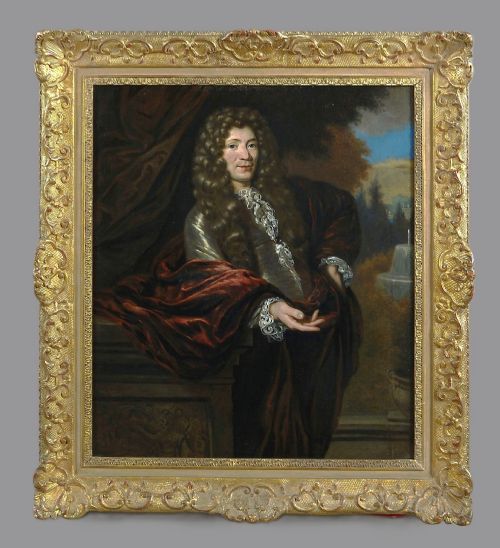
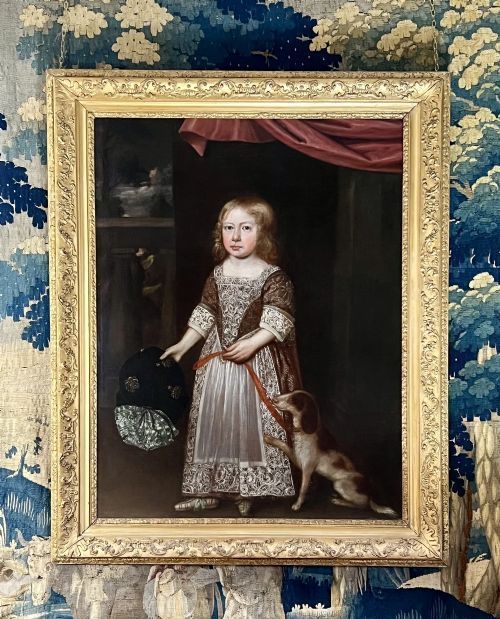
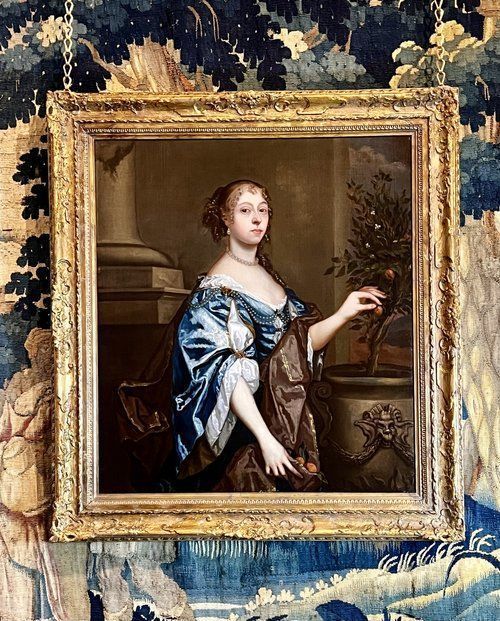
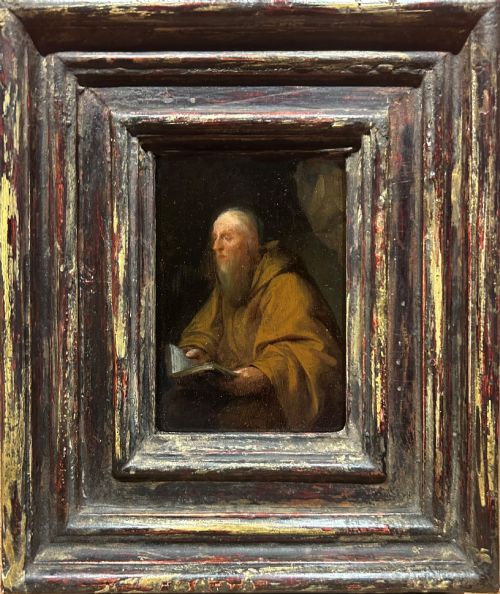
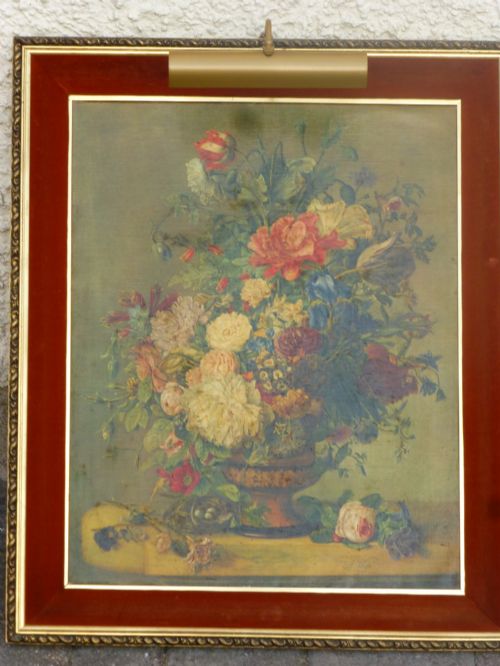
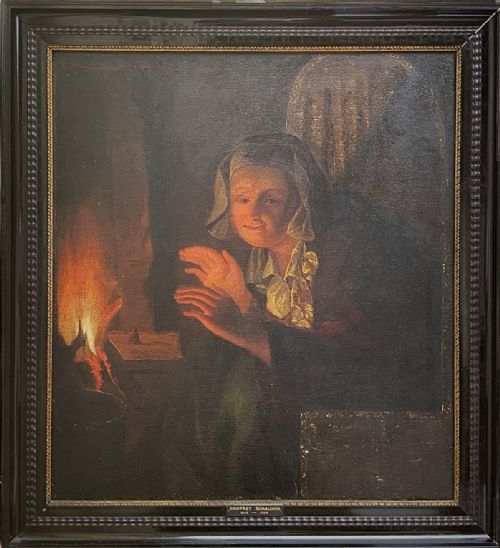
Dutch master portrait artwork brings historic European presence into a room through oil on canvas, panel and engraved line.
Dutch Master Portrait Artwork
Dutch master portrait artwork captures individuals and scenes from centuries past, spanning periods from the seventeenth century through to nineteenth-century academic interpretations and mid-century examples. Buyers seek these pieces to introduce classical depth, historical narrative and rich character study into domestic or institutional interiors.
The selections on this page concentrate heavily on seventeenth-century oil paintings, alongside later adaptations after notable artists and period line engravings. Works attributed to regional schools or circles of specific painters form a prominent part of the available selection.
Materials and Techniques
Painters relied upon oil paint applied to prepared wood panels or woven canvas supports, building luminous glazes and deep shadows characteristic of the period. Frames often utilise giltwood and gold leaf, complementing the dark, moody palettes typical of these historical compositions.
Draftsmanship also appears through drawings on paper and delicate line engravings, demonstrating the varied methods artisans employed to record likenesses and interior genre scenes.
Dutch Master Portrait Artwork Retail Price Guide 2026
Typical asking prices for dutch master portrait artwork among the pieces listed under this phrase on Sellingantiques today, from the lower quarter to the upper quarter. They describe what is for sale here now, not the wider market.
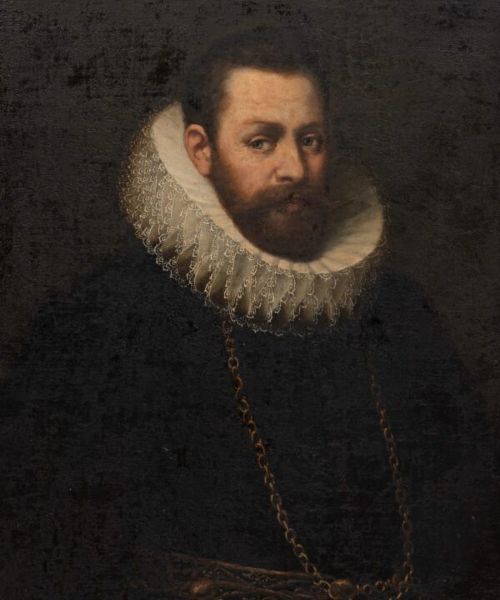
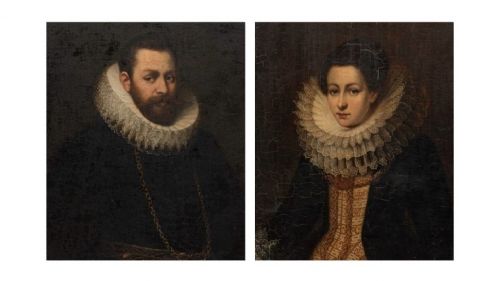
Several subjects wear intricately pleated ruff collars that demand as much painterly attention as the sitter's own gaze.
Assessing Quality and Execution
Quality rests upon the subtlety of brushwork, the handling of light and shadow, and the convincing anatomy of hands, fabrics and ruff collars. Paintings that demonstrate confident draughtsmanship and expressive facial modelling stand apart from stiffer, more formulaic studio copies.
The integrity of the original support, whether wood panel or canvas, and the survival of early or period framing further distinguish superior examples within the field.
Michiel van Musscher·Pieter Borsseler·Jan van Staveren·David Teniers The Younger·Sir Anthony Van Dyck·Godfried Schalcken·Nicolaes Maes·Rembrandt van Rijn·Jan Cossiers·Quirijn Van Brekelenkamp·Johan Noah Bemmel·Willem Johannes Martens·Pieter Nason·Jan Steen·Bartholomeus Van der Helst
The Dutch Master Portrait Artwork Glossary
- Oil on canvas
- Pigments bound in a drying oil applied to a woven fabric stretched over a wooden frame. This primary medium allows for smooth blending and rich tonal gradations.
- Giltwood
- Wood carved and coated with gold leaf or metallic powder to create a brilliant decorative surface. Such frames frequently encase classical portraiture.
- Ruff
- A prominent pleated starched collar worn during the sixteenth and seventeenth centuries. Intricate rendering of these garments signals high skill in portraiture.
- Manner of
- A term indicating a work executed in the style of a specific master without being a direct copy. It reflects the broader influence of a school or workshop.
- Line engraving
- An intaglio printmaking technique where lines are incised directly into a metal plate with a burin. This process produces crisp, controlled detail.
Dutch Master Portrait Artwork: Frequently Asked Questions
How do I care for antique oil portraits?
Keep paintings away from direct sunlight, extreme temperature fluctuations and high humidity to prevent cracking in the paint and warping of wood panels or canvas.
Dust surfaces gently with a soft, dry brush and avoid chemical cleaning agents, leaving professional conservation work to trained restorers.
What does attribution to a circle mean?
Attribution to a circle indicates that a piece was created by an unknown artist working closely within the studio or immediate following of a named master during that period.
These works share stylistic traits and techniques with the principal artist but lack direct documentation of individual authorship.
Are these portraits original period works?
The selection includes genuine seventeenth-century pieces alongside later nineteenth-century interpretations, period engravings and mid-century studies.
Each listing specifies the recorded period or approximate date derived from style, material analysis and historical documentation.
How do I hang a heavy framed oil painting?
Secure heavy giltwood frames directly into wall studs using appropriate picture hooks or professional mounting brackets rated for the total weight.
Ensure the hanging wire or D-rings affixed to the frame are robust and properly installed to support the artwork safely.