



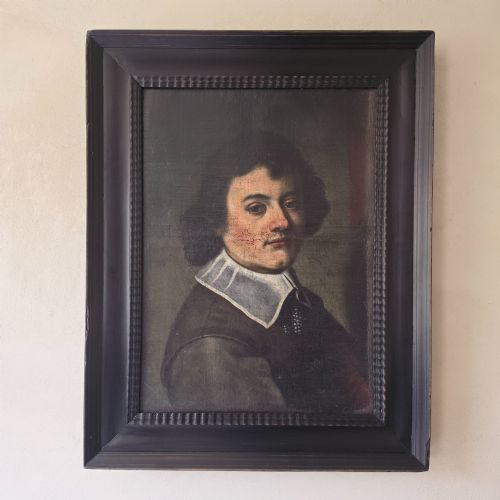

Seventeenth Century Oil Canvas
When you search for a seventeenth century oil canvas, you enter a world of painted portraits, still lifes, and historical scenes rendered in oil and gold leaf.
Seventeenth Century Oil Canvas
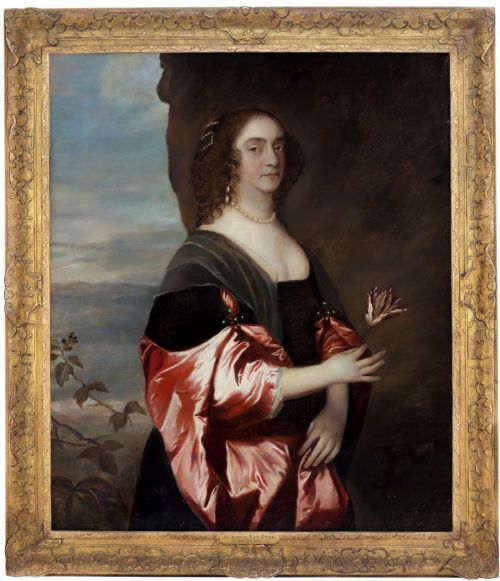
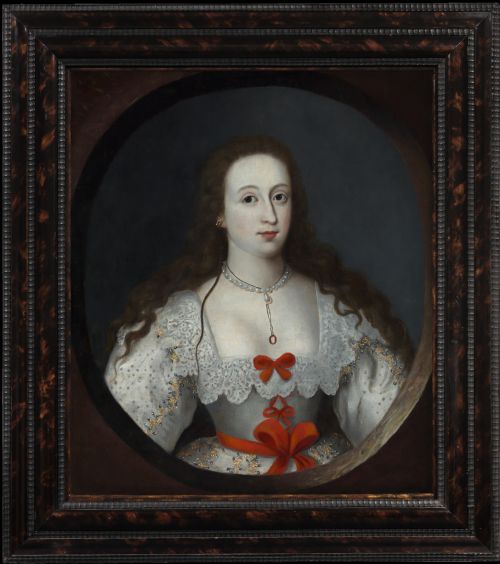
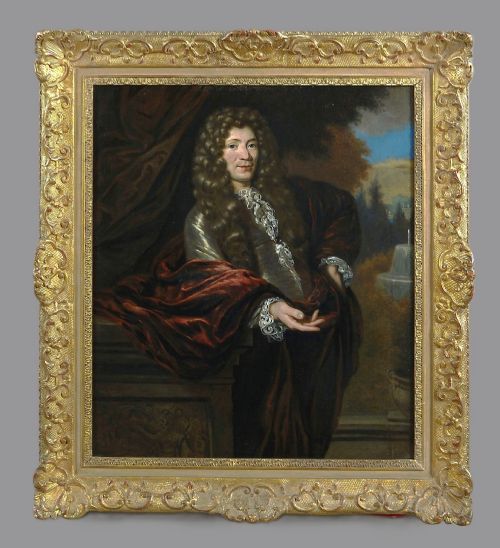
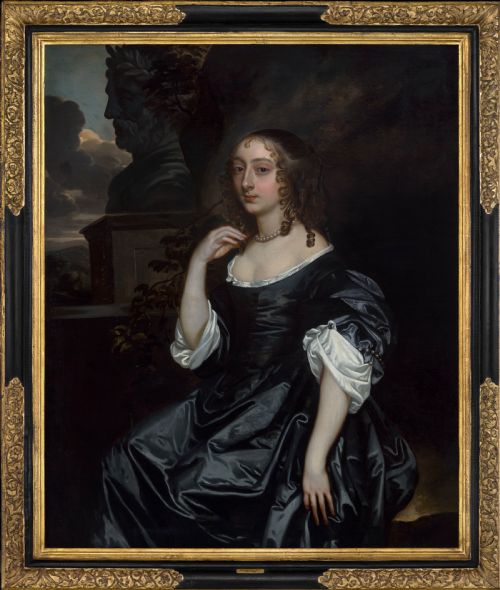
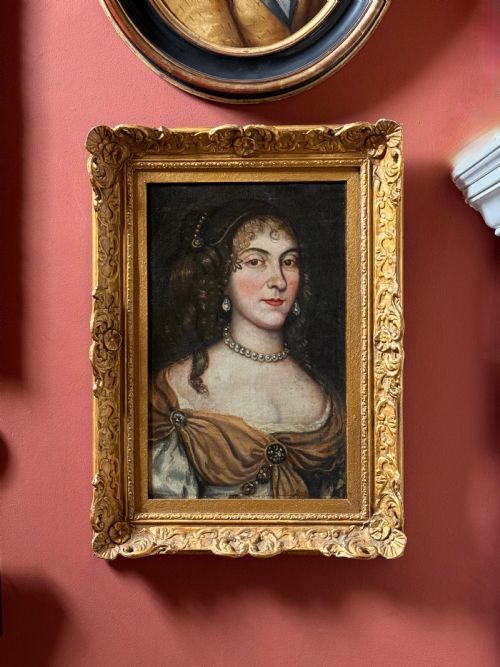
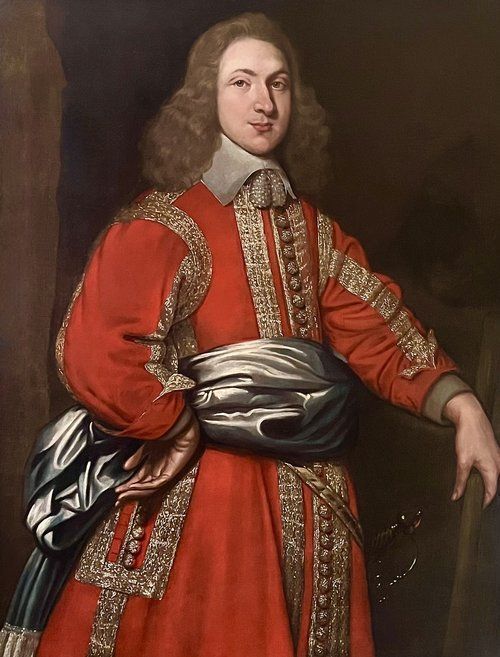
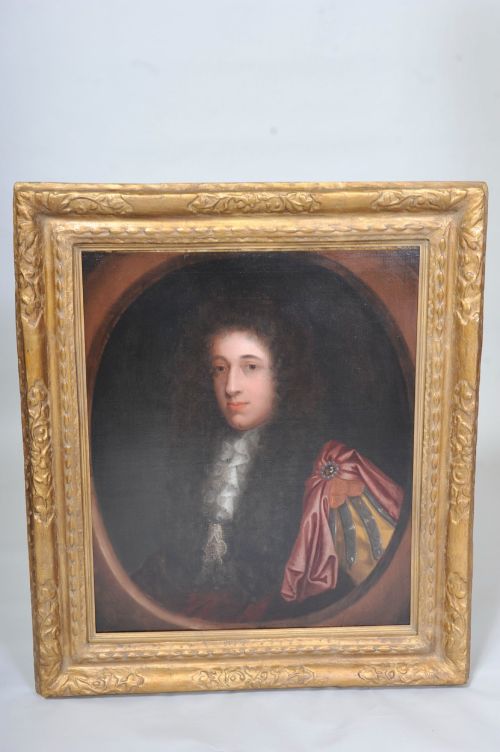
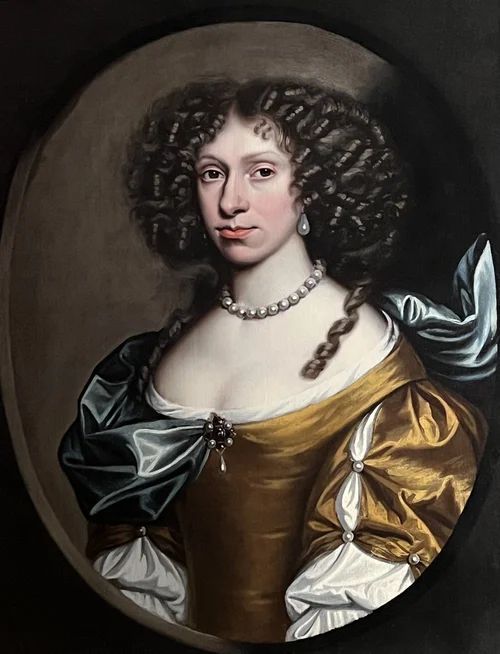
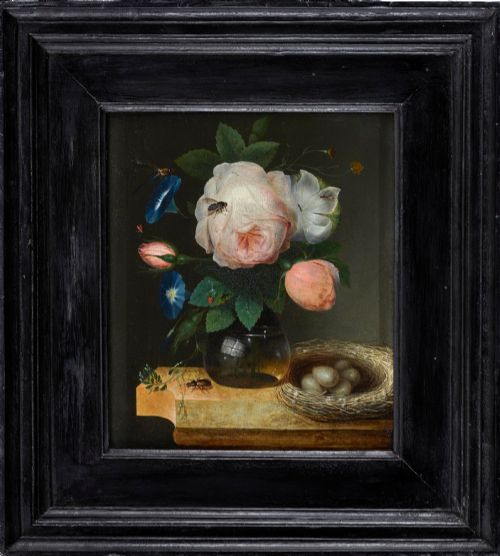
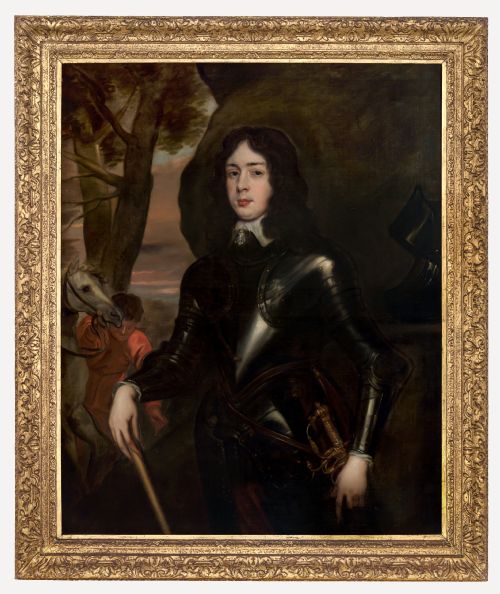
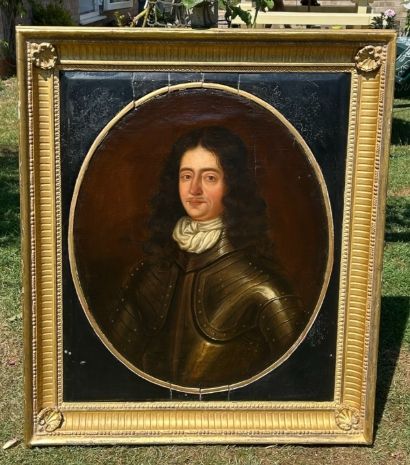
A seventeenth century oil canvas brings together historic fine art paintings executed on canvas supports, spanning English, Dutch, Flemish, and Italian schools. The selection relies heavily on portraiture depicting ladies, gentlemen, military officers, and nobility, alongside still life and mythological subjects.
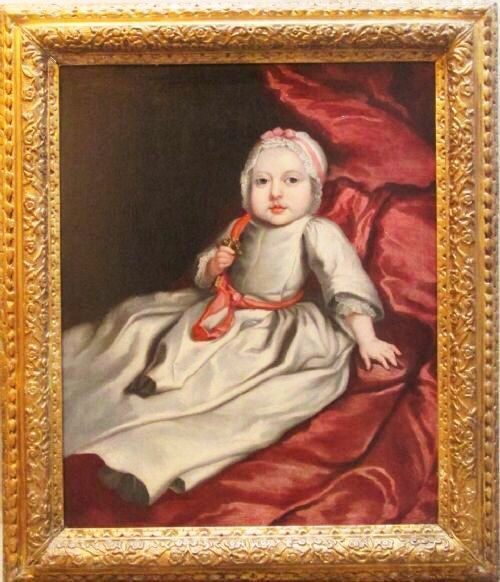
Most pieces date to the seventeenth century itself, while some examples originate from later periods including the eighteenth century, Victorian era, and early twentieth century as later interpretations or copies after old masters. Forms range from intimate baby portraits to large scale historical compositions housed in period frames.
Makers and circles represented include notable historical portraitists and followers of major European masters, showing the reach of Baroque and Jacobean aesthetics across domestic and institutional interiors.
Materials and construction
The physical works are built on woven canvas stretched over wooden frames, using oil paint mediums to build deep colour layers and tonal depth. Many examples retain their original or period giltwood and gold leaf frames that complement the painted surface.
Artists applied oil paint with varied brushwork to capture fabrics like satin and lace, facial expressions, and complex backgrounds. Pigments interact with the canvas weave over centuries, creating the characteristic craquelure and patina visible in old master paintings.
Seventeenth Century Oil Canvas Retail Price Guide 2026
Typical asking prices for seventeenth century oil canvas among the pieces listed under this phrase on Sellingantiques today, from the lower quarter to the upper quarter. They describe what is for sale here now, not the wider market.
Listings feature works from the seventeenth, eighteenth, and early twentieth centuries, spanning English, Dutch, Flemish, and Italian schools using oil on canvas and giltwood.
Distinctions in quality
Quality rests in the precision of brushwork and the psychological depth of the sitter or subject. Works originating directly from the studio of a named master or an accomplished contemporary circle display superior anatomical proportion and fabric rendering compared to later copies.
The preservation of the original canvas and pigment stability dictate the visual impact of the piece. Integral period frames matching the age of the oil painting add historical cohesion to the overall object.
Cornelius Johnson·Michiel van Musscher·Sir Peter Lely·Mary Beale·David Scougall·Gaspar Peeter Verbruggen·Sir Anthony van Dyck·Michael Dahl·Nicolaes Maes·Thomas Hill·Rembrandt Harmenszoon van Rijn·Peter Paul Rubens·Francesco Albani·Pietro D'asaro·Pieter Nason·Adolphe-Alexandre Lesrel·Wybrand de Geest·Samuel Cooper·John Hoskins·Daniel Mytens·Adriaen Hanneman
The Seventeenth Century Oil Canvas Glossary
- Oil on canvas
- A painting medium where pigments are bound with drying oils and applied to a woven fabric support. This technique allowed artists to achieve rich tones and blended gradients.
- Baroque
- A European artistic style originating around sixteen hundred, characterised by dramatic lighting, deep shadows, and emotional intensity. It dominates many of the figurative compositions found in this group.
- Jacobean
- An early seventeenth century English style, particularly noted in portraiture for stiff linear precision and elaborate costume detail. Sitters often wear ruffled collars and embroidered doublets.
- Giltwood
- Wood that has been coated with a thin layer of gold leaf or gold paint. Frames utilising this finish were designed to reflect candlelight and enhance the artwork.
- Old master
- A term for a European painter of skill who worked before eighteen hundred. These artists formed the traditions and workshop practices seen in seventeenth century canvases.
Seventeenth Century Oil Canvas: Frequently Asked Questions
What subjects appear most frequently?
Portraits of individuals dominate the selections, ranging from noblewomen and military officers to clergymen and children. Still life compositions featuring flowers and historical or mythological narratives also appear across the schools represented.
These subjects reflect the patronage and domestic display habits of the period, where commissioning family likenesses and allegorical scenes demonstrated social standing and cultural learning.
How should I care for an old canvas?
Historic oil paintings require stable environmental conditions away from direct sunlight, excessive heat, and sudden humidity changes. Keeping the canvas in a room with consistent climate prevents warping of the wooden stretcher and cracking of the oil paint.
Dusting should be done gently with a soft, dry brush by someone experienced with fine art. Professional conservation should be sought for any cleaning or structural repairs to the canvas.
How do I identify the period of the frame?
Period frames often display construction methods appropriate to their era, such as hand carved wood, gesso application, and genuine gold leaf gilding that shows wear consistent with age. Profiles and ornamentation typically match the stylistic conventions of the seventeenth or eighteenth centuries.
Many paintings retain frames that have been associated with them for generations, though framing styles were frequently updated by later owners to suit changing interior tastes.
What is the difference between a studio work and a direct painting?
A direct painting is executed by the named master themselves, while studio or circle works involve the active participation of assistants, pupils, or close followers working under the master's supervision or in their immediate style. These studio pieces shared the workshop's materials and compositional templates.
Such collaborative output was standard practice in seventeenth century workshops to meet the demand for portraits and narrative scenes among wealthy patrons.