

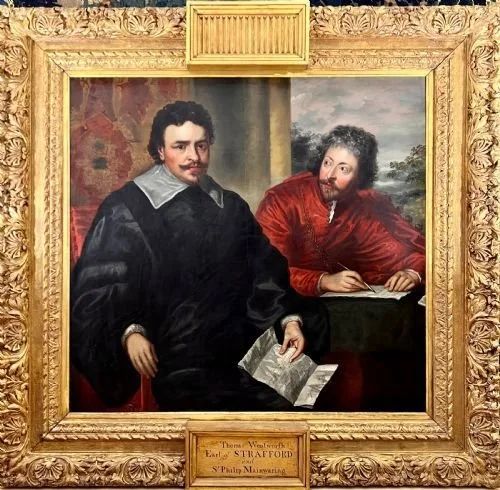
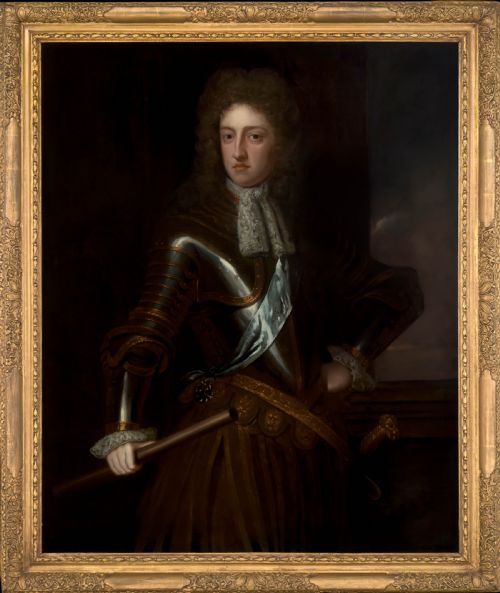
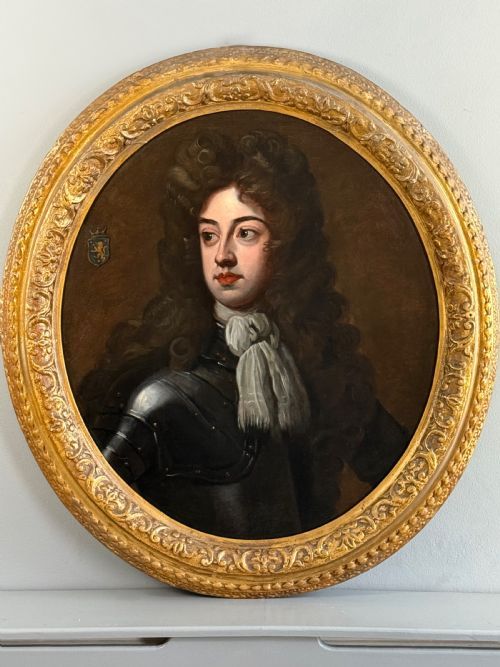
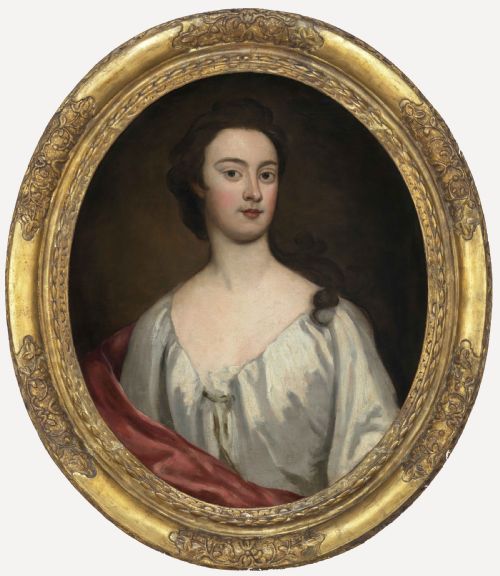
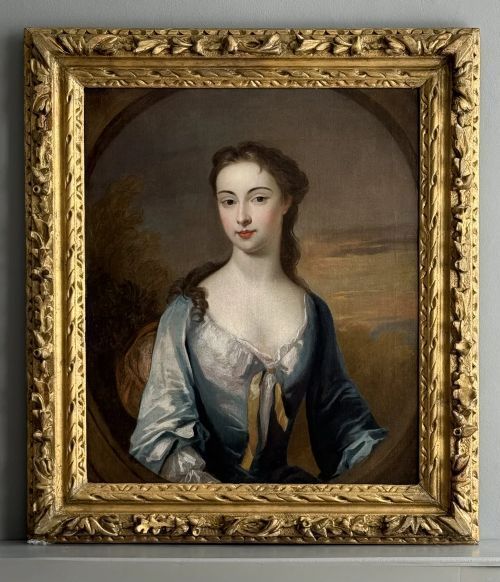
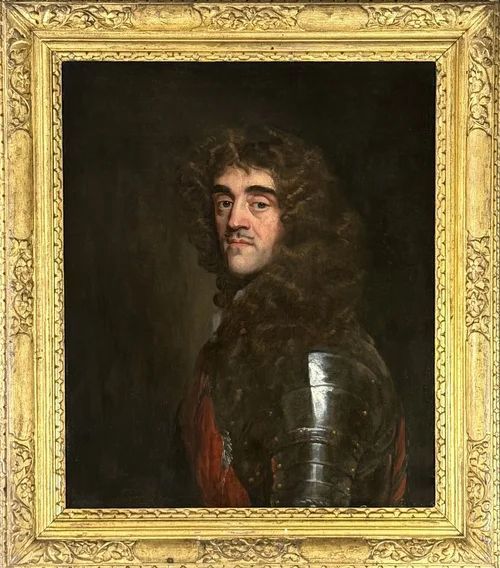
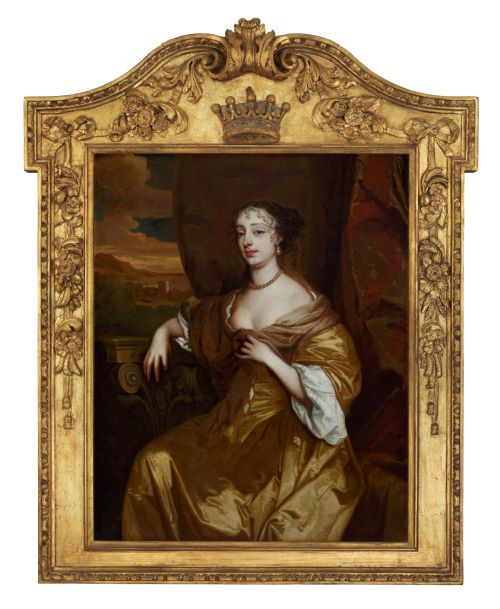
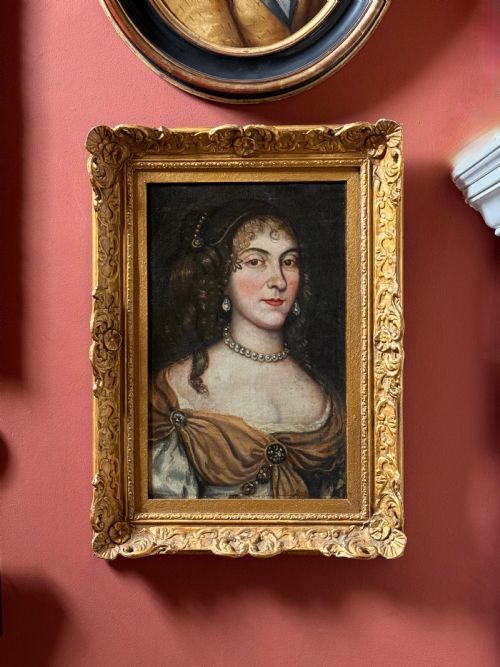
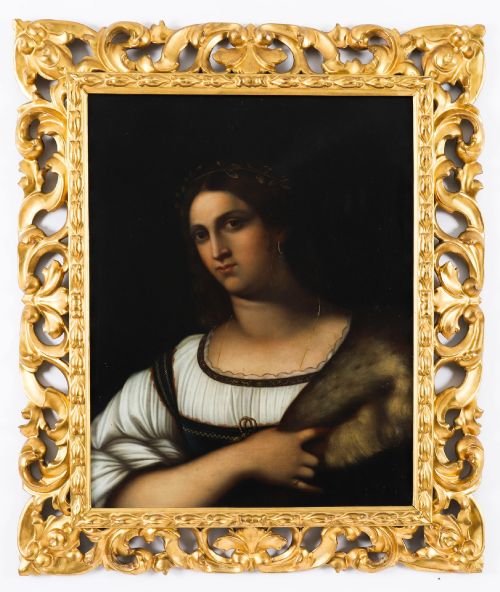

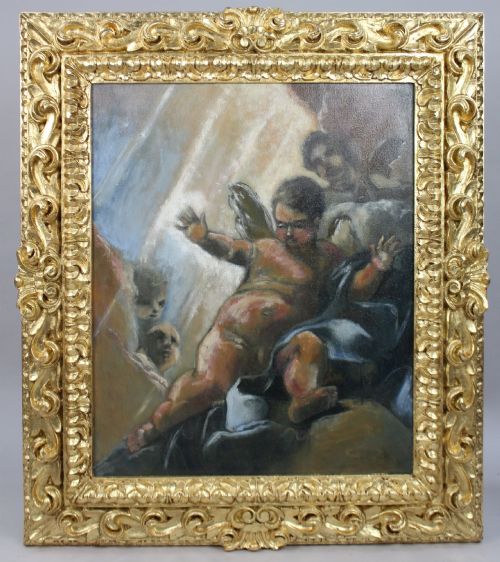
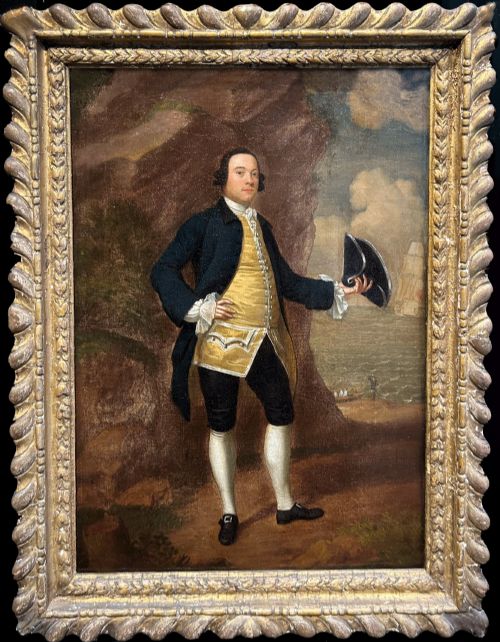
Carved Giltwood Frame Portrait
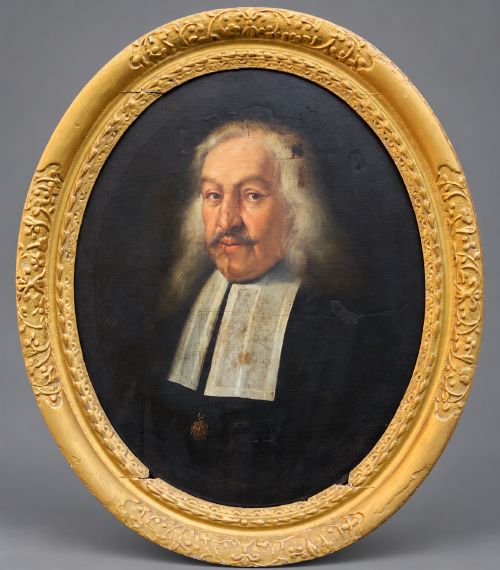
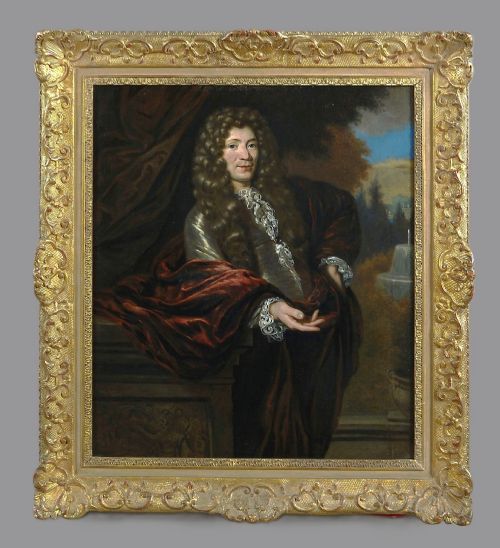
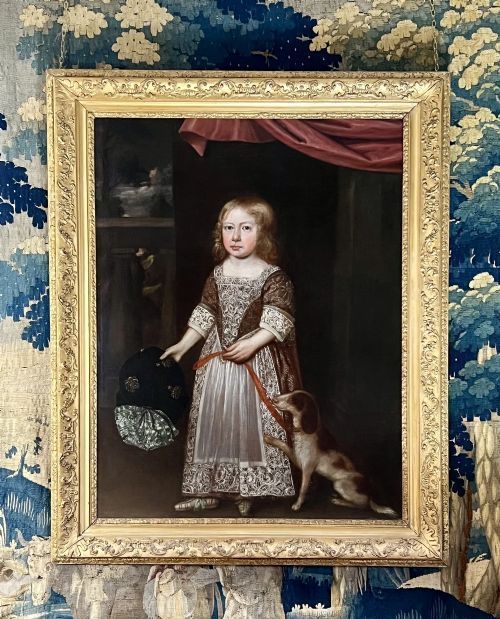
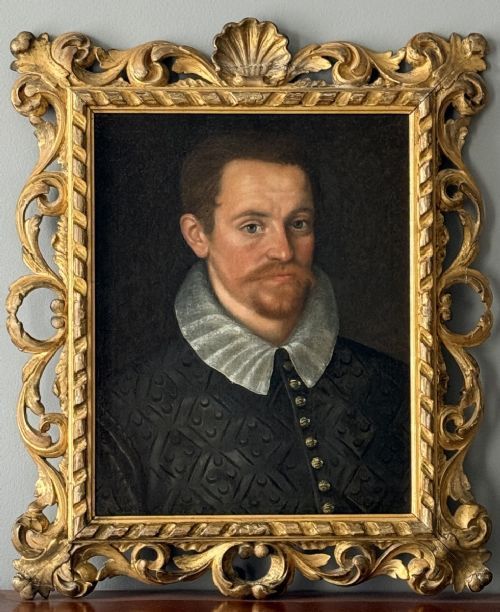
A carved giltwood frame portrait brings centuries of painted character and opulent golden woodwork into a room.
Carved Giltwood Frame Portrait
A carved giltwood frame portrait unites historical oil paintings with ornate wooden housings covered in thin gold leaf. These works span from sixteenth-century Renaissance depictions to nineteenth-century interpretations of earlier styles.
The most common examples on this page are seventeenth- and eighteenth-century oil on canvas paintings depicting nobles, gentlemen, and ladies, housed in deep moulded timber surrounds.
Buyers seek these pieces for their combination of portraiture and decorative framing, where the woodwork often holds as much artistic merit as the canvas within.
Materials and Construction
Makers fashioned the canvases from woven plant fibres, applying oil paint in layers to build up skin tones, fabrics, and backgrounds. Artisans carved the accompanying frames directly from solid timber, shaping intricate scrolling foliage and architectural mouldings.
Workers applied a smooth layer of gesso, a plaster-like mixture, over the carved wood to prepare a receptive surface for gilding. They then laid down delicate sheets of gold leaf, burnishing sections to a high sheen while leaving others matte for contrast.
Carved Giltwood Frame Portrait Retail Price Guide 2026
Typical asking prices for carved giltwood frame portrait among the pieces listed under this phrase on Sellingantiques today, from the lower quarter to the upper quarter. They describe what is for sale here now, not the wider market.
Factors of Distinction
The depth and crispness of the wood carving dictate much of the visual impact, separating sharp, hand-chiselled ornamentation from softer, moulded plaster substitutes. Superior frames display undercut relief work where leaves and ribbons appear to lift away from the wooden base.
Sir Godfrey Kneller·Charles Jervas·John Greenhill·Sir Peter Lely·Jeremiah Davison·Sir Anthony van Dyck·Francis Hayman·Nicolaes Maes·Sir Joshua Reynolds·Louis De Silvestre·Guido Reni
The Carved Giltwood Frame Portrait Glossary
- Giltwood
- Timber coated with gold leaf or gold paint. This finish provides a luminous, reflective surface that catches candlelight and natural illumination.
- Gesso
- A mixture of gypsum or chalk and animal glue used as a base. Artisans applied this substance to wooden frames before gilding to ensure a smooth, flawless foundation.
- Cassetta
- A flat-profile frame style with raised inner and outer mouldings. This architectural form was popular during the Renaissance and later revival periods.
- Doublet
- A close-fitting padded jacket worn by men during the sixteenth and seventeenth centuries. Tailors often decorated these garments with intricate embroidery.
- Jabot
- A decorative lace or linen ruffle attached to the front of a shirt. This neckwear frequently appears in eighteenth-century portraiture to denote status and fashion.
Carved Giltwood Frame Portrait: Frequently Asked Questions
Are these frames original to the paintings?
Many historical portraits retain their period frames, which manufacturers and owners paired with the canvases centuries ago.
Some pieces combine older paintings with later sympathetic frames from revival periods, a common practice among collectors and dealers.
How do I identify sixteenth-century works?
Sixteenth-century pieces often feature religious subjects like the Madonna and Child, executed in styles influenced by the Italian Renaissance.
Clothing styles, such as heavy robes and simple headcoverings, also point toward this early period of European art.
Where should I hang a heavy framed portrait?
Select a sturdy interior wall with stable humidity levels, away from direct sunlight and heat sources that could crack the canvas or warp the wood.
Ensure wall fixings are rated to support the combined weight of the thick timber frame and the heavy oil painting.