


Carved Giltwood Appliques
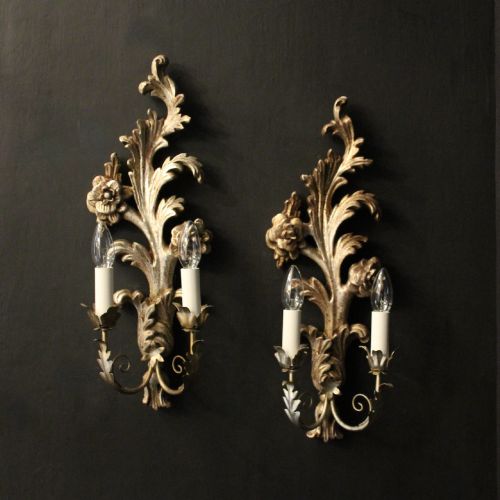
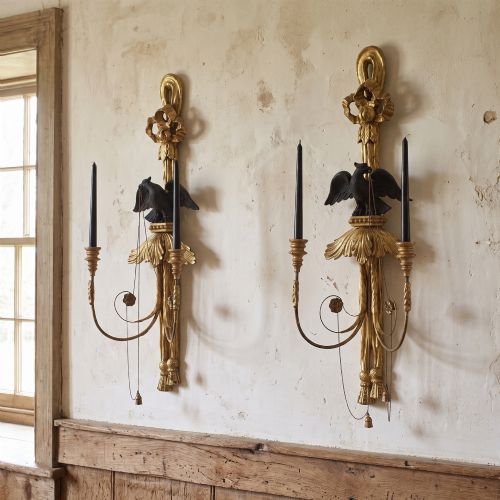
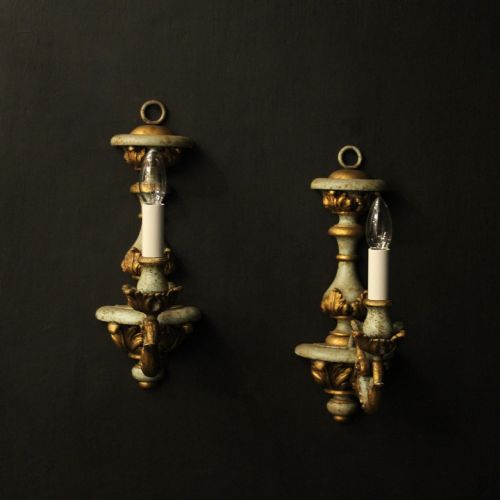
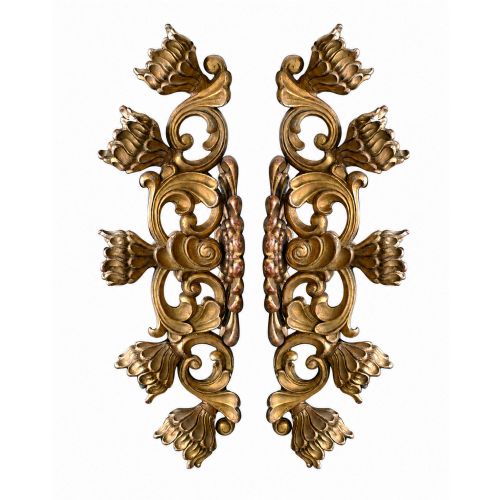
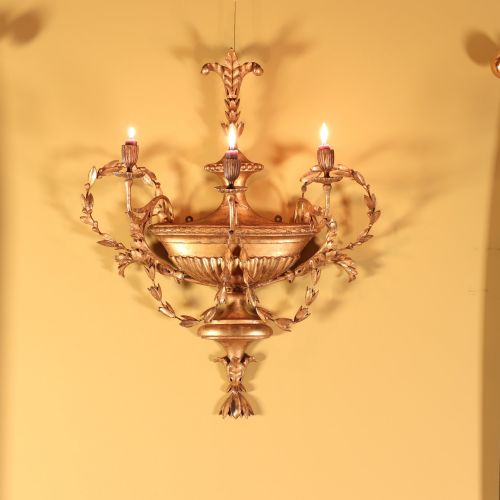
These carved giltwood appliques bring architectural warmth and candlelit drama to panelled rooms.
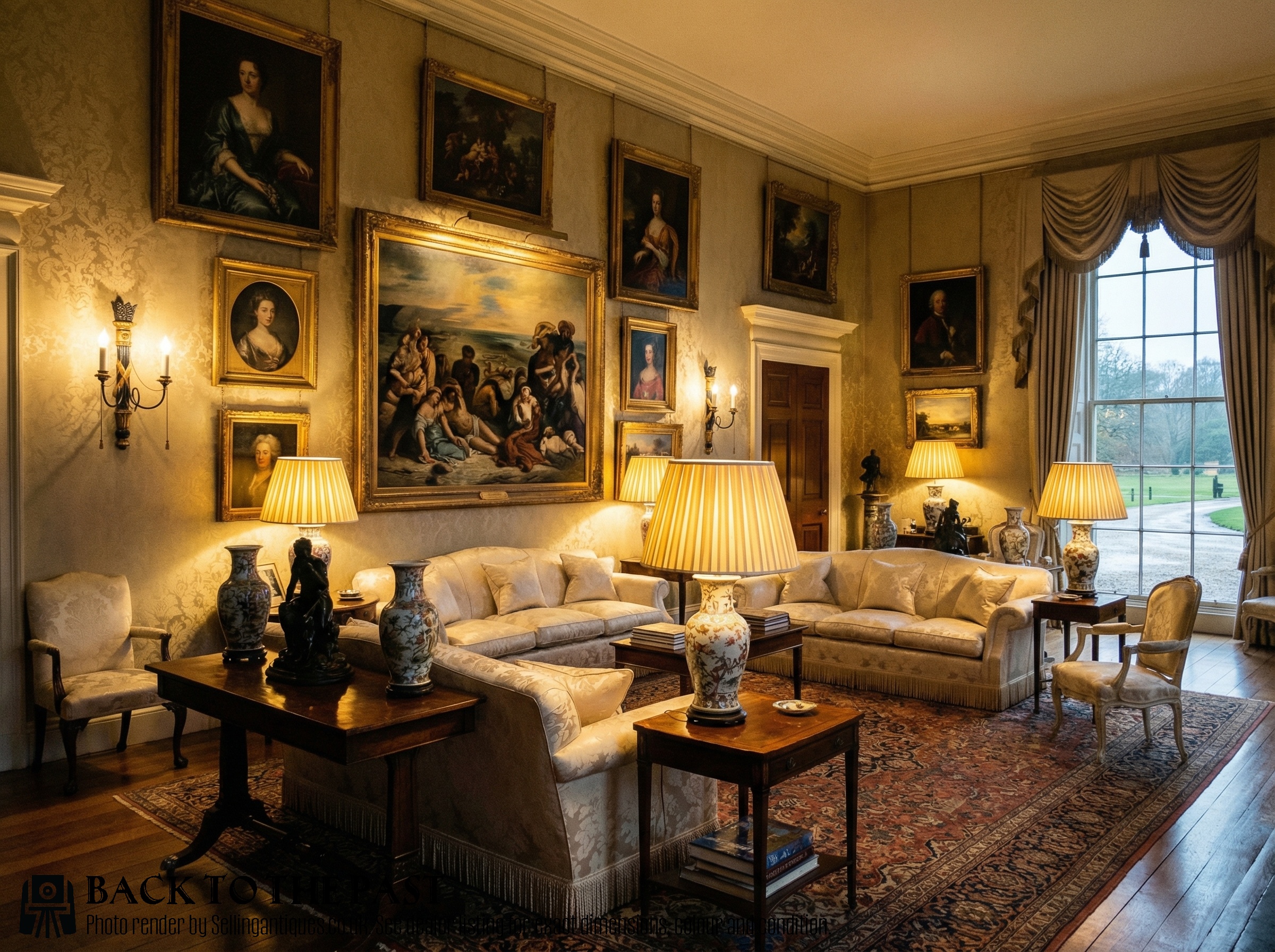
Carved Giltwood Appliques
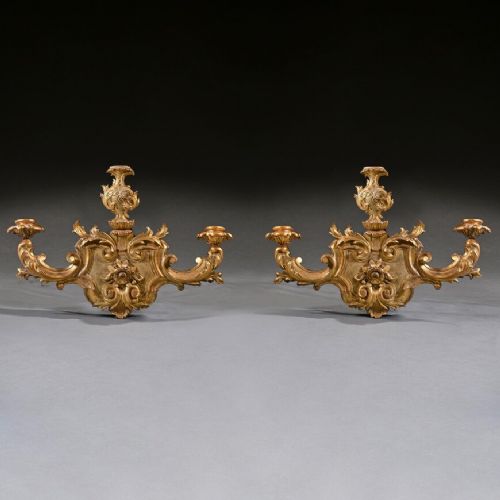
When you search for carved giltwood appliques, you encounter wall lights, wall sconces, architectural fragments and wall brackets designed to mount directly onto plaster or wood panelling. These pieces function as decorative wall lighting or ornamental brackets, originating from periods spanning the seventeenth century through to the early twentieth century.
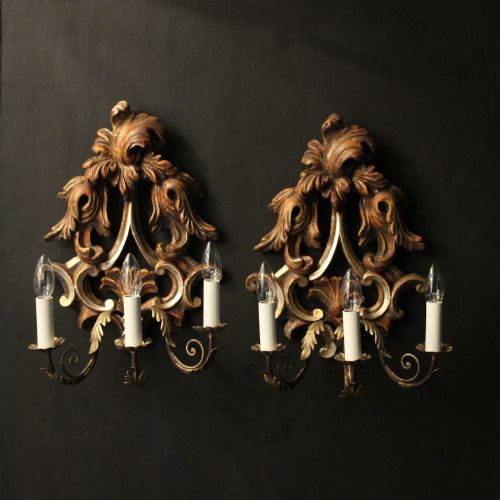
The most frequent examples on this page are matched pairs from Florentine and French workshops, often taking the form of twin or triple arm wall lights executed in the early twentieth century. Alongside these, buyers find eighteenth-century Venetian pieces and nineteenth-century Italian designs incorporating carved wood, gesso, and gilded surfaces.
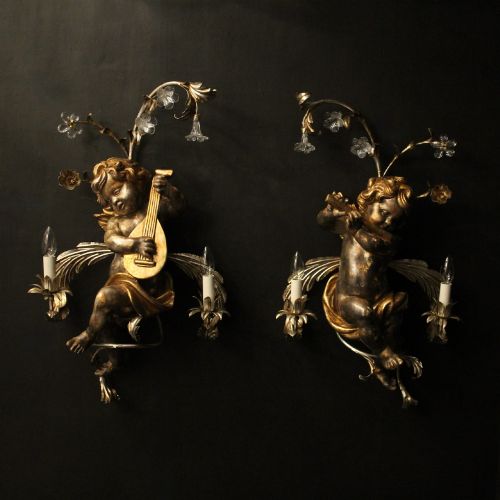
Stylistically, the selection draws heavily on regional traditions including Florentine Rococo, Italian Baroque, French Neoclassical, and George III styles. Many incorporate carved elements such as cherubs, ebonised details, or polychrome accents to complement the dominant gold leaf finish.
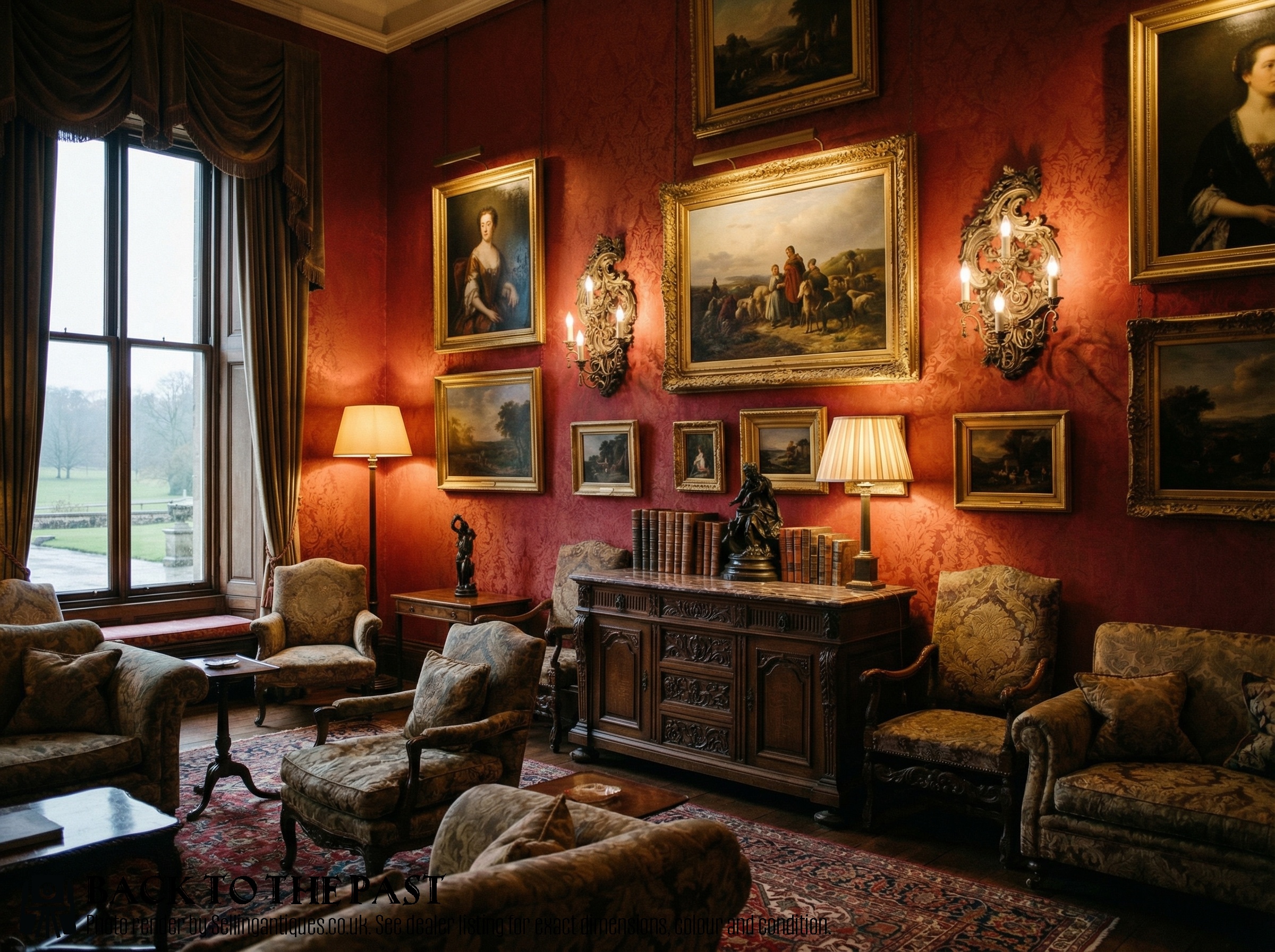
How they were made
The foundation of these pieces relies on carved wood or moulded gesso built over a wooden substrate to create high-relief scrollwork, foliage, and figural details. Artisans shaped the timber manually before applying layers of gesso to sharpen the decorative motifs.
Gilding was achieved by laying gold leaf or silver leaf over a prepared base, occasionally combined with polychrome paint or ebonised sections to add contrast. Metal components were integrated to support the candle arms or electrical fittings.
Carved Giltwood Appliques Retail Price Guide 2026
Typical asking prices for carved giltwood appliques among the pieces listed under this phrase on Sellingantiques today, from the lower quarter to the upper quarter. They describe what is for sale here now, not the wider market.
Several Florentine wall lights keep watch with carved wooden cherubs holding out candle arms.
What varies in quality
Quality rests primarily in the depth and sharpness of the hand-carving within the wood and gesso layers. Crisp foliate scrolls and well-defined figures separate superior items from softer, more mechanically moulded alternatives.
The application and preservation of the gold leaf or silver leaf also determine the calibre of a piece. Intact leaf that shows subtle ageing without heavy restoration retains the intended reflective quality and visual depth.
The Carved Giltwood Appliques Glossary
- Giltwood
- Timber that has been gilded with gold leaf or silver leaf over a prepared surface. This technique provides a warm, reflective finish characteristic of period furniture and wall ornaments.
- Gesso
- A plaster mixture applied to wood to create a smooth surface for carving and gilding. It allows craftsmen to model intricate relief details that wood alone cannot easily sustain.
- Applique
- A decorative wall-mounted fitting or sconce used for illumination or architectural embellishment. The term often describes pieces designed to sit flat against a wall surface.
- Sconce
- A wall-mounted lighting fixture holding one or more candles or lamps. These fixtures frequently incorporate reflective backplates to maximise illumination.
- Rococo
- An ornate design style marked by asymmetrical scrollwork, C-curves, and naturalistic plant motifs. This style dominates many eighteenth-century and revival wall lights.
Carved Giltwood Appliques: Frequently Asked Questions
How do I mount these wall lights safely?
These pieces require secure attachment to wall studs or appropriate masonry anchors due to the combined weight of wood, gesso, and metal arms. Professional installation is recommended if the sconces are wired for electricity.
Ensure the mounting hardware matches the specific weight distribution of the backplate. Many examples include integrated hanging brackets designed for secure wall placement.
Were these originally wired for electricity?
Most period appliques were made for candles before later being adapted for electric illumination. The transition often involves running wiring through the carved timber or arms.
Buyers should inspect the current wiring status and consult an electrician to ensure compliance with modern safety standards.
How do I clean giltwood surfaces?
Giltwood requires gentle maintenance using a soft, dry brush to remove dust from recessed carvings. Moisture and commercial cleaning agents damage delicate gold leaf and gesso layers.
Avoid rubbing the surface, as friction can wear away the thin metal leaf and expose the underlying bole or wood.
Can I mix different styles on one wall?
Pairing similar periods, such as matching eighteenth-century Venetian sconces with complementary Italian pieces, maintains visual harmony in a room. Proportion and scale matter more than strict stylistic uniformity.
Placing matched pairs on either side of a mirror or fireplace creates a balanced focal point.