

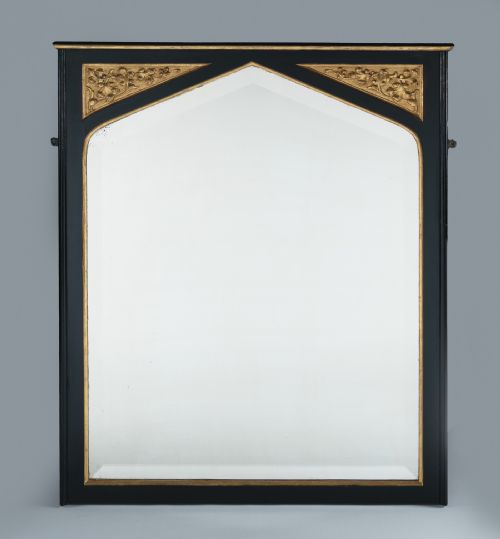

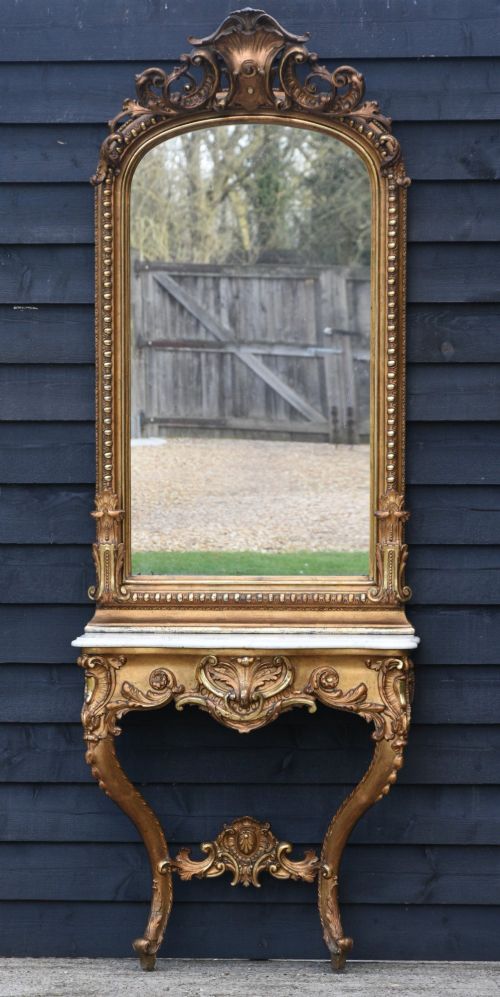
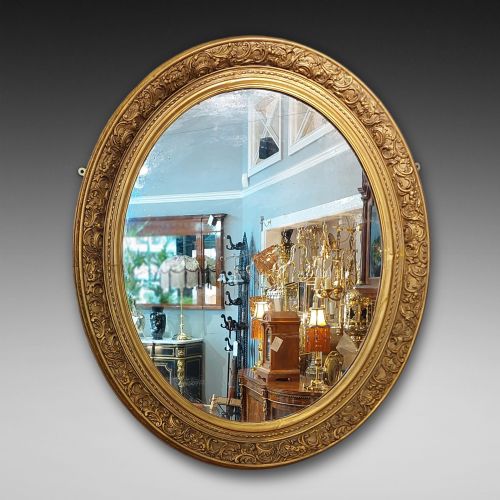
Carved Gilt Wall Mirror
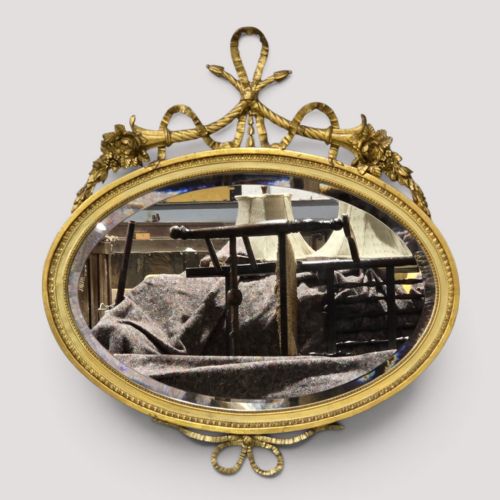
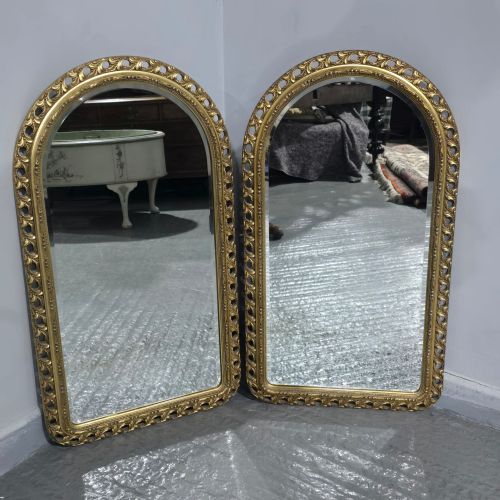
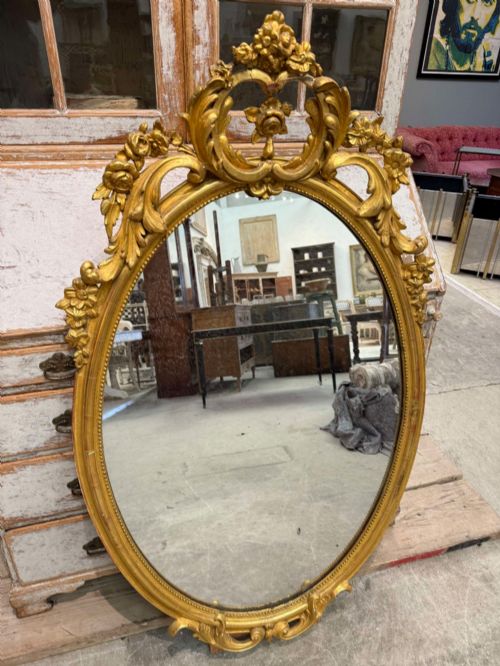
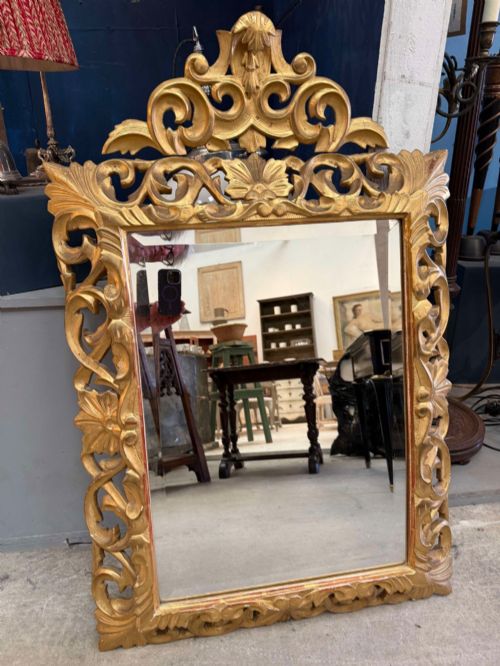
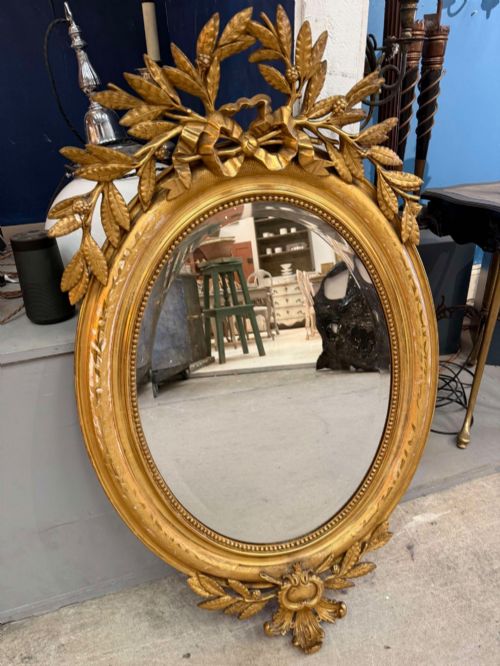
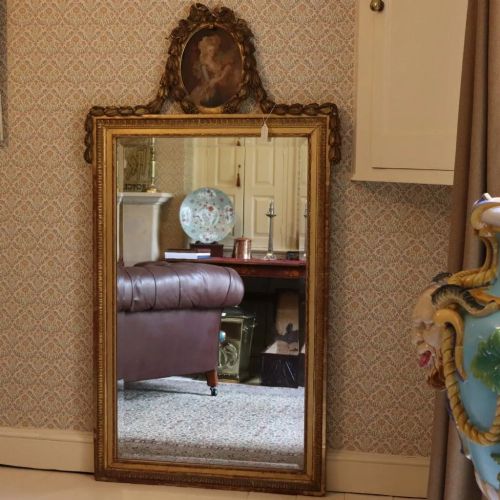
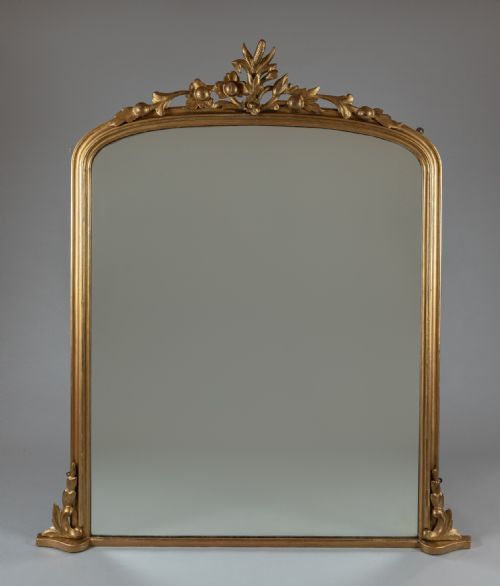
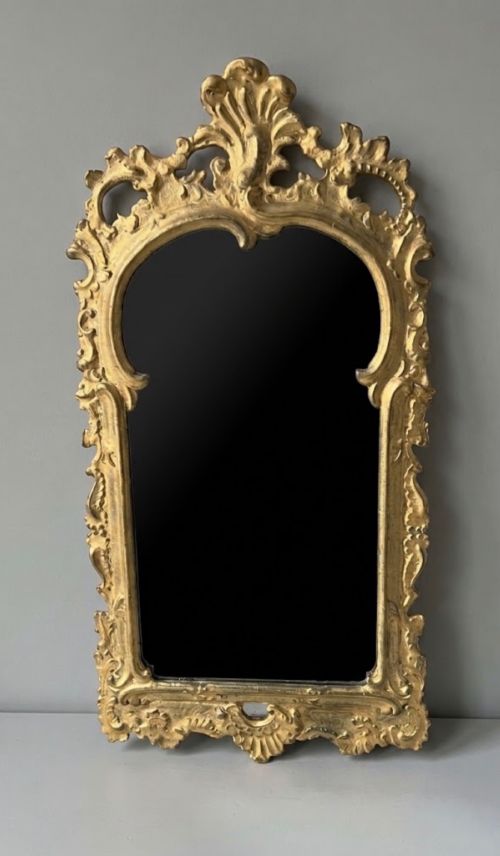
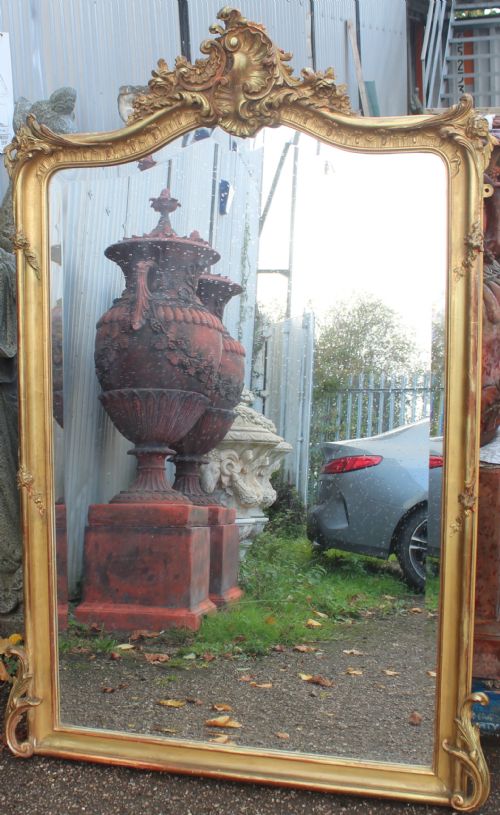
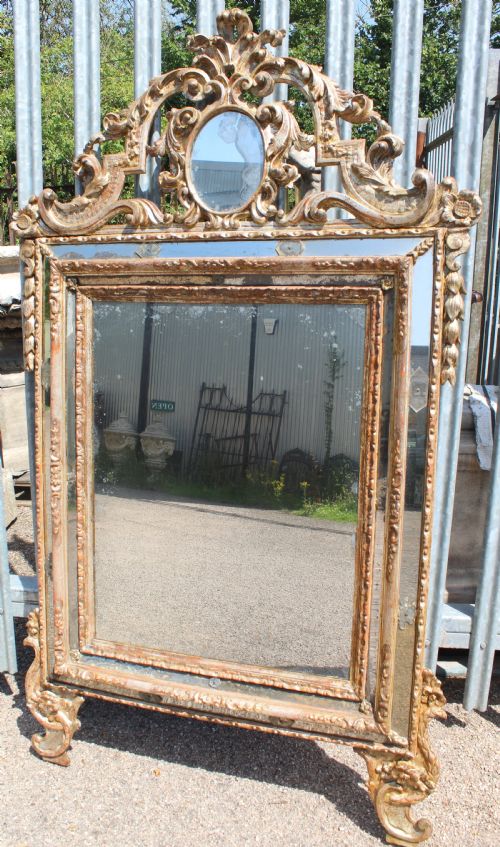
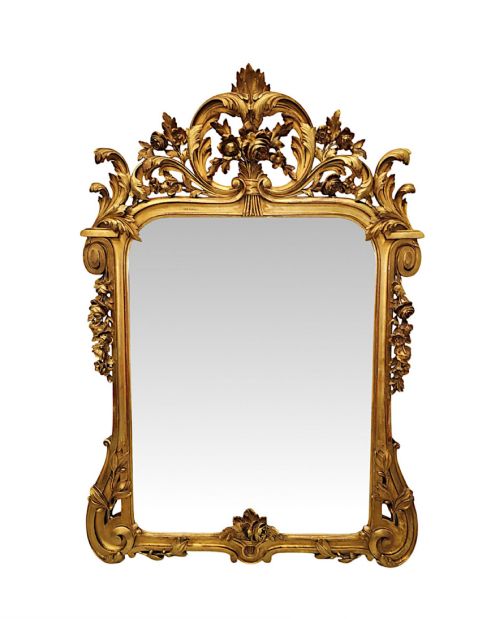
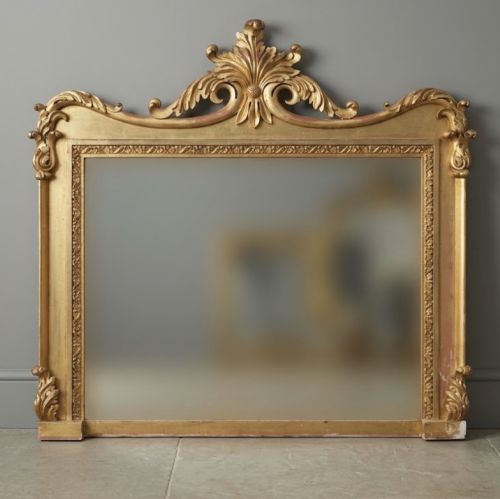
These pieces are a carved gilt wall mirror, bringing reflected light and ornate historical craftsmanship into any interior space.
Carved Gilt Wall Mirror
A carved gilt wall mirror is a reflective centrepiece built to catch and multiply light within a room while adding architectural weight to a wall. When searching this phrase, a buyer encounters forms ranging from grand overmantels designed for nineteenth-century fireplaces to delicate oval and rectangular wall pieces.
The selection spans periods from the eighteenth century through the Victorian era into the early twentieth century, drawing on English, French, and Italian origins. Overmantel mirrors and tall pier glasses dominate the selection, often accompanied by smaller girandoles and convex glasses surmounted by carved eagles.
How they were made
Makers shaped frames from woods such as mahogany, pine, and timber, applying layers of gesso to build up complex relief before gilding. Gold leaf or composite materials were then applied to the carved surfaces to create the luminous metallic finish characteristic of the period.
Carvers utilised techniques of deep relief modelling to execute floral motifs, acanthus leaves, and rococo scrolls directly into the wood and gesso. Many frames incorporate antique glass plates, sometimes bevelled or showing age, secured within heavy timber backings.
Carved Gilt Wall Mirror Retail Price Guide 2026
Typical asking prices for carved gilt wall mirror among the pieces listed under this phrase on Sellingantiques today, from the lower quarter to the upper quarter. They describe what is for sale here now, not the wider market.
Listings span the eighteenth, nineteenth, and early twentieth centuries, featuring materials from gesso and gold leaf to mahogany and mirror glass.
What varies in quality
Quality separates along the depth and crispness of the hand-carved ornament, where deeply undercut acanthus leaves and fluid rococo scrolls show superior craftsmanship compared to shallow, moulded alternatives. The handling of the gesso layer determines how sharply defined the decorative elements remain beneath the gold leaf.
The integrity of the gilding and the preservation of the original mirror plate further divide the range, with intact gold leaf surfaces and period antique glass representing the higher tier of survival. Proportion and scale also dictate quality, as monumental overmantels and heavy timber frames require precise structural joinery to support their considerable weight.
The Carved Gilt Wall Mirror Glossary
- Gesso
- A plaster-like mixture applied to wooden frames as a smooth base for gilding. This material allows artisans to carve intricate relief details before the gold leaf is laid.
- Giltwood
- Timber that has been coated with gold leaf or metallic powder. It forms the primary luminous structure of these decorative frames.
- Overmantel mirror
- A large horizontal mirror specifically scaled to hang above a fireplace mantelpiece. These pieces frequently feature arched tops and elaborate architectural crests.
- Girandole
- A decorative wall mirror fitted with attached candle sconces. The mirrored glass multiplies the candlelight within the room.
- Pier glass
- A tall, narrow mirror designed to hang on the wall space between windows. They often coordinate directly with matching console tables.
Carved Gilt Wall Mirror: Frequently Asked Questions
Where should I hang a large overmantel mirror?
These mirrors were traditionally positioned directly above fireplace mantels to reflect light and anchor the reception room. They also function effectively above sideboards or low cabinetry in principal rooms.
Ensure the wall construction and fixings can support the substantial weight of carved timber and glass structures before mounting.
How do I identify a Victorian piece from an eighteenth-century one?
Eighteenth-century examples often display restrained parcel gilt treatments alongside mahogany or pine, reflecting Georgian and Chippendale aesthetics. Victorian pieces frequently utilise heavier gesso ornamentation, deeper rococo revival moulding, and more exuberant floral motifs.
Examining the construction of the wooden backing frame and the characteristics of the mirror plate helps clarify the period of manufacture.
How do I care for antique gilt surfaces?
Dust the carved wooden frames gently with a soft, dry brush to prevent the accumulation of dirt within the gesso relief. Avoid liquid cleaners, polishes, or damp cloths, which can damage delicate gold leaf and historical finishes.
Keeping the mirror away from direct sunlight and damp environments preserves both the timber and the antique glass plate.