




Carved Gilt Settees
Carved gilt settees bring gilded French and English seating into a room, offering grand proportions and historic craftsmanship.
Carved Gilt Settees
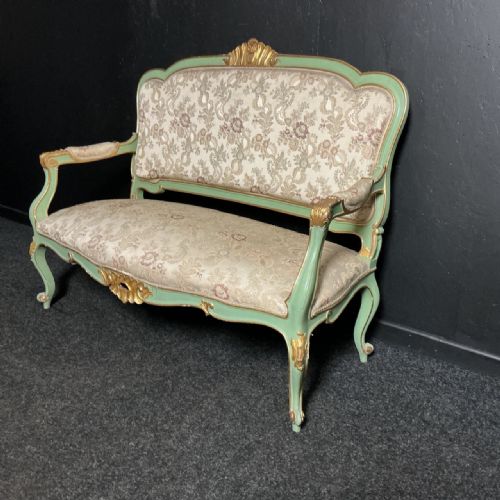
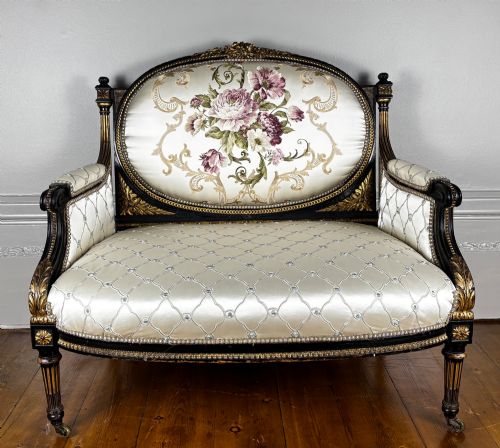
Carved gilt settees span centuries of formal seating, uniting ornate woodwork with gilded surfaces. You will frequently encounter French-inspired pieces from the nineteenth century alongside English and Italian examples.
How they were made
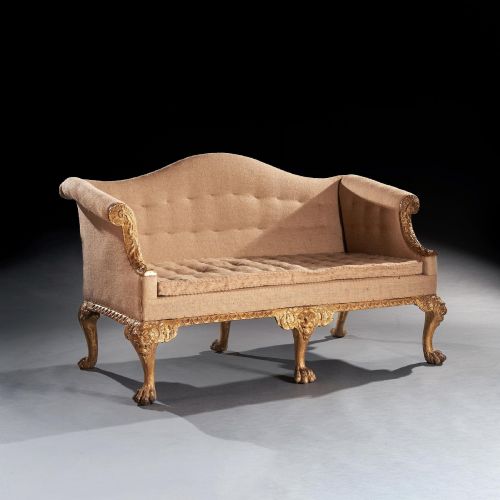
Craftsmen shaped frames from timbers such as beech, walnut and general wood before applying gold leaf or paint finishes. Carving defined the structural ornaments, from floral motifs to lion mask hairy paw feet.
Upholstery completed the pieces, utilising fabrics like silk, velvet and cane panels. Frames were assembled to support heavy textiles and provide durable seating for formal interiors.
The selection spans pieces from the 18th, 19th, and 20th centuries, utilising giltwood, beech, cane, and silk.
What varies in quality
The crispness of the timber carving separates standard production from superior workshop output. Deep, articulate relief work on floral scrolls or animal elements demonstrates higher skill than shallow moulding.
The application of gold leaf and the integrity of the underlying timber frame determine longevity. Original gilding and sturdy joinery distinguish exceptional heritage items from later decorative reproductions.
Giles Grendey·John Tesch
The Carved Gilt Settees Glossary
- Giltwood
- Wood that has been coated with gold leaf or gold paint. This finish creates a luminous surface that catches candlelight and natural illumination.
- Canapé
- A traditional French decorative sofa featuring an upholstered back and seat. These pieces often display flowing cabriole legs and carved frame borders.
- Caning
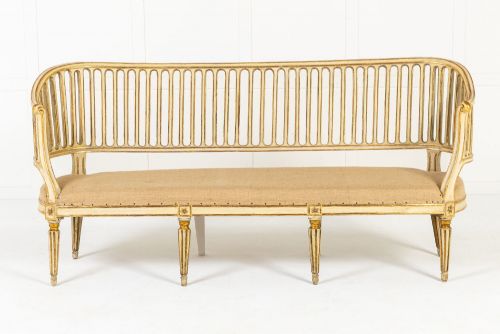
- Woven rattan or split cane material used for seat or back panels. It offers a lightweight, breathable surface popular in period seating.
- Bergère
- An enclosed upholstered armchair or sofa with wooden frames. They typically include padded armrests and fitted seat cushions.
- Neoclassical
- A style drawing inspiration from classical antiquity, featuring restrained symmetry and straight tapered legs. This aesthetic dominated late eighteenth and nineteenth century design revivals.
Carved Gilt Settees: Frequently Asked Questions
What is a carved gilt settee?
A carved gilt settee is a formal upholstered seat featuring a wooden frame adorned with gold leaf or paint. These pieces were designed for grand reception rooms and parlours.
Craftsmen carved intricate details into the wood before gilding, creating seating that functioned as both furniture and decorative art.
How do I date a gilt settee?
Dating relies on stylistic clues, construction methods, and the specific revival period of the piece. Eighteenth-century models show different joinery and carving depth compared to nineteenth-century interpretations.
Examining the wood species and upholstery foundation helps narrow down whether a settee originates from the Georgian, Victorian, or later revival eras.
Where were these settees used?
These settees were placed in formal drawing rooms, boudoirs, and grand hallways of country houses and urban townhouses. They provided seating for guests while displaying the wealth of the owner.
Today, they function similarly as statement seating in living spaces or historic interiors.
How do I care for giltwood?
Giltwood requires gentle dusting with a soft, dry cloth to protect the delicate gold leaf surface. Moisture and harsh cleaning agents can damage the finish permanently.
Keeping the furniture away from direct sunlight and fluctuating humidity preserves both the timber frame and the gilding.