



Victorian Rococo Sofa
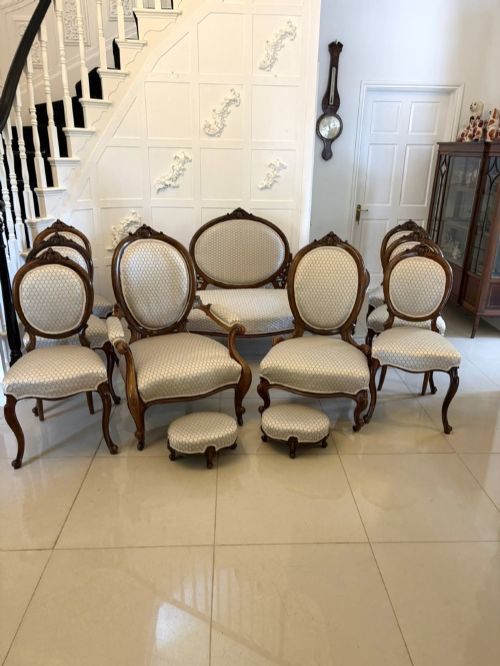
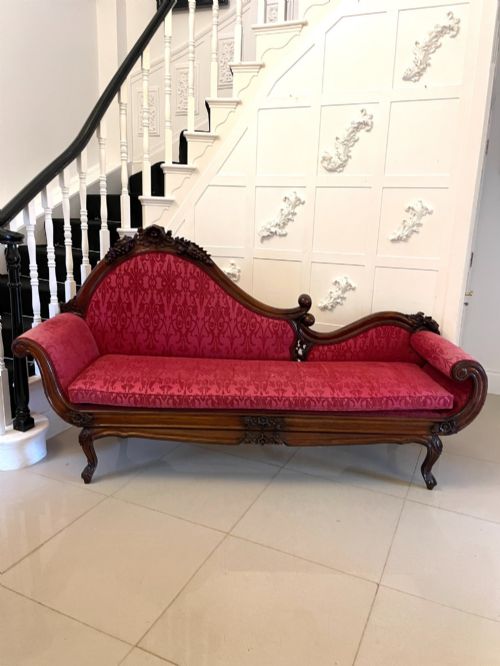
These pieces are a victorian rococo sofa, offering elaborate carved frames and curved seating designed for nineteenth-century reception rooms.
Victorian Rococo Sofa
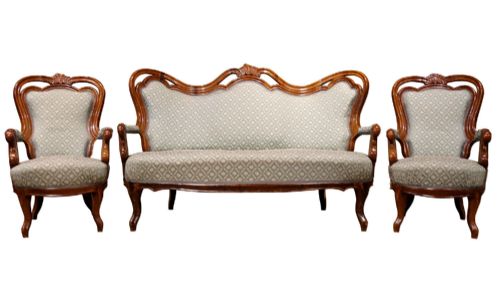
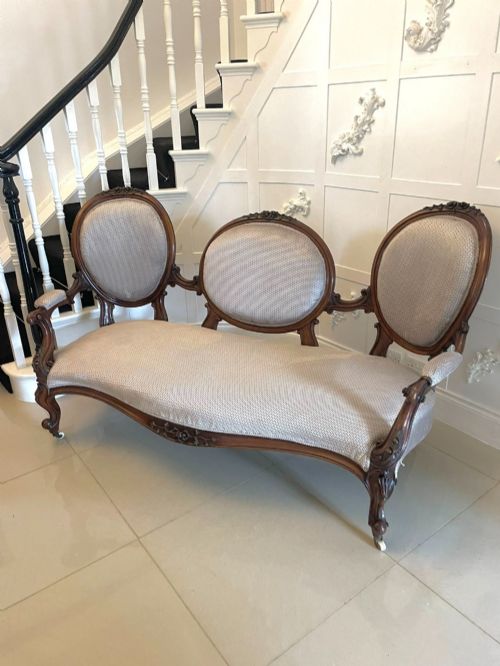
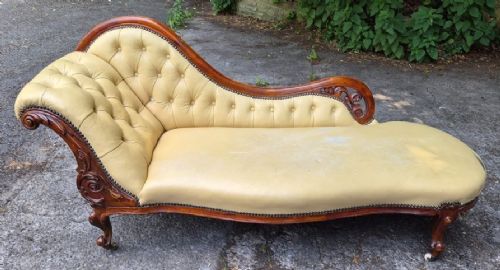
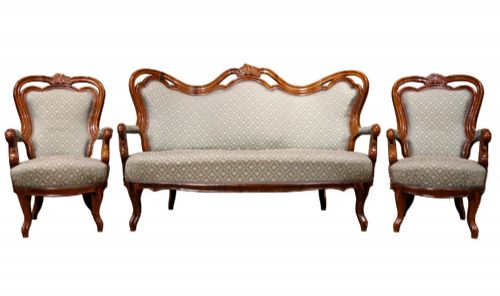
When you search for a victorian rococo sofa, you encounter seating forms spanning the nineteenth century, including specific variations like the cameo back settee, double end settee, and three-piece salon suite. The majority of items meeting this search phrase are constructed from walnut, burr walnut, or mahogany, often styled within the rococo revival or louis xv revival traditions.
Makers and workshops from Edinburgh and London occasionally produced these large pieces alongside continental makers working in french rococo revival styles. You also find related seating formats such as the chaise longue and settee alongside standard sofas, all sharing the curved lines characteristic of the period.
How they were made
The primary structural material for a victorian rococo sofa is solid walnut, burr walnut, or mahogany, shaped into flowing frames with carved details. Giltwood and rosewood also appear among the listed items, providing alternative finishes for formal reception rooms.
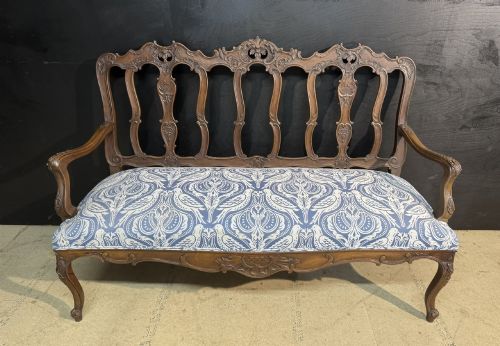
Craftsmen utilised traditional joinery and hand-carving techniques to create the characteristic cabriole legs and shaped crest rails. Upholstery materials like velvet, fabric, and textile are fitted to sprung frames, supported internally by brass components where appropriate.
Walnut and mahogany remain the dominant structural materials across nineteenth-century seating and tables in the available evidence.
What varies in quality
The standard of a victorian rococo sofa depends upon the depth and crispness of the hand-carved woodwork on the crest rail and frame. Pieces utilising figured burr walnut or substantial mahogany demonstrate superior material selection compared to simpler timber variants.
The integrity of the original frame construction and the fidelity of the revival style separation define the upper tier of these items. Salon suites and matching chairs show a higher degree of coordinated design execution across multiple pieces.
Morison & Co·Holland + Son
The Victorian Rococo Sofa Glossary
- Rococo Revival
- A nineteenth-century design movement drawing inspiration from eighteenth-century french louis xv aesthetics. It is characterised by asymmetrical curves, scrollwork, and naturalistic floral carving.
- Cameo Back
- A specific chair or sofa back design shaped like a classical portrait cameo, enclosed within a carved wooden border.
- Cabriole Leg
- A furniture leg that curves outward at the knee and inward at the ankle, ending in a shaped foot.
- Giltwood
- Timber that has been coated with a thin layer of gold leaf or gilt paint to create a metallic surface finish.
- Settee
- A medium-length upholstered wooden seat with a back and arms, designed to accommodate multiple people.
Victorian Rococo Sofa: Frequently Asked Questions
What is a victorian rococo sofa?
A victorian rococo sofa is an upholstered nineteenth-century seat featuring carved wooden frames, curved lines, and stylistic elements drawn from earlier french design.
These pieces typically utilise walnut or mahogany and serve as ornamental seating for period interiors.
How do I identify the wood?
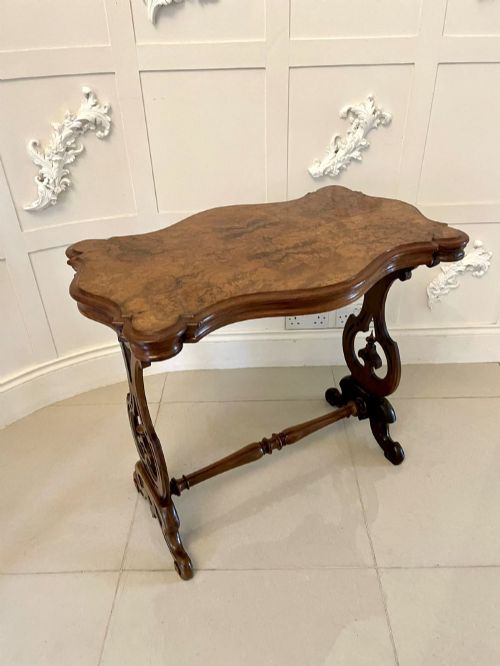
Examination of the exposed frame reveals the timber grain, with walnut showing darker brown tones and burr walnut displaying swirling grain patterns. Mahogany presents a denser reddish-brown appearance across the carved surfaces.
Rosewood and giltwood offer distinct coloration and surface finishes that differentiate them from standard walnut and mahogany frames.
Where were these sofas used?
These sofas were traditionally placed in nineteenth-century reception rooms, parlours, and drawing rooms as formal seating for guests. Their ornate carved frames were intended to display taste and status within domestic interiors.
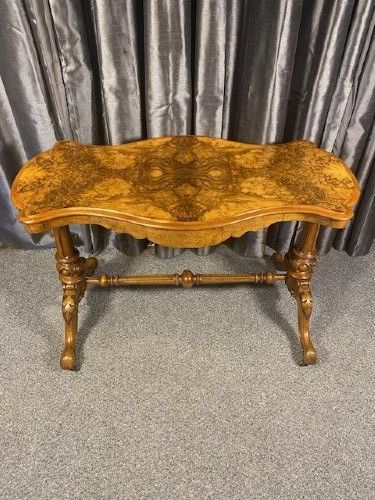
They often formed part of a larger salon suite that included matching armchairs and occasional tables.
How do I care for the upholstery?
Maintenance requires gentle vacuuming of the fabric or velvet surface using a soft brush attachment to remove dust. Direct sunlight should be avoided to prevent fading of the textile materials.
Wooden frames benefit from occasional dusting with a dry cloth without applying harsh chemical polishes.