

Carved Gilt Rectangular Mirror
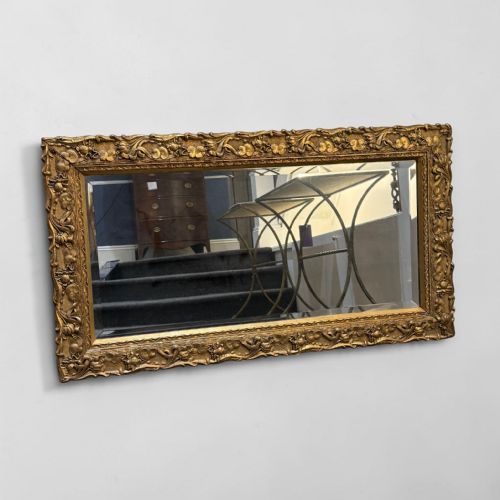
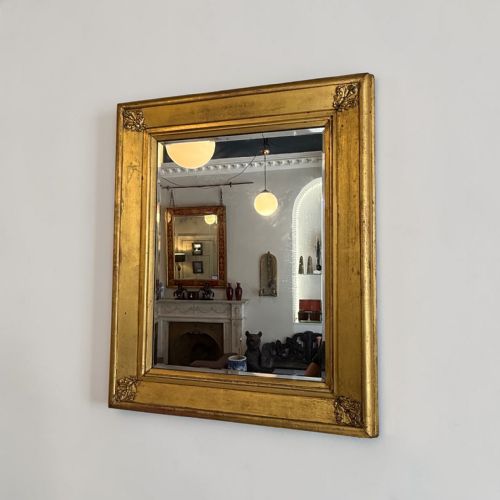
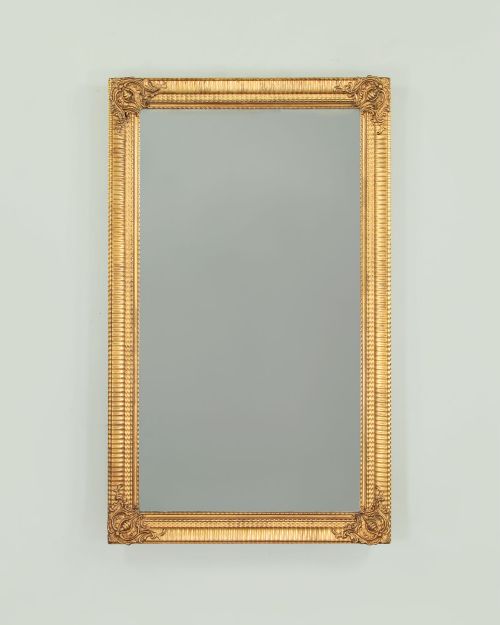
A carved gilt rectangular mirror brings light and presence to a room, drawing the eye with its gilded surface and formal geometry.
Carved Gilt Rectangular Mirror
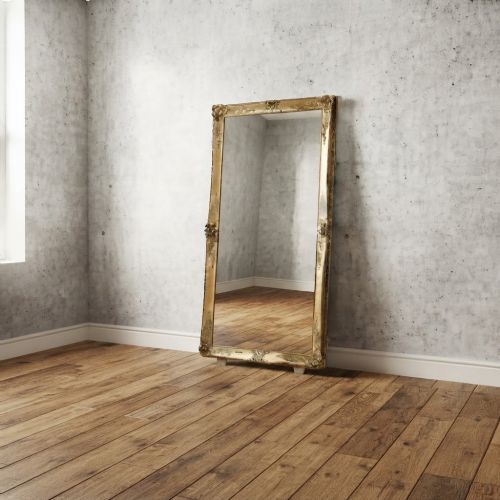
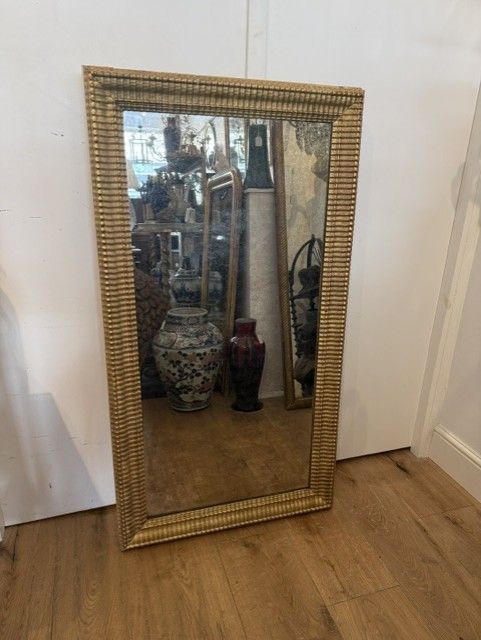
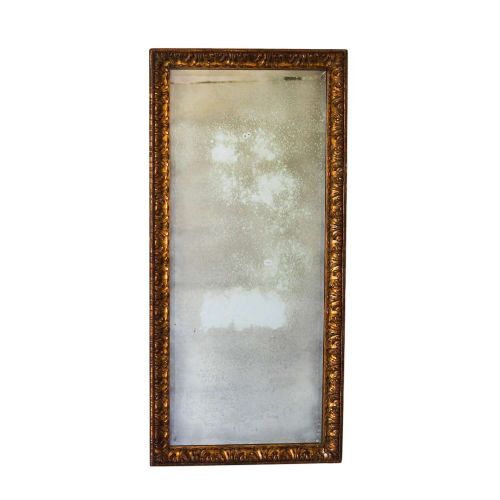
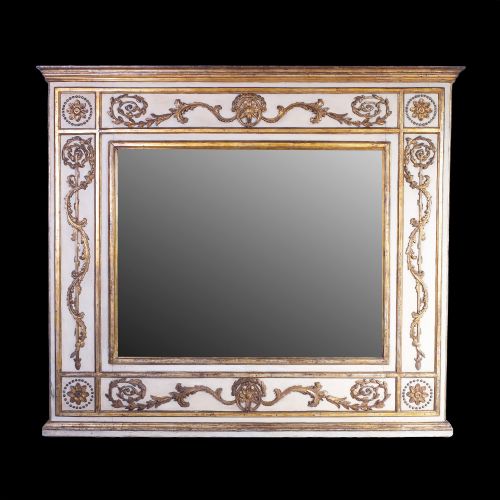
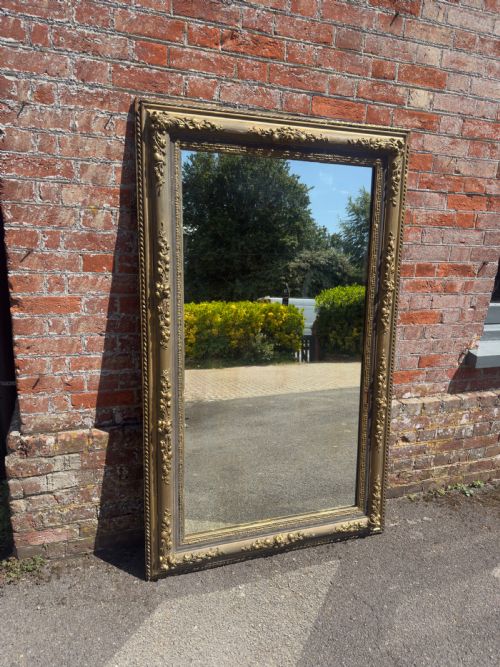
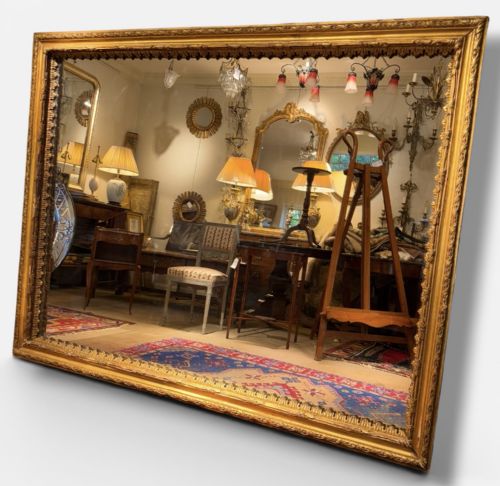
When you search for a carved gilt rectangular mirror, you encounter pieces that function as wall mirrors, overmantels, pier mirrors, and leaner mirrors. These objects originate predominantly from the nineteenth century, spanning English and French domestic settings.
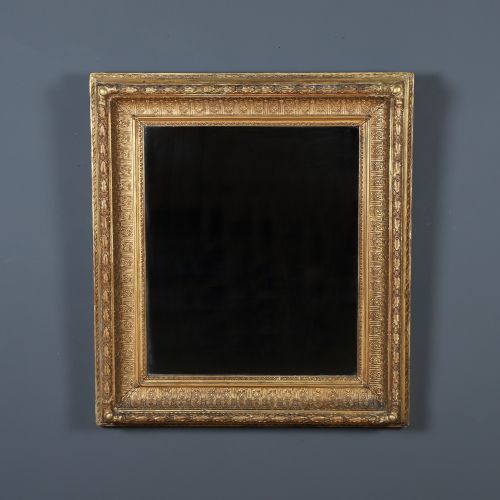
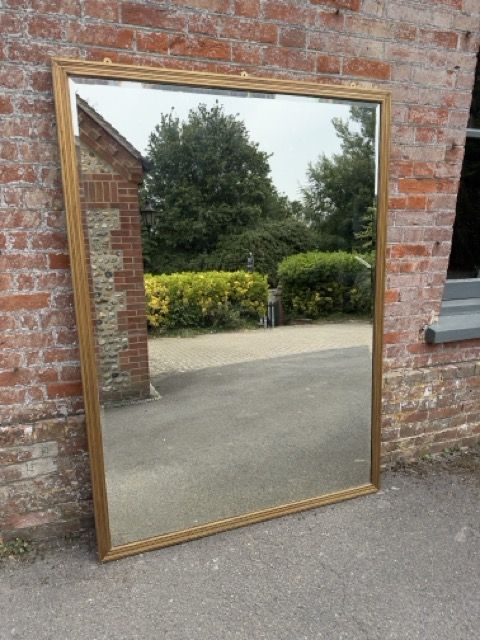
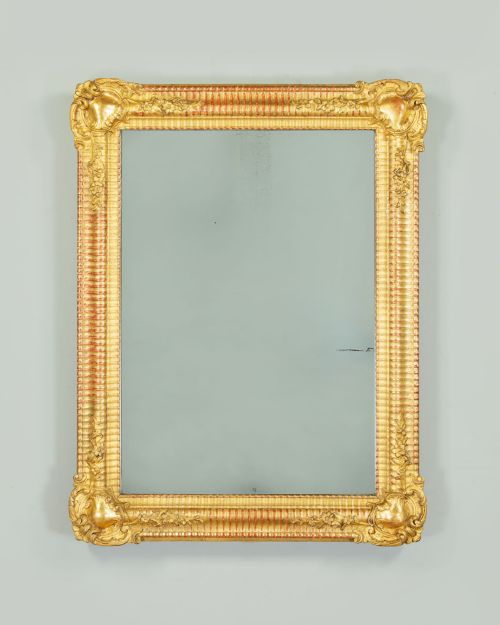
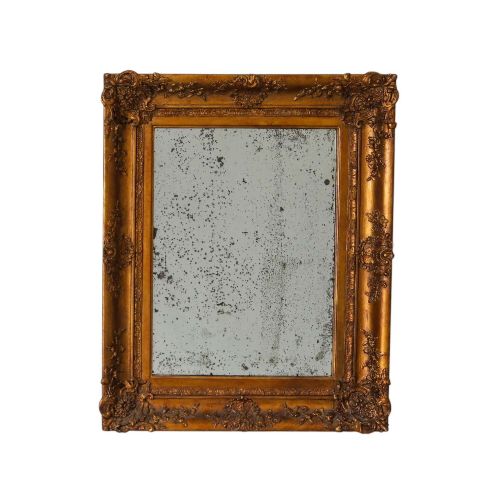
The format is principally rectangular, taking forms from simple cushion frames and ripple mouldings to heavily ornamented Victorian rococo revival and Florentine styles. Overmantel and wall versions appear with greatest frequency across the selection.
Makers and workshops of the period produced these plates for principal reception rooms, hallways, and dressing spaces, applying gilt finishes over carved wood and gesso substrates.
How they were made
Craftsmen built the underlying structure from timber, frequently incorporating carved wood and moulded gesso to build up high-relief floral, mythological, or architectural ornament. Frames were then finished with gold leaf, oil gilt, or paint.
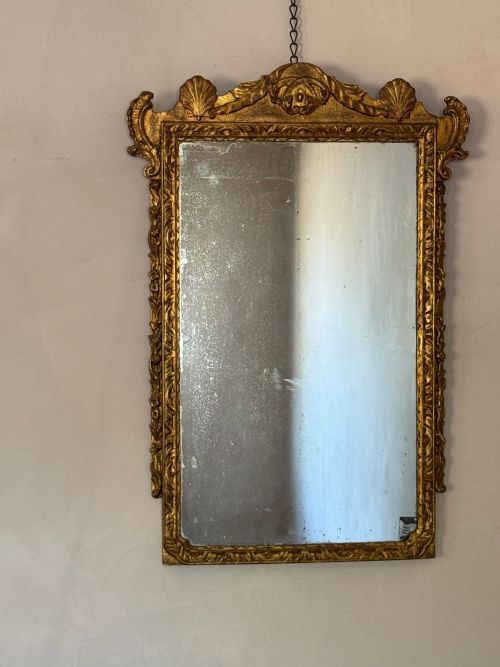
Mirror glass of the era ranges from original plates showing foxing and age to replaced glass offering a clear reflection. Frames rely on traditional joinery suited to heavy rectangular formats.
Nineteenth-century listings feature prominent French chateau and English country house origins alongside Victorian and Regency styles.
What varies in quality
Quality rests in the crispness of the hand-carved detail within the wood and gesso, where deeper undercut foliage and defined motifs distinguish superior work from simpler moulded production. The depth of the gilding technique also sets examples apart.
The integrity of the frame construction and the survival of the original mirror plate contribute significantly to the character and standing of an individual piece.
The Carved Gilt Rectangular Mirror Glossary
- Gesso
- A plaster-like mixture applied to wood frames as a base for gilding. It allows craftsmen to carve and stamp intricate relief decoration before applying gold leaf.
- Giltwood
- Timber that has been gilded with gold leaf or metal leaf. This surface treatment provides a brilliant reflective quality to the frame.
- Overmantel mirror
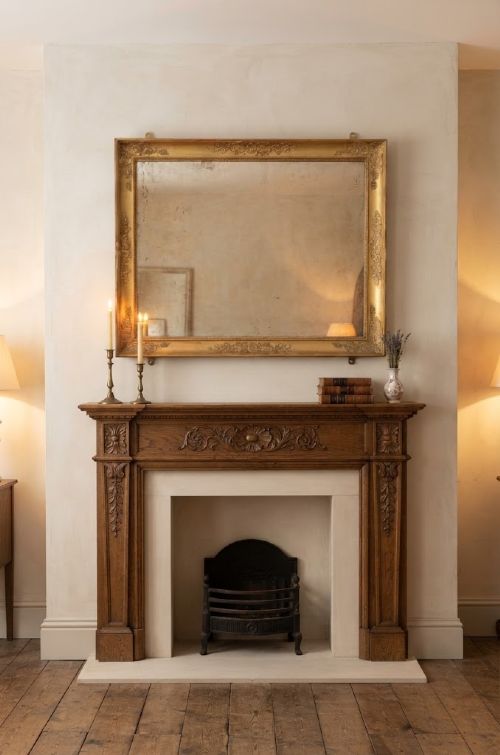
- A large horizontal mirror designed specifically to hang above a fireplace mantelpiece. These pieces frequently anchor the decorative scheme of a nineteenth-century room.
- Pier mirror
- A tall, narrow mirror designed to hang on the wall space between windows. They often sit above a pier table.
- Foxing
- Age-related spots and discolouration within the silvering of the mirror glass. This chemical oxidation appears as dark specks across the reflective surface.
Carved Gilt Rectangular Mirror: Frequently Asked Questions
Where should I hang an overmantel mirror?
An overmantel mirror traditionally hangs directly above a fireplace mantelpiece, where it reflects light from the windows and balances the proportions of the hearth.
Ensure the wall fixings are secure, as nineteenth-century frames carry considerable weight from their timber and gesso construction.
How do I identify a nineteenth-century frame?
Examine the construction of the timber and the application of the gesso beneath the gold leaf. Nineteenth-century examples display hand-carved details and layered preparation grounds rather than modern synthetic moulding.
Look closely at the backboards, fixings, and wear patterns to confirm the period of the piece.
What is a pier mirror?
A pier mirror is a vertical wall glass designed to hang on the narrow wall space between two windows. This placement maximises natural light within a Victorian or Regency interior.
These pieces often feature narrower proportions than standard wall mirrors.
Should I keep foxed mirror glass?
Foxing shows natural oxidation and age within the silvering of the mirror plate. Many collectors prefer original foxed glass because it confirms the antiquity of the object.
Replacement glass is sometimes fitted when clarity is required for daily use.