
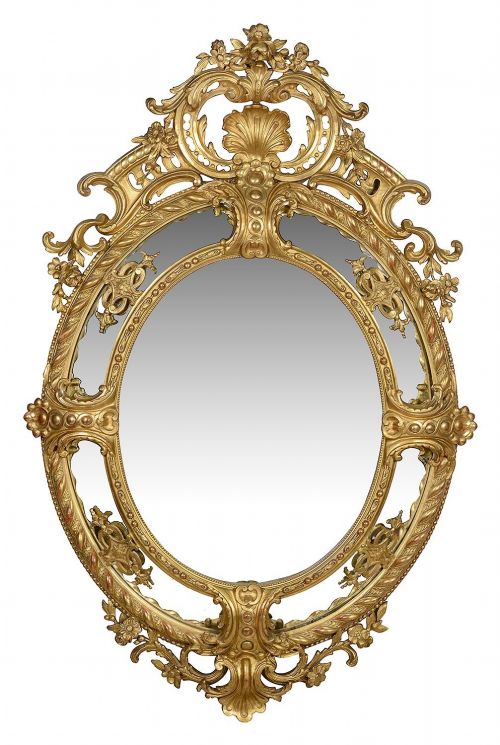


Ornate Gesso Mirror
When you search for an ornate gesso mirror, you enter a world of nineteenth-century craftsmanship where carved wood, moulded plaster, and shimmering gold leaf meet in lavish displays.
Ornate Gesso Mirror
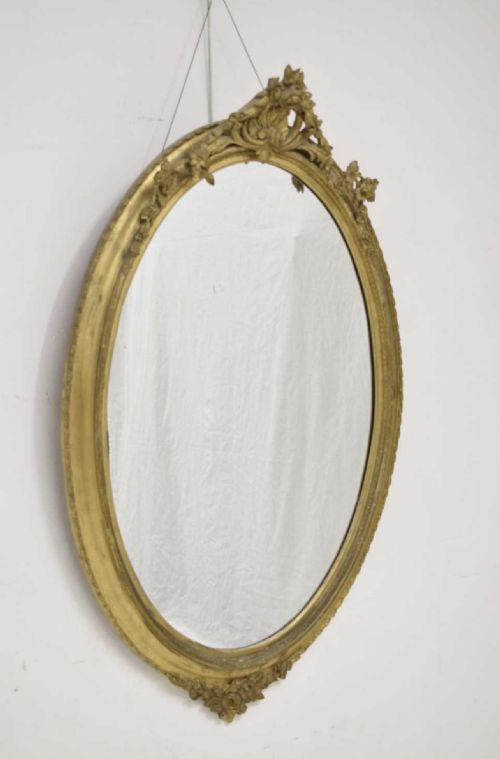
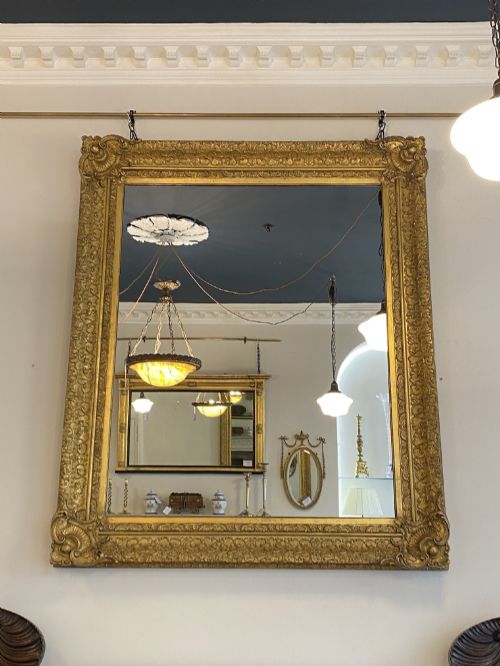
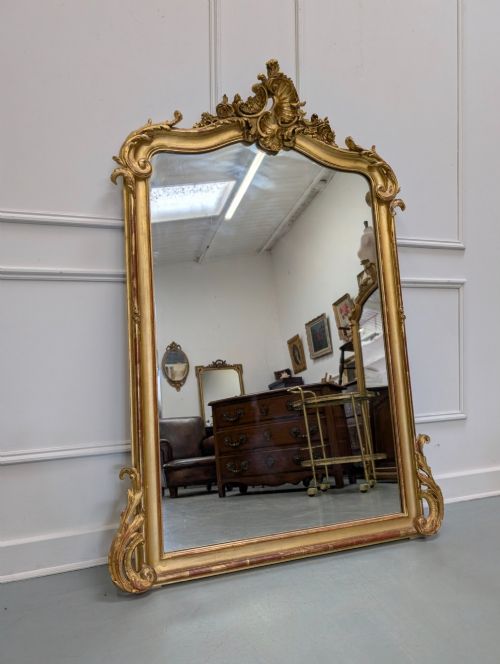
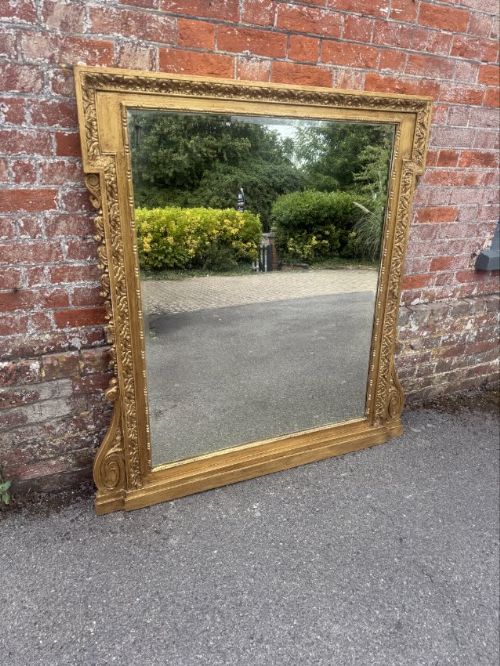
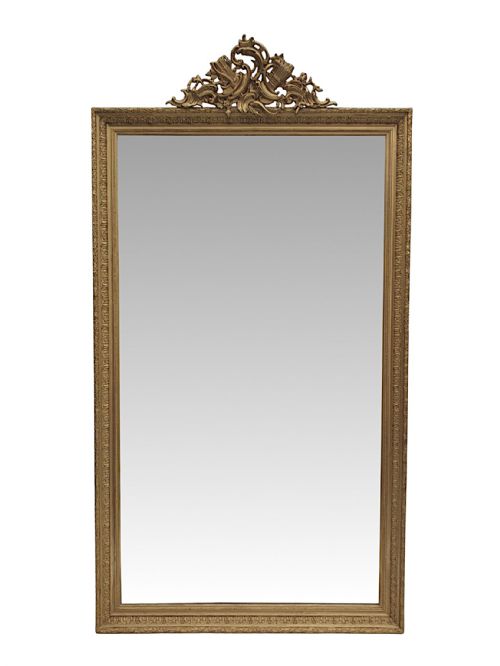
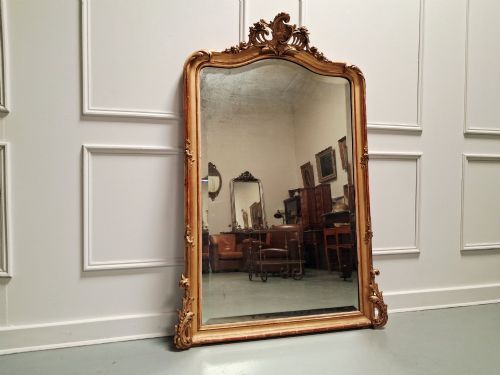
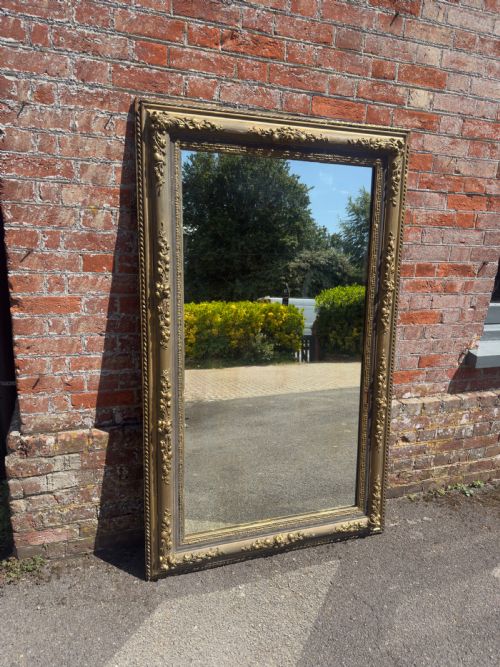
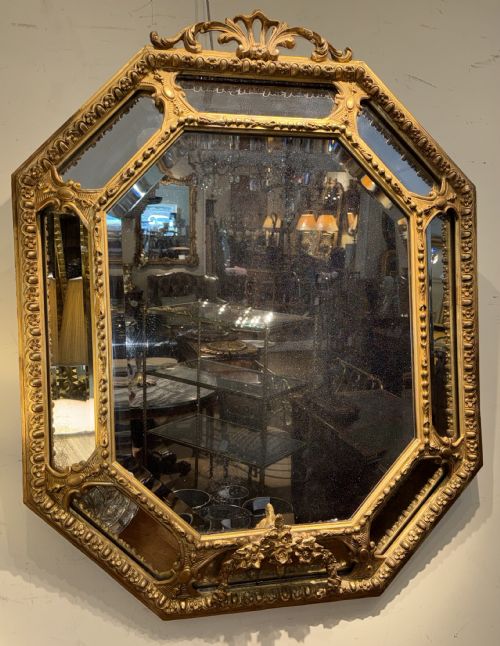
An ornate gesso mirror brings nineteenth-century presence into a room, most frequently appearing as large English overmantles or grand French wall mirrors from the Victorian era. These pieces combine heavy wooden frames with deeply moulded plaster scrollwork, cartouches, and floral motifs designed to catch the eye.
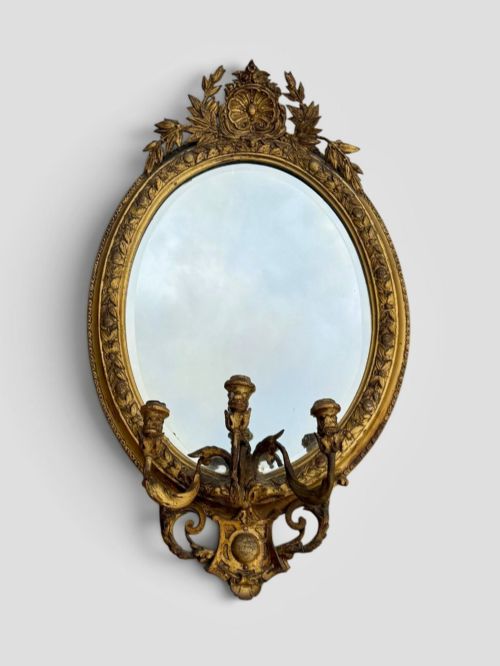
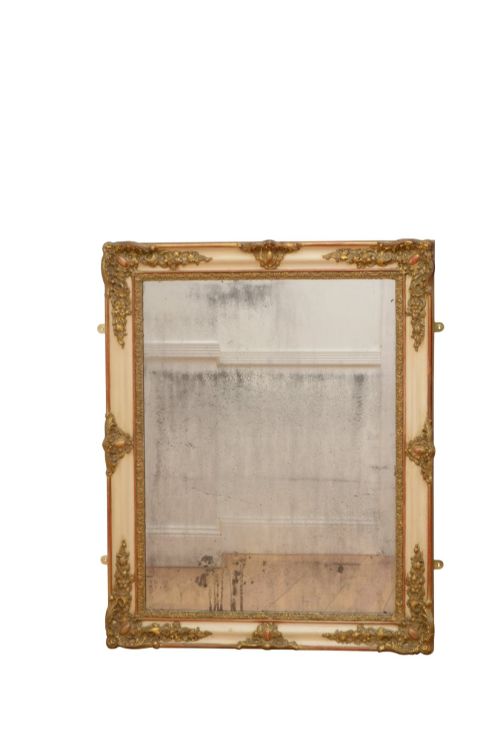
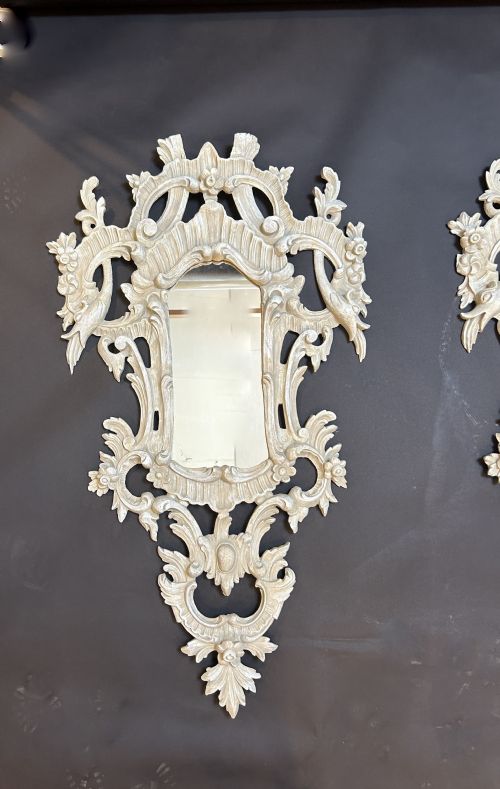
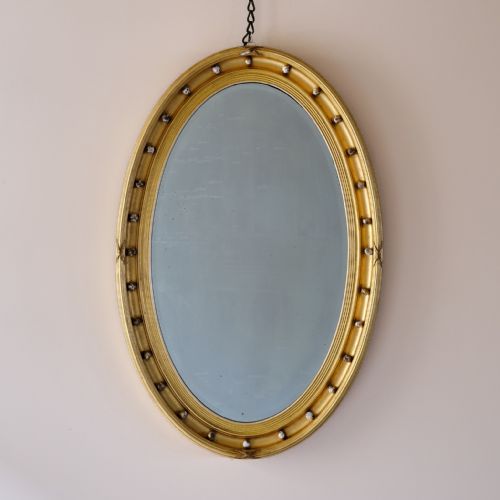
The selection ranges from arched and shaped-top overmantles meant for grand chimney breasts to oval wall sconces, cushion frames, and occasional dressing or pier mirrors. Continental examples often showcase Rococo Revival and Louis XV styling, bringing sweeping asymmetry and exuberant curves to domestic interiors.
Buyers encounter both gilded and painted finishes across English and French workshops, with many items retaining their original mirror glass and antique patina. Whether formatted as a massive landscape overmantle or a delicate oval panel, each surviving example records the decorative ambitions of the nineteenth century.
How They Were Made
Makers constructed these frames using solid timber carcasses, often carved wood, which provided the foundational structural support for heavy glass plates. Artisans then applied multiple layers of gesso - a mixture of chalk and binder - directly onto the wood to build up thick surfaces for intricate relief moulding.
Once the plaster compound dried, craftsmen carved and smoothed the surface details by hand before applying sheets of gold leaf or mixed metallic paints. Many pieces also received painted or distressed finishes over the gesso base, creating rich visual depth that has survived across the centuries.
The listings feature mirrors spanning the Victorian era through the early twentieth century, incorporating French Rococo Revival and English 19th-century designs.
What Varies in Quality
The depth and crispness of the modelling separate superior items from simpler production, as master carvers achieved sharper undercut scrollwork and more naturalistic floral reliefs in gesso. Frames that retain their original heavy gilding or early painted surfaces display a visual warmth that lesser or later restorations miss.
Structural integrity of the underlying wooden framework and the preservation of the original mirror glass heavily influence the desirability of a piece. Well-balanced proportions, intact crestings, and harmonious original framing elements distinguish exceptional nineteenth-century examples from standard decorative pieces.
The Ornate Gesso Mirror Glossary
- Gesso
- A plaster-like mixture of chalk, gypsum, and size applied to wood frames to create a smooth surface for carving and gilding. This foundational layer allows for deep, intricate ornamentation.
- Giltwood
- Timber that has been decorated with thin leaves of gold or metal alloys applied over a prepared gesso ground. It provides a luminous surface that catches candlelight and daylight alike.
- Overmantle
- A large mirror specifically proportioned to hang on the wall directly above a fireplace mantelpiece. These grand landscape pieces often anchor the decorative scheme of a reception room.
- Rococo Revival
- A nineteenth-century design movement inspired by eighteenth-century French styles, characterised by asymmetrical scrolls, C-curves, and naturalistic foliage. It dominates the ornamentation found on these mirrors.
- Cushion mirror
- A frame type where the outer moulding slopes outward or inward in a convex profile resembling a soft cushion. This distinctive shape creates multiple angles for reflecting light.
Ornate Gesso Mirror: Frequently Asked Questions
Where should an overmantle mirror hang?
These large landscape frames traditionally sit directly above a fireplace mantelpiece to reflect light and anchor the room's main focal point. They also work effectively on expansive blank walls in hallways or reception rooms where their scale can be fully appreciated.
Because nineteenth-century overmantles carry considerable weight from their wooden frames and gesso plaster, proper wall anchoring into masonry or secure studs is essential. Positioning them opposite windows maximises natural daylight distribution throughout the interior space.
Are French and English mirrors different?
English examples on the market frequently manifest as massive, architectural overmantles with arched or shaped tops intended for substantial Victorian chimney breasts. French pieces often lean toward lighter Rococo Revival wall mirrors, oval panels, and Louis Philippe cushion frames with softer painted or gilded finishes.
Both regional traditions utilised carved wood and gesso foundations, but French makers frequently emphasised asymmetrical cartouches and flowing floral motifs compared to the more formal symmetry of English nineteenth-century work.
What is a girandole mirror?
A girandole is a decorative wall mirror featuring integrated candle sconces attached directly to the frame, designed to multiply the flickering illumination of candles within a room. These unusual pieces combine functional lighting with ornate gesso and giltwood moulding.
Surviving examples often feature circular or oval plates surrounded by elaborate scrolling foliage and projecting arms for holding tapers.