



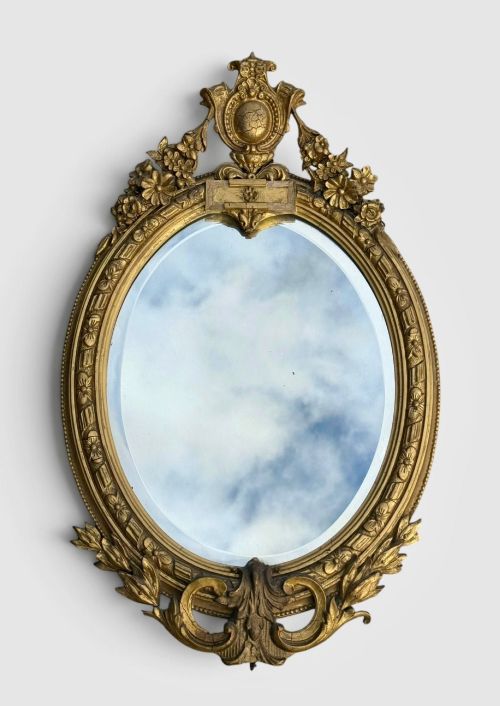
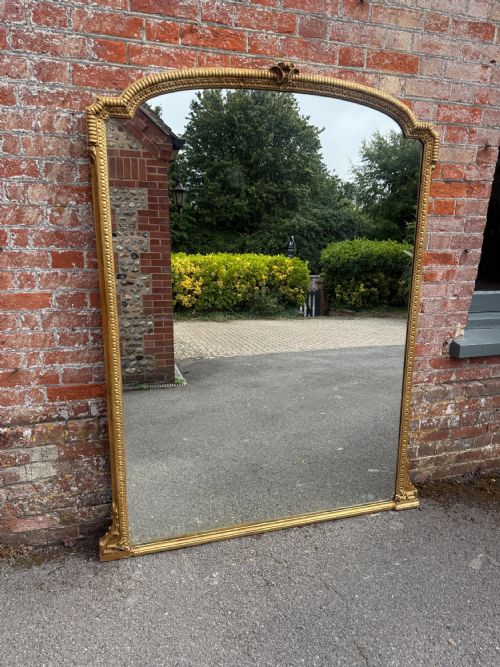
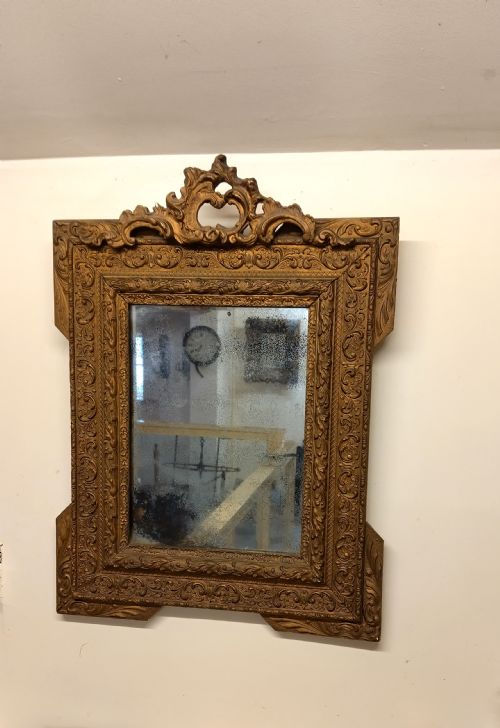
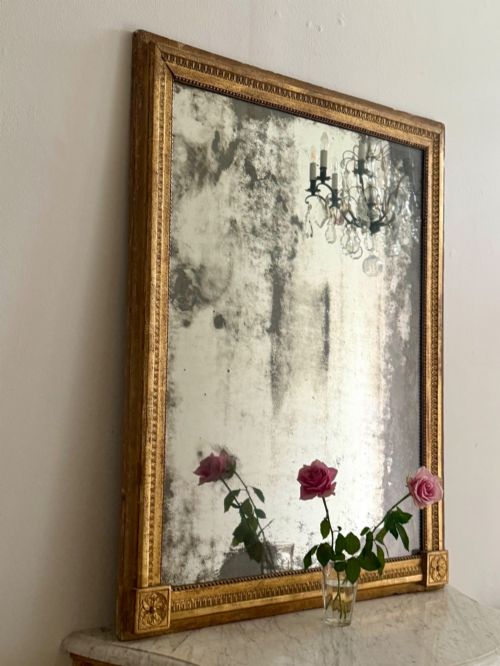
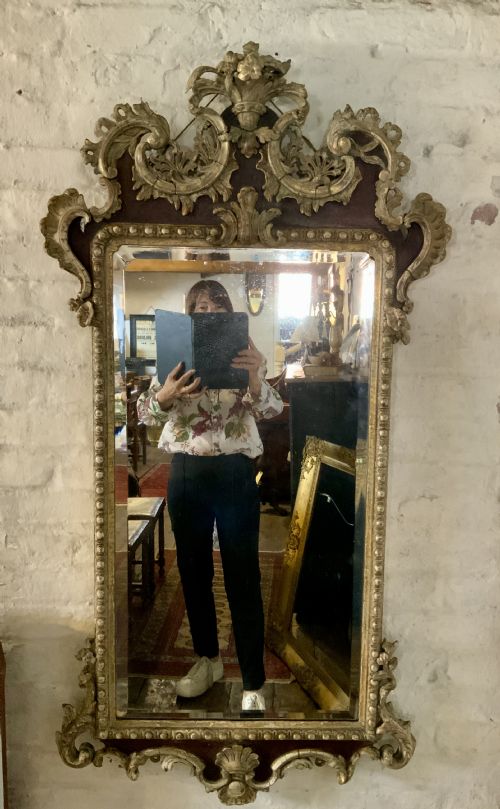
Carved Gilt Glass Frame
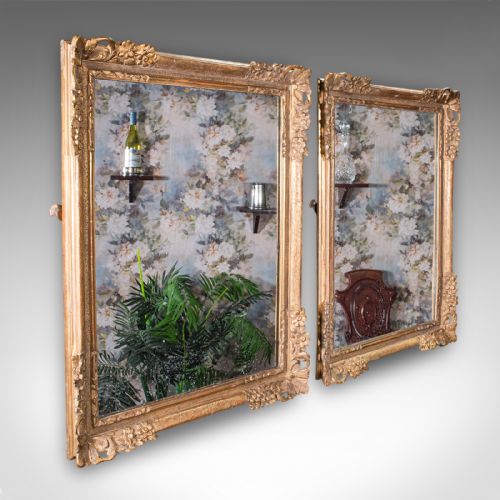
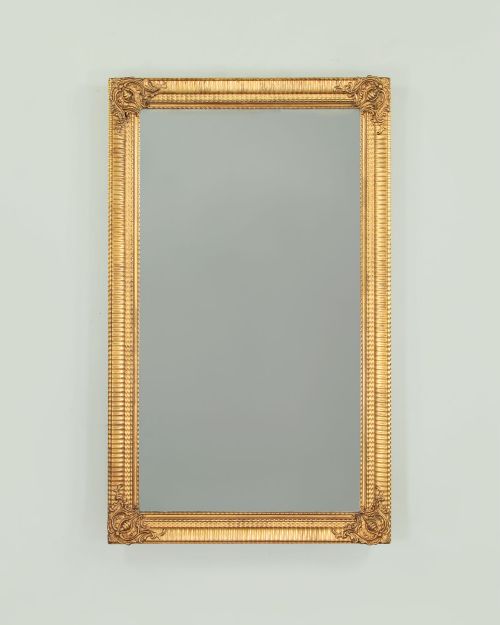
These pieces are a carved gilt glass frame, decorative wall and overmantel mirrors designed to catch the light and anchor a room.
Carved Gilt Glass Frame
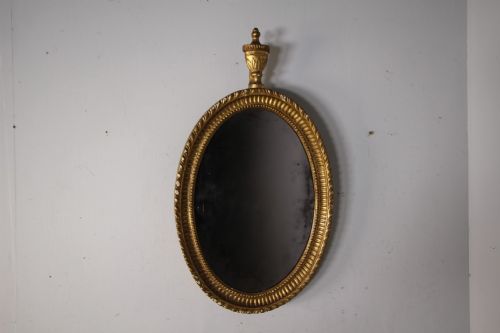
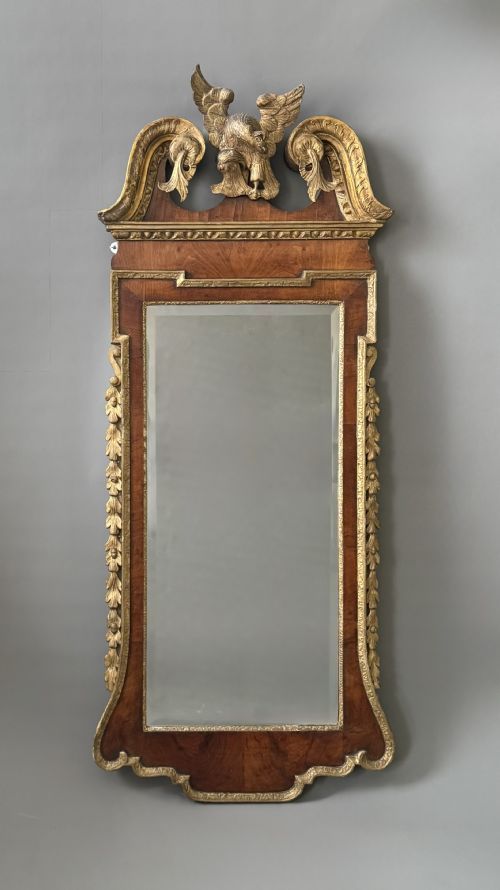
A carved gilt glass frame brings together decorative woodwork and mirrored glass, taking forms such as large overmantels, tall pier mirrors, and oval wall hangings. These items appear across the eighteenth and nineteenth centuries, spanning Georgian elegance, Regency severity, and ornate Victorian revivals.
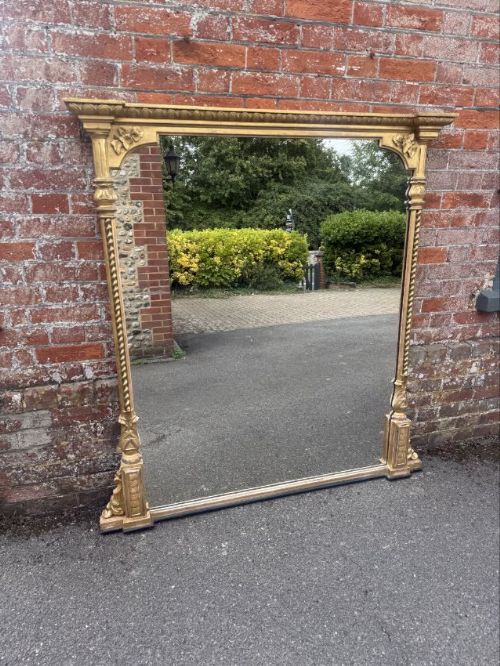
The version most commonly met on this page is the nineteenth-century English overmantel mirror, often framed in carved wood and gesso with architectural shapes or rope twist details. Alongside these, French Napoleon III and Italian examples show distinct regional carving styles and mythological motifs.
How They Were Made
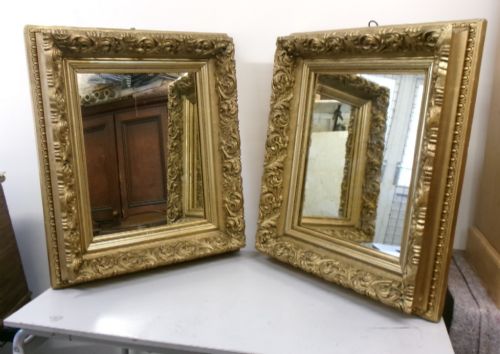
Makers shaped these frames from woods such as mahogany, walnut, and pine, applying layers of gesso to build up intricate surface ornamentation before gilding. Gold leaf or oil gilding provided the reflective golden finish, while composition ornament was frequently pressed into moulds for repetitive decorative borders.
The glass plates range from early mercury glass with characteristic foxing to later bevelled and original mirror plates. Frames combine structural timber joints with applied gesso reliefs, securing the heavy glass plates within rebated wooden backs.
Several mirrors carry the secret marks of Freemasons, reflecting fraternity rooms where reflections held symbolic weight during secret rituals.
What Varies in Quality
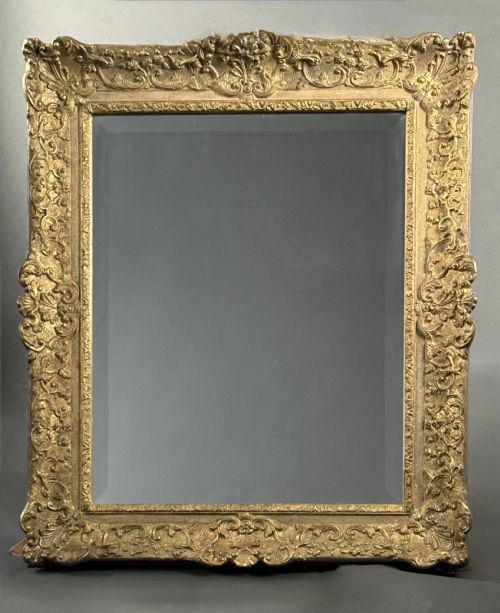
The depth and crispness of the hand-carving distinguish finer pieces from simpler moulded work, particularly in the rendering of floral, scroll, and mythological motifs. Superior examples maintain intact gesso layers where the underlying woodwork supports sharp, well-defined edges without heavy restoration.
The integrity of the glass plate and its housing also shape the character of the piece, as original mercury plates with natural foxing hold greater historic weight than later replacements. The balance of the proportions and the weight of the timber framing reflect the original ambition of the maker.
The Carved Gilt Glass Frame Glossary
- Gesso
- A plaster-like mixture applied to wood frames to create a smooth surface for carving and gilding. This compound allowed artisans to achieve sharp relief details before applying gold leaf.
- Foxed glass
- Mirror plates showing spots, speckles, or discolouration caused by the degradation of the backing over time. This ageing process creates a characteristic mottled reflection valued for its historic appearance.
- Pier mirror
- A tall mirror specifically designed to hang on the wall space between two windows, often placed above a pier table. These vertical glasses maximised light in period drawing rooms.
- Overmantel mirror
- A wide mirror designed to sit directly above a fireplace mantelpiece. They reflect the hearth and balance the horizontal proportions of the chimney breast.
- Parcel-gilt
- Woodwork that is partially gilded, leaving areas of natural timber such as walnut or mahogany visible beneath the gold leaf. This technique highlights specific mouldings and carved details against a dark wood ground.
Carved Gilt Glass Frame: Frequently Asked Questions
How do I hang a heavy overmantel mirror safely?
These large mirrors carry substantial weight from the timber, gesso, and thick glass plate. Secure them directly into structural wall studs using appropriate fixings rather than relying on plaster alone.
Distribute the load across multiple sturdy brackets or mirror plates screwed into the heavy wooden frame backing. Professional installation is advisable for larger nineteenth-century examples.
What is mercury glass?
Early mirror plates were backed with an amalgam of tin and mercury before the modern silver nitrate process was invented around the middle of the nineteenth century. This older backing method produces a softer, deeper reflection.
Over decades, moisture penetrates the backing to create natural foxing spots and dark patches across the glass. These blemishes are a sign of age rather than a defect.
How do I tell a Georgian mirror from a Victorian one?
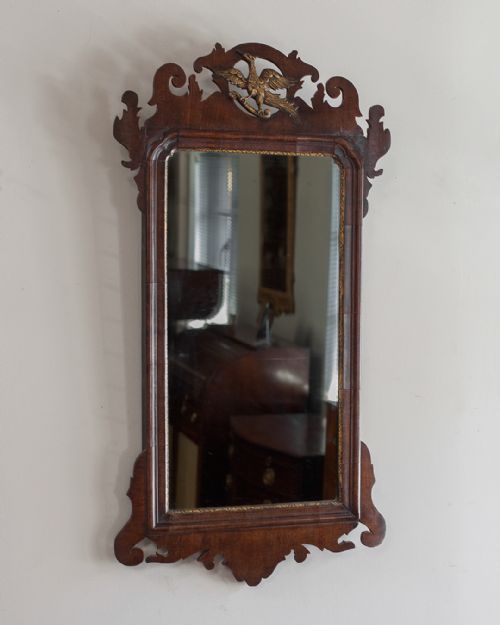
Georgian mirrors often feature restrained mahogany fretwork, parcel-gilt details, and architectural symmetry derived from Palladian designs. The timber framing remains lighter and construction relies on period joinery techniques.
Victorian pieces lean towards heavier gesso ornamentation, elaborate Rococo Revival scrolls, and broad overmantel formats finished in bright gold leaf or composition mouldings. The scale and density of the carved decoration typically increase in the later nineteenth century.
How should I clean a gilded frame?
Dust the carved surface gently using a soft, dry brush to prevent abrasive particles from scratching the delicate gold leaf or gesso. Avoid water, liquid cleaners, and chemical solvents entirely.
Moisture can soften the underlying gesso and lift the gilding from the wood. Professional restoration is recommended if the surface requires deeper cleaning or consolidation.